
Lophomyrmex birmanus
- Nome científico
- Lophomyrmex birmanus
- Tribo
- Crematogastrini
- Subfamília
- Myrmicinae
- Autor
- Emery, 1893
- Distribuição
- Encontrada em 1 países
Introdução
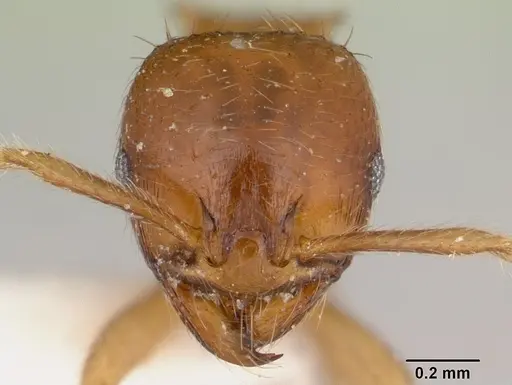
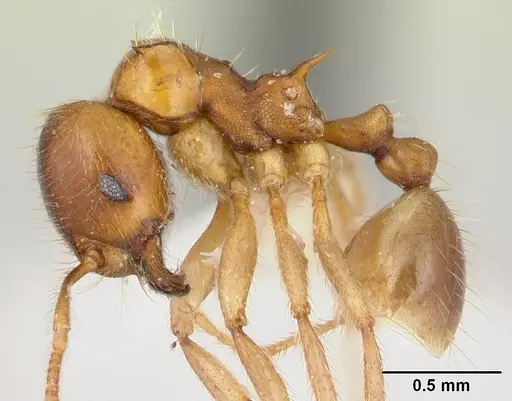
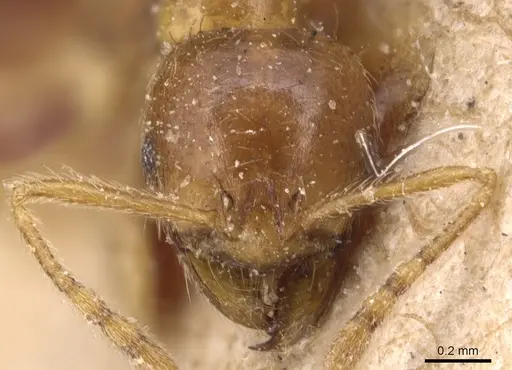
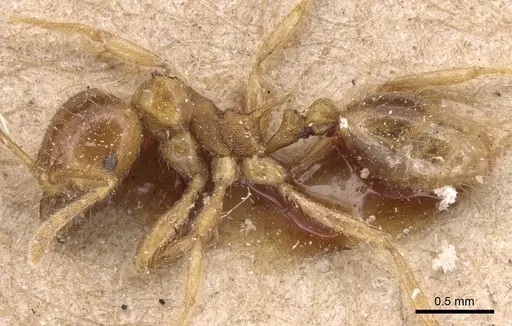
Lophomyrmex birmanus is a small myrmicine ant native to South and Southeast Asia. Workers measure about 2.8-2.9 mm in total length and have a distinctive appearance with a pair of horizontal spines on their mesosoma . They nest in soil under stones or logs and are active ground-foragers . This species is known for its dual foraging strategy, searching for food both on the ground surface and underground, using bait-trapping to capture prey .
Quick Summary
- Difficulty: Medium
- Origin & Habitat: Native to the Indomalaya region including India, Myanmar, Sri Lanka, Thailand, Vietnam, and southern China, found in mixed deciduous and evergreen forests [3][1].
- Colony Type: Colony structure is unconfirmed, but based on typical Lophomyrmex patterns, likely monogyne (single-queen).
- Size & Growth:
- Queen: size data unavailable
- Worker: ~2.8-2.9 mm [1]
- Colony: Colony size is not well documented, estimated up to a few hundred workers based on related species.
- Growth: Moderate
- Development: Estimated 6-8 weeks under optimal conditions (Development time is inferred from related species, specific data not available.)
- Antkeeping:
- Temperature: Keep at 24-28°C, as they are from tropical regions [1].
- Humidity: Keep nest substrate consistently moist but not waterlogged, based on their soil-nesting habits [2][1].
- Diapause: No, as they are tropical species.
- Nesting: Soil-based nests with moist substrate, such as under stones or in formicaria with digging containers [2][1].
- Behavior: Workers are active foragers that hunt other arthropods [2]. They are not aggressive toward humans, but their small size makes escape prevention critical [2].
- Common Issues: escape prevention is critical due to very small size, they can squeeze through gaps under 1 mm, overfeeding can lead to mold in substrate-based nests, wild-caught colonies may contain parasites, keeping too dry can cause colony decline, slow growth may lead to overfeeding
Housing and Nest Setup
Lophomyrmex birmanus nests in soil under stones or logs in the wild [2][1]. In captivity, use a container with moist, compactable substrate like sand and soil. Place flat stones or bark on top for natural nesting sites. Keep the substrate moist but not waterlogged to allow tunneling. For founding colonies, a test tube setup works, but move to a larger setup once the colony grows. Ensure all connections are sealed with cotton or fine mesh due to their small size [2].
Feeding and Diet
These ants are predators that hunt other arthropods [2]. Offer small live prey like fruit flies, pinhead crickets, and mealworms. Provide sugar sources like honey water. Feed 2-3 times per week, removing uneaten prey after 24 hours to prevent mold [2].
Temperature and Heating
Keep the nest area at 24-28°C for optimal activity, as they are from tropical regions [1]. Use a heating cable on one side to create a gradient. Avoid direct heat on nest material to prevent drying.
Humidity and Moisture
Maintain moderate to high humidity by keeping the nest substrate damp but not soggy [2][1]. Mist the outworld occasionally and use a water reservoir if possible. Watch for excessive condensation.
Behavior and Observation
Workers are active ground-foragers that search for food on the surface and underground [2]. They are not aggressive but can escape easily due to their small size. Observe them carrying prey back to the nest.
Growth and Development
Colonies start with a single queen who raises the first brood alone. First workers emerge in about 6-8 weeks under optimal conditions. Growth is moderate, taking months to reach larger sizes. Avoid disturbing the queen during founding.
Frequently Asked Questions
How long does it take for Lophomyrmex birmanus to produce first workers?
Based on typical Myrmicinae development, expect first workers in about 6-8 weeks after queen lays eggs, kept at 24-28°C.
What do Lophomyrmex birmanus ants eat?
They are predators that hunt small arthropods. Feed them small live prey like fruit flies and mealworms, plus sugar water [2].
Can I keep Lophomyrmex birmanus in a test tube?
Test tubes work for founding colonies. Keep the cotton wet and dark. Move to a larger setup once the colony reaches 20-30 workers.
Do Lophomyrmex birmanus ants sting?
Their small size means they are unlikely to penetrate human skin and are not dangerous to keepers [2].
What temperature do Lophomyrmex birmanus need?
Keep them at 24-28°C, as they are from tropical regions [1].
Are Lophomyrmex birmanus good for beginners?
They are rated medium difficulty due to escape prevention and humidity needs, but care is straightforward once understood.
How big do Lophomyrmex birmanus colonies get?
Colony size is not well documented, but estimated up to a few hundred workers based on related species.
Do Lophomyrmex birmanus need hibernation?
No, as they are tropical species and do not require diapause.
Why are my Lophomyrmex birmanus escaping?
Their tiny size allows them to squeeze through small gaps. Use fine mesh barriers and seal connections [2].
When should I move my colony to a formicarium?
Move them once the colony reaches 20-30 workers or when the test tube is cramped, using a soil-based setup.
Report an Issue
The current care sheet is based fully on literature. See inconsistencies, or something that's incorrect? Please , it will be resolved after review from an admin. Contributing to the blogs tab also helps providing information, to make us be able to further improve the caresheets. Thank you for your support!
References

Este guia de cuidados está sob a licença CC BY-SA 4.0 .
Posts da comunidade
CASENT0178543
Ver no AntWeb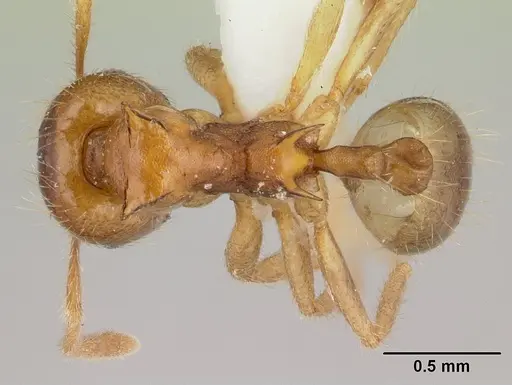
CASENT0904646
Ver no AntWeb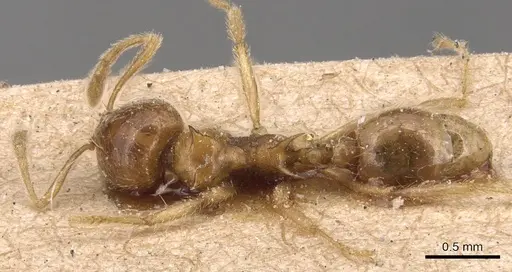
Literatura
Carregando mapa de distribuição...Carregando produtos...