
Lioponera ruficornis
- Nome científico
- Lioponera ruficornis
- Subfamília
- Dorylinae
- Autor
- Clark, 1924
- Distribuição
- Encontrada em 1 países
Introdução
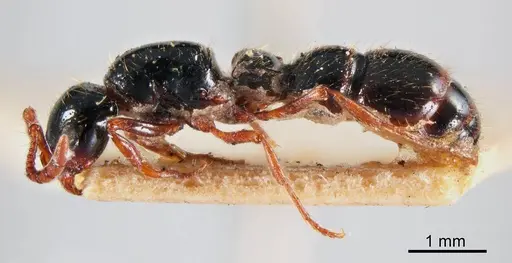
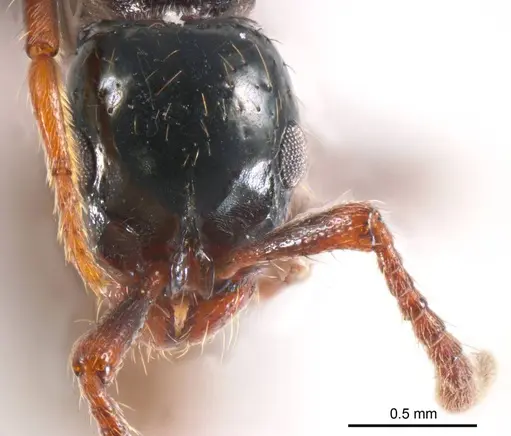
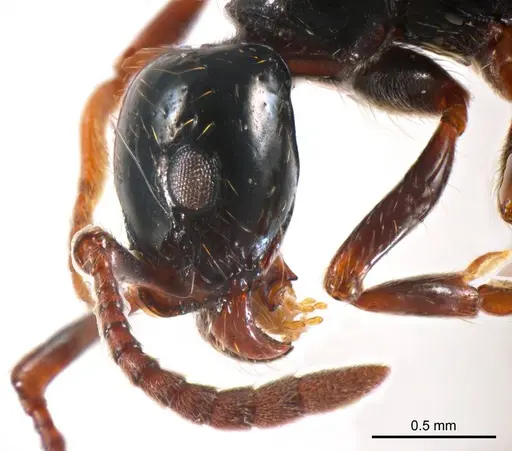
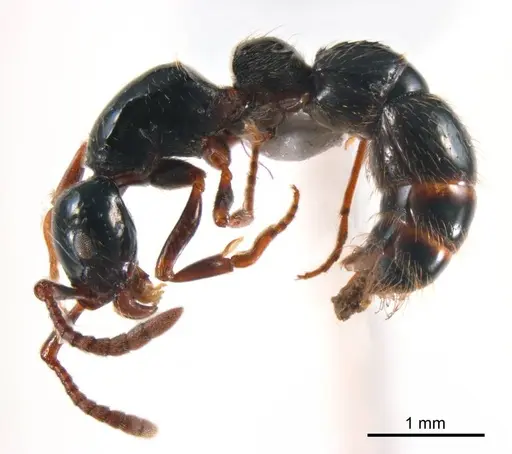
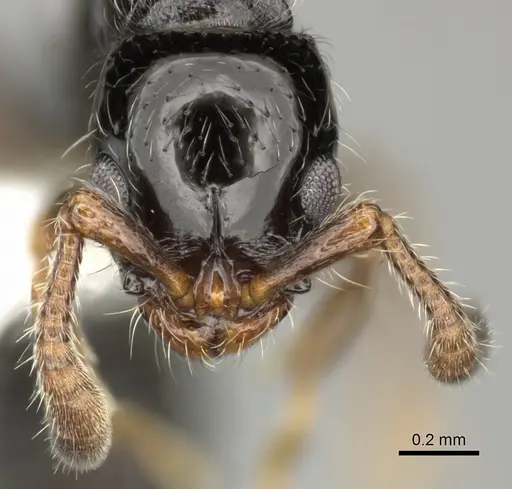
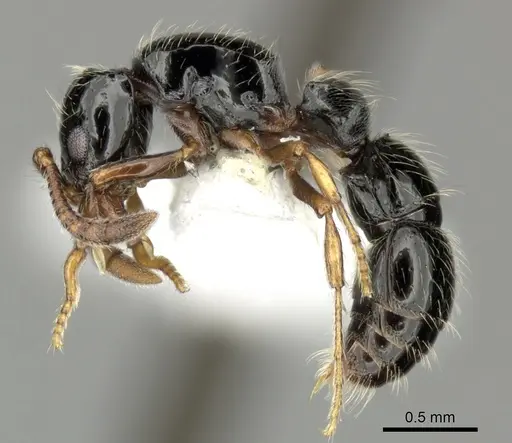
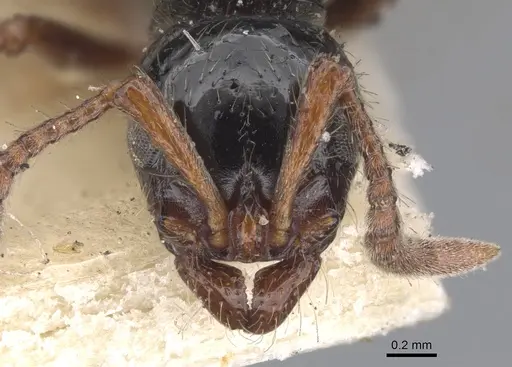
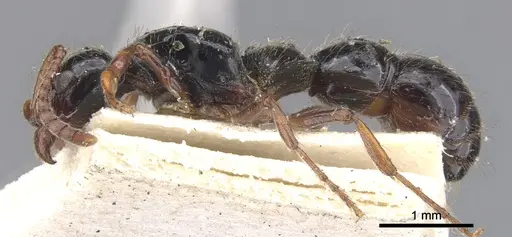
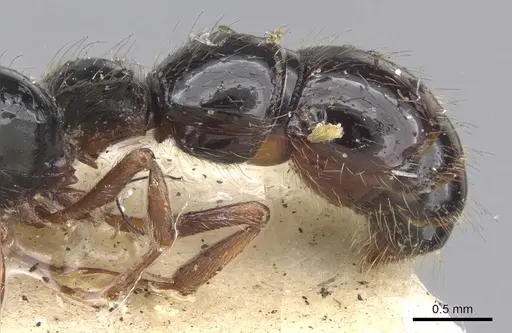
Lioponera ruficornis is a small black ant native to south-western Australia. Workers are uniformly black throughout, with the petiole (the narrow waist segment) being the same dark color as the mesosoma and gaster. In side view, the petiolar node appears rectangular with small denticles at the rear corners, and there's no narrow membrane separating it from the postpetiole . This species was formerly known as Cerapachys ruficornis before being reclassified into Lioponera. It is found in the south-west corner of Western Australia, including the wheatbelt region . As a member of the Dorylinae subfamily, this species is likely a specialized predator, though detailed behavioral observations are lacking.
Quick Summary
- Difficulty: Unknown, limited data available
- Origin & Habitat: South-western Australia, specifically the wheatbelt region and south-west corner of Western Australia [2]. Found in Mediterranean climate zones with dry summers and wet winters.
- Colony Type: Unconfirmed, colony structure has not been documented in scientific literature
- Size & Growth:
- Queen: Size data unavailable, no measurements exist for this species
- Worker: Approximately 3-7mm, inferred from related Cerapachys species [3]
- Colony: Unknown, no colony size data available
- Growth: Unknown
- Development: Unknown, no development data available for this species (Based on related Dorylinae species, development likely takes several months but this is an estimate only)
- Antkeeping:
- Temperature: Room temperature is likely suitable. Western Australia's south-west experiences moderate temperatures, so aim for 20-24°C during active season.
- Humidity: South-western Australia has dry summers and wet winters. Provide moderate humidity with a damp substrate area and drier areas available.
- Diapause: Likely, temperate Australian ants typically require a winter rest period. Provide a cool period around 10-15°C for 2-3 months during winter.
- Nesting: Likely nests in soil or under stones based on habitat data. In captivity, a naturalistic setup with moist substrate and a test tube water reservoir works well.
- Behavior: Behavior is poorly documented. As a Dorylinae ant, they are likely predatory and may hunt small invertebrates. Escape risk is moderate, use standard barrier methods. Aggression levels are unknown but related species are typically not highly aggressive toward humans. Do not rely on sugar sources, these ants are likely strict predators.
- Common Issues: limited availability of scientific data makes care recommendations uncertain, no documented feeding preferences, may be difficult to establish on standard ant foods, colony size and growth rate unknown makes planning difficult, hibernation requirements are inferred, not confirmed, no confirmed reports of sting severity, handle with caution
Nest Preferences
Lioponera ruficornis is found in the wheatbelt and south-west corner of Western Australia, typically in areas with Mediterranean climate. In the wild, they likely nest in soil or under stones, common behavior for many Dorylinae species in this region. The rectangular petiolar node and uniformly black coloration are distinguishing features that help identify this species in the field [1]. For captive care, a naturalistic setup with moist, sandy-loam substrate works well. Provide a test tube water reservoir connected to the nesting area to maintain humidity. Include some dry areas within the nest so ants can self-regulate their humidity preference.
Feeding and Diet
As a member of the Dorylinae subfamily, Lioponera ruficornis is almost certainly predatory, similar to other army ant relatives. The subfamily includes specialized predators that hunt small invertebrates including other ants, springtails, and tiny arthropods [3]. However, specific dietary preferences for this species have not been documented in scientific literature. In captivity, offer small live prey such as fruit flies, pinhead crickets, mealworms, and other appropriately-sized insects. It is unclear whether they will accept sugar water or honey, Dorylinae ants are typically protein-focused predators rather than sugar-seekers. Start by offering live prey and observe acceptance. Do not rely on sugar sources unless acceptance is confirmed through direct observation.
Temperature and Seasonal Care
Western Australia's south-west has a Mediterranean climate with hot, dry summers and cool, wet winters. This means Lioponera ruficornis likely experiences seasonal temperature variations and would benefit from a winter rest period. Keep the colony at moderate temperatures around 20-24°C during the active season. During the winter, provide a cooler period around 10-15°C to simulate natural conditions. This cool period may help trigger proper seasonal cycles and support colony health. Avoid temperatures above 30°C or below freezing.
Behavior and Temperament
Detailed behavioral observations for Lioponera ruficornis are not available in scientific literature. However, general patterns from the Dorylinae subfamily suggest this species is likely a cryptic, predatory ant that forages underground or in leaf litter rather than openly on surfaces. They probably form relatively small colonies compared to some other ant groups. Workers are likely to be less aggressive toward humans than some other ant families, though any ant may bite or sting if threatened. Use standard escape prevention methods. Avoid disturbing the colony frequently, as this can cause stress. Given the limited data available, observe your colony closely and adjust care based on their behavior and activity levels. [3]
Frequently Asked Questions
How do I care for Lioponera ruficornis ants?
Care recommendations for this species are limited because it has not been well-studied in captivity. Based on its Western Australian origin and Dorylinae classification, provide moderate temperatures (20-24°C), moderate humidity with a damp substrate, and offer small live prey. Expect to use a naturalistic setup with moist soil and a water reservoir. A winter rest period at 10-15°C for 2-3 months is likely beneficial.
What do Lioponera ruficornis ants eat?
They are likely strict predators based on their Dorylinae classification. Offer small live prey such as fruit flies, small crickets, mealworms, and other tiny invertebrates. It is unknown whether they accept sugar sources, do not rely on honey or sugar water. Start with live prey and monitor for acceptance.
How big do Lioponera ruficornis colonies get?
Colony size is unknown, no scientific data documents maximum colony size for this species. Related Cerapachys species typically have moderate-sized colonies, but specific numbers for L. ruficornis are not available.
What is the best nest type for Lioponera ruficornis?
A naturalistic setup with moist substrate works well given their likely soil-nesting habits. Provide a test tube water reservoir connected to the nesting area. If using an artificial nest, choose one with medium-sized chambers appropriate for ants in the 3-7mm range.
Do Lioponera ruficornis need hibernation?
Yes, a winter rest period is likely beneficial given their origin in temperate Western Australia. Provide cooler temperatures around 10-15°C for 2-3 months during the winter season.
How long does it take for Lioponera ruficornis to develop from egg to worker?
The egg-to-worker development timeline is unknown for this species. Based on related Dorylinae species, it likely takes several months, but this is only an estimate.
Are Lioponera ruficornis good for beginners?
This species is not recommended for beginners due to the limited scientific data available on its care. The lack of documented information about feeding preferences, development time, and colony structure makes it challenging to provide proper care. More commonly kept species with better-documented requirements are preferable for those new to antkeeping.
Can I keep multiple Lioponera ruficornis queens together?
Colony structure (monogyne vs polygyne) has not been documented for this species. Without this information, it is not possible to recommend whether multiple queens can be kept together. Do not attempt to combine unrelated foundress queens without documented evidence of their compatibility.
Where is Lioponera ruficornis found?
This species is native to south-western Australia, specifically found in the wheatbelt region and the south-west corner of Western Australia [2]. It has also been recorded on Barrow Island through survey work [4].
Report an Issue
The current care sheet is based fully on literature. See inconsistencies, or something that's incorrect? Please , it will be resolved after review from an admin. Contributing to the blogs tab also helps providing information, to make us be able to further improve the caresheets. Thank you for your support!
References

Este guia de cuidados está sob a licença CC BY-SA 4.0 .
Posts da comunidade
ANTWEB1008251
Ver no AntWeb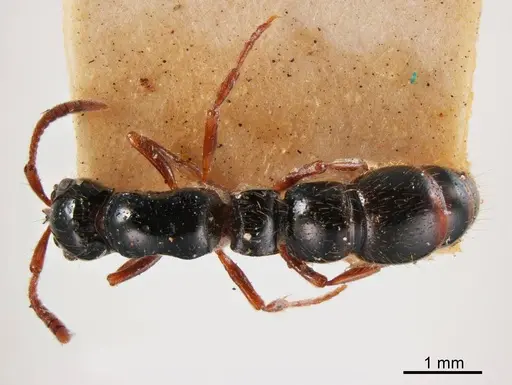
ANTWEB1008627
Ver no AntWeb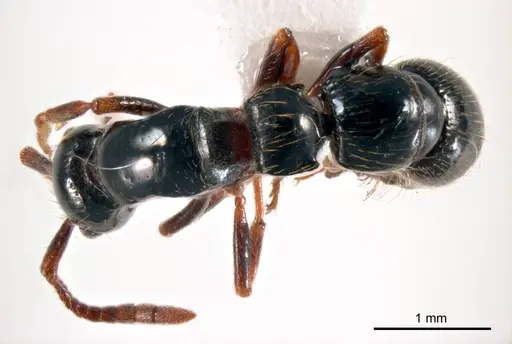
CASENT0249302
Ver no AntWeb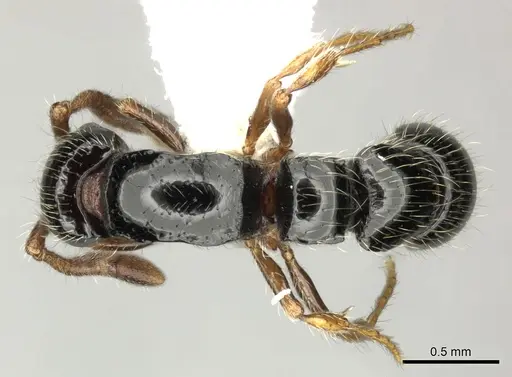
CASENT0902753
Ver no AntWeb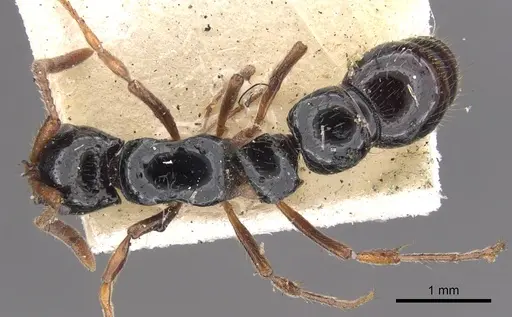
Literatura
Carregando mapa de distribuição...Carregando produtos...