
Lioponera iovis
- Nome científico
- Lioponera iovis
- Subfamília
- Dorylinae
- Autor
- Forel, 1915
- Distribuição
- Encontrada em 0 países
Introdução
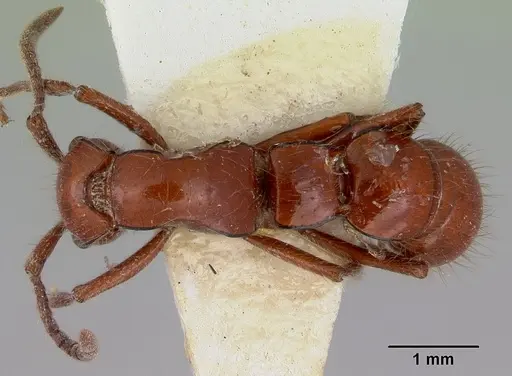
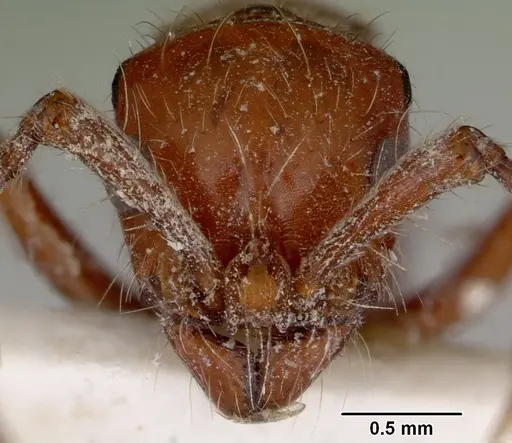
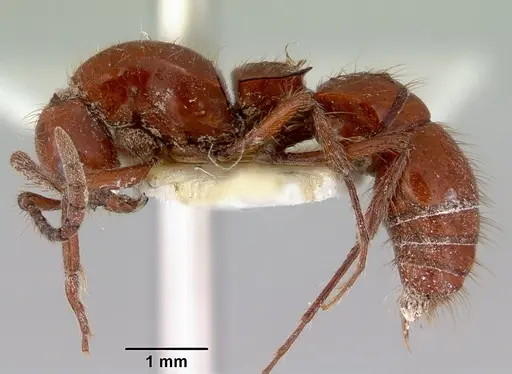
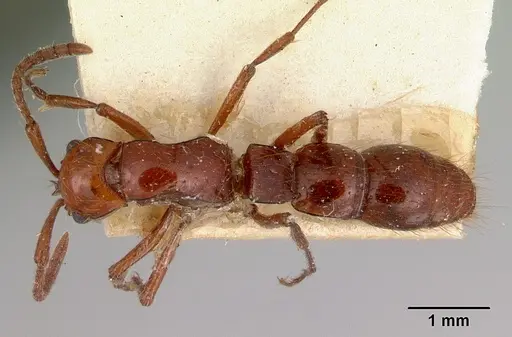
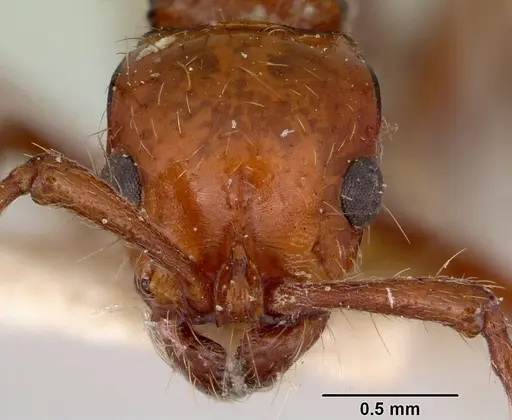
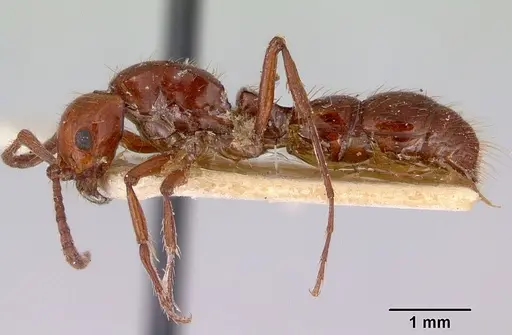
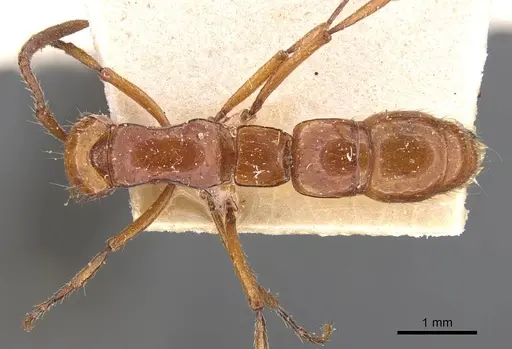
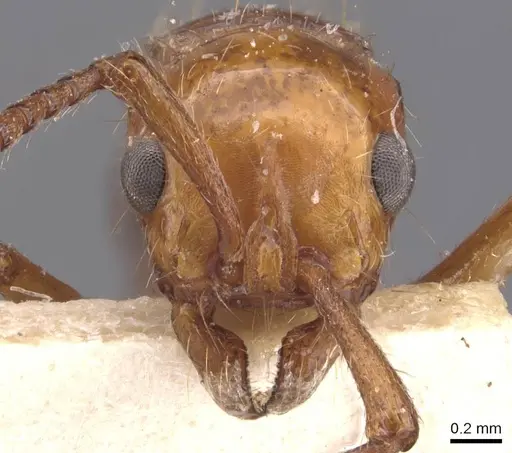
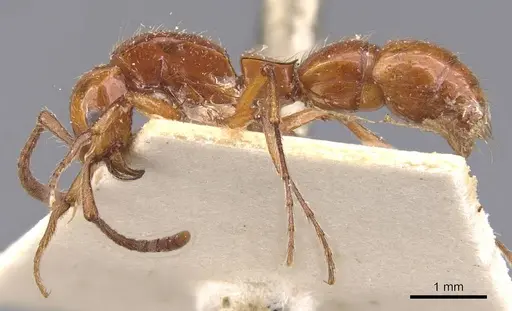
Lioponera iovis is an Australian Dorylinae ant species originally described by Forel in 1915 from Queensland. Workers are small, dark ants with the characteristic Dorylinae body structure. The species has undergone several reclassifications, moving from Cerapachys to Phyracaces and finally to Lioponera following the 2016 generic revision by Borowiec . This species is known only from northern Queensland, Australia, specifically from the Alice River region near Townsville. Beyond its distribution and taxonomic history, very little biological information exists in the scientific literature.
Quick Summary
- Difficulty: Unknown, likely Advanced
- Origin & Habitat: Northern Queensland, Australia, Alice River region near Townsville. Tropical to subtropical habitat with warm temperatures year-round and wet summers (November-March) [2].
- Colony Type: Unconfirmed colony structure. Dorylinae species typically have single-queen colonies, but this has not been documented for L. iovis specifically.
- Size & Growth:
- Queen: Size data unavailable, no documented measurements exist for this species
- Worker: Size data unavailable, no documented measurements exist for this species
- Colony: Unknown, Dorylinae colonies vary significantly across species
- Growth: Unknown
- Development: Unconfirmed, no direct development data exists for this species (No development data is available. Estimates based on related Dorylinae would be speculative.)
- Antkeeping:
- Temperature: Start around 24-28°C based on Queensland tropical distribution, adjust based on colony activity
- Humidity: Keep moderately humid, aim for damp but not waterlogged substrate
- Diapause: Unknown for this species, Queensland species may have reduced activity in cooler months but true diapause is unconfirmed
- Nesting: Natural nesting behavior unconfirmed. Dorylinae typically nest in soil, under stones, or in rotting wood. A naturalistic setup with moist substrate or a Y-tong/plaster nest works well as a starting point.
- Behavior: Behavior is unstudied in captivity. Dorylinae ants are typically predatory and may form raiding columns. Escape prevention is important given their small size. Exercise caution with handling as Dorylinae can have functional stingers.
- Common Issues: lack of documented care requirements makes successful captivity challenging, no confirmed diet preferences, likely predatory on small invertebrates, colony founding behavior is unconfirmed, hibernation/diapause requirements unknown, wild-caught colonies may have parasites or diseases not yet understood
Taxonomic Background and Identification
Lioponera iovis has a complex taxonomic history. Originally described as Lioponera iovis by Forel in 1915 from specimens collected at the Alice River in Queensland, it was later moved to the genus Phyracaces by Wheeler in 1918. Brown transferred it to Cerapachys in 1975,and finally Borowiec placed it in Lioponera during the 2016 generic revision of Dorylinae [1]. The species was misspelled as 'jovis' by several early researchers including Wheeler and Brown, but the original spelling 'iovis' is now accepted. The type specimens are deposited in ANIC (Australian National Insect Collection) and MHNG (Muséum d'Histoire Naturelle, Geneva). Identification to species level requires examination of worker morphology, particularly the shape of the head, petiole, and body sculpture.
Distribution and Habitat
Lioponera iovis is known only from northern Queensland, Australia. The type locality is the Alice River near Townsville, a region with tropical to subtropical climate. The ant fauna of this region includes diverse Dorylinae, and the species likely inhabits moist, shaded microhabitats such as under stones, in rotting logs, or in soil. Queensland's climate features warm temperatures year-round with a wet summer season (November-March) and dry winter (May-September). This suggests the species is adapted to warm, moderately humid conditions with seasonal rainfall patterns. [2]
Keeping Lioponera iovis in Captivity
This species presents significant challenges for antkeepers due to the complete lack of documented captive care information. There are no scientific papers describing their diet, nesting preferences, colony structure, or development in captivity. Based on their placement in Dorylinae and Queensland distribution, start with a naturalistic setup using moist substrate (like a mix of soil and sand) in a shallow container or formicarium. Maintain temperatures around 24-28°C with a mild heat gradient. Provide hiding structures such as flat stones, pieces of bark, or small rotting wood pieces. Since Dorylinae are typically predatory, offer small live prey such as fruit flies, pinhead crickets, or other tiny invertebrates. Sugar water may be accepted but is not a primary food source for most Dorylinae. Always use excellent escape prevention as their small size allows them to squeeze through standard barriers.
Feeding and Diet
The natural diet of Lioponera iovis is unconfirmed, but Dorylinae ants are primarily predatory, hunting small invertebrates and arthropods. In captivity, offer a variety of small live prey including fruit flies, springtails, tiny mealworms, and other micro-arthropods. Some Dorylinae also consume honeydew from aphids and may accept sugar water or honey occasionally. Feed small amounts every few days, removing uneaten prey after 24-48 hours to prevent mold. Since so little is known about this specific species, keep detailed notes on what foods are accepted and rejected to build a species-specific care profile.
Behavior and Temperament
Dorylinae ants exhibit a range of behaviors from nomadic raiding to more stationary nesting. The specific behavior of L. iovis is completely unstudied. In general, Dorylinae workers are smaller than many other subfamilies and may be more cryptic in their foraging. They are not typically aggressive toward humans but may have functional stingers for defense. Exercise caution when observing or handling, small ants can still deliver a sting if provoked. Provide appropriate darkness and hiding spots, as many Dorylinae prefer dim, concealed nesting sites.
Frequently Asked Questions
How do I care for Lioponera iovis ants?
Care requirements are not documented in scientific literature. Based on their Queensland distribution and Dorylinae classification, provide warm temperatures (24-28°C), moderate humidity with moist substrate, and small live prey. This is an advanced species due to the lack of established care protocols.
What do Lioponera iovis ants eat?
Their diet is unconfirmed, but Dorylinae are typically predatory. Offer small live invertebrates such as fruit flies, springtails, and tiny crickets. Sugar water may be occasionally accepted but should not be a primary food source.
How big do Lioponera iovis colonies get?
Colony size is unknown for this species. Dorylinae colonies range from dozens to thousands of workers depending on the species. Expect slow growth given the lack of documented development information.
Where is Lioponera iovis found?
This species is known only from northern Queensland, Australia, specifically from the Alice River region near Townsville.
Is Lioponera iovis good for beginners?
No, this species is not recommended for beginners. There is no documented care information available, making successful captivity very challenging. The complete lack of information on founding, development, diet preferences, and colony structure means keepers would be working entirely from inference.
How long does it take for Lioponera iovis to develop from egg to worker?
Development timeline is unconfirmed for this species. No direct data exists, so any estimate would be speculative.
Do Lioponera iovis queens need hibernation?
Diapause requirements are unknown. Queensland has mild winters, so if hibernation is needed, it would likely be a brief period of reduced activity rather than true cold hibernation. Monitor your colony for seasonal activity changes.
Can I keep multiple Lioponera iovis queens together?
Colony structure is unconfirmed. Without documented information on founding behavior or natural colony structure, combining unrelated queens is not recommended.
What type of nest should I use for Lioponera iovis?
Natural nesting behavior is unconfirmed. A naturalistic setup with moist soil substrate and hiding structures (flat stones, bark, rotting wood) is a reasonable starting point. Y-tong or plaster nests with small chambers may also work once the colony is established.
Report an Issue
The current care sheet is based fully on literature. See inconsistencies, or something that's incorrect? Please , it will be resolved after review from an admin. Contributing to the blogs tab also helps providing information, to make us be able to further improve the caresheets. Thank you for your support!
References

Este guia de cuidados está sob a licença CC BY-SA 4.0 .
Posts da comunidade
Literatura
Carregando mapa de distribuição...Carregando produtos...