
Leptomyrmex garretti
- Nome científico
- Leptomyrmex garretti
- Tribo
- Leptomyrmecini
- Subfamília
- Dolichoderinae
- Autor
- Smith & Shattuck, 2009
- Distribuição
- Encontrada em 1 países
Introdução
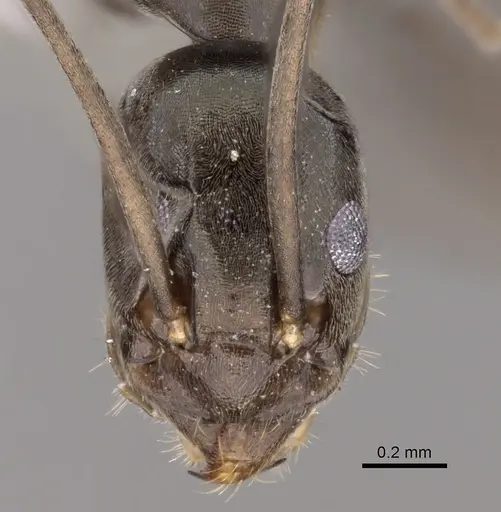
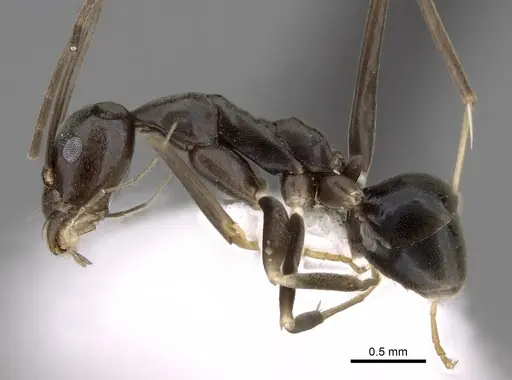
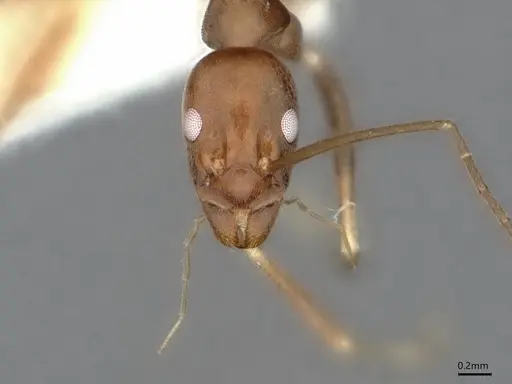
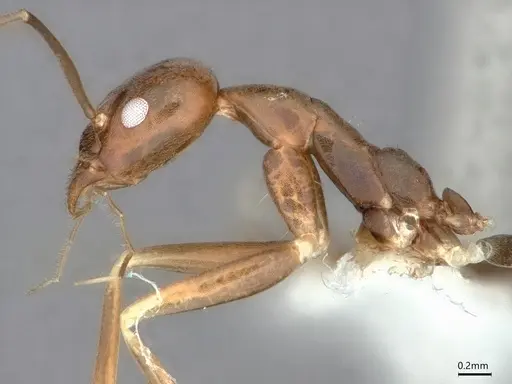
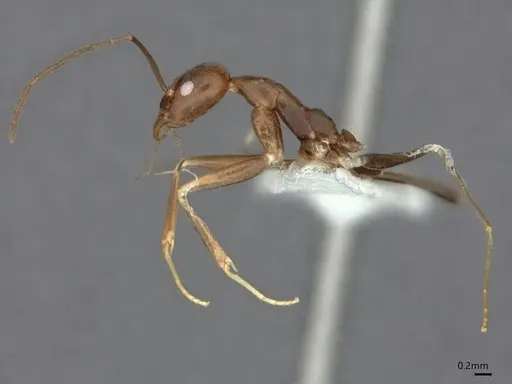
Leptomyrmex garretti is one of the smallest ant species in its genus, earning it the informal designation of 'micro-Leptomyrmex' . Workers have a honey-brown coloration with dense short appressed pilosity covering their body, and notably long antennae scapes that extend well beyond the back of the head . This species is restricted to rainforests and wet sclerophyll forests in Queensland, Australia, particularly around Mt. Lewis near Julatten and the Cape Tribulation area . What makes L. garretti stand out is its extremely small size combined with the genus-typical long legs, giving it a distinctive spider-like appearance. Unlike many other Leptomyrmex species that are large and bright orange, this species is subtly colored and easily overlooked. It forages both on the ground and up on vegetation, and nests under rocks in its natural habitat .
Quick Summary
- Difficulty: Medium
- Origin & Habitat: Rainforest and wet sclerophyll forests in Queensland, Australia (Mt. Lewis near Julatten, Cape Tribulation area, Mary Creek) [3][4]. Nests under rocks in damp, shaded areas [1].
- Colony Type: Colony structure is unconfirmed for this species. Based on typical Leptomyrmex patterns, likely single-queen colonies.
- Size & Growth:
- Queen: Size data unavailable, no queen measurements have been documented for this species.
- Worker: Worker size data unavailable, the research provides head measurements (0.61-0.75mm head width) but no total body length data for this species [1].
- Colony: Unknown, no colony size data is available for this species.
- Growth: Unknown, no development data available for this species.
- Development: Unconfirmed, no specific development data available for this species. (Development time is unknown.)
- Antkeeping:
- Temperature: Rainforest species from tropical Queensland, aim for 24-28°C. Avoid temperatures below 20°C or above 32°C.
- Humidity: High humidity preferred, rainforest species. Keep nest substrate consistently moist but not waterlogged. Provide a humidity gradient with a damp side and slightly drier area.
- Diapause: Unknown for this species. Tropical rainforest ants may not require true hibernation.
- Nesting: Natural nesting is under rocks in rainforest floor [1]. In captivity, a naturalistic setup with a moist substrate and flat stones or a Y-tong/plaster nest with tight chambers works well. Their tiny size means chambers should be appropriately scaled.
- Behavior: Active foragers that search both on the ground and on vegetation [1]. Uses chemical trails to recruit nestmates to food sources, similar to other Dolichoderinae. Temperament is non-aggressive, they are more likely to flee than fight. Escape prevention is critical due to their very small size, they can squeeze through standard test tube barriers. Use fine mesh and tight-fitting lids.
- Common Issues: escape prevention is critical, their tiny size allows them to squeeze through the smallest gaps, high humidity requirements mean mold can be a problem if ventilation is poor, small colony size makes them vulnerable to stress, handle gently and avoid disturbing the nest, lack of documented care information means you'll be pioneering husbandry for this species, wild-caught colonies may have parasites or diseases that can cause colony failure
Housing and Nest Setup
Leptomyrmex garretti is a tiny ant that requires appropriately scaled housing. In the wild, they nest under rocks on the rainforest floor where humidity stays consistently high [1]. For captivity, a naturalistic setup works well, use a container with moist substrate (like a soil/sand mix) and place flat stones or pieces of bark on top for them to nest under. Alternatively, a Y-tong or plaster nest with small, tight chambers can work, though you may need to modify chamber sizes to match their tiny scale. Whatever setup you choose, ensure excellent escape prevention, these ants are small enough to slip through standard barriers. Use fine mesh on any ventilation and check all seams regularly. Provide an outworld connected to the nest where foragers can search for food, they naturally forage on both ground and vegetation [1], so include some climbing structures.
Feeding and Diet
Based on typical Leptomyrmex feeding behavior and their rainforest habitat, these ants likely have a varied diet. They probably collect honeydew from aphids and scale insects, and hunt small prey. In captivity, offer sugar water (honey or sucrose solution) in a cotton wick or small test tube, replace every 2-3 days to prevent mold. For protein, offer tiny live prey like fruit flies, springtails, or small mealworm pieces. They may also accept other small insects. Feed protein sources 2-3 times per week, and keep sugar water available constantly. Remove any uneaten prey after 24 hours to prevent mold. Their small size means even tiny prey items are substantial, adjust portion sizes accordingly.
Temperature and Humidity
As a rainforest species from tropical Queensland, L. garretti needs warm and humid conditions. Keep the nest area at 24-28°C, a heating cable on one side of the nest can create a gentle gradient if your room temperature is cooler. Avoid temperatures below 20°C or above 32°C. Humidity should be high, the rainforest floor where they nest stays consistently damp [1]. Keep the substrate moist but not waterlogged, and allow some variation so ants can choose their preferred zone. Good ventilation is important to prevent mold, but avoid direct airflow that dries things out too quickly. A hygrometer near the nest can help you monitor conditions, aim for 70-85% relative humidity.
Colony Establishment and Growth
Since colony structure and founding behavior are unconfirmed for this species, establishing a colony will require some experimentation. If you obtain a founding queen, provide a small test tube or mini chamber with moist cotton and keep her in a dark, quiet location at around 26°C. Most Dolichoderinae are claustral (queen seals herself in and raises first workers alone), so expect her to remain inside a sealed chamber until her first workers emerge. Once workers arrive, you can connect a small outworld for foraging. Growth will likely be slow initially, these are tiny ants. Be patient and avoid disturbing the nest during the founding phase. If you acquire a wild-caught colony, inspect carefully for parasites before introducing them to your setup.
Behavior and Observation
Leptomyrmex garretti is an active forager that searches for food both on the ground and up on vegetation [1]. Workers likely use chemical pheromone trails to recruit nestmates to good food sources, similar to other Dolichoderinae ants. They have a non-aggressive temperament, when disturbed, they're more likely to flee than to bite or sting. Their very small size makes them challenging to observe in detail, but their long legs and antennae give them a distinctive spider-like appearance that makes them interesting to watch. They're not defensive and pose no danger to keepers. Their small size also means they're sensitive to vibrations and sudden movements, approach the colony gently to avoid stressing them.
Frequently Asked Questions
How long does it take for Leptomyrmex garretti to produce first workers?
The exact timeline is unconfirmed. No specific development data is available for this species.
Can I keep Leptomyrmex garretti in a test tube setup?
Yes, a test tube setup can work for founding colonies, but you'll need to ensure the tube has excellent escape prevention due to their tiny size. Use cotton to create a water reservoir and keep it humid. For established colonies, a small naturalistic setup or modified Y-tong nest may be better.
What do Leptomyrmex garretti eat?
Based on typical genus behavior, they likely accept sugar sources (honey water, sugar water) and small protein prey (fruit flies, springtails, tiny insects). Offer sugar water constantly and protein 2-3 times per week.
Are Leptomyrmex garretti good for beginners?
This species is rated Medium difficulty. While not aggressive, their tiny size creates challenges with escape prevention, and there's limited documented care information. Beginners may want to start with more established species before trying L. garretti.
How big do Leptomyrmex garretti colonies get?
Colony size is unconfirmed, no colony size data is available for this species.
Do Leptomyrmex garretti need hibernation?
This is unknown. As a tropical rainforest species, they may not require true hibernation.
Why are my Leptomyrmex garretti escaping?
Their tiny size allows them to squeeze through gaps that larger ants cannot. Use fine mesh (0.5mm or smaller), check all seams regularly, and ensure any connections between nest and outworld have barriers. Escape prevention must be excellent.
Can I keep multiple Leptomyrmex garretti queens together?
Colony structure is unconfirmed for this species. Leptomyrmex are typically single-queen colonies. Combining unrelated queens has not been documented and is not recommended.
What temperature should I keep Leptomyrmex garretti at?
Aim for 24-28°C. As a rainforest species from tropical Queensland, they prefer warm conditions. A gentle gradient allowing them to move between warmer and cooler areas is ideal.
Report an Issue
The current care sheet is based fully on literature. See inconsistencies, or something that's incorrect? Please , it will be resolved after review from an admin. Contributing to the blogs tab also helps providing information, to make us be able to further improve the caresheets. Thank you for your support!
References

Este guia de cuidados está sob a licença CC BY-SA 4.0 .
Posts da comunidade
CASENT0127168
Ver no AntWeb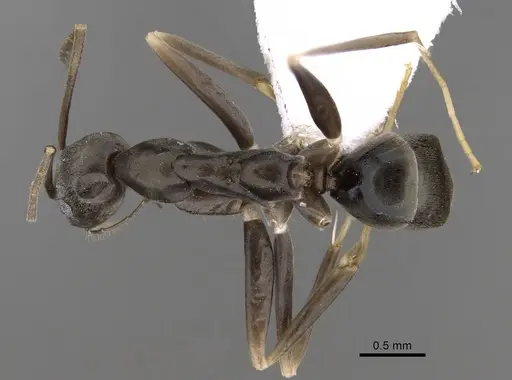
CASENT0841235
Ver no AntWeb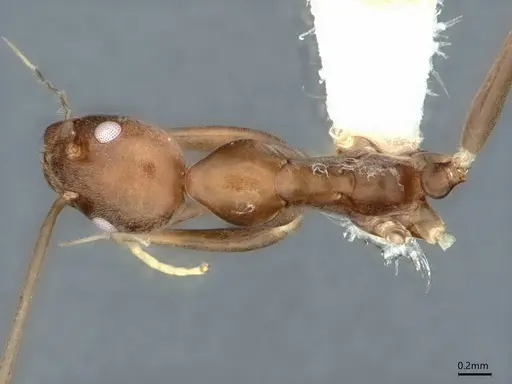
Literatura
Carregando mapa de distribuição...Carregando produtos...