
Leptogenys voeltzkowi
- Nome científico
- Leptogenys voeltzkowi
- Tribo
- Ponerini
- Subfamília
- Ponerinae
- Autor
- Forel, 1897
- Distribuição
- Encontrada em 1 países
Introdução
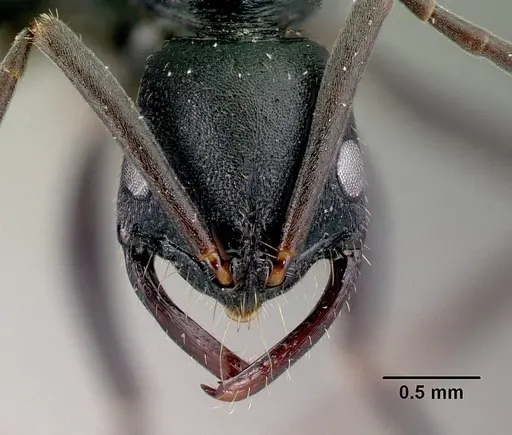
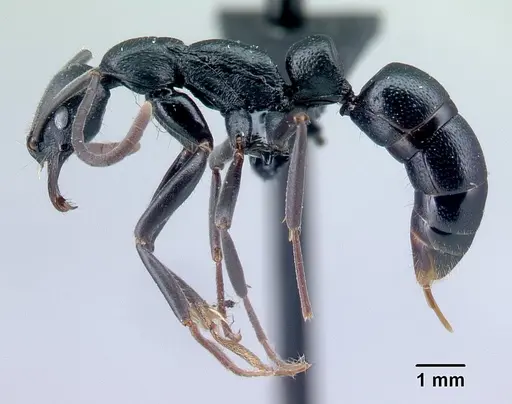
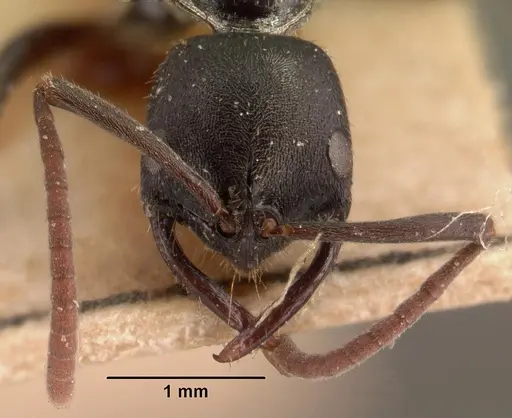
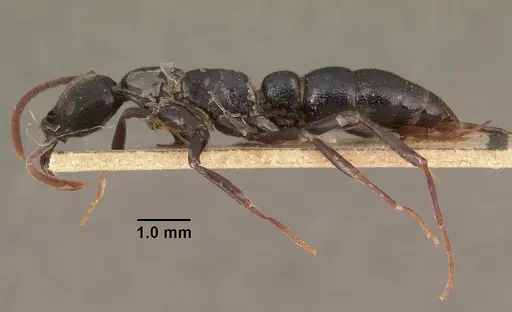
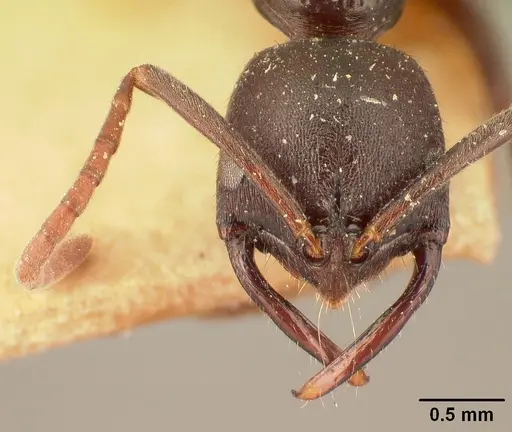
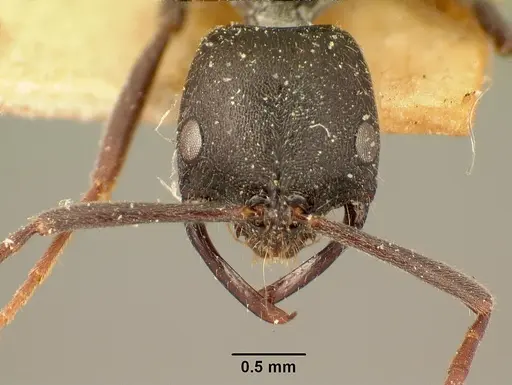
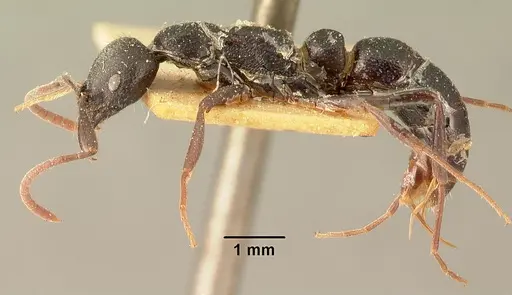
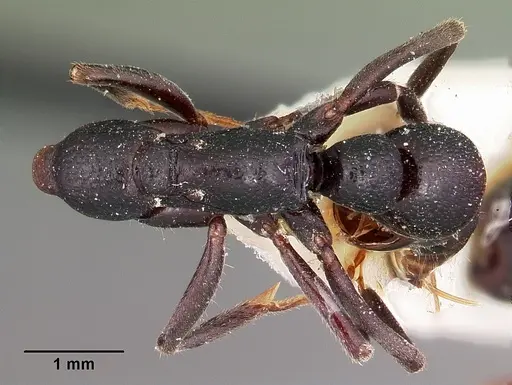
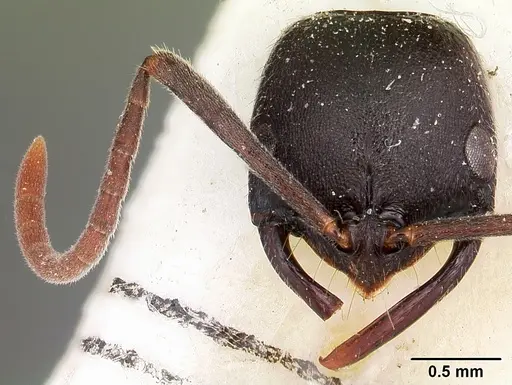
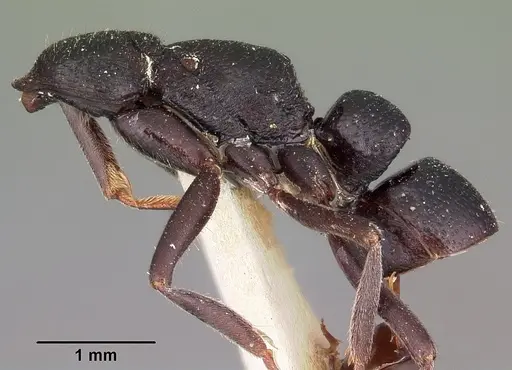
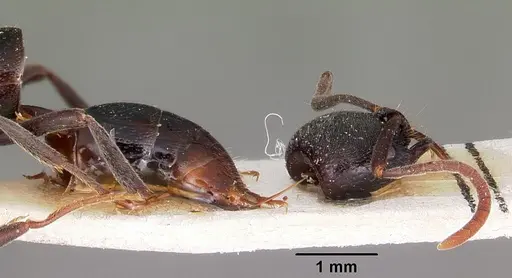
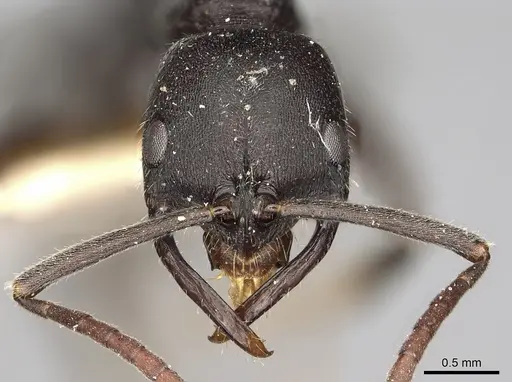
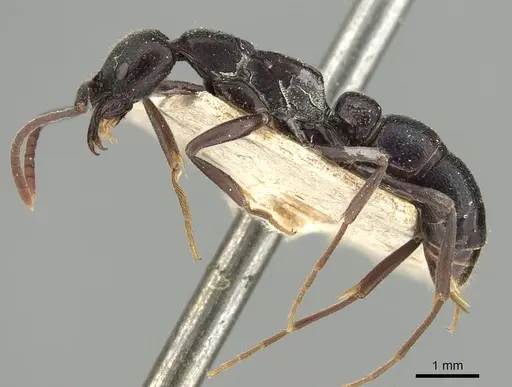
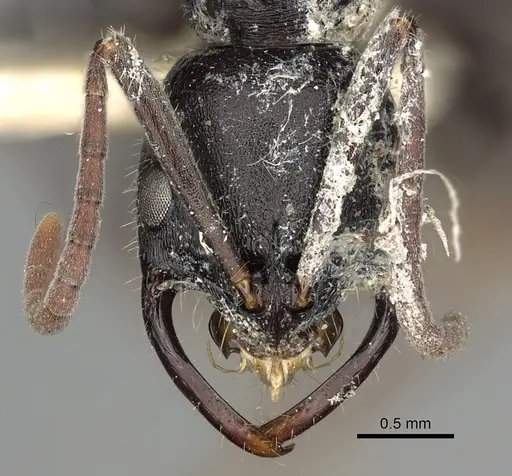
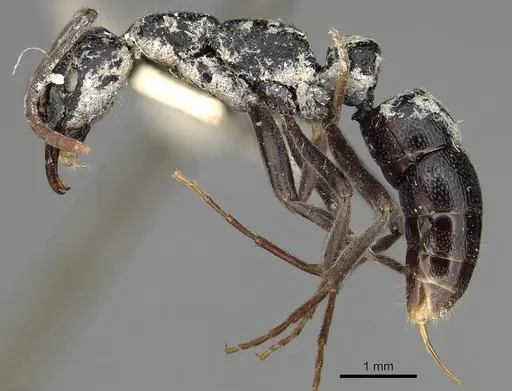
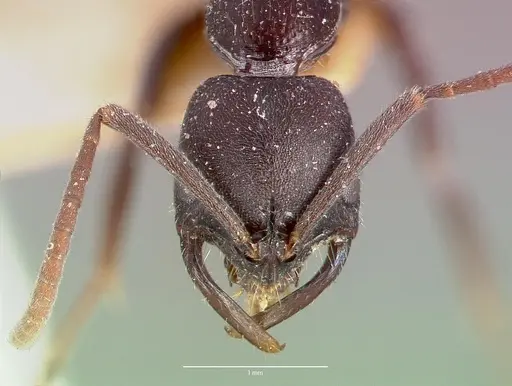
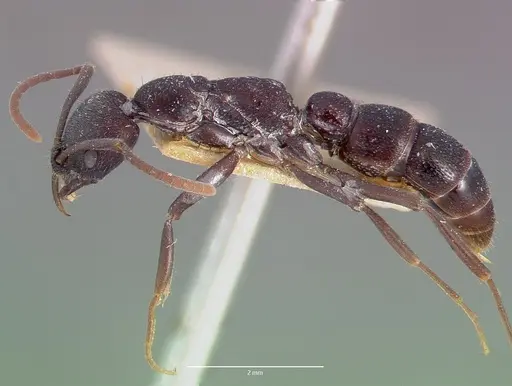
Leptogenys voeltzkowi is a medium-sized predatory ant endemic to Madagascar. Workers have a distinctive black body with dark brown appendages that lighten toward the tips . This species belongs to the Ponerinae subfamily, known for their potent stings and active hunting behavior. They inhabit the dry, transitional humid, lowland, and littoral forests in northern and northeastern Madagascar, where they forage through leaf litter and nest in rotten wood or under rocks . The species is part of the voeltzkowi complex within the incisa species group, identified by their short standing hairs on the body and eyes that don't break the outline of the head .
Quick Summary
- Difficulty: Medium
- Origin & Habitat: Endemic to Madagascar, specifically the dry, transitional humid, lowland, and littoral forests in the north and northeast of the island. Type locality is Nosy-be (Nossi-Bé) island [1][2].
- Colony Type: Colony structure is unconfirmed. No specific data on queen number or colony social structure exists for this species.
- Size & Growth:
- Queen: Size data unavailable, no measurements documented for queens
- Worker: Size data unavailable, the research provides head measurements (1.30-1.59mm width) but not total body length. Inferred from Leptogenys genus as medium-sized ants (~6-9mm)
- Colony: Size data unavailable
- Growth: Unknown
- Development: Unknown, no species-specific development data exists (Development time has not been documented for this species.)
- Antkeeping:
- Temperature: Keep around 24-28°C. These are tropical forest ants from Madagascar that prefer warm conditions. A heating cable on one side of the nest creates a suitable gradient.
- Humidity: Moderate to high, they inhabit forest leaf litter. Keep nest substrate moist but not waterlogged. Provide a gradient with slightly drier areas for workers to regulate moisture themselves.
- Diapause: No, as a tropical species from Madagascar, they do not require hibernation. Maintain consistent temperatures year-round.
- Nesting: In captivity, they do well in Y-tong (AAC) nests or plaster nests that retain moisture. They prefer tight chambers scaled to their medium size. Natural nesting is in rotten wood and under rocks, so include some decaying wood material or a textured surface in the outworld.
- Behavior: Leptogenys voeltzkowi is a predatory ant that hunts through leaf litter. Like other Ponerines, they are active foragers with a potent sting for subduing prey. Workers are medium-sized and can deliver a painful sting if handled roughly. They are not aggressive toward humans unless threatened, but will defend their nest. Escape prevention is important, use standard barriers but they are not particularly known for escaping. They are primarily nocturnal or crepuscular foragers, so expect most activity during evening hours.
- Common Issues: Predatory nature means they require live prey, cannot survive on sugar water alone, Lack of species-specific care data means keepers must rely on general Ponerine husbandry, Tropical temperature requirements mean colonies can decline if kept too cool, Wild-caught colonies may have parasites that are difficult to treat in captivity, Limited availability makes this species challenging to acquire
Housing and Nest Setup
Leptogenys voeltzkowi does well in Y-tong (AAC) nests or plaster nests that hold humidity well. These are medium-sized ants, so chambers should be appropriately scaled. The nest should have a water reservoir to maintain humidity without frequent misting. In the outworld, include some leaf litter or decaying wood material to mimic their natural foraging environment. A dark background helps them feel secure since they naturally forage in shaded forest floor habitats. Standard escape prevention with fluon barriers on the outworld works well for this species. [1]
Feeding and Diet
As a Ponerine ant, Leptogenys voeltzkowi is primarily predatory. They hunt and subdue prey using their sting, so their diet should consist mainly of live small invertebrates. Suitable prey includes fruit flies, small crickets, mealworms, and other small arthropods. Unlike many ants, they are not heavily reliant on sugar sources. You can offer occasional sugar water or honey, but do not expect them to readily accept it. Feed them prey items 2-3 times per week, adjusting based on colony size and consumption rate. Remove uneaten prey after 24-48 hours to prevent mold. [1]
Temperature and Seasonal Care
These tropical ants require consistent warmth. Maintain temperatures between 24-28°C for optimal colony health and brood development. A heating cable placed on top of the nest creates a thermal gradient. Avoid temperatures below 22°C for extended periods as this can slow colony growth and weaken the ants. Since they come from Madagascar's forests, they do not require any diapause or winter cooling period. Keep them at stable temperatures year-round. [1]
Behavior and Temperament
Leptogenys voeltzkowi is an active, predatory ant with distinct hunting behavior. Workers forage individually through leaf litter, searching for small invertebrates to sting and subdue. They are not aggressive toward humans but will defend their nest if threatened. The sting is potent for their size, expect a noticeable sting if you handle them roughly or they feel trapped. They are primarily nocturnal or crepuscular, so you'll see most activity during evening and night hours. Colonies are moderately defensive. [1]
Colony Founding
Colony founding for this species has not been directly documented. No data exists on whether the queen is claustral or semi-claustral. If you find a founding queen, provide her with small live prey items and keep the founding chamber humid and dark. Expect a longer founding period given the lack of species-specific data. [1]
Frequently Asked Questions
Can I keep Leptogenys voeltzkowi in a test tube?
Test tubes can work for founding colonies but are not ideal long-term. These ants need space to hunt and forage, so transition to a proper nest (Y-tong or plaster) once the colony reaches 10-15 workers. Test tubes dry out quickly and don't provide room for hunting behavior.
What do Leptogenys voeltzkowi ants eat?
They are predatory ants that need live prey. Feed small live insects like fruit flies, pinhead crickets, small mealworms, or other tiny arthropods. They are not sugar-dependent like many ant species. Offer prey 2-3 times per week.
How long until first workers appear?
Unknown, no species-specific development data exists for this species. Expect it to take several months based on general Ponerine patterns.
Are Leptogenys voeltzkowi good for beginners?
They are rated as medium difficulty. They are not the best choice for complete beginners because they require live prey, specific temperature conditions, and there is limited species-specific care data available. However, they can be rewarding for keepers experienced with predatory ant species.
Do Leptogenys voeltzkowi need hibernation?
No, they do not need hibernation. As tropical ants from Madagascar, they require consistent warm temperatures year-round. Do not cool them down in winter, maintain 24-28°C for healthy colony development.
When should I move them to a formicarium?
Move to a proper nest (Y-tong, plaster, or naturalistic setup) once the colony reaches 10-20 workers. Test tubes become cramped and can dry out. The transition should include their existing nest material to help them acclimate.
How big do Leptogenys voeltzkowi colonies get?
Colony size is not well documented for this species. No specific data exists on maximum colony size.
Can I keep multiple queens together?
Not recommended. Combining unrelated queens of this species has not been documented and would likely result in fighting.
Why are my Leptogenys voeltzkowi dying?
Common causes include: temperatures below 22°C, lack of live prey, too dry conditions, or parasites from wild-caught colonies. Ensure proper heating, provide live prey regularly, and maintain humidity. If the colony is declining, review temperature and food sources first.
Report an Issue
The current care sheet is based fully on literature. See inconsistencies, or something that's incorrect? Please , it will be resolved after review from an admin. Contributing to the blogs tab also helps providing information, to make us be able to further improve the caresheets. Thank you for your support!
References

Este guia de cuidados está sob a licença CC BY-SA 4.0 .
Posts da comunidade
CASENT0077685
Ver no AntWeb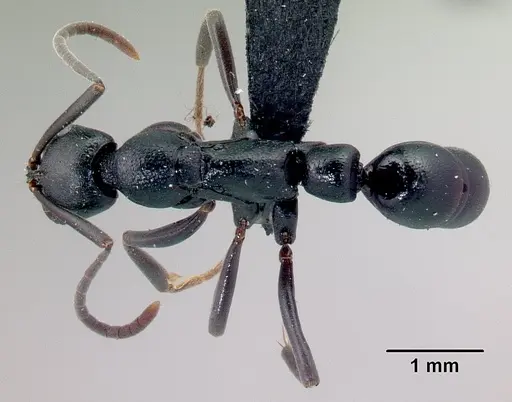
CASENT0101398
Ver no AntWeb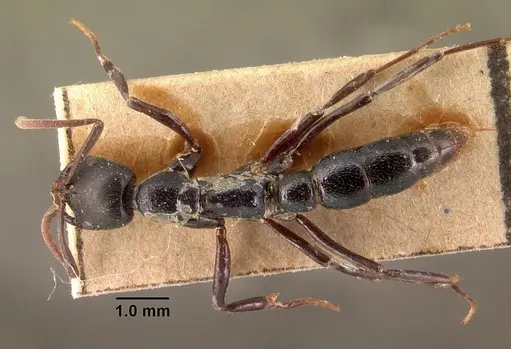
CASENT0101888
Ver no AntWeb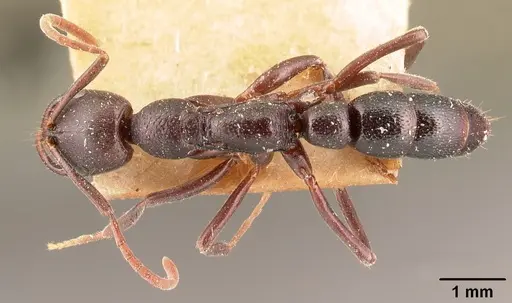
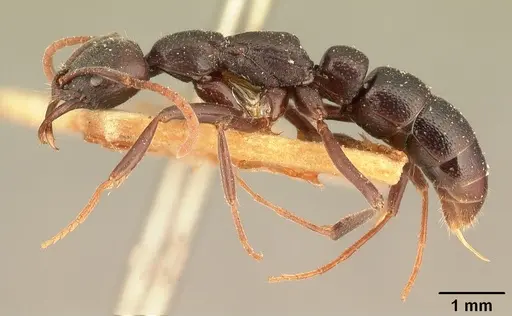
CASENT0101947
Ver no AntWeb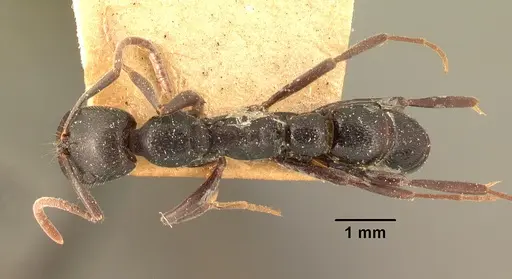
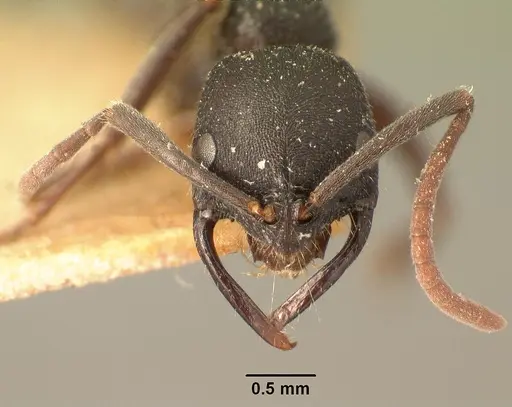
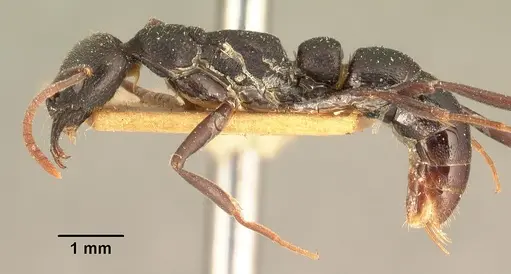
CASENT0101989
Ver no AntWeb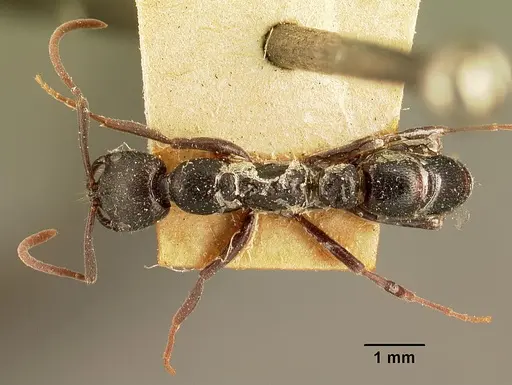
CASENT0104564
Ver no AntWeb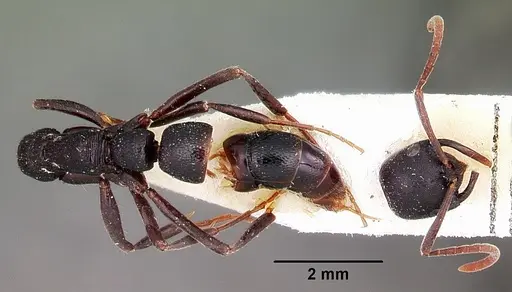
CASENT0280599
Ver no AntWeb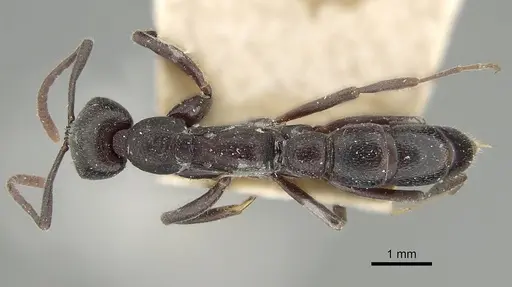
CASENT0280601
Ver no AntWeb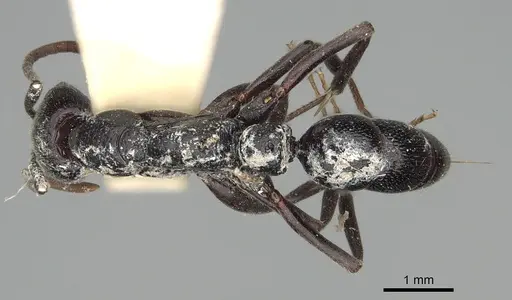
MCZTYPE20493
Ver no AntWeb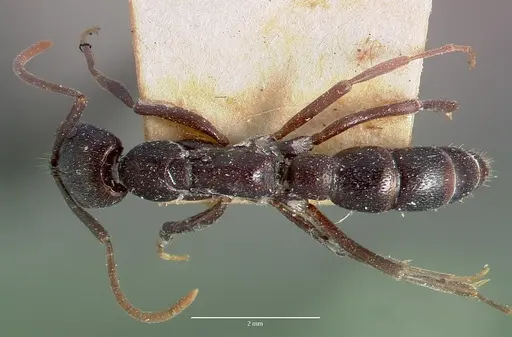
Literatura
Carregando mapa de distribuição...Carregando produtos...