
Leptogenys myops
- Nome científico
- Leptogenys myops
- Tribo
- Ponerini
- Subfamília
- Ponerinae
- Autor
- Emery, 1887
- Distribuição
- Encontrada em 2 países
Introdução
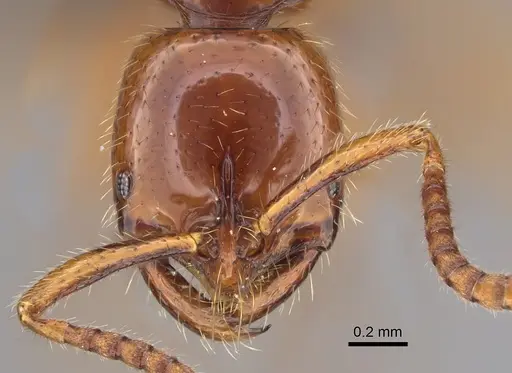
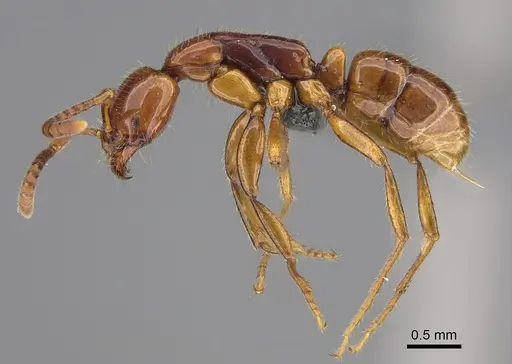
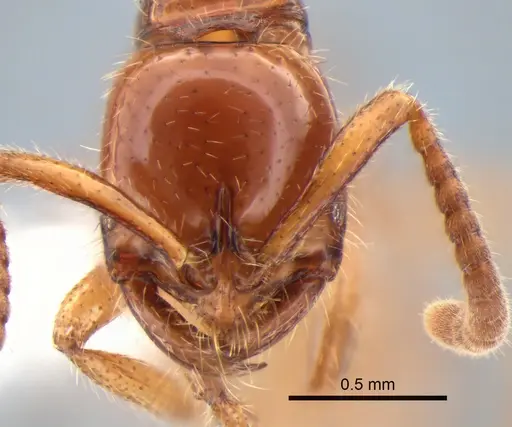
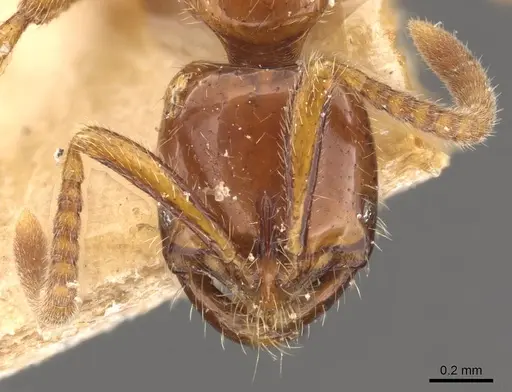
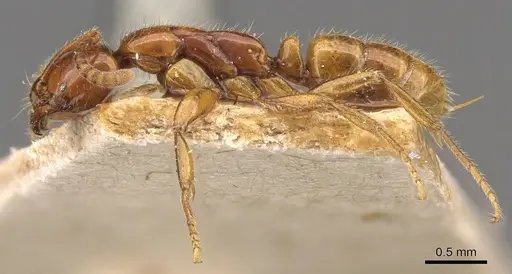
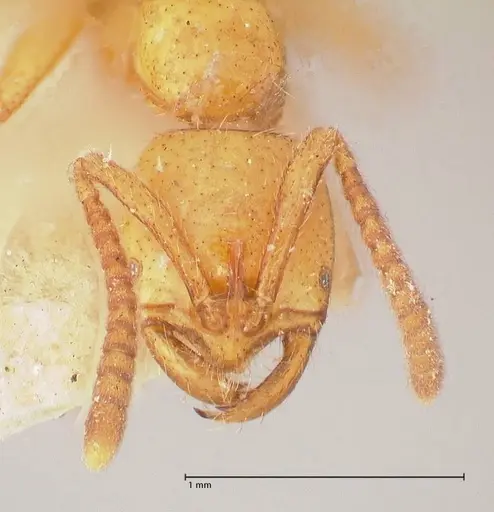
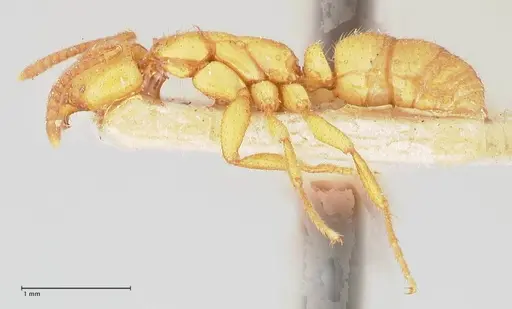
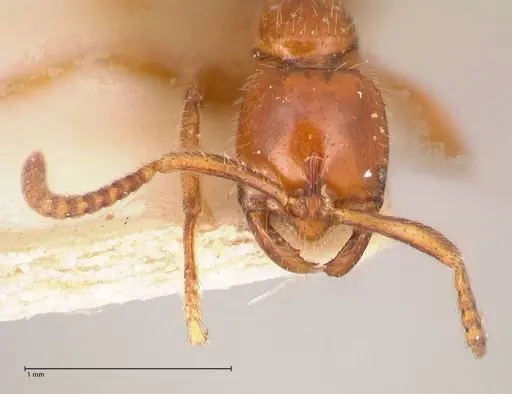
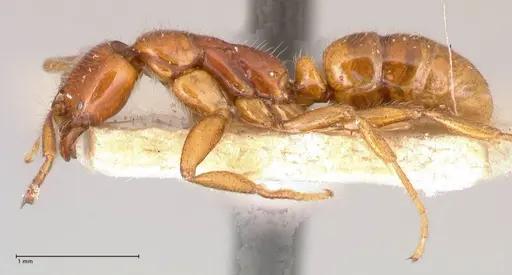
Leptogenys myops is a small predatory ant native to Southeast Asia. It is found across Indonesia (Java, Borneo), Malaysia, Singapore, Thailand, and Sabah. Workers are about 4mm long, with a rusty reddish-brown body, a square head, very small eyes, and strongly curved mandibles that point backward . They nest in soil in dry dipterocarp and mixed-deciduous forests . Like other Leptogenys, they are active hunters that may prey on millipedes and other small arthropods. A key feature is their ergatoid (wingless) queens – these are larger than workers and serve as replacement reproductives. Colonies are monogynous (single queen) and reproduce by fissioning (splitting) rather than through nuptial flights .
Quick Summary
- Difficulty: Medium
- Origin & Habitat: Southeast Asia: Indonesia (Java), Malaysia, Singapore, Thailand, Borneo. Found in dry dipterocarp and mixed-deciduous forests, nesting in soil at ground level [3][7].
- Colony Type: Monogyne – single-queen colonies with ergatoid (wingless) replacement queens. Colonies reproduce by fissioning (splitting), not by producing winged queens for nuptial flights [4][5].
- Size & Growth:
- Queen: Ergatoid queens are larger than workers, exact body length not documented. Head data not used for body size [6].
- Worker: 4mm (total length) [1]
- Colony: Maximum unknown, but sample collections in Sabah totaled 14 individuals [2]. Based on genus patterns, colonies likely reach several hundred workers.
- Growth: Moderate – typical of ponerine species in tropical conditions
- Development: Estimated 6–8 weeks at 24–28°C (Development timing inferred from similar ponerine species, not specifically documented for Leptogenys myops.)
- Antkeeping:
- Temperature: Keep at 24–28°C year-round. As a tropical species, they need consistent warmth. Use a heating cable on one side of the nest if room temperature is below this range [7].
- Humidity: Moderate to high – they live in forest floor soil. Keep the nest substrate consistently moist but not waterlogged. Provide a water tube in the outworld.
- Diapause: No – tropical species, no winter cooling needed. Maintain warm temperatures all year.
- Nesting: Soil-nesting species. Use a naturalistic setup with moist substrate (soil or soil–sand mix), or Y-tong/plaster nests that hold humidity. They prefer tight, enclosed chambers mimicking their natural soil nests.
- Behavior: Active predators that hunt individually on the forest floor. Workers are moderately defensive and will sting, but the sting is too mild to bother humans. They are fast-moving and can squeeze through small gaps – use standard escape prevention (fluon, tight lids). They are not climbers and are safe to handle gently.
- Common Issues: colonies stop brood development if temperatures drop below 22°C – keep them warm, substrate drying out causes stress – maintain consistent moisture, ergatoid queen system means no winged reproductives, colony propagation is through fissioning only, need a steady supply of small live prey – not just sugar water, small colonies at purchase may require careful feeding to boost growth
Housing and Nest Setup
Leptogenys myops nests in soil, so a naturalistic setup works best. Use a mix of 70% soil and 30% sand to create a substrate that holds moisture and allows tunneling. Alternatively, Y-tong or plaster nests with narrow chambers are suitable, especially if you fill them with moist soil to mimic natural conditions. Avoid long‑term use of bare test tubes – they prefer digging. Provide an outworld (a simple plastic box) for foraging. Ensure tight seals on all connections, as workers are active and may explore for gaps. Good ventilation is needed to prevent mold [3][4][5].
Feeding and Diet
This species is a predator and needs live protein prey. In the wild, they hunt small arthropods like millipedes. In captivity, offer small live insects such as fruit flies, small crickets, mealworms, and termites. Feed 2–3 times per week and remove uneaten prey after 24 hours. They may also accept honey or sugar water as a supplement, but protein should be the main food. Always have fresh water available. There is no recorded information on their specific prey preferences, so observe what they take readily.
Temperature and Seasonal Care
Being tropical, they need warm conditions all year. Keep the nest at 24–28°C. If your room is cooler, use a heating cable on top of the nest (never underneath) to create a warm zone. They become sluggish and stop brood development below 22°C. No hibernation or diapause needed – maintain consistent warmth year‑round [7][4].
Colony Structure and Reproduction
Colonies have a single queen (monogynous). The queen is ergatoid – wingless and worker‑like but larger. If the primary queen dies, one of the ergatoid queens can take over, keeping the colony alive. Queens have 32–34 ovarioles, while workers have only 3,showing clear reproductive division of labor [6]. Workers do not have a spermatheca and cannot mate [8]. Colonies reproduce by fissioning: a portion of workers and one queen split off to form a new nest. Winged reproductives do not occur [4][5].
Behavior and Temperament
Leptogenys myops is an active, individually foraging predator. Workers search alone rather than using mass recruitment trails. They are moderately defensive and will sting if the nest is disturbed, but the sting is too weak to cause significant pain to humans. They are not aggressive toward keepers and can be handled gently. Workers are fast and relatively long‑legged. They are not strong climbers but will try to escape through small openings – use fluon or tight lids. They establish a central nest chamber and expand tunnel systems as the colony grows.
Frequently Asked Questions
How long does it take for Leptogenys myops to produce first workers?
Based on typical ponerine development, expect about 6–8 weeks from egg to worker at 24–28°C. Exact timing has not been documented for this species, so this is an estimate.
Can I keep multiple Leptogenys myops queens together?
No. This species is monogynous – only one queen per colony [4][5]. Ergatoid replacement queens only appear to replace a dead queen, not to form multi‑queen colonies. Do not combine unrelated queens.
What do Leptogenys myops eat?
They need live protein prey. Offer small insects like fruit flies, small crickets, mealworms, and termites. They may accept honey or sugar water as a supplement, but protein is essential. No specific dietary studies are available for this species.
Are Leptogenys myops good for beginners?
Rated medium difficulty. They need warm temperatures year‑round, regular live prey feeding, and a naturalistic soil nest. Not ideal for absolute beginners, but manageable if you can provide proper heating and feeding.
How big do Leptogenys myops colonies get?
The maximum colony size is not well documented. Based on related Leptogenys species and sample collections (14 individuals from Sabah [2]), colonies likely reach several hundred workers.
Do Leptogenys myops need hibernation?
No. As a tropical species, they do not require hibernation. Keep them warm (24–28°C) all year [7].
When should I move Leptogenys myops to a formicarium?
Move them when the colony outgrows the test tube or founding container (typically 20–30 workers). A soil‑based or Y‑tong/plaster setup that retains humidity is best. They need room to tunnel.
Why are my Leptogenys myops dying?
Common causes include temperatures below 22°C, dried‑out substrate, lack of live prey, and frequent disturbance. First check temperature and humidity, then ensure you provide adequate live protein.
Report an Issue
The current care sheet is based fully on literature. See inconsistencies, or something that's incorrect? Please , it will be resolved after review from an admin. Contributing to the blogs tab also helps providing information, to make us be able to further improve the caresheets. Thank you for your support!
References

Este guia de cuidados está sob a licença CC BY-SA 4.0 .
Posts da comunidade
CASENT0281925
Ver no AntWeb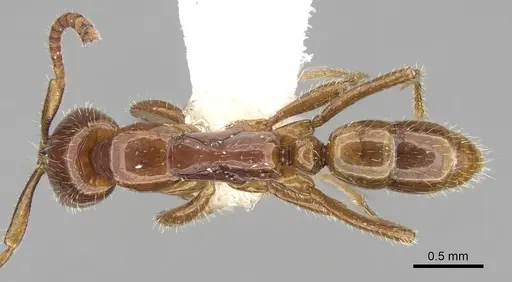
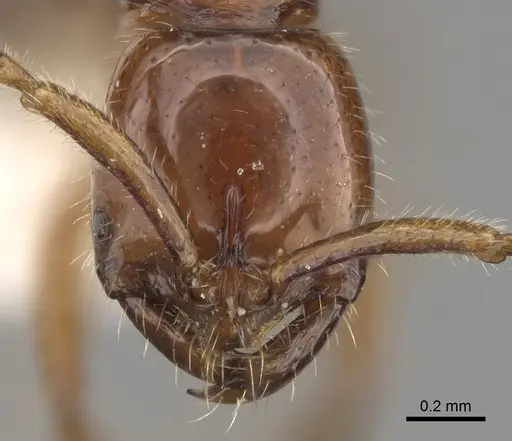
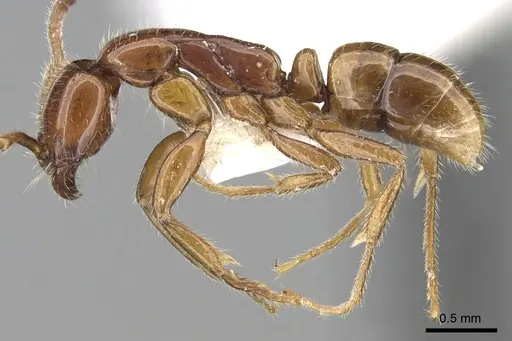
CASENT0384495
Ver no AntWeb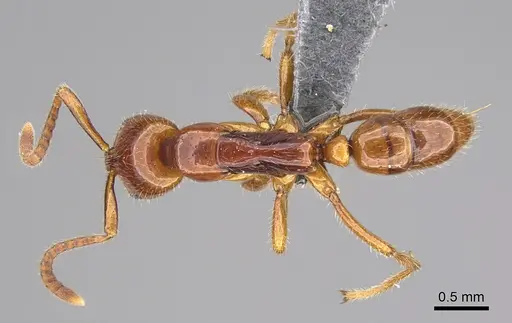
CASENT0882184
Ver no AntWeb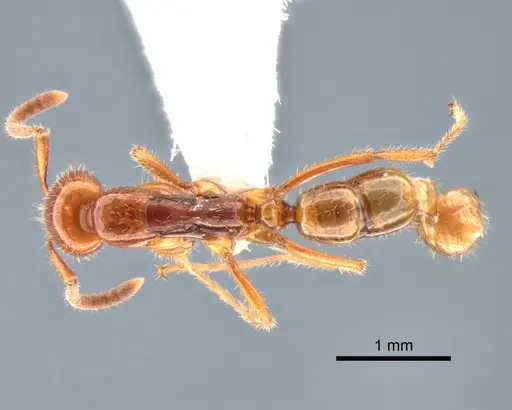
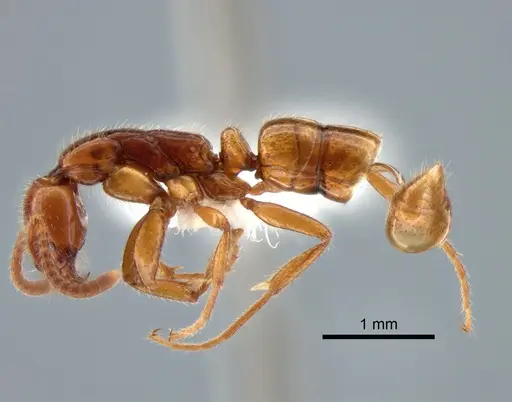
CASENT0903952
Ver no AntWeb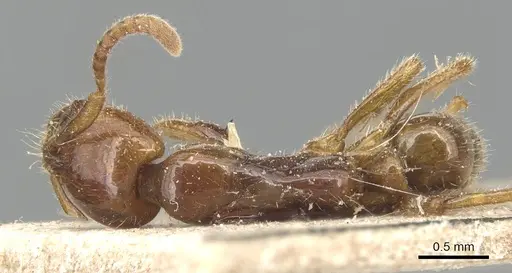
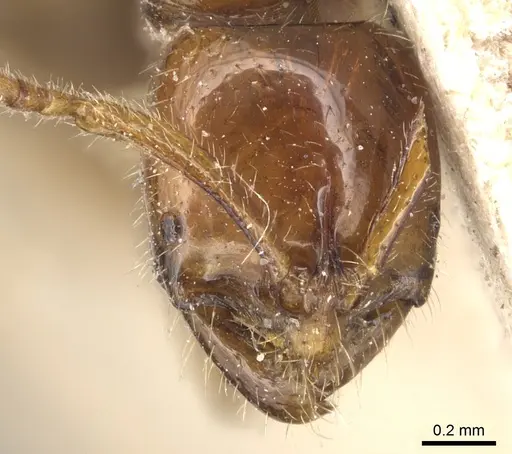
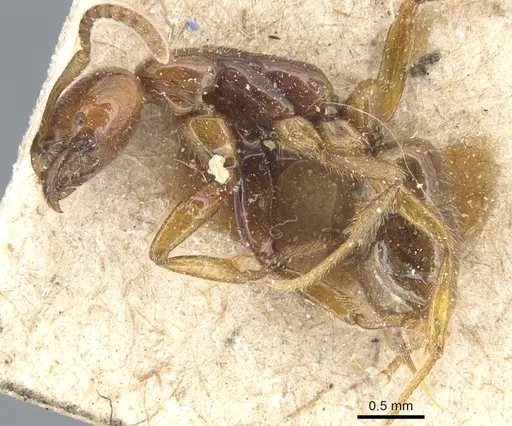
CASENT0907293
Ver no AntWeb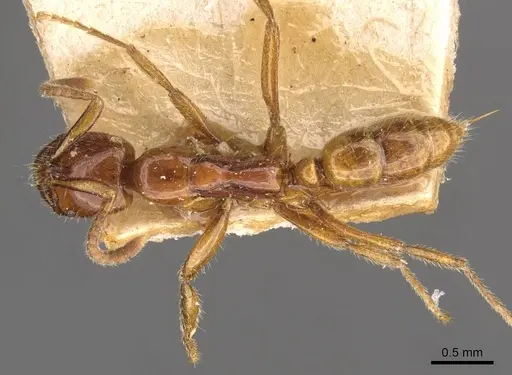
FOCOL1012
Ver no AntWeb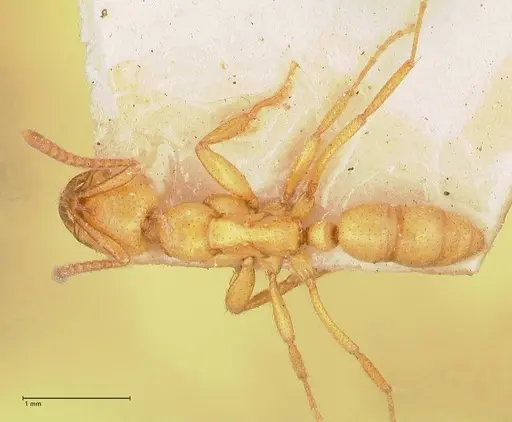
FOCOL1013
Ver no AntWeb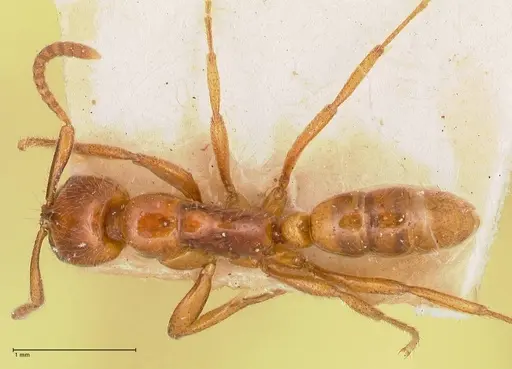
Literatura
Carregando mapa de distribuição...Carregando produtos...