
Leptogenys johary
- Nome científico
- Leptogenys johary
- Tribo
- Ponerini
- Subfamília
- Ponerinae
- Autor
- Rakotonirina & Fisher, 2014
- Distribuição
- Encontrada em 1 países
Introdução
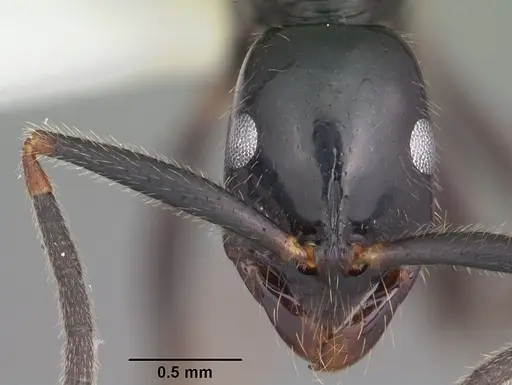
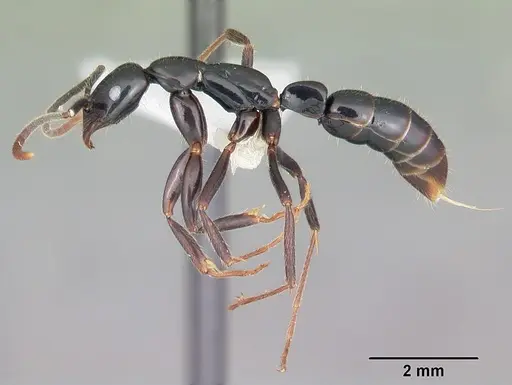
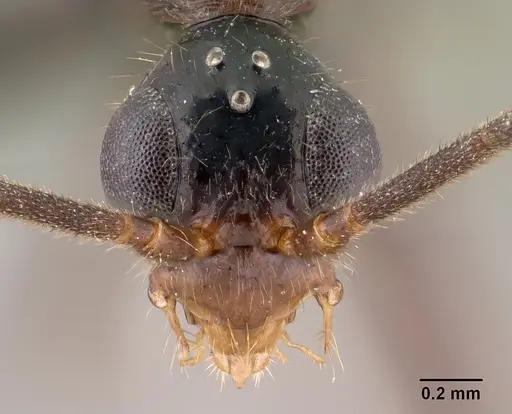
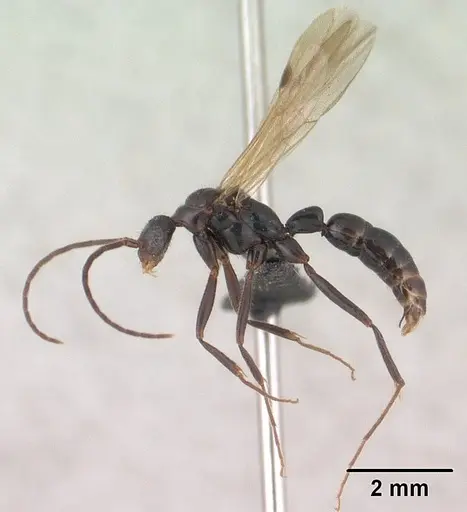
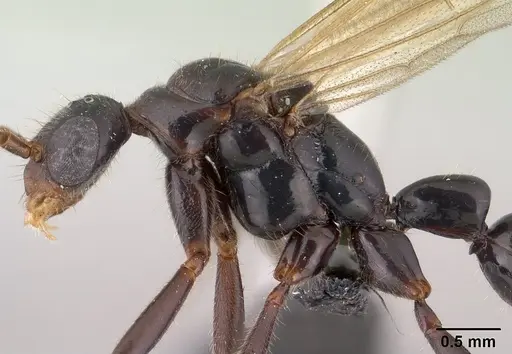
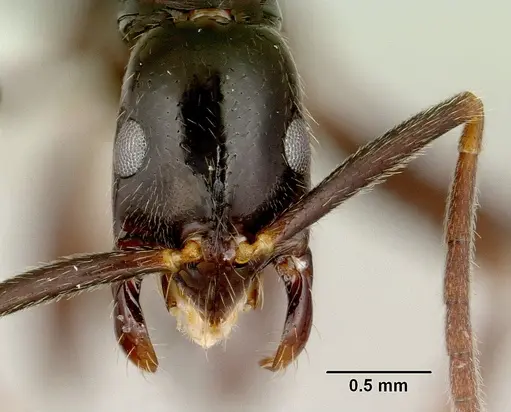
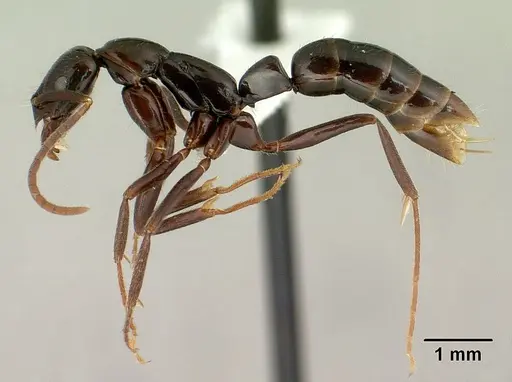
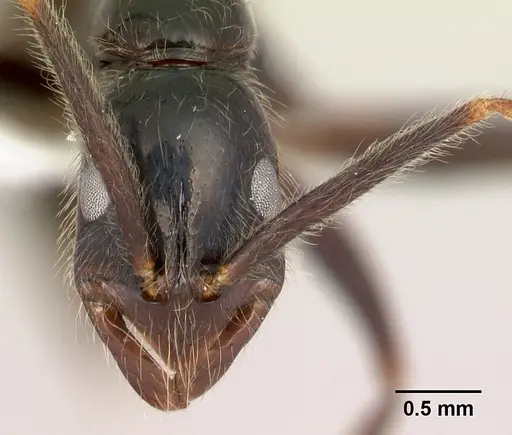
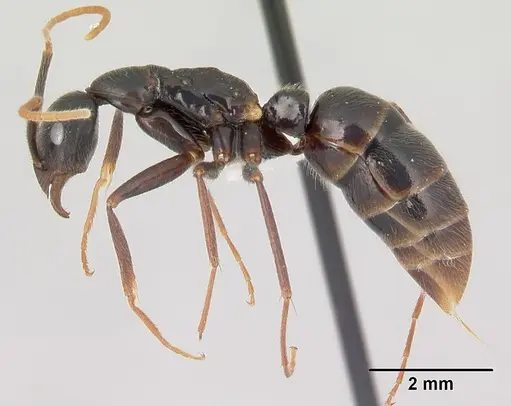
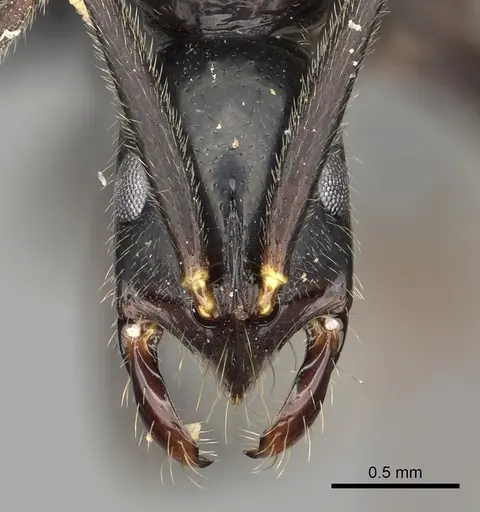
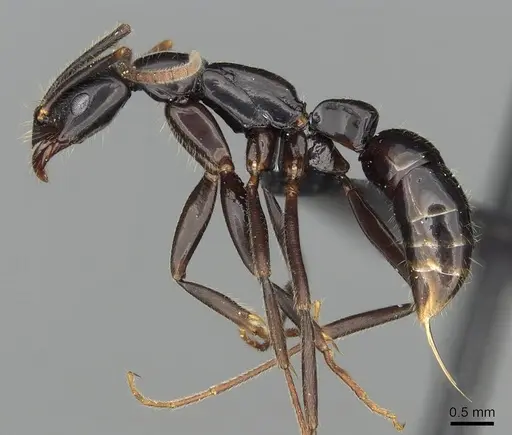
Leptogenys johary is a small predatory ant species native to Madagascar, belonging to the Ponerinae subfamily. Workers have a distinctive elongated appearance with a remarkably long and narrow petiolar node, large eyes that break the outline of their head, and antennae with the third segment twice as long as the second. Their body is brown to dark brown with lighter-colored legs and antennae . This species lives in montane rainforests across eastern Madagascar at elevations between 470-960 meters. Workers forage on the forest floor and in leaf litter, hunting small prey. One nest has been documented under a rock, suggesting they prefer enclosed, humid nesting sites . As a Ponerine ant, they are predatory with a functional stinger, though their small size means any sting would be mild.
Quick Summary
- Difficulty: Medium
- Origin & Habitat: Eastern Madagascar montane rainforests at elevations of 470-960 meters. Found in PN Masoala (800-897m), Makira rainforest (470-600m), RNI Betampona (525-550m), and FC Didy (960m) [1].
- Colony Type: Colony structure is unconfirmed. Limited field data suggests small colony sizes.
- Size & Growth:
- Queen: Size data unavailable, inferred from Leptogenys genus to be approximately 5-7mm
- Worker: Approximately 5-6mm total length, inferred from Leptogenys genus patterns [1]
- Colony: Likely small colonies based on limited forager observations
- Growth: Moderate, Ponerines typically develop slower than many common ant species
- Development: Development time is unconfirmed for this species (Ponerine ants often have longer development times than common house ants.)
- Antkeeping:
- Temperature: Keep around 20-24°C. As a montane rainforest species from Madagascar, they prefer cooler conditions than tropical ants.
- Humidity: High humidity required, aim for 70-85%. These ants come from damp forest floor environments. Keep the nest substrate consistently moist but not waterlogged.
- Diapause: Diapause requirements are unconfirmed for this species. Madagascar montane forests experience seasonal temperature changes.
- Nesting: Naturalistic setups with moist substrate work well. They nested under a rock in the wild, so covered nest chambers with humid soil or a Y-tong/plaster nest with good moisture retention suits them.
- Behavior: These are active, predatory foragers that hunt on the forest floor. They likely use chemical trails to recruit nestmates to prey items. Their small size and preference for leaf litter environments means they are not aggressive toward humans but will defend their nest if threatened. Escape prevention is critical due to their tiny size, they can squeeze through standard test tube cotton if given the opportunity.
- Common Issues: escape prevention is critical due to their very small size, they easily slip through gaps that larger ants cannot, high humidity requirements can lead to mold if ventilation is poor, balance is essential, predatory diet means they need constant access to live small prey, sugar alone will not sustain them, slow colony growth can frustrate beginners, Ponerines develop more slowly than common ants, caught workers may be foragers rather than queens, wild colonies are difficult to locate
Housing and Nest Setup
For this tiny species, you'll need to think small. Test tubes with fine mesh barriers work for founding colonies, but due to their size, standard cotton can allow escapes, consider using cotton with additional barrier methods. A naturalistic setup with moist soil and leaf litter mimics their natural forest floor habitat best. Y-tong nests or plaster nests with small chambers work well since they hold humidity while providing dark, enclosed spaces. The key is maintaining high humidity without stagnation, use adequate ventilation to prevent mold while keeping the substrate damp. A water reservoir connected to the nest helps maintain consistent moisture. Because they forage on the forest floor, provide a shallow outworld with substrate they can forage through. [1]
Feeding and Diet
Leptogenys johary is a predatory ant, meaning they hunt and eat other small invertebrates. In captivity, their primary food should be small live prey such as fruit flies, springtails, and other micro-arthropods. They are too small to take down large prey items, focus on tiny insects. Unlike many ants, they are unlikely to accept sugar water or honey as a primary food source, though you can offer it occasionally. Feed them small prey items 2-3 times per week, removing any uneaten prey within 24 hours to prevent mold. Their hunting behavior means they need an outworld where they can actively pursue prey, not just scavenge. [1]
Temperature and Seasonal Care
As a montane rainforest species from Madagascar, Leptogenys johary prefers cooler temperatures than typical tropical ants. Keep their nest around 20-24°C, with a slight gradient so they can choose their preferred spot. Room temperature in most homes should work fine, but avoid placing them near heat sources that would push temperatures above 26°C. They come from elevations up to 960m where temperatures are cooler than lowland Madagascar, so they are not heat tolerant. [1]
Behavior and Colony Dynamics
These ants are active foragers that hunt individually on the forest floor. They likely use chemical pheromone trails to recruit nestmates to good hunting grounds, similar to other Leptogenys species. Workers are not aggressive toward humans but will defend their nest if threatened. Their small size means they are excellent escape artists, even standard test tube cotton can allow them through. Always use multiple barrier methods and fine mesh. Colonies appear to stay relatively small based on field observations. As Ponerines, they have a functional stinger, but due to their tiny size, any sting would be negligible to humans. [1]
Frequently Asked Questions
How long does it take for Leptogenys johary to produce first workers?
Development time is unconfirmed for this species. Ponerine ants typically develop more slowly than common house ants like Lasius, but exact timing for L. johary has not been documented.
Can I keep Leptogenys johary in a test tube?
Yes, test tubes work for founding colonies, but you must use excellent escape prevention. Their tiny size means they can squeeze through standard cotton, use fine mesh barriers on any ventilation holes and check connections frequently. A naturalistic setup with moist soil may be better long-term.
What do Leptogenys johary ants eat?
They are predatory ants that need live small prey. Feed them fruit flies, springtails, tiny mites, and other micro-arthropods. They are unlikely to accept sugar water as a primary food. Remove uneaten prey within 24 hours to prevent mold.
Are Leptogenys johary good for beginners?
This species is intermediate in difficulty. Their small size and escape risk make them challenging for complete beginners, but their simple dietary needs and moderate temperature requirements are manageable. Expect slower growth than easier species.
Do Leptogenys johary need hibernation?
Diapause requirements are unconfirmed for this species. However, Madagascar montane forests do experience seasonal temperature changes, so a slight cool period may be beneficial.
How big do Leptogenys johary colonies get?
Based on limited field data, colonies likely remain small. They appear to be a small colony species compared to many common ants.
Why are my Leptogenys johary escaping?
Their tiny size makes them excellent escape artists. Use fine mesh (at least 0.5mm or smaller), check all connections regularly, and consider double barriers. Even small gaps in tubing connections can allow escapes.
Can I keep multiple queens together?
Not recommended. Colony structure is unconfirmed for this species, but multi-queen colonies have not been documented. Combining unrelated queens could result in fighting.
When should I move them to a formicarium?
Move them when the test tube becomes crowded or the water reservoir is depleted. For this small species, a small Y-tong or plaster nest with appropriately sized chambers works well. They prefer enclosed, humid spaces.
Report an Issue
The current care sheet is based fully on literature. See inconsistencies, or something that's incorrect? Please , it will be resolved after review from an admin. Contributing to the blogs tab also helps providing information, to make us be able to further improve the caresheets. Thank you for your support!
References

Este guia de cuidados está sob a licença CC BY-SA 4.0 .
Posts da comunidade
CASENT0102923
Ver no AntWeb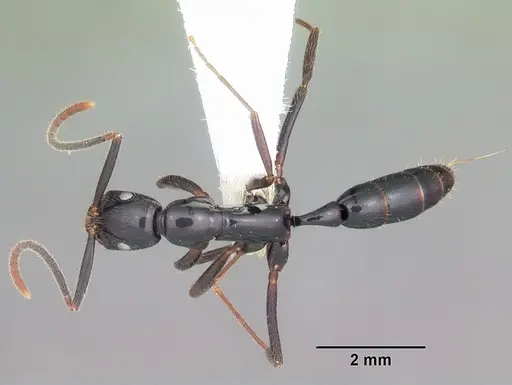
CASENT0144593
Ver no AntWeb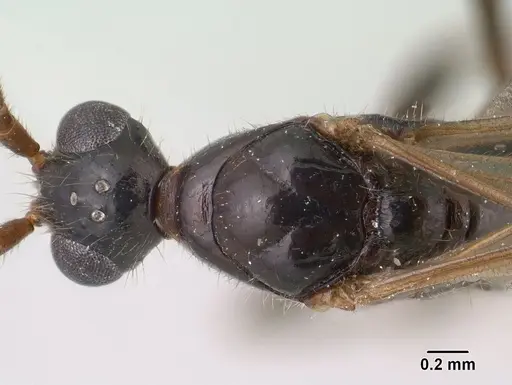
CASENT0175314
Ver no AntWeb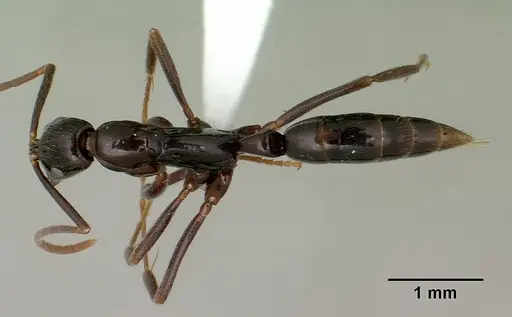
CASENT0175417
Ver no AntWeb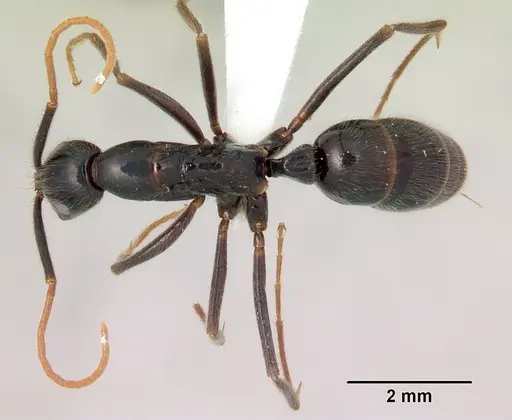
CASENT0496266
Ver no AntWeb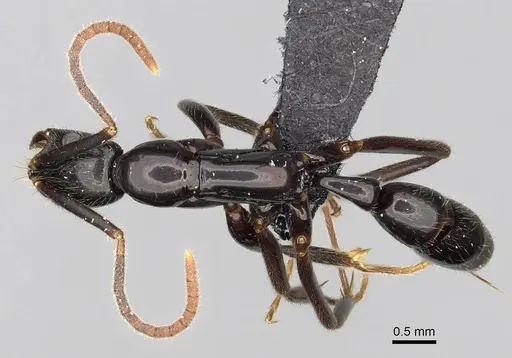
Literatura
Carregando mapa de distribuição...Carregando produtos...