
Leptogenys jeanneli
- Nome científico
- Leptogenys jeanneli
- Tribo
- Ponerini
- Subfamília
- Ponerinae
- Autor
- Santschi, 1914
- Distribuição
- Encontrada em 0 países
Introdução
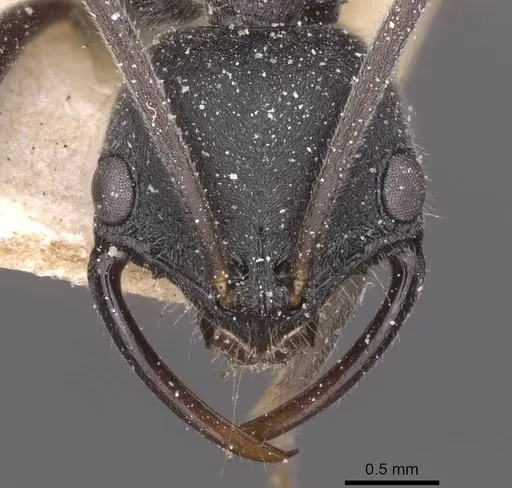
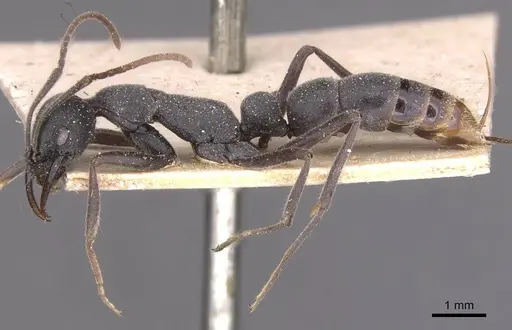
Leptogenys jeanneli is a medium-sized predatory ant native to Tanzania, East Africa. Workers measure approximately 10mm and are primarily black with reddish-brown highlights on the mandibles, funiculus, tarsus, and the tip of the abdomen. The body has a dull texture with fine punctures and rugulose sculpturing on the head and thorax. This species was originally collected from a cave system in the Tanga region of Tanzania, indicating preference for darker, more humid microhabitats . As a member of the Ponerinae subfamily, these ants are predatory hunters that use a functional stinger to subdue prey.
Quick Summary
- Difficulty: Medium
- Origin & Habitat: Tanzania, East Africa, originally collected from cave B of Kulumuzi in the Tanga region [1]. The cave-dwelling collection record suggests preference for dark, humid microhabitats.
- Colony Type: Colony structure is unconfirmed. Based on typical Leptogenys patterns, likely single-queen colonies.
- Size & Growth:
- Queen: Size data unavailable, queen not described in available literature
- Worker: Approximately 10mm [1]
- Colony: Unknown, likely moderate based on genus patterns
- Growth: Moderate, inferred from typical Ponerinae development
- Development: Estimated 6-10 weeks based on related Ponerinae species at optimal temperature (Direct development data unavailable, estimate based on genus-level patterns for Leptogenys)
- Antkeeping:
- Temperature: Keep around 22-26°C. The cave origin suggests they prefer stable, moderate temperatures rather than extreme heat. A gentle gradient allows ants to self-regulate.
- Humidity: High humidity is essential, aim for 70-85%. The cave collection site indicates preference for damp conditions. Keep the nest substrate consistently moist but not waterlogged.
- Diapause: Unlikely, being a tropical species from Tanzania, they likely do not require a true diapause. However, a slight reduction in temperature during winter months may be beneficial.
- Nesting: Based on cave-dwelling behavior, they likely prefer dark, enclosed spaces. Y-tong (AAC) nests or plaster nests with high humidity work well. Provide narrow chambers and plenty of darkness.
- Behavior: Leptogenys jeanneli is a predatory ant that hunts spiders and other small arthropods. As a Ponerine ant, they possess a functional stinger and can be defensive when threatened. They are likely nocturnal or cryptobiotic, preferring to forage in low-light conditions. Workers are moderately large at 10mm, and escape prevention should be moderate, they are not tiny escape artists but should still be secured. The colony will likely show active hunting behavior, with workers readily attacking prey.
- Common Issues: high humidity maintenance is critical, too dry and colonies will fail, predatory diet requirements mean they need constant access to live prey, slow founding phase, queens may take months to raise first workers, cave-dwelling species may be sensitive to light stress during founding, wild-caught colonies may have parasites that are difficult to treat
Nest Preferences and Housing
Leptogenys jeanneli was originally collected from a cave system, which provides strong clues about their housing needs. These ants prefer dark, humid environments with minimal light exposure. In captivity, Y-tong (AAC) nests or plaster nests work well because they hold humidity consistently and provide the darkness these ants prefer. Avoid clear or transparent nests unless you cover them with an opaque barrier. The nest should have chambers scaled appropriately for 10mm workers, not too tight, but not excessively spacious either. A water reservoir connected to the nest helps maintain humidity over time. Given their cave-dwelling nature, provide a nest area that remains consistently dark even during routine colony checks. [1]
Feeding and Diet
Leptogenys ants are specialized predators, primarily hunting spiders and other small arthropods in nature. In captivity, you should replicate this predatory diet. Offer live small prey such as fruit flies, small crickets, mealworms, and spiders. Prey should be appropriately sized, no larger than the ants themselves. Unlike some ants that readily accept sugar water, Leptogenys are primarily protein-focused and may not strongly attend sugar feeders. However, you can offer a small amount of honey or sugar water occasionally to see if they accept it. Feed protein prey 2-3 times per week, adjusting based on colony size and consumption. Remove uneaten prey after 24-48 hours to prevent mold issues.
Temperature and Humidity Requirements
Being from Tanzania and collected in a cave environment, these ants prefer stable, moderate temperatures around 22-26°C. Avoid temperatures above 30°C as this can stress the colony. A heating cable on one side of the nest can create a gentle gradient, allowing workers to move between warmer and cooler areas as needed. Humidity is critical, maintain 70-85% relative humidity. The cave origin strongly indicates they need consistently damp conditions. Monitor the nest substrate moisture regularly and rehydrate when the surface begins drying. A water reservoir connected to the nest helps maintain stable humidity over time. Poor humidity is one of the most common causes of colony failure with this species. [1]
Behavior and Colony Dynamics
As Ponerine ants, Leptogenys jeanneli possesses a functional stinger and can deliver a painful sting if provoked. They are predatory hunters that actively pursue prey rather than scavenging. Workers are moderately large at 10mm and show coordinated hunting behavior when prey is introduced. The colony is likely to be moderately defensive, they will respond to threats by mobilizing workers and using their stingers. Based on typical genus behavior, they are probably nocturnal or cryptobiotic, meaning they prefer low-light conditions and may be most active at night or in dim lighting. Colony growth is likely moderate, expect several months to reach significant worker numbers. The founding phase can be slow, as the queen seals herself in and raises the first workers alone.
Frequently Asked Questions
How long does it take for Leptogenys jeanneli to produce first workers?
The exact timeline is unconfirmed, but based on typical Ponerinae development, expect 6-10 weeks from egg to first worker at optimal temperature (22-26°C). The founding phase may take several months overall as the queen lays eggs and raises brood to maturity.
What do Leptogenys jeanneli eat?
They are predatory ants that hunt live prey. Feed them small insects like fruit flies, small crickets, mealworms, and spiders. They may accept honey or sugar water occasionally, but protein prey should be their primary food source.
Can I keep Leptogenys jeanneli in a test tube?
A test tube can work for founding colonies, but given their high humidity requirements and cave-dwelling nature, a Y-tong or plaster nest with humidity control is more suitable long-term. If using a test tube, ensure it has a water reservoir and keep it in darkness.
Do Leptogenys jeanneli need hibernation?
Unlikely. Being a tropical species from Tanzania, they probably do not require a true diapause. However, a slight temperature reduction (a few degrees) during winter months may be appropriate, but avoid cold temperatures below 18°C.
Are Leptogenys jeanneli good for beginners?
This species is rated as Medium difficulty. While not the most challenging ant, their high humidity requirements and predatory diet make them better suited for keepers who have some experience maintaining proper humidity levels and providing live prey.
How big do Leptogenys jeanneli colonies get?
Exact colony size is unconfirmed, but based on typical Leptogenys patterns, colonies likely reach several hundred workers. They are not among the largest ant species but can develop moderate-sized colonies over time.
Why is my Leptogenys jeanneli colony dying?
The most common causes are low humidity (below 70%), inadequate prey (they need live protein), and temperature stress (too hot or too cold). Check that the nest maintains proper humidity, offer live prey regularly, and ensure temperatures stay within 22-26°C.
When should I move my colony to a formicarium?
Move them once the colony reaches 20-30 workers and the test tube setup becomes cramped. For this species, a formicarium should provide dark chambers and maintain high humidity, a Y-tong or plaster nest works well.
Can I keep multiple Leptogenys jeanneli queens together?
Colony structure is unconfirmed for this specific species. Based on typical Leptogenys behavior, they likely form single-queen colonies. Combining unrelated queens is not recommended without evidence they can found colonies together.
Report an Issue
The current care sheet is based fully on literature. See inconsistencies, or something that's incorrect? Please , it will be resolved after review from an admin. Contributing to the blogs tab also helps providing information, to make us be able to further improve the caresheets. Thank you for your support!
References

Este guia de cuidados está sob a licença CC BY-SA 4.0 .
Posts da comunidade
CASENT0915234
Ver no AntWeb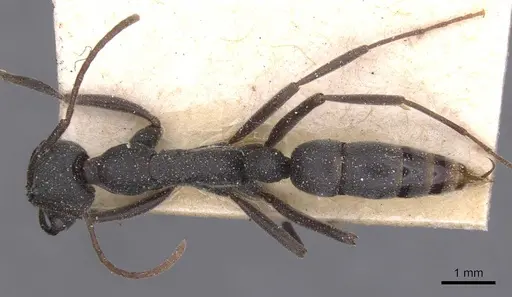
Literatura
Carregando mapa de distribuição...Carregando produtos...