
Leptogenys arcirostris
- Nome científico
- Leptogenys arcirostris
- Tribo
- Ponerini
- Subfamília
- Ponerinae
- Autor
- Santschi, 1926
- Distribuição
- Encontrada em 1 países
Introdução
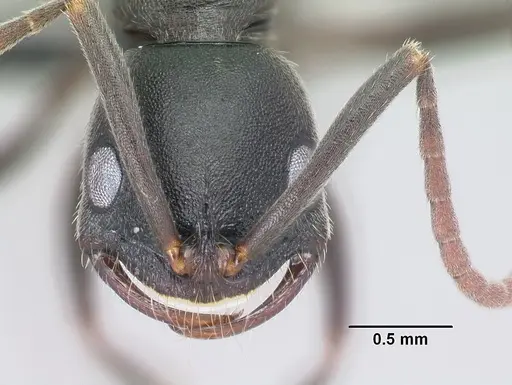
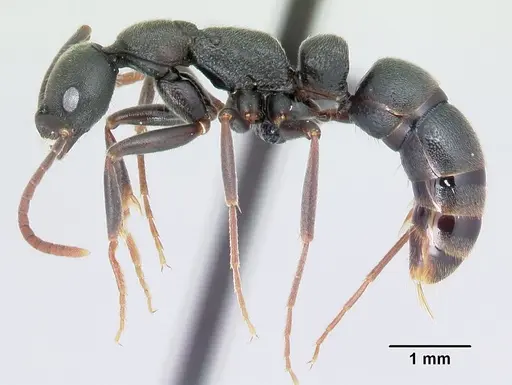
Leptogenys arcirostris is a medium-sized predatory ant native to Madagascar. Workers have a distinctive appearance with a longer-than-broad head, relatively short antennal scapes, and abundant fine pubescence across their dark brown to black body . This species belongs to the arcirostris species complex within the truncatirostris group of Leptogenys ants. These ants are active hunters that search for prey on the forest floor and within leaf litter. They nest in rotten logs and under rocks in the wild. Their adaptability is notable - they survive across a wide range of habitats from montane rainforests to dry spiny forests in southern Madagascar .
Quick Summary
- Difficulty: Medium
- Origin & Habitat: Southern Madagascar, from montane rainforests near Itremo and Anja Reserve through gallery forests of Isalo National Park and Mitea Forest to the spiny forests of Tsimanampetsotsa and dry forests near Amboasary [1]. The type locality was originally Moramanga in central-eastern Madagascar, but populations there may have gone locally extinct due to deforestation [1].
- Colony Type: Colony structure is unconfirmed. Based on typical Leptogenys patterns, this species likely forms single-queen colonies.
- Size & Growth:
- Queen: Size data unavailable, inferred from related Leptogenys species (~6-8mm)
- Worker: Size data unavailable, the research provides head measurements (1.18-1.38mm width) but not total body length
- Colony: Size data unavailable
- Growth: Moderate, estimated based on Ponerine development patterns
- Development: Development time is unconfirmed, likely several months based on typical Ponerine development (Ponerine ants typically develop slower than many common ant genera. Development time is temperature-dependent.)
- Antkeeping:
- Temperature: Keep at room temperature (20-25°C). These are tropical ants from Madagascar that prefer warmth but can tolerate typical room conditions. Avoid cold temperatures.
- Humidity: High humidity is recommended, they naturally live in rotting wood and under rocks in humid forest habitats. Keep nest substrate consistently moist but not waterlogged.
- Diapause: Unlikely required given Madagascar's mild seasonal variation. A slight cooling period during winter months may be beneficial but is not necessary.
- Nesting: Naturalistic setups work best, rotten wood sections, cork bark, or a moist plaster/soil setup that mimics their natural log-nesting habitat. They do well in setups that retain moisture while providing dark nesting chambers.
- Behavior: These are active, predatory ants that hunt individually on the forest floor. Workers are moderately aggressive when defending the colony. They have a functional sting that they use on prey, though the sting is not medically significant to humans. Escape risk is moderate, they are not tiny ants but can squeeze through small gaps. They are primarily nocturnal or crepuscular hunters in the wild.
- Common Issues: colonies often fail due to inadequate humidity, rotting wood nests must stay moist but not flooded, predatory diet requirements mean colonies can starve if not fed enough live prey, slow development compared to common hobby ants leads some keepers to overfeed or disturb the colony unnecessarily, wild-caught colonies may carry parasites that can devastate captive populations, they are sensitive to disturbance during founding, queens that are disturbed may abandon or eat their brood
Housing and Nest Setup
Leptogenys arcirostris does best in naturalistic setups that mimic its natural log-nesting habitat. Rotten wood sections, cork bark setups, or a moist plaster nest with soil chambers all work well. The key is maintaining high humidity within the nest while providing darkness. Workers are medium-sized, so standard nests with appropriately sized chambers work fine. Avoid dry setups, these ants quickly decline in arid conditions. A water reservoir connected to the nest helps maintain humidity. Keep the outworld simple with a small foraging area and provide a humidity gradient so ants can choose their preferred zone. [1]
Feeding and Diet
As predatory Ponerine ants, L. arcirostris requires a protein-rich diet of live prey. Workers hunt on the forest floor and in leaf litter, so they are adapted to catching small arthropods. Offer live small insects like fruit flies, pinhead crickets, small mealworms, and other appropriately sized invertebrates. Feed prey roughly twice weekly, adjusting based on colony size and consumption. Remove uneaten prey after 24-48 hours to prevent mold. Sugar sources like honey or sugar water may be accepted occasionally but should not be the primary food, these are obligate predators. A varied diet helps ensure nutritional balance. [1]
Temperature and Seasonal Care
Maintain temperatures between 20-25°C for optimal colony health and development. These tropical ants from Madagascar do not tolerate cold well, keep them warm year-round. A heating cable on one side of the nest creates a beneficial gradient. Room temperature within this range is acceptable without additional heating. During winter months, a slight reduction may simulate their natural seasonal cycle, though this species likely does not require a true diapause. Avoid temperature fluctuations and drafts. Monitor colony activity, workers that consistently cluster in warm areas indicate a need for more heat. [1]
Behavior and Colony Dynamics
Leptogenys arcirostris workers are active hunters that forage individually on surfaces rather than forming large raiding parties. They are moderately defensive and will sting to subdue prey or defend the colony. Workers can deliver a noticeable sting, it causes mild discomfort similar to a bee sting but is not dangerous to healthy humans. Colonies are relatively quiet and do not produce massive worker swarms. Peak activity tends to be during evening and night hours, reflecting their natural crepuscular hunting behavior. Queens are not known to be aggressive toward each other, but combining unrelated foundresses is not recommended as this has not been documented. [1]
Growth and Development
Colony growth is moderate compared to faster-developing species like many Myrmicines. The first workers (nanitics) will be smaller than mature workers and may take several months to emerge. Development is temperature-dependent, cooler conditions slow growth significantly. Once the first workers arrive, the colony enters a slow growth phase as the queen continues laying eggs and workers begin foraging. Patience is essential, Ponerine colonies develop more slowly than common beginner species. Avoid disturbing the nest during founding and early development stages. [1]
Frequently Asked Questions
How long does it take for Leptogenys arcirostris to produce first workers?
Development time is unconfirmed for this species. Based on typical Ponerine development patterns, expect several months from egg to first worker at optimal temperature. Cooler temperatures will significantly extend this timeline.
What do Leptogenys arcirostris ants eat?
They are predatory ants that need live prey. Feed small live insects like fruit flies, pinhead crickets, small mealworms, or other tiny arthropods roughly twice weekly. Remove uneaten prey after a day or two.
Can I keep Leptogenys arcirostris in a test tube?
Test tubes can work for founding colonies if kept humid and dark, but naturalistic setups with rotting wood or moist substrate better match their natural preferences and help maintain the high humidity they need.
Are Leptogenys arcirostris good for beginners?
This species is rated as medium difficulty. They require more specific care than beginner species, particularly their predatory diet and humidity needs. They are not recommended as a first ant but are manageable for keepers with some experience.
What temperature do Leptogenys arcirostris need?
Keep them at room temperature (20-25°C). These tropical Madagascar ants do not tolerate cold well. A heating cable on part of the nest can create a beneficial gradient.
How big do Leptogenys arcirostris colonies get?
Colony size is not well documented in the research. Based on related species, colonies likely reach several hundred workers over several years of growth.
Do Leptogenys arcirostris need hibernation?
A true diapause is likely not required given Madagascar's mild climate. However, a slight cooling period during winter may benefit colony health.
Why is my Leptogenys arcirostris colony dying?
The most common causes are low humidity (they need moist nesting conditions), inadequate food (they need regular live prey), and disturbance during founding. Check that the nest substrate stays damp, not flooded, and that prey is offered consistently.
When should I move Leptogenys arcirostris to a formicarium?
Move colonies when they outgrow their founding setup or when the nest becomes too small. For naturalistic setups, they can remain in the initial setup as long as it accommodates the colony. Move when the colony shows signs of space constraints.
Report an Issue
The current care sheet is based fully on literature. See inconsistencies, or something that's incorrect? Please , it will be resolved after review from an admin. Contributing to the blogs tab also helps providing information, to make us be able to further improve the caresheets. Thank you for your support!
References

Este guia de cuidados está sob a licença CC BY-SA 4.0 .
Posts da comunidade
CASENT0101132
Ver no AntWeb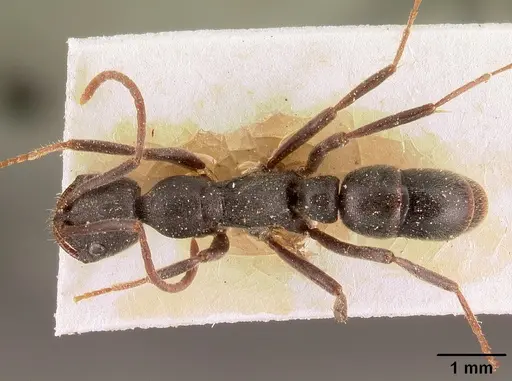
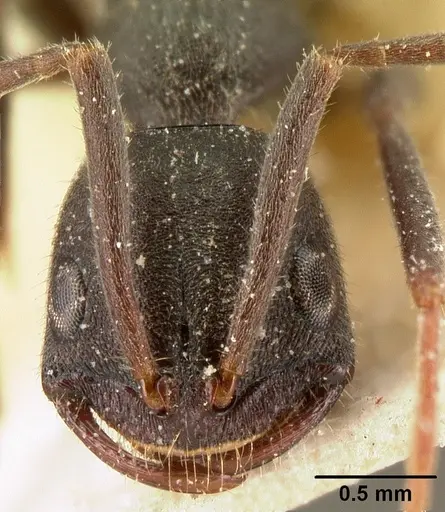
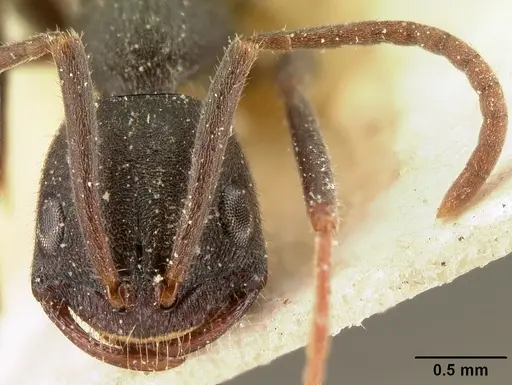
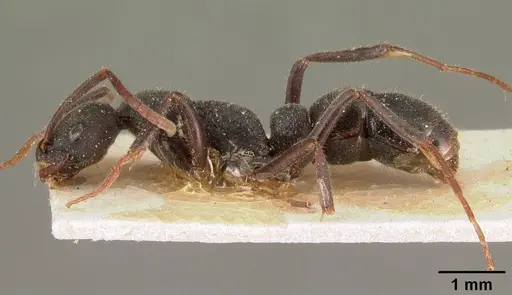
CASENT0491659
Ver no AntWeb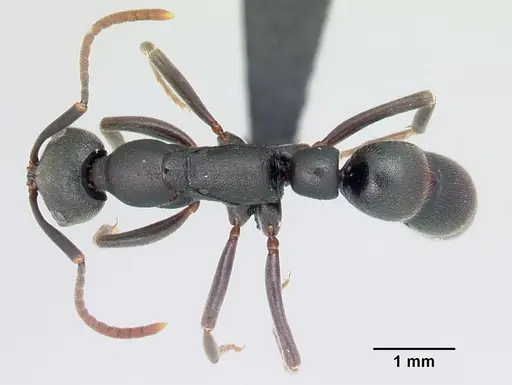
Literatura
Carregando mapa de distribuição...Carregando produtos...