
Leptogenys antongilensis
- Nome científico
- Leptogenys antongilensis
- Tribo
- Ponerini
- Subfamília
- Ponerinae
- Autor
- Emery, 1899
- Distribuição
- Encontrada em 1 países
Introdução
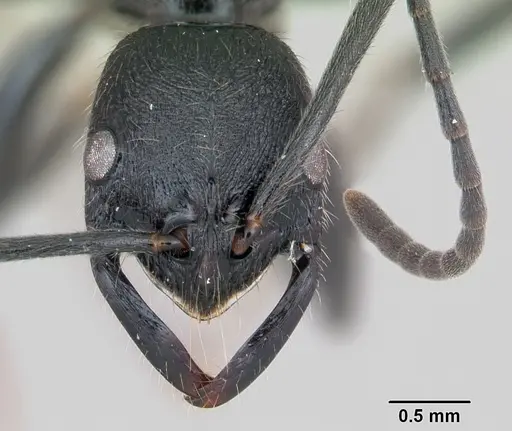
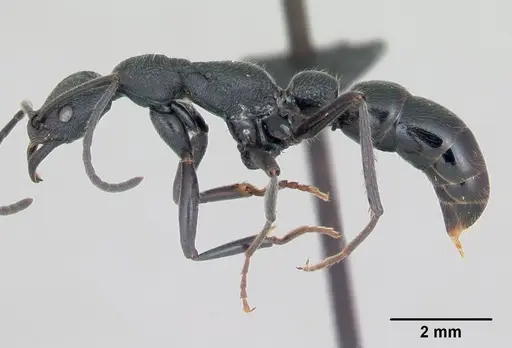
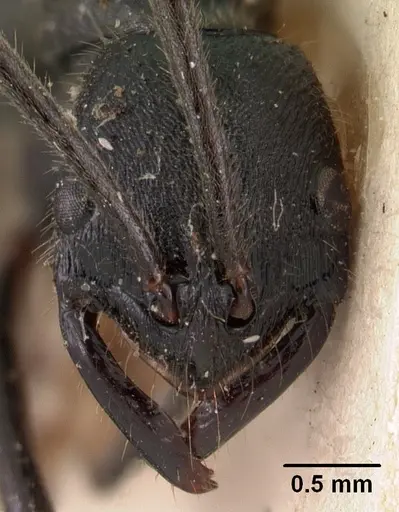
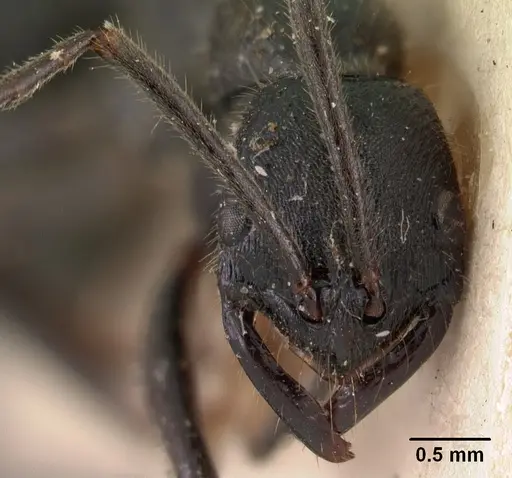
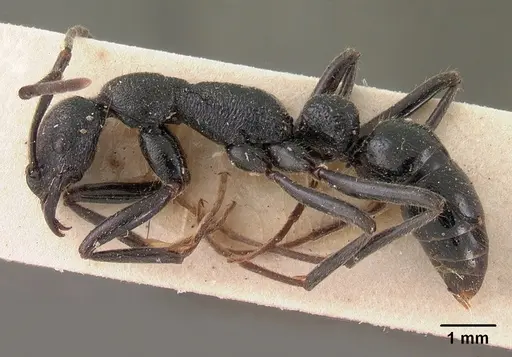
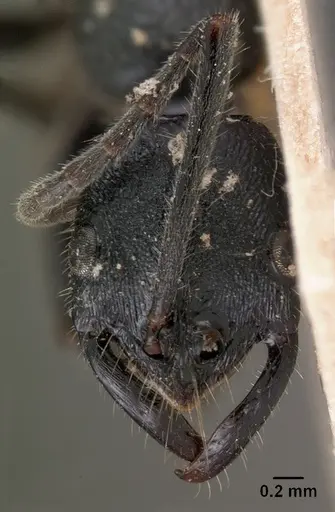
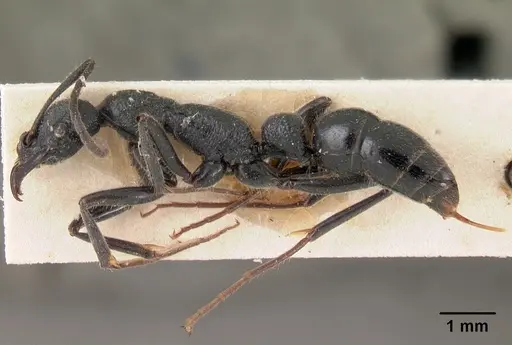
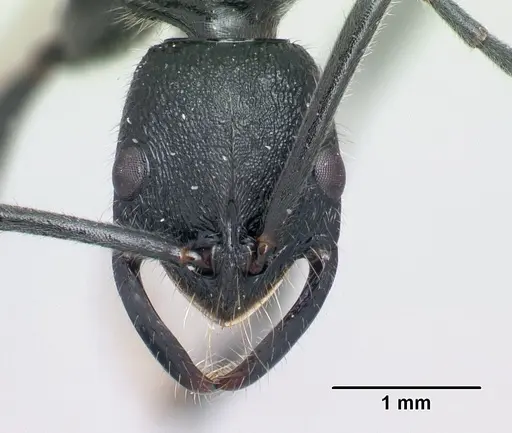
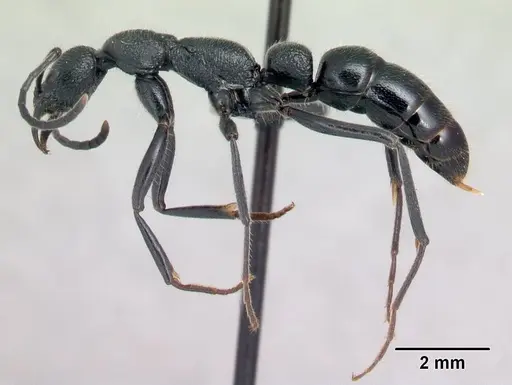
Leptogenys antongilensis is a medium-sized predatory ant native to the lowland rainforests of northeastern Madagascar. Workers feature distinctive long antennal scapes that extend well beyond the back of the head, along with convex mandible margins that are broadest at mid-length . The body is black with brown tips on the appendages and gaster, and the mesosoma shows three visible segments . This species belongs to the imerinensis species complex within the incisa species group . These ants are specialized predators that forage primarily on the forest floor, hunting through leaf litter and decaying wood in search of prey. They nest in rotten logs and tree stumps, utilizing the moist, sheltered microhabitats of Madagascar's lowland rainforest . Their long legs and agile movements make them effective hunters in their natural habitat.
Quick Summary
- Difficulty: Medium
- Origin & Habitat: Lowland rainforest of northeastern Madagascar, specifically known from the Antongil Bay region [2][1]. In the wild, they nest in rotten logs and rotten tree stumps, foraging on the forest floor and lower vegetation [1].
- Colony Type: Colony structure is unconfirmed.
- Size & Growth:
- Queen: Size data unavailable, queen measurements not documented in current literature.
- Worker: Approximately 8-9mm, inferred from mesosoma measurements and typical Leptogenys genus size [1].
- Colony: Unknown, no colony size data available for this species.
- Growth: Unknown, development times have not been documented for this species.
- Development: Unknown, no direct development data exists for this species. (Development timeline has not been studied.)
- Antkeeping:
- Temperature: Keep at 22-26°C. As a lowland rainforest species from tropical Madagascar, they need warm, stable conditions.
- Humidity: High humidity is essential, aim for 70-85%. Keep the nest substrate consistently moist but not waterlogged. These forest-floor ants need damp conditions similar to their natural rotting log habitat.
- Diapause: No, as a tropical species from Madagascar, they do not require hibernation.
- Nesting: Rotten wood nesting species, they do well in naturalistic setups with rotting wood pieces, cork, or a Y-tong/plaster nest with moist substrate. Provide tight chambers and passages scaled to their medium size.
- Behavior: Leptogenys ants are active, predatory hunters. They are fast-moving and can be defensive when their nest is disturbed. Workers are medium-sized and are capable of stinging if handled roughly. They are not known escape artists but standard barrier methods should still be used. They forage actively through the outworld rather than maintaining fixed foraging trails.
- Common Issues: high humidity maintenance is critical, drying out causes colony failure, predatory diet means they need constant access to live prey, wild-caught colonies may have parasites that kill them in captivity, slow colony growth can lead to keeper impatience and overfeeding, nesting in rotting wood requires careful moisture balance to prevent mold
Nest Preferences
Leptogenys antongilensis naturally nests in rotten logs and rotting tree stumps within the lowland rainforest [1]. In captivity, they do well in naturalistic setups that replicate this deadwood habitat. You can use a setup with cork, rotting wood pieces, or leaf litter as nesting material. Alternatively, a Y-tong or plaster nest with consistently moist substrate works well. The key is maintaining high humidity while ensuring good ventilation to prevent mold. Avoid completely sealed nests, some airflow is necessary to prevent stagnant conditions.
Feeding and Diet
Like other Leptogenys species, this ant is a specialized predator. In captivity, offer small live prey such as fruit flies, small crickets, mealworms, and other appropriately-sized insects. They are active hunters that will chase down moving prey. Feed them protein-rich foods 2-3 times per week, adjusting based on colony size. Remove any uneaten prey after 24-48 hours to prevent mold. Sugar sources like honey or sugar water may be accepted occasionally, but protein prey should form the primary diet.
Temperature and Care
As a lowland rainforest species from tropical Madagascar, Leptogenys antongilensis needs warm and humid conditions. Keep the nest area at 22-26°C, with a slight gradient if possible. A heating cable placed on top of the nest helps maintain optimal temperatures. Room temperature within this range is acceptable. Monitor colony activity, if workers become sluggish, increase temperature slightly, if they avoid the heated area, reduce it. These ants do not require hibernation. [1]
Behavior and Temperament
Leptogenys antongilensis workers are active and agile hunters. They are not aggressive toward humans but will defend their nest if threatened. Workers are medium-sized and can deliver a sting if handled roughly, though the pain level is generally mild for most people. They forage actively rather than using chemical recruitment trails. In the outworld, they will explore and hunt for prey rather than forming permanent foraging columns. Provide them with a spacious outworld with hiding spots and foraging areas.
Frequently Asked Questions
How long does it take for Leptogenys antongilensis to produce first workers?
The exact development timeline is unknown for this species. No scientific data exists on development times.
What do Leptogenys antongilensis ants eat?
They are predatory ants that need a diet of live prey. Offer small insects like fruit flies, small crickets, mealworms, and other appropriately-sized arthropods. Remove uneaten prey after 24-48 hours. Occasional sugar sources like honey water may be accepted but should not be the primary food.
Can I keep Leptogenys antongilensis in a test tube?
Test tubes can work for founding colonies, but this species prefers higher humidity than many test tube setups provide. A naturalistic setup with moist substrate or a well-humidified Y-tong nest is more suitable for long-term keeping.
What temperature do Leptogenys antongilensis need?
Keep them at 22-26°C. As a lowland rainforest species from tropical Madagascar, they need warm, stable conditions.
Are Leptogenys antongilensis good for beginners?
This species is rated as medium difficulty. The main challenges are maintaining high humidity and providing a constant supply of live prey. If you have experience keeping predatory ants and can manage humidity levels, they can be a rewarding species to keep.
How big do Leptogenys antongilensis colonies get?
The maximum colony size is unknown, no scientific data exists on colony size for this species.
Do Leptogenys antongilensis need hibernation?
No, they do not require hibernation. As a tropical species from Madagascar, they are adapted to year-round warm conditions.
Why is my Leptogenys antongilensis colony dying?
The most common causes are: low humidity (drying out kills them quickly), lack of live prey (they need hunting opportunities), and mold from poor ventilation. Check that the nest substrate stays moist, provide live prey regularly, and ensure adequate airflow.
When should I move my colony to a formicarium?
Wait until the colony has at least 20-30 workers before moving to a larger setup. For this species, a naturalistic setup with moist substrate works well from the start if you can maintain humidity. Move them when they outgrow their founding setup.
Report an Issue
The current care sheet is based fully on literature. See inconsistencies, or something that's incorrect? Please , it will be resolved after review from an admin. Contributing to the blogs tab also helps providing information, to make us be able to further improve the caresheets. Thank you for your support!
References

Este guia de cuidados está sob a licença CC BY-SA 4.0 .
Posts da comunidade
CASENT0077457
Ver no AntWeb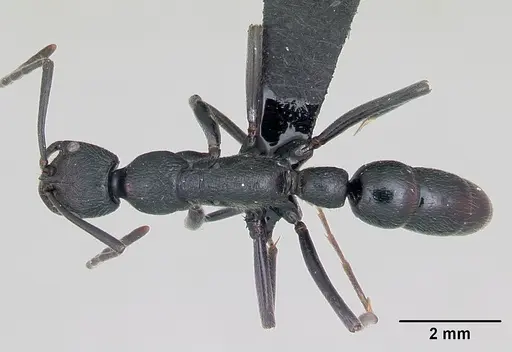
CASENT0102015
Ver no AntWeb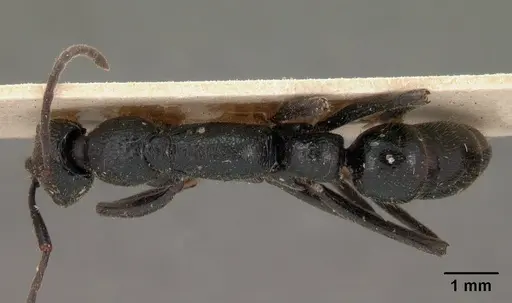
CASENT0102016
Ver no AntWeb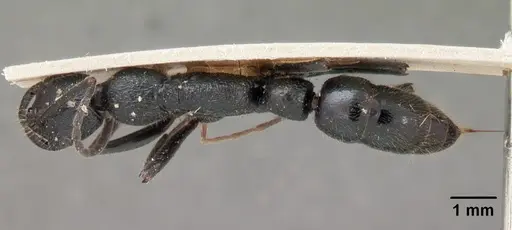
CASENT0107408
Ver no AntWeb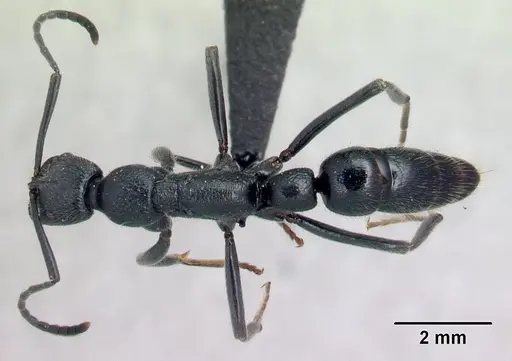
Literatura
Carregando mapa de distribuição...Carregando produtos...