
Leptogenys ankhesa
- Nome científico
- Leptogenys ankhesa
- Tribo
- Ponerini
- Subfamília
- Ponerinae
- Autor
- Bolton, 1975
- Distribuição
- Encontrada em 0 países
Introdução
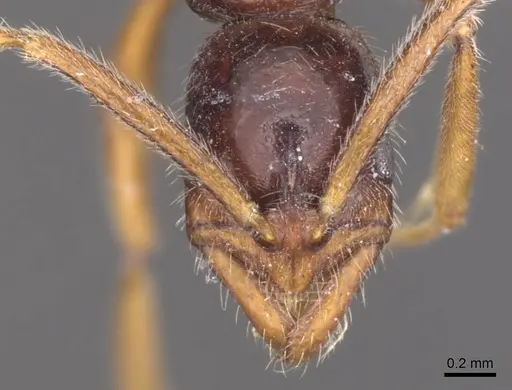
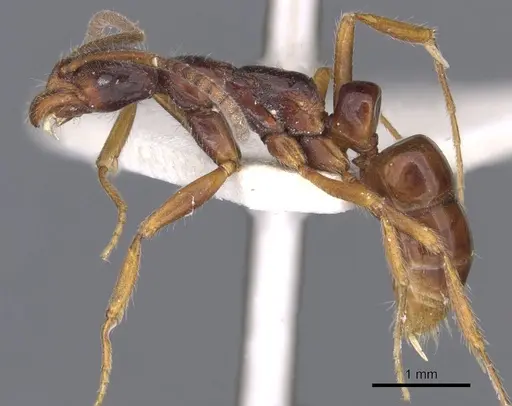
Leptogenys ankhesa is a predatory ant species endemic to Kongo Central in the Democratic Republic of Congo . Like other Leptogenys species, they are often called 'spider ants' due to their specialized hunting behavior targeting spiders and other arthropods. These ants have elongated bodies and characteristic long, curved mandibles designed for capturing prey. Workers are typically medium-sized with a sleek, dark body. This species is rarely kept in captivity and is considered a specialty species for experienced antkeepers interested in predatory ants.
Quick Summary
- Difficulty: Medium
- Origin & Habitat: Kongo Central, Democratic Republic of Congo. Based on genus patterns, they likely inhabit tropical forest environments where they hunt on the forest floor and in low vegetation.
- Colony Type: Likely monogyne (single queen) based on typical genus patterns. Colony size is unknown but likely moderate, similar to related Leptogenys species.
- Size & Growth:
- Queen: ~8-10mm, inferred from genus Leptogenys morphology
- Worker: ~5-7mm, inferred from genus Leptogenys morphology
- Colony: Unknown, likely several hundred workers based on related species
- Growth: Moderate, estimated based on genus patterns
- Development: Estimated 6-10 weeks at tropical temperatures (25-28°C) based on related Ponerinae species (Development time is estimated from genus patterns since species-specific data is unavailable)
- Antkeeping:
- Temperature: Keep at 24-28°C. Tropical species requiring warm conditions
- Humidity: Moderate to high humidity (60-80%). They likely prefer damp forest floor conditions
- Diapause: No, as a tropical species, they do not require hibernation
- Nesting: Y-tong or soil nests work well. Provide a moist substrate as they prefer humid conditions. Naturalistic setups with soil and hiding spots mimic their natural environment
- Behavior: These ants are active hunters that use their long mandibles to capture prey. They are not aggressive toward humans but will defend their colony if threatened using their functional stinger. Workers are fast-moving and may be skittish. Escape prevention is important, use standard barriers. They are primarily nocturnal hunters.
- Common Issues: limited availability, this species is rarely available in the antkeeping hobby, predatory diet requirements mean you must commit to providing live prey regularly, tropical temperature needs may require heating in cooler climates, escape prevention is important given their active foraging behavior, slow colony growth compared to seed-eating species may frustrate beginners
Housing and Nest Setup
Leptogenys ankhesa can be housed in standard antkeeping setups. A Y-tong (AAC) nest or soil setup works well, with a moist substrate to maintain humidity. Provide a water tube for drinking water. Since they are predatory, include an outworld area where they can hunt and explore. A naturalistic setup with soil, leaf litter, and hiding spots mimics their natural forest floor habitat. Use a secure escape barrier as workers are active and may explore gaps.
Feeding and Diet
As predators, Leptogenys ants specialize in hunting arthropods. Feed them small live prey such as fruit flies, pinhead crickets, mealworms, and other small insects. They may accept dead prey if moved, but live prey triggers their hunting instincts. Offer prey appropriate to worker size, typically insects smaller than the ants themselves. A varied diet helps ensure proper nutrition. Remove uneaten prey after 24-48 hours to prevent mold.
Temperature and Humidity
Keep these ants warm at 24-28°C. This tropical species requires consistent heat to maintain activity and support brood development. Use a heating cable or mat on one side of the nest to create a temperature gradient. Maintain moderate to high humidity (60-80%) by keeping the nest substrate moist but not waterlogged. A water tube helps maintain humidity. Monitor conditions regularly and adjust based on colony behavior.
Colony Development
Colony growth is moderate. The queen seals herself in a chamber and raises the first workers (nanitics) alone on her stored fat reserves. Once the first workers emerge, they begin foraging to feed the colony and expand the nest. Growth rate depends on temperature and food availability. Expect several months before you see significant colony growth. Be patient, predatory ants typically grow slower than omnivorous species.
Behavior and Temperament
Leptogenys ankhesa is an active, predatory ant that hunts using its elongated mandibles. Workers are fast-moving and may be nervous, but they are not particularly aggressive toward humans. They are primarily nocturnal, with most hunting activity occurring at night. The colony will defend itself using its stinger if directly threatened. Provide enrichment in the outworld with climbing structures and hunting opportunities.
Frequently Asked Questions
How long does it take for Leptogenys ankhesa to produce first workers?
Based on related species, expect first workers (nanitics) in approximately 6-10 weeks after the queen lays eggs, provided temperatures are maintained at 25-28°C.
What do Leptogenys ankhesa eat?
They are predatory ants that require live prey. Feed small insects like fruit flies, pinhead crickets, small mealworms, and other arthropods. Remove uneaten prey after 24-48 hours.
Can I keep multiple Leptogenys ankhesa queens together?
This is not recommended. Like most Leptogenys species, they are likely monogyne (single queen). Combining unrelated queens has not been documented for this species and could result in fighting.
What temperature do Leptogenys ankhesa need?
Keep them at 24-28°C. This tropical species requires warm conditions year-round. A heating cable on part of the nest can help maintain optimal temperatures.
Do Leptogenys ankhesa need hibernation?
No. As a tropical species from the Democratic Republic of Congo, they do not require hibernation or winter cooling. Maintain warm temperatures year-round.
Is Leptogenys ankhesa good for beginners?
This species is not ideal for complete beginners due to its predatory diet requirements and specific temperature needs. Some experience with antkeeping is recommended.
How big do Leptogenys ankhesa colonies get?
Colony size is not documented for this specific species. Based on related species, colonies likely reach several hundred workers over time.
When should I move Leptogenys ankhesa to a formicarium?
Keep them in a test tube setup for the founding stage. Once the colony reaches 20-30 workers and the test tube becomes cramped, you can move them to a proper nest setup.
Why is my Leptogenys ankhesa colony declining?
Common causes include: insufficient prey (they need regular live food), temperatures too low (below 24°C), humidity issues (too dry or too wet), or stress from disturbance. Review all care parameters and ensure proper feeding.
Report an Issue
The current care sheet is based fully on literature. See inconsistencies, or something that's incorrect? Please , it will be resolved after review from an admin. Contributing to the blogs tab also helps providing information, to make us be able to further improve the caresheets. Thank you for your support!
References

Este guia de cuidados está sob a licença CC BY-SA 4.0 .
Posts da comunidade
CASENT0902582
Ver no AntWeb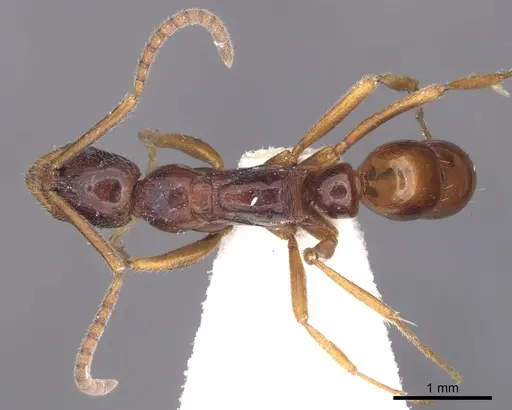
Literatura
Carregando mapa de distribuição...Carregando produtos...