
Leptanilloides golbachi
- Nome científico
- Leptanilloides golbachi
- Subfamília
- Dorylinae
- Autor
- Kusnezov, 1953
- Distribuição
- Encontrada em 1 países
Introdução
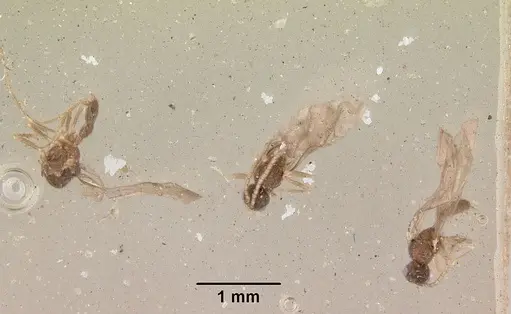
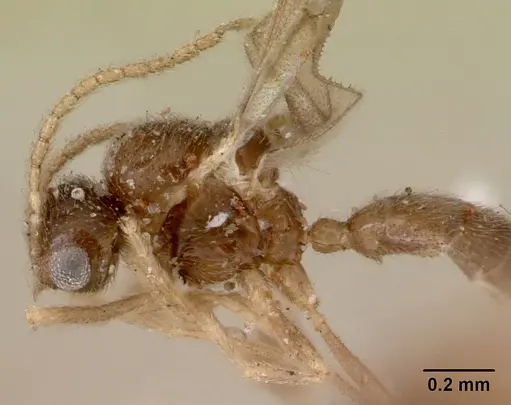
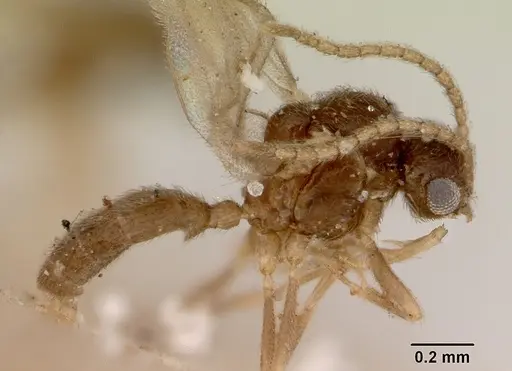
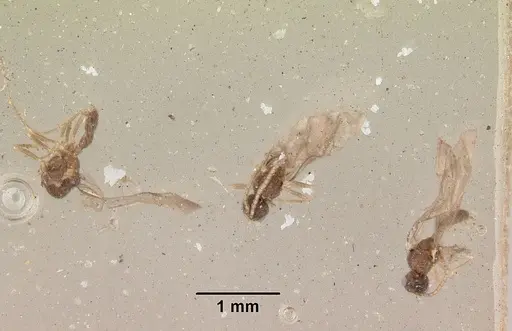
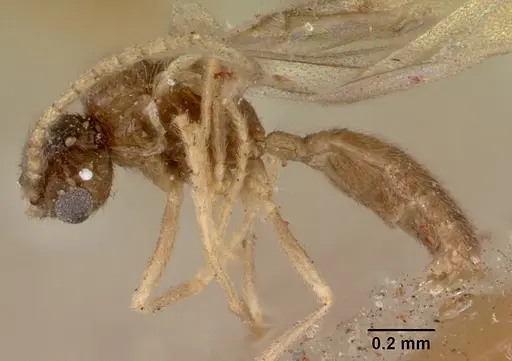
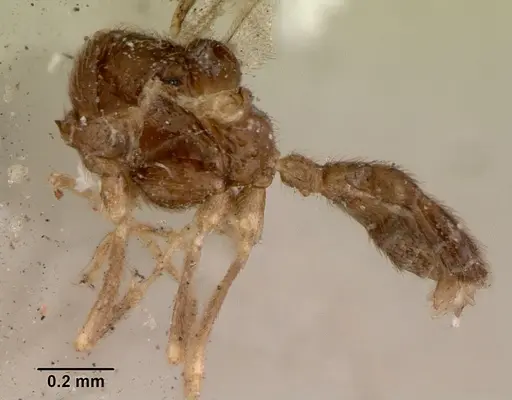
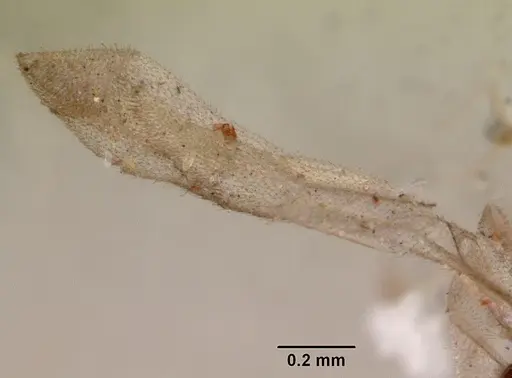
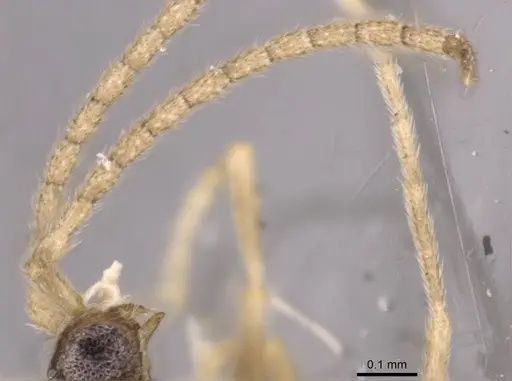
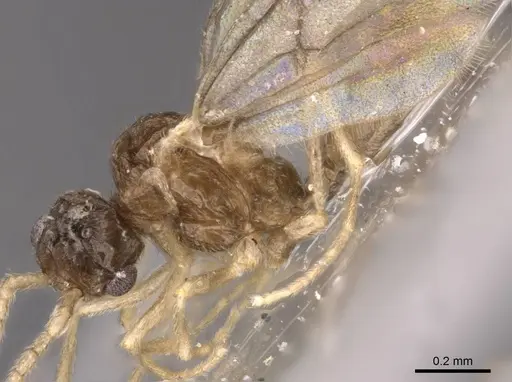
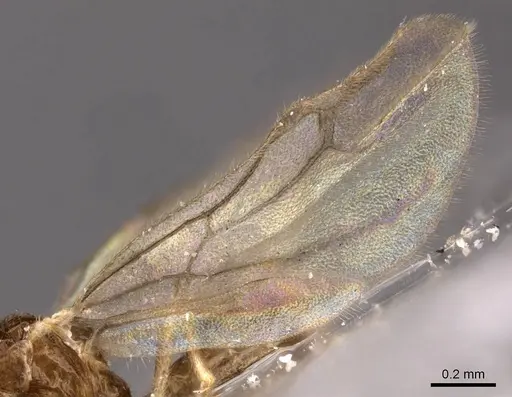
Leptanilloides golbachi is one of the most enigmatic ant species in the Americas - it is only known from male specimens collected in Argentina, with no workers or queens ever described. Males measure approximately 1.1-1.7mm in total body length and are yellowish-brown to medium-brown in color . The original describer suggested these males might represent social parasites given their reduced mouthparts, and some researchers believe they may actually be the sexual forms of Asphinctanilloides (a related genus only known from workers) . This species is rarely encountered and essentially cannot be kept in captivity due to the complete absence of the worker caste .
Quick Summary
- Difficulty: Impossible
- Origin & Habitat: Only known from Tucumán and Formosa provinces in Argentina, with potential distribution extending into Brazil. The subfamily Leptanilloidinae is believed to be army-ant-like predators that are largely subterranean, occasionally foraging under rocks and debris [2].
- Colony Type: Unknown, only males have been collected. No workers or queens have ever been described, so colony structure cannot be determined.
- Size & Growth:
- Antkeeping:
- Temperature: Unknown, no keeping data exists
- Humidity: Unknown, no keeping data exists
- Diapause: Unknown
- Nesting: Unknown, natural nesting behavior unstudied
- Behavior: Behavior is unknown since only males have been collected. These males were likely sexuals that left their natal nest to mate and would not form colonies. The subfamily Leptanilloidinae is believed to be army-ant-like predators [2].
- Common Issues: This species cannot be kept, no workers exist in any collection or description, The males that have been collected were likely sexuals that left their natal nest and would not form colonies, The species may actually be the male sexuals of Asphinctanilloides rather than a distinct species, Reduced mouthparts suggest possible social parasitism, but this remains unconfirmed, No captive breeding is possible without workers
Why This Species Cannot Be Kept
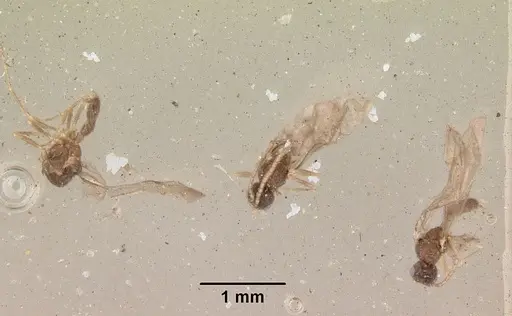
Leptanilloides golbachi presents a unique challenge for antkeepers: it is only known from male specimens. In ant biology, colonies require workers to function, they are the foragers, nurses, and builders that maintain the nest. Without workers, there is no colony to keep. The four male specimens that have been collected were likely sexuals that had left their natal nest to mate, similar to how male ants disperse from established colonies. These males would not form new colonies and would have no way to survive without a host colony [2]. Additionally, researchers suspect these males may actually belong to Asphinctanilloides, a related genus in the same subfamily that is only known from worker specimens. This taxonomic uncertainty further complicates any attempt to keep this species.
Taxonomic Uncertainty
The taxonomic history of this species has been complicated. Originally described as Leptanilloides golbachi in 1953,it was later moved to Forelius, then back to Amyrmex, and finally transferred to Leptanilloides in 2016 [2]. The original describer Kusnezov noted that the weak mouthparts and reduced palps suggested these males might be social parasites, ants that rely on host colonies to raise their young. Some researchers believe the males of L. golbachi may actually be the sexual forms of Asphinctanilloides, a genus only known from worker specimens. This would explain why no workers or queens of L. golbachi have ever been found, they may not exist as a separate species [2].
What We Know About the Subfamily
While L. golbachi specifically cannot be kept, the subfamily Leptanilloidinae (to which it belongs) provides some general insights. These ants are believed to be army-ant-like predators that forage underground, occasionally coming to the surface under rocks or debris [2]. Related genera in this subfamily are known for their specialized predatory behavior. However, without workers of this specific species, no direct observations of their behavior or diet exist. Any future discovery of workers would be a significant scientific breakthrough and could potentially allow for captive keeping of this mysterious species.
Frequently Asked Questions
Can I keep Leptanilloides golbachi ants?
No. This species cannot be kept because only male specimens have ever been collected, there are no workers, no queens, and no known colony. Without workers, there is no colony to maintain in captivity.
Why are there no workers for Leptanilloides golbachi?
We don't know. The species was described only from males collected in Argentina in the 1940s-1950s. Researchers suspect these males may actually belong to a different genus (Asphinctanilloides) or may be social parasites that rely on host colonies, which would explain why only males have been found.
What do Leptanilloides golbachi males look like?
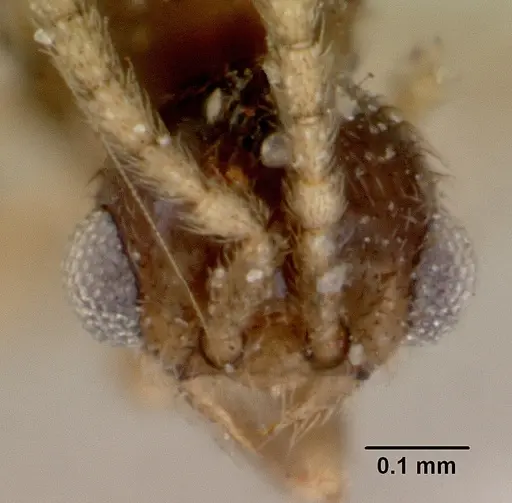
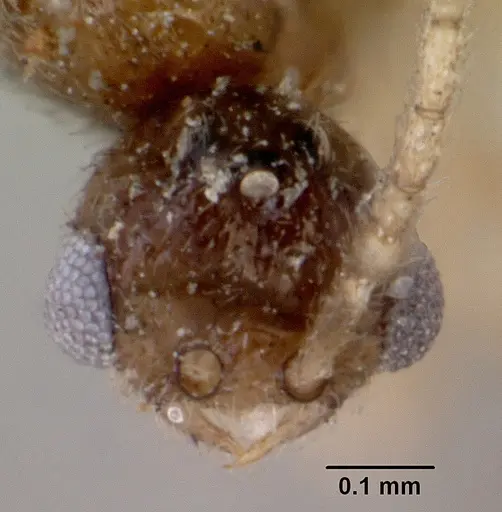
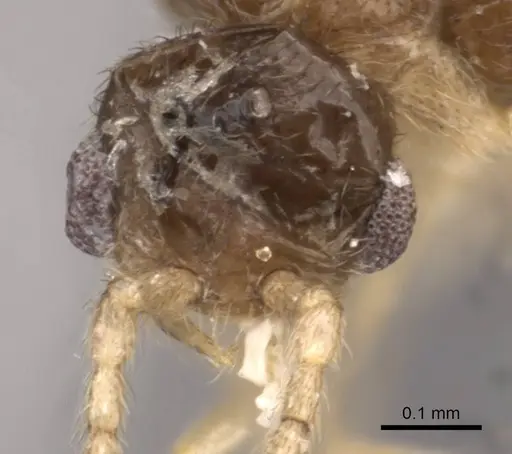
Males are tiny at approximately 1.1-1.7mm in total body length. They are yellowish-brown to medium-brown in color with relatively long legs and large eyes. Their mouthparts are reduced, which originally suggested they might be social parasites [1][2].
Where does Leptanilloides golbachi live?
The species is known only from Tucumán and Formosa provinces in northern Argentina, with potential distribution in Brazil. The subfamily Leptanilloidinae is believed to be largely subterranean, with ants occasionally foraging under rocks and debris on the ground surface [2].
Are there related species that can be kept?
Related genera in the Leptanilloidinae subfamily exist but are similarly rare and poorly studied. Asphinctanilloides is only known from workers (no males or queens described). Other Leptanilloides species may also be difficult or impossible to keep due to limited collection data.
Could workers of this species be discovered?
Yes, it is possible. Northern Argentina remains relatively understudied, and new ant species are discovered regularly. If workers are found, they would likely be small, subterranean predators similar to other Leptanilloidinae species.
Is this species endangered?
Its conservation status is not officially listed. The limited distribution in northern Argentina and the lack of specimens since the 1950s suggest it may be uncommon or difficult to find, but without current data, its status cannot be assessed.
Report an Issue
The current care sheet is based fully on literature. See inconsistencies, or something that's incorrect? Please , it will be resolved after review from an admin. Contributing to the blogs tab also helps providing information, to make us be able to further improve the caresheets. Thank you for your support!
References

Este guia de cuidados está sob a licença CC BY-SA 4.0 .
Posts da comunidade
CASENT0172251
Ver no AntWeb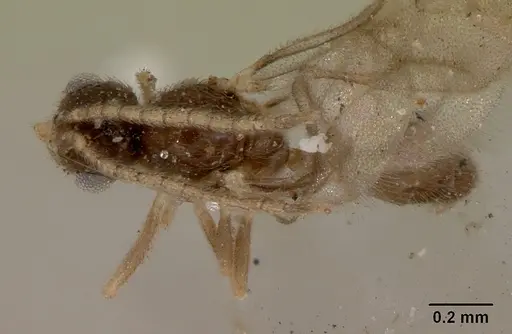
CASENT0172252
Ver no AntWeb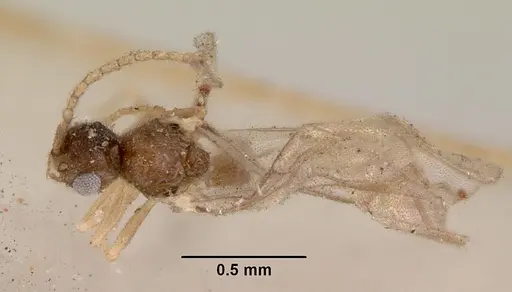
CASENT0172253
Ver no AntWeb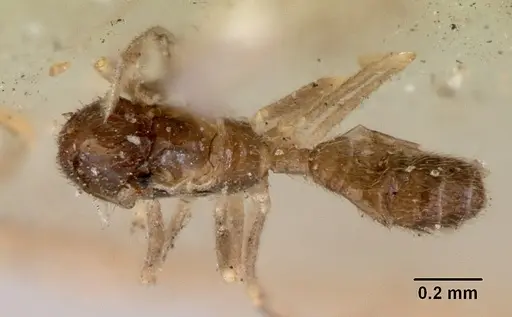
CASENT0907586
Ver no AntWeb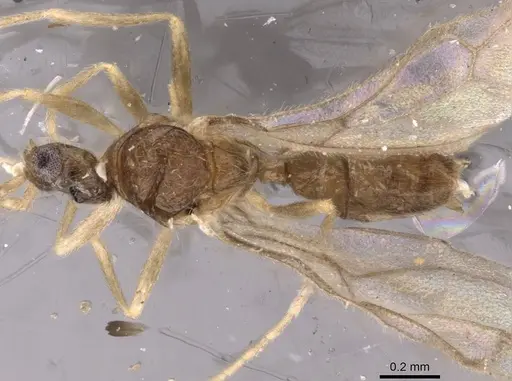
Literatura
Carregando mapa de distribuição...Carregando produtos...