
Lepisiota dhofara
- Nome científico
- Lepisiota dhofara
- Tribo
- Plagiolepidini
- Subfamília
- Formicinae
- Autor
- Collingwood & Agosti, 1996
- Distribuição
- Encontrada em 0 países
Introdução
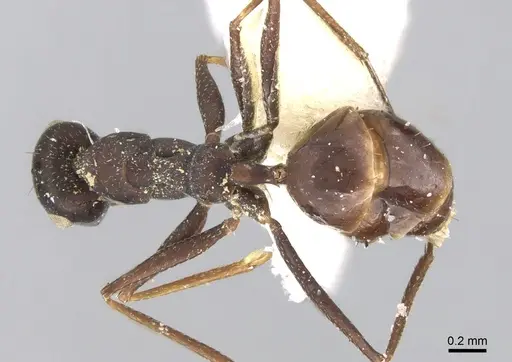
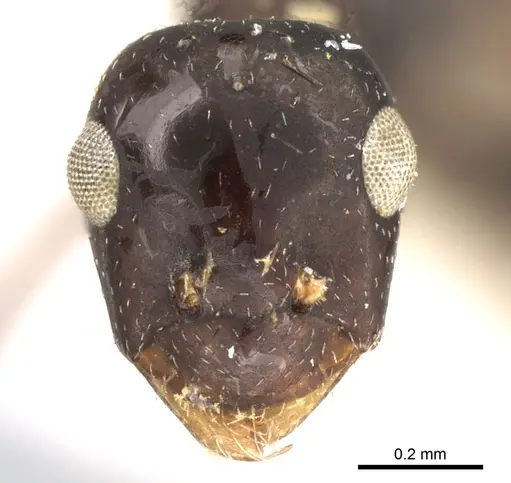
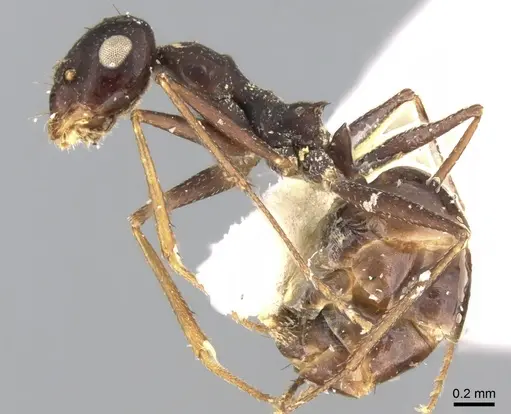
Lepisiota dhofara is a small ant species endemic to the Dhofar Governorate in southern Oman. Workers have a dark brown body with pale appendages, and are characterized by their densely sculptured and completely opaque head and mesosoma - a distinctive feature that sets them apart from most other Lepisiota species which typically have shinier surfaces. The species has long curved propodeal spines and pairs of long setae on the first and second gastral tergites. This is an extremely rare species, known from only a single specimen collected in 1984,making it one of the least studied ants in the Arabian Peninsula . What makes L. dhofara particularly interesting is its extreme rarity and limited distribution. It represents an Afrotropical affinity within the Arabian Peninsula, suggesting ancient connections to African ant faunas. The complete lack of biological data means virtually nothing is known about its colony structure, founding behavior, or daily habits. This species would be a collector's item for antkeepers interested in something unique, but the absence of any established care protocols makes it an expert-level challenge .
Quick Summary
- Difficulty: Expert
- Origin & Habitat: Endemic to the Dhofar Governorate in southern Oman, specifically collected from Jabal Qara. This region features a unique blend of Afrotropical and Palaearctic influences, with monsoon-influenced forests and mountainous terrain. The ant was found in this geographically isolated area. The type locality is a mountainous area that likely provides cool, shaded microhabitats [2][3][4].
- Colony Type: Unknown, colony structure has not been documented. The genus Lepisiota includes both single-queen and multi-queen species, but no data exists for this specific species.
- Size & Growth:
- Queen: Size data unavailable, no queen specimens have been described [5]
- Worker: Size data unavailable, only head width (0.60mm) and scape length (1.05mm) have been recorded, but total body length is not documented. Based on typical Lepisiota genus size, workers likely measure approximately 3-4mm [5]
- Colony: Unknown, only a single worker specimen has ever been collected [2]
- Growth: Unknown
- Development: Unknown, no development data exists for this species (No biological observations have been published.)
- Antkeeping:
- Temperature: Unknown, must be inferred from habitat. Dhofar Governorate experiences temperatures ranging from 15°C in winter to over 40°C in summer. Start with a moderate range of 22-28°C and observe colony activity. A thermal gradient allowing the ants to choose their preferred temperature is strongly recommended.
- Humidity: Unknown, Dhofar has a monsoon season with high humidity followed by very dry conditions. Provide a moisture gradient with a damp section and dry area, allowing the colony to self-regulate. Err on the drier side given the arid regional climate.
- Diapause: Unknown, no seasonal data exists. The Dhofar region has mild winters, so a reduced temperature period may be appropriate, but this is speculative rather than confirmed.
- Nesting: Unknown natural nesting behavior. Based on the genus and region, they likely nest in soil or under stones in shaded locations. For captivity, a Y-tong or plaster nest with both moist and dry chambers would be a reasonable starting point.
- Behavior: Behavior is completely unstudied. Based on genus-level knowledge, Lepisiota ants are typically ground-dwelling, with workers foraging individually or in small groups. They are not known for being particularly aggressive. Escape prevention should be taken seriously as workers are small.
- Common Issues: no established care protocols, this is an unstudied species with no captive husbandry history, extreme rarity means finding colony founders or established colonies is nearly impossible, risk of keeping conditions wrong due to complete lack of biological data, potential for specific environmental requirements that cannot be inferred from general knowledge, difficulty in obtaining accurate species identification without expert verification
Species Discovery and Rarity
Lepisiota dhofara was first described in 1996 by Collingwood and Agosti based on a single worker specimen collected from Jabal Qara in the Dhofar Governorate of Oman on October 18,1984. The species has remained extremely rare, with no additional specimens documented in subsequent surveys of Omani ants. This makes it one of the most poorly known ant species in the Arabian Peninsula [1][2][5].
The extreme rarity presents both a challenge and an opportunity for antkeepers. Finding a colony of this species would require either locating it in the wild or connecting with researchers who may have collected additional specimens. The complete absence of any captive husbandry literature means any keeper attempting to maintain this species would be pioneering entirely new care protocols. This carries significant risk but also represents an opportunity to document previously unknown biology [2].
Habitat and Distribution
L. dhofara is endemic to the Dhofar Governorate in southern Oman, a region with unique zoogeographic characteristics. Dhofar is geographically isolated from the rest of the Arabian Peninsula by the Arabian Sea and the Empty Quarter desert, creating conditions that allow Afrotropical species to persist. The area experiences a monsoon season from June to September, bringing moisture and creating a landscape that supports vegetation types found nowhere else in the region [3][2].
The type locality, Jabal Qara, is a mountainous area that likely provides the cool, shaded microhabitats this species requires. The densely sculptured body morphology suggests adaptation to a specific niche, possibly in leaf litter or under stones in protected areas. For captive care, replicating the monsoon-influenced seasonal patterns of Dhofar may be important, providing a wet season with high humidity and a dry season with reduced moisture [3][2].
Morphology and Identification
Workers of L. dhofara can be identified by several distinctive features. The head and mesosoma are densely sculptured and completely opaque, lacking any surface shine, this is unusual among Arabian Lepisiota species. The propodeal spines are long and curved. The petiole has teeth that are shorter than the space between them. The body is dark brown with pale appendages, and the first and second gastral tergites have pairs of long setae located at their posterior margins [1][3][5].
For antkeepers, positive identification is crucial given the species' rarity. Comparison with other Arabian Lepisiota species is recommended, and consultation with taxonomic experts may be necessary. The opaque, densely sculptured appearance is a key distinguishing feature from more common Lepisiota species which typically have shinier surfaces [1][3].
Genus-Level Care Inferences
Since no species-specific biological data exists, care must be inferred from what is known about the genus Lepisiota generally. The genus contains over 80 species distributed primarily in Africa, Asia, and southern Europe. Most Lepisiota species are ground-dwelling, nesting in soil or under stones, with workers that forage individually or in small groups. They are typically not aggressive and do not have painful stings [5].
For Lepisiota dhofara specifically, start with a test tube setup for founding colonies, transitioning to a small formicarium once the colony reaches 20-30 workers. Provide a temperature gradient of 22-30°C, humidity gradient from dry to moderately moist, and feed standard ant foods including sugar water or honey and small protein sources like fruit flies or mealworms. However, these are educated guesses based on genus patterns, the actual requirements of this species could differ significantly. Document everything carefully if you attempt to keep this species, as any observations would contribute valuable new knowledge to science [5].
Legal and Ethical Considerations
Before attempting to acquire Lepisiota dhofara, verify the legal status of collecting and keeping this species. Oman has laws protecting native wildlife, and export of endemic species may be restricted or prohibited. Additionally, the extreme rarity of this species raises conservation concerns, removing individuals from the wild could potentially harm already tiny populations. Ethical antkeeping suggests prioritizing captive-bred colonies if available, though none are known to exist in the hobby [2].
If you encounter specimens claimed to be L. dhofara, exercise caution. The species is so rare that misidentification is likely, what appears to be this species may actually be a more common Lepisiota. Professional identification by a myrmecologist would be valuable before investing significant effort into what might turn out to be a different species [2].
Frequently Asked Questions
Is Lepisiota dhofara available for purchase in the antkeeping hobby?
No, this species is essentially unavailable in the antkeeping hobby. It is known from only a single specimen collected in 1984 and has never been documented in captivity. Finding this species would require either field collection in Oman or connecting with researchers who may have collected additional specimens.
How do I care for Lepisiota dhofara?
No established care protocol exists because this species has never been kept in captivity. You would need to infer care from related Lepisiota species, providing a temperature gradient of 22-28°C, humidity gradient from dry to moderately moist, and standard ant foods. However, this is entirely speculative and carries significant risk of failure. This species is recommended only for expert antkeepers willing to document and potentially publish their observations.
What does Lepisiota dhofara look like?
Workers are small ants with dark brown body and pale appendages. The most distinctive feature is their densely sculptured, completely opaque body, they lack the shine typical of many ant species. They have long curved spines on the propodeum and bristle-like setae on the rear of the abdomen [1][3].
Where does Lepisiota dhofara live?
This species is endemic to the Dhofar Governorate in southern Oman. It was only found once, at Jabal Qara in 1984. Dhofar is a mountainous region with unique Afrotropical influences due to its geographic isolation and monsoon climate. No other populations have ever been documented [2][3][4].
Is Lepisiota dhofara dangerous?
Danger levels are unknown. The genus Lepisiota is not known for having painful stings or aggressive behavior, but this specific species has never been observed in captivity or in the wild by researchers studying its behavior.
How big do Lepisiota dhofara colonies get?
Colony size is completely unknown. Only a single worker has ever been collected. Related Lepisiota species typically form colonies of several hundred to a few thousand workers, but there is no data to estimate what this species might achieve in captivity.
Can I keep multiple Lepisiota dhofara queens together?
This is unknown. The colony structure of this species has never been documented. The genus Lepisiota includes both single-queen and multi-queen species. Without any data on this specific species, combining unrelated queens is not recommended given the high risk of failure.
Does Lepisiota dhofara need hibernation?
Diapause requirements are completely unknown. The Dhofar region has mild winters with temperatures rarely dropping below 15°C. A reduced temperature period may be appropriate based on regional climate patterns, but this is speculative rather than confirmed.
How long does it take for Lepisiota dhofara eggs to develop into workers?
This is entirely unknown, no one has ever documented the development of this species.
Are Lepisiota dhofara good for beginners?
No. This species is not recommended for beginners. There is no captive husbandry information, the species is extremely rare, and keeping it would require pioneering entirely new care protocols. Even experienced antkeepers should approach this species with extreme caution and a willingness to document their observations for scientific contribution.
Report an Issue
The current care sheet is based fully on literature. See inconsistencies, or something that's incorrect? Please , it will be resolved after review from an admin. Contributing to the blogs tab also helps providing information, to make us be able to further improve the caresheets. Thank you for your support!
References

Este guia de cuidados está sob a licença CC BY-SA 4.0 .
Posts da comunidade
CASENT0906340
Ver no AntWeb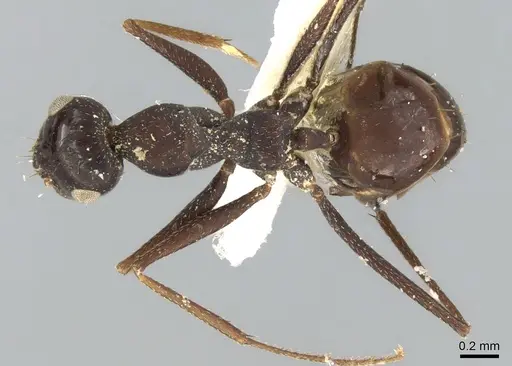
Literatura
Carregando mapa de distribuição...Carregando produtos...