
Lasius tapinomoides
- Nome científico
- Lasius tapinomoides
- Tribo
- Lasiini
- Subfamília
- Formicinae
- Autor
- Salata & Borowiec, 2018
- Distribuição
- Encontrada em 1 países
Introdução
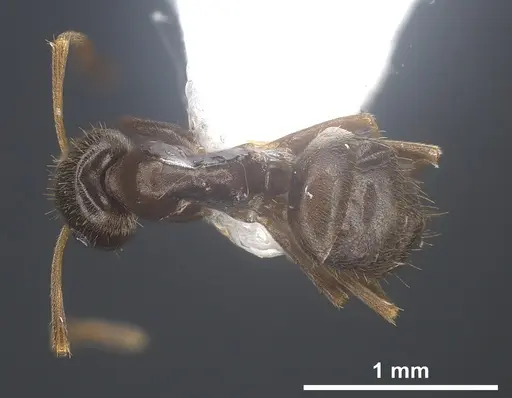
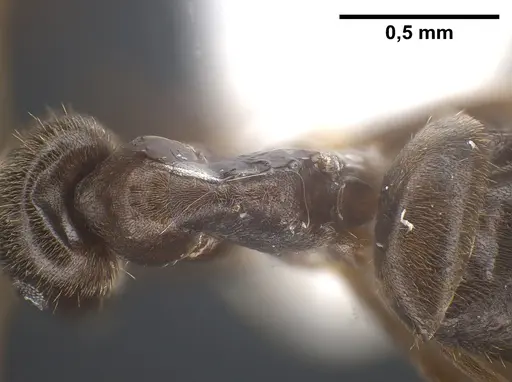
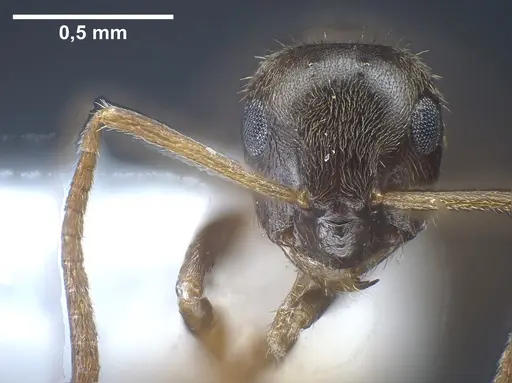
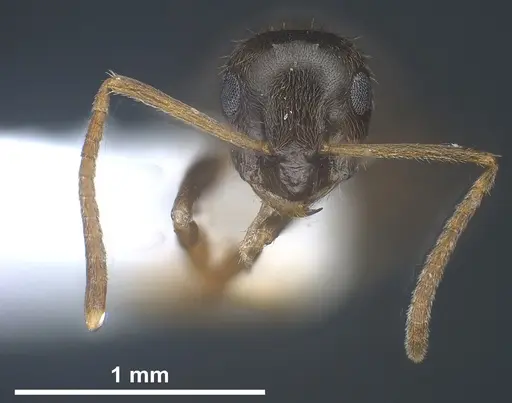
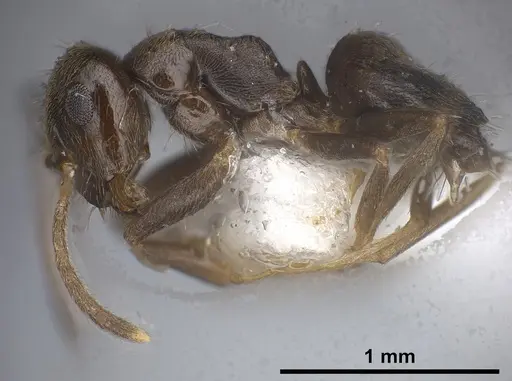
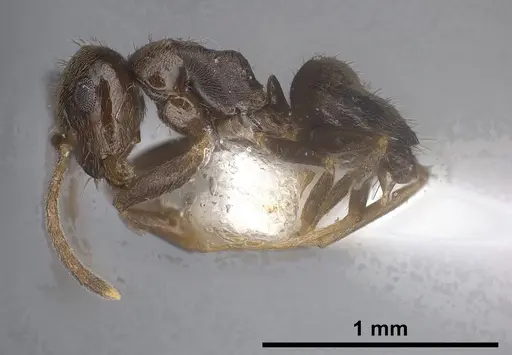
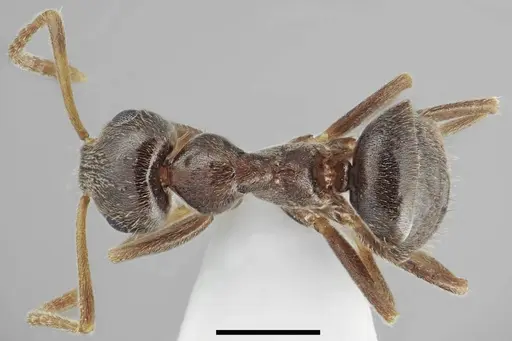
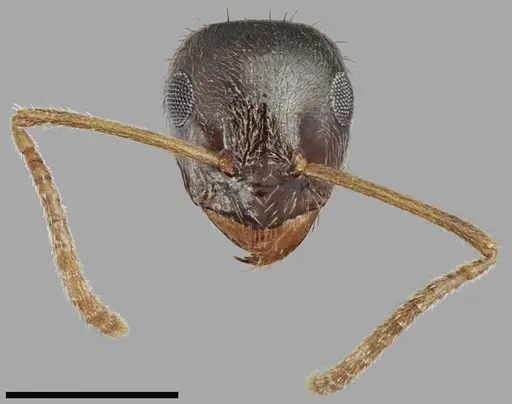
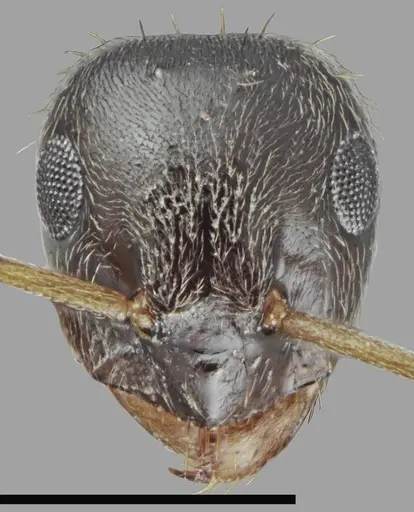
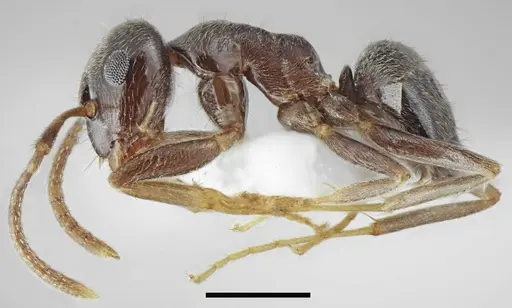
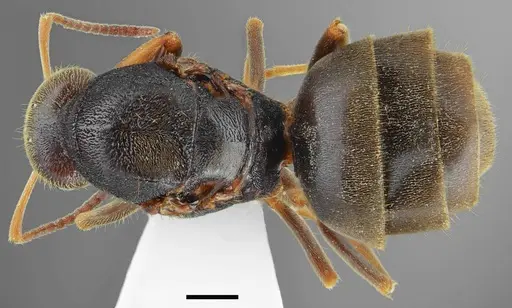
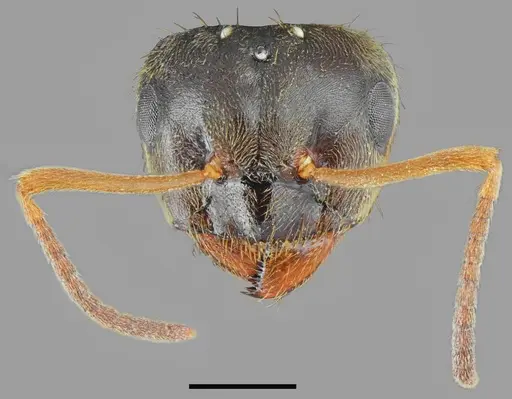
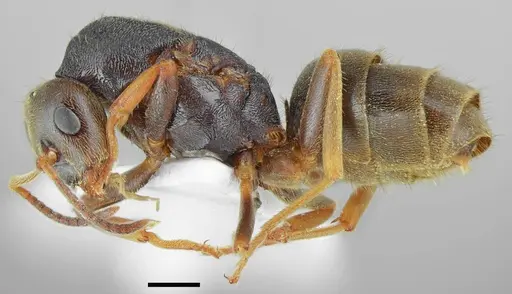
Lasius tapinomoides is a tiny ant species endemic to Crete, Greece, first described in 2018. Workers are among the smallest in the genus, with a uniformly brown to dark brown body and bright brown to orange antennae and legs . The species has a very shallow metanotal groove, giving it a resemblance to ants in the genus Tapinoma . Colonies are monogyne, meaning they have a single queen, and the species inhabits moist, closed canopy forests in stream valleys, nesting in wet soil under shallow rocks near water sources .
Quick Summary
- Difficulty: Medium
- Origin & Habitat: Endemic to Crete, Greece. Inhabits moist, closed canopy forests in stream valleys at low altitudes (10-342 m). Nests in wet soil under shallow, small rocks, typically near water sources [1][2][3][4].
- Colony Type: Monogyne, single queen colonies confirmed by multiple studies [1][2][3].
- Size & Growth:
- Queen: Size data unavailable, no total length measurements provided in research.
- Worker: Size data unavailable, no total length measurements provided in research.
- Colony: Colony size data limited, no specific numbers documented.
- Growth: Moderate, inferred from typical Lasius development patterns.
- Development: Estimated 6-10 weeks based on typical Lasius genus development. (Development time is inferred since specific timing has not been documented for this species.)
- Antkeeping:
- Temperature: Keep warm, roughly 20-25°C, based on Mediterranean habitat inference.
- Humidity: Keep nest substrate consistently moist but not waterlogged, as they inhabit wet soil in the wild [1][2].
- Diapause: Likely requires a mild winter rest period, cool period around 10-15°C for 2-3 months during winter.
- Nesting: Y-tong, plaster, or soil nests work well, provide moist substrate and mimic natural nesting under rocks.
- Behavior: Workers are small and docile, foraging in leaf litter and on rocks near nest entrances. Their tiny size requires excellent escape prevention. They are not aggressive [1][2].
- Common Issues: escape prevention is critical due to very small size, standard barriers may not contain them [3], maintaining high humidity can be challenging, dry conditions stress colonies [1], colonies are slow to establish due to small size and modest growth rates, as an endemic species, wild collection may be ethically questionable [4], winter diapause requirements are not well-documented, monitor colony response
Housing and Nest Setup
Lasius tapinomoides requires a humid environment that mimics its natural habitat in Cretan stream valleys. Use Y-tong, plaster, or soil nests with moist substrate to maintain humidity. Nest under shallow rocks in wet soil, as they do in the wild [1][2]. Because workers are extremely small, apply fluon barriers and use fine mesh for ventilation to prevent escapes [3].
Colony Establishment
Colonies are monogyne, with a single queen [1][2][3]. Founding behavior is unconfirmed in research, so it is unknown whether queens are claustral or semi-claustral. Initial growth is slow due to small colony size.
Escape Prevention
Workers are among the smallest in the genus, making escape prevention critical. Apply fluon to all rim edges, use fine mesh for ventilation, and check connection points daily [3].
Frequently Asked Questions
How long does it take for Lasius tapinomoides to produce first workers?
The exact timeline is not documented in research [1]. Based on typical Lasius development, it may take 6-10 weeks at optimal temperature, but this is inferred.
Can I keep multiple Lasius tapinomoides queens together?
No. This is a monogyne species with documented single-queen colonies. Multiple unrelated queens will fight [1][2].
What do Lasius tapinomoides eat?
Diet specifics are not documented in research. Based on typical Lasius patterns, they are omnivorous and may accept sugar water and small insects.
What temperature do Lasius tapinomoides need?
Temperature requirements are not specified in research. Based on their Mediterranean habitat, keep them warm, roughly 20-25°C.
How big do Lasius tapinomoides colonies get?
Colony size is not well-documented. No specific numbers are available in research [1].
Do Lasius tapinomoides need hibernation?
Diapause requirements are not specified in research. Based on their geographic range, a mild winter rest period may be beneficial.
Why are my Lasius tapinomoides escaping?
Their extremely small size makes escape likely. Apply fluon to all rim edges, use fine mesh for ventilation, and check all connection points [3].
Is Lasius tapinomoides good for beginners?
This species is moderately difficult due to small size and humidity needs. Experience with antkeeping is recommended.
Report an Issue
The current care sheet is based fully on literature. See inconsistencies, or something that's incorrect? Please , it will be resolved after review from an admin. Contributing to the blogs tab also helps providing information, to make us be able to further improve the caresheets. Thank you for your support!
References

Este guia de cuidados está sob a licença CC BY-SA 4.0 .
Posts da comunidade
Literatura
Carregando mapa de distribuição...Carregando produtos...