
Lasius longiceps
- Nome científico
- Lasius longiceps
- Tribo
- Lasiini
- Subfamília
- Formicinae
- Autor
- Seifert, 1988
- Distribuição
- Encontrada em 0 países
Introdução
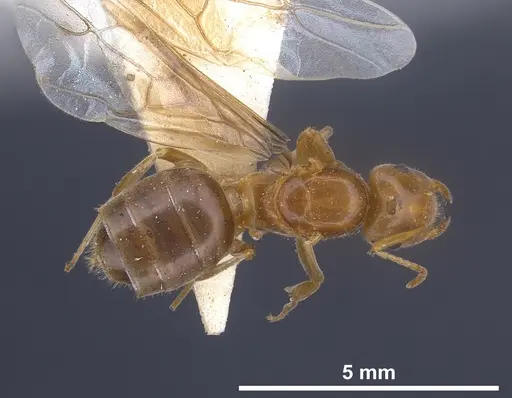
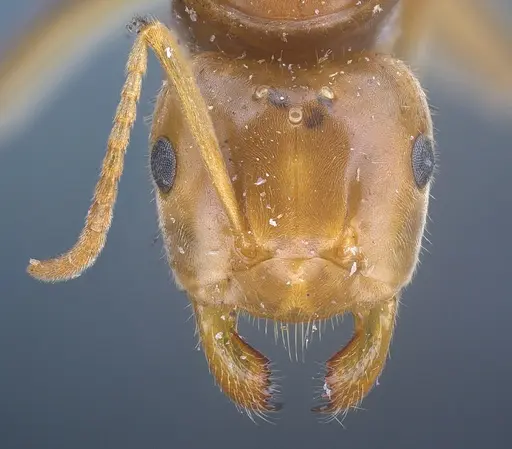
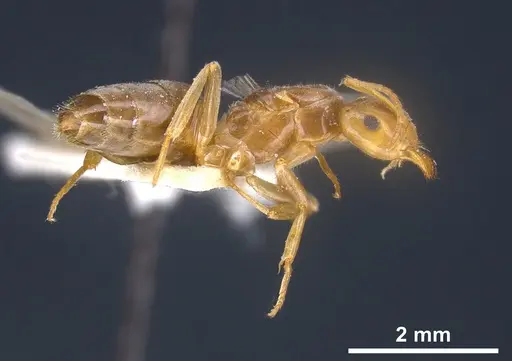
Lasius longiceps is a rarely encountered ant found in Russia, Ukraine, and Kazakhstan . Originally described as a subspecies of Lasius jensi, researchers raised it to full species status in 2007 after finding consistent differences in body shape and hair patterns between the two forms . Field surveys show this species inhabits meadows, aspen groves, and disturbed ground near old quarries in the southern Tyumen region of Russia . Workers forage on the surface during summer months, and colonies produce winged queens and males by mid-August . Little is known about the specific biology of this species in captivity. It belongs to the Chthonolasius group - ants that typically live underground and tend root aphids. Many of its close relatives are temporary social parasites, meaning new queens may need to invade existing colonies to start their own, but this has not been confirmed for L. longiceps specifically .
Quick Summary
- Difficulty: Hard
- Origin & Habitat: Russia, Ukraine, and Kazakhstan, found in meadows, aspen groves, and slopes near quarries in temperate continental climates [1][4][2]
- Colony Type: Unknown, likely single-queen based on genus patterns, but unconfirmed
- Size & Growth:
- Queen: size data unavailable, inferred from typical Lasius patterns (~4-6mm)
- Worker: size data unavailable, inferred from typical Lasius patterns (~2-3mm)
- Colony: up to 200+ workers observed in wild colonies [4]
- Growth: Unknown
- Development: unknown, inferred from typical Lasius patterns (6-10 weeks at 20-25°C) (Timeline inferred from related Lasius species, actual timing may vary with temperature)
- Antkeeping:
- Temperature: Keep at 20-24°C during active season. Provide hibernation at 5-10°C for 3-4 months over winter based on temperate geographic origin [2]
- Humidity: Keep nest substrate consistently moist but not waterlogged. These ants likely prefer damp conditions similar to other subterranean Lasius species.
- Diapause: Yes, required. Colonies from temperate Russia need a cold winter rest period based on geographic origin [2]
- Nesting: Subterranean nesters. Use dark, humid setups such as Y-tong (AAC) blocks, plaster nests, or naturalistic soil setups with good moisture retention.
- Behavior: Subterranean foragers that likely tend root aphids. Workers observed foraging on the surface in July and August [4]. Temperament unknown, but Lasius species are typically peaceful but fast-moving. Tiny size means excellent escape prevention is essential.
- Common Issues: founding behavior is unconfirmed, may require host colonies if temporarily parasitic like related Chthonolasius species., tiny size means escapes are likely without fine mesh barriers and Fluon-coated rims., colonies may fail without proper winter hibernation due to temperate Russian origin., lack of specific care data means keepers must experiment carefully and observe colony responses.
Distribution and Habitat
Lasius longiceps lives in the western Palaearctic region, specifically in Russia, Ukraine, and Kazakhstan [1][2]. Within Russia, it has been recorded in the European part (Central and South regions), the Urals, and western Siberia [2].
Field surveys in the southern Tyumen region found colonies in diverse habitats including feather grass meadows, aspen groves, and slopes near old quarries [4]. Workers were collected from the surface of meadows and from within Formica rufa mounds, suggesting they may nest in soil or use existing cavities in the ground [4]. The species appears to tolerate disturbed habitats, having been found near railway crossings and old quarry sites [4].
Seasonal Activity and Nuptial Flights
Colonies are active during summer months. In the Tyumen region, workers were collected in early July and early August [4]. Winged queens and males were present in colonies by mid-August, suggesting nuptial flights likely occur in late summer [4].
Given the temperate continental climate of its range, colonies likely enter diapause from autumn through spring. Cool your colony for 3-4 months during winter to match this natural cycle [2].
Taxonomic History
Seifert first described this ant in 1988 as Lasius longiceps, a subspecies of Lasius jensi [3]. The type specimens came from Russia. For nearly two decades, researchers considered it an eastern form of L. jensi.
In 2007,Zryanin and Zryanina studied material from the Nizhny Novgorod region where both forms occur close together (parapatric distribution). They found consistent differences in body proportions (allometry) and hair patterns (chaetotaxy) between the two, leading them to raise longiceps to full species status [3].
Captive Care Considerations
Founding behavior for this species is completely unconfirmed. Many Lasius species in the Chthonolasius group are temporary social parasites, meaning new queens must invade existing colonies of other Lasius species to start their own nests. However, this has not been documented for L. longiceps specifically, so we cannot confirm if this applies [5].
If you obtain a queen, you may need to attempt both claustral founding (queen alone) and parasitic founding (with host workers) to determine what works. Start with a standard test tube setup, but watch carefully for signs of stress or failure to lay eggs.
Keep the nest dark and humid. These are subterranean ants that likely spend most of their time in soil tunnels tending root aphids. A Y-tong (AAC) nest or plaster nest with covered chambers works better than open acrylic for this species.
Feeding
Specific dietary preferences are unknown. Based on related Chthonolasius species, they likely feed primarily on honeydew from root-feeding aphids and scale insects, supplemented with small prey items [5].
In captivity, offer sugar water or honey water constantly. For protein, try small live prey such as fruit flies, springtails, or tiny pieces of mealworm. Observe whether workers accept the food readily, if they ignore larger prey, try smaller options.
Frequently Asked Questions
Do Lasius longiceps need hibernation?
Yes. Because they come from temperate Russia and Kazakhstan, they likely require a winter diapause period. Cool your colony to 5-10°C for 3-4 months during winter based on their geographic origin [2].
Can I keep Lasius longiceps in a test tube?
You can start with a test tube setup, but founding behavior is unconfirmed. If this species is temporarily parasitic like its relatives, a test tube alone may not work and you might need host workers. Watch your queen carefully for signs of stress [5].
How long until Lasius longiceps get their first workers?
The exact timeline is unknown. Based on typical Lasius development, expect roughly 6-10 weeks from egg to worker at 20-25°C, but this is an estimate.
What do Lasius longiceps eat?
Specific diet is unstudied. Likely sugar sources (honeydew) and small insects. Offer sugar water constantly and small live prey like fruit flies or springtails [5].
Are Lasius longiceps good for beginners?
No. This is a poorly studied species with unknown founding requirements. Beginners should start with well-documented species like Lasius niger or Formica fusca instead.
How big do Lasius longiceps colonies get?
Colony size data is limited. Field surveys found up to 200+ workers in wild colonies, suggesting they likely remain small to moderate in size [4].
Can I keep multiple Lasius longiceps queens together?
Not recommended. Combining unrelated queens has not been documented for this species. Even if the species is polygynous (multi-queen), this usually applies to sisters from the same colony, not random queens [5].
Where are Lasius longiceps found in the wild?
They live in Russia, Ukraine, and Kazakhstan. Within Russia, they occur in the European part (Central and South), the Urals, and western Siberia. They inhabit meadows, aspen groves, and disturbed areas like old quarries [1][2][4].
Report an Issue
The current care sheet is based fully on literature. See inconsistencies, or something that's incorrect? Please , it will be resolved after review from an admin. Contributing to the blogs tab also helps providing information, to make us be able to further improve the caresheets. Thank you for your support!
References

Este guia de cuidados está sob a licença CC BY-SA 4.0 .
Posts da comunidade
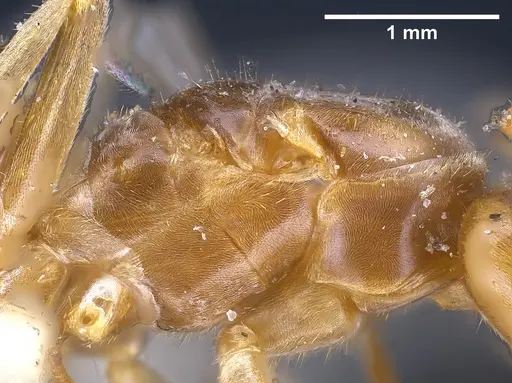
ANTWEB1041270
Ver no AntWeb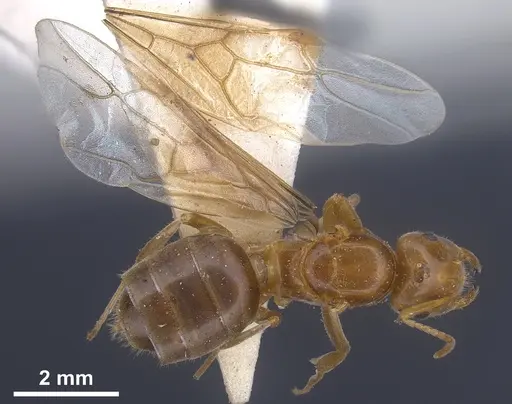
Literatura
Carregando mapa de distribuição...Carregando produtos...