
Lasius capitatus
- Nome científico
- Lasius capitatus
- Tribo
- Lasiini
- Subfamília
- Formicinae
- Autor
- Kuznetsov-Ugamsky, 1928
- Distribuição
- Encontrada em 0 países
Introdução
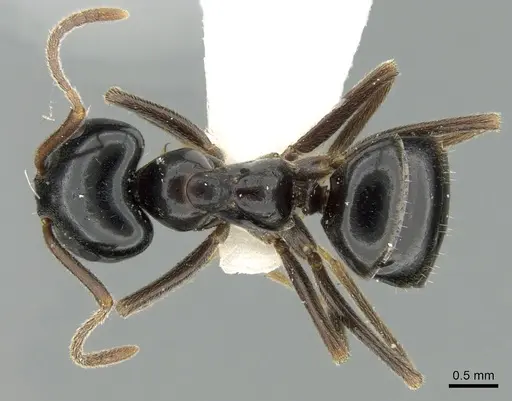
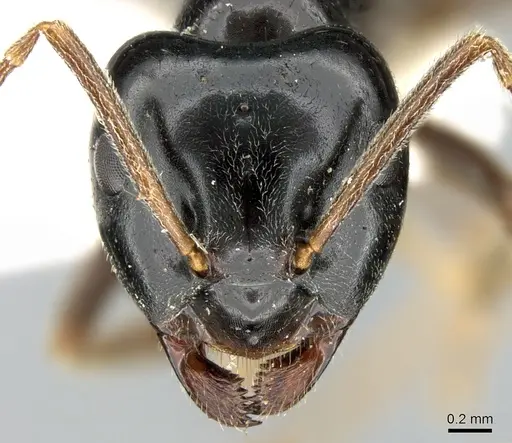
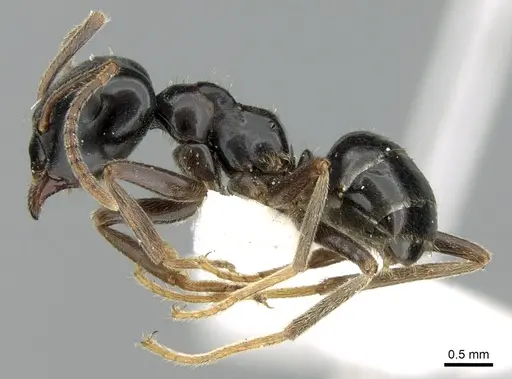
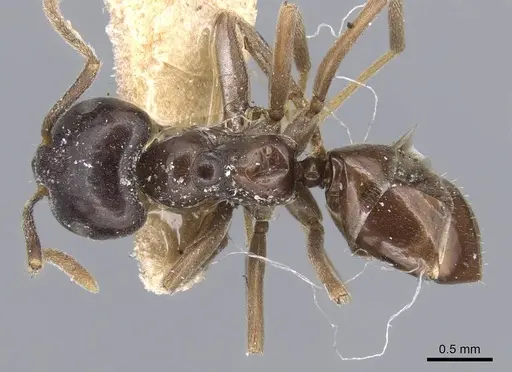
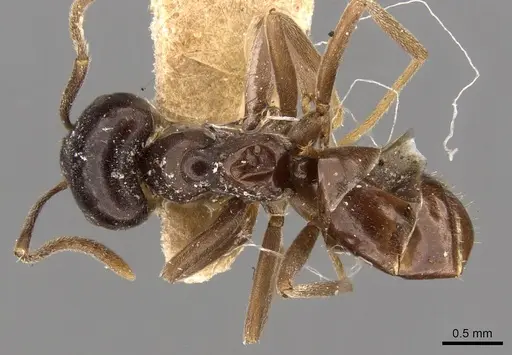
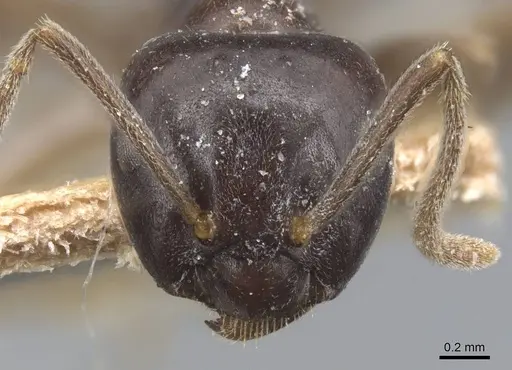
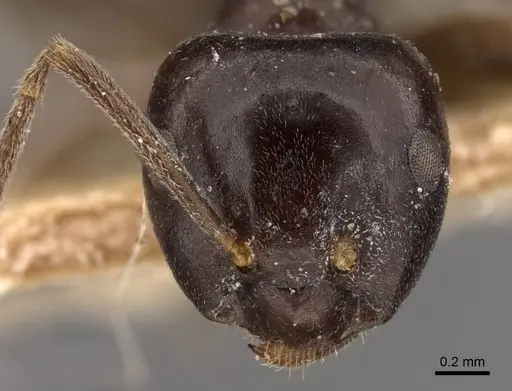
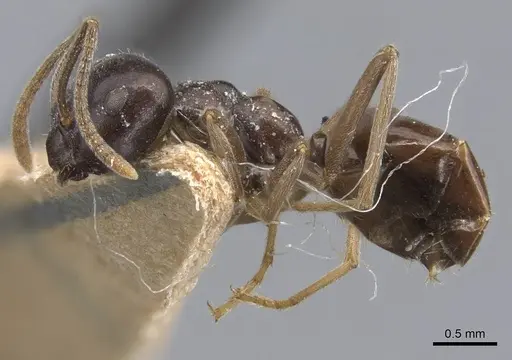
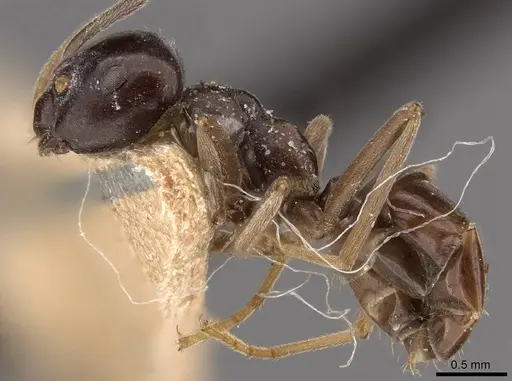
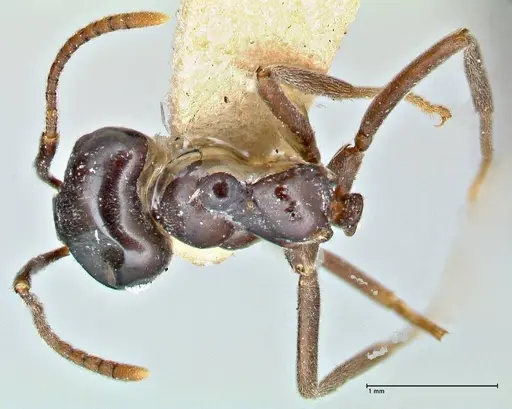
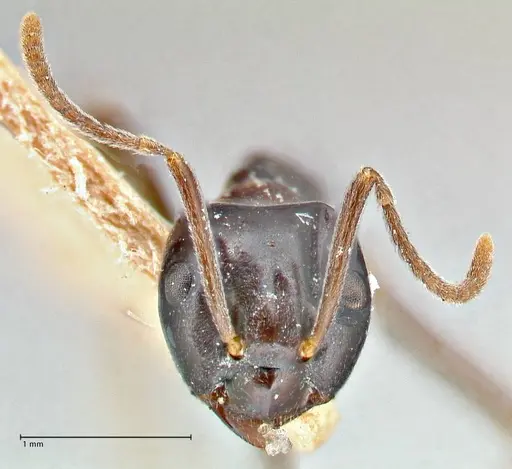
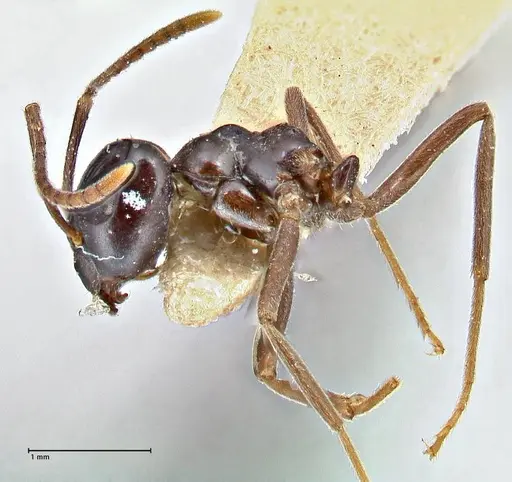
Lasius capitatus is a small, jet-black ant belonging to the subgenus Dendrolasius, part of the fuliginosus group. Workers measure 4-4.5mm and have a distinctive inverted V-shaped petiolar profile, with the scale broadest at midlength and tapering toward a convex dorsal margin without a notch. This species is native to East Asia, found throughout Japan's main islands (Hokkaido, Honshu, Shikoku), as well as the Russian Far East, Korean Peninsula, and Taiwan . What makes Lasius capitatus particularly interesting is its lifestyle as a temporary social parasite - queens invade nests of the host species Lasius productus, kill or replace the host queen, and use the host workers to raise their first brood until the colony becomes self-sufficient .
Quick Summary
- Difficulty: Expert
- Origin & Habitat: East Asia, Japan (Hokkaido, Honshu, Shikoku), Russian Far East (Primorye), Korean Peninsula, and Taiwan. In nature, they nest in association with Lasius productus colonies, likely in similar habitats to their host (forest edges, meadows, and damp areas where L. productus typically nests) [1][2][3].
- Colony Type: Temporary social parasite. Queens invade host colonies (Lasius productus), kill the host queen, and use host workers to raise their first brood. This is NOT a typical colony structure, the species cannot found colonies independently like most Lasius.
- Size & Growth:
- Queen: ~6-8mm, inferred from typical Lasius species in the fuliginosus group, as specific measurements are not available
- Worker: 4-4.5mm [1]
- Colony: Maximum colony size unconfirmed for this species
- Growth: Moderate, growth depends on successful host colony integration
- Development: Unconfirmed, likely 6-10 weeks based on related Lasius species at optimal temperature (~22-25°C) (Development is tied to host colony resources, once established, growth rate depends on colony health)
- Antkeeping:
- Temperature: Keep at 22-25°C, similar to other Lasius species. A gentle gradient allows workers to self-regulate.
- Humidity: Moderate humidity (50-60%), avoid overly dry conditions but also avoid waterlogging. Lasius productus prefers slightly damp substrates.
- Diapause: Likely requires winter diapause (hibernation) from late autumn through early spring, given their northern distribution. Reduce temperature to 5-10°C for 3-4 months.
- Nesting: This species requires a host colony to establish. In captivity, you would need to introduce a newly mated queen into an established Lasius productus colony, or maintain both species together. Y-tong or soil nests work well once the colony is integrated.
- Behavior: Shy and non-aggressive by nature, they rely on their host colony for protection and resources. Workers are small (4-4.5mm) and unlikely to escape through typical barriers, but standard escape prevention is still recommended. Foraging behavior is tied to the host colony, once integrated, they likely participate in typical Lasius foraging (honeydew collection, small insects).
- Common Issues: establishment failure, queens that cannot successfully integrate into a host colony will die. this is the primary challenge for keeping this species., host colony health, if the Lasius productus host colony declines, the Lasius capitatus colony will also fail., finding a host colony, Lasius productus may not be readily available in the antkeeping hobby, making this species extremely difficult to keep., slow initial growth, even with successful integration, growth is slower than typical claustral founding species., temperature management during establishment, queens need warm, stable conditions during the critical integration period.
Understanding Temporary Social Parasitism
Lasius capitatus is a temporary social parasite, meaning its queens cannot start colonies the way most ants do. Instead, a newly mated queen must find an established colony of Lasius productus (the host species), infiltrate the nest, kill or replace the host queen, and trick the host workers into raising her brood. The host workers continue their normal duties while raising the parasite's offspring. Once the first generation of Lasius capitatus workers emerges, they gradually replace the host workers, and the colony becomes self-sustaining [1][3]. This unique life cycle makes Lasius capitatus one of the most challenging ants to keep, you essentially need two colonies: a healthy host colony and a newly mated Lasius capitatus queen. The integration process is delicate and often fails, even for experienced keepers.
Housing and Integration
Keeping Lasius capitatus requires a multi-step approach. First, you need a healthy, established Lasius productus colony (the host). Then, you must introduce a newly mated Lasius capitatus queen into this host colony. The introduction should be done carefully, some keepers recommend placing the queen in a small container with host colony workers first to allow pheromones to mix before full integration. The queen will need to kill the host queen and establish her dominance. Once successful, the combined colony can be housed in a standard Lasius setup, Y-tong nests or test tube setups all work well once the colony is established. The nest should have moderate humidity and temperatures around 22-25°C.
Feeding and Diet
Once integrated with a host colony, Lasius capitatus likely has similar dietary needs to other Lasius species. They probably feed on honeydew (you can provide sugar water or honey), and small insects like fruit flies, pinhead crickets, or mealworms. The host workers do the foraging, so food should be offered near the host colony's foraging areas. Based on related species in the fuliginosus group, they may also tend aphids for honeydew. Feed protein sources 2-3 times per week and provide sugar water constantly.
Seasonal Care and Overwintering
Like other Lasius species from temperate regions, Lasius capitatus likely requires a winter diapause. In autumn, reduce temperatures to 5-10°C and maintain this for 3-4 months. During this period, the colony will be less active and may cluster in the cooler parts of the nest. Do not feed during deep hibernation, but ensure the nest does not dry out completely. Return to normal temperatures (22-25°C) in spring to trigger renewed activity and brood development. The nuptial flights occur in September in Japan [1][3], so if you're attempting to catch a queen, this is the time to look.
Frequently Asked Questions
Can I keep Lasius capitatus like a normal Lasius species?
No. Lasius capitatus is a temporary social parasite that requires a host colony (Lasius productus) to establish. Unlike typical Lasius that found colonies independently, this species needs to invade and take over another colony. This makes them extremely difficult to keep and only suitable for expert antkeepers with access to host colonies.
How do I start a Lasius capitatus colony?
You need two things: a newly mated Lasius capitatus queen (caught during September nuptial flights) and an established Lasius productus colony. Introduce the queen carefully to the host colony, where she must kill the host queen and integrate. Success rates are low even for experienced keepers. This species is not recommended for beginners.
What do Lasius capitatus eat?
Once integrated with their host colony, they likely eat the same foods as other Lasius species: honeydew (sugar water or honey), small insects, and possibly aphid honeydew. The host workers do the foraging, so food should be placed near the host colony.
What temperature do Lasius capitatus need?
Keep them at 22-25°C, similar to other Lasius species. A temperature gradient allows the ants to choose their preferred zone. They also require a winter diapause of 3-4 months at 5-10°C.
How big do Lasius capitatus colonies get?
The maximum colony size is not documented, but based on related species in the fuliginosus group, they likely reach several hundred to a few thousand workers once fully established.
Where can I find Lasius capitatus queens?
Nuptial flights occur in September in Japan (Gifu Prefecture) [1][3]. If you're in their natural range (Japan, Korea, Russian Far East), you might find newly mated queens during this time. However, finding both Lasius capitatus queens AND Lasius productus host colonies makes this species extremely challenging to keep.
Is Lasius capitatus good for beginners?
No. This species is not recommended for beginners or even intermediate antkeepers due to their parasitic lifestyle requiring a host colony. Only expert antkeepers with specific knowledge of social parasites and access to host colonies should attempt this species.
Report an Issue
The current care sheet is based fully on literature. See inconsistencies, or something that's incorrect? Please , it will be resolved after review from an admin. Contributing to the blogs tab also helps providing information, to make us be able to further improve the caresheets. Thank you for your support!
References

Este guia de cuidados está sob a licença CC BY-SA 4.0 .
Posts da comunidade
Literatura
Carregando mapa de distribuição...Carregando produtos...