
Iridomyrmex xanthocoxa
- Nome científico
- Iridomyrmex xanthocoxa
- Tribo
- Leptomyrmecini
- Subfamília
- Dolichoderinae
- Autor
- Heterick & Shattuck, 2011
- Distribuição
- Encontrada em 1 países
Introdução
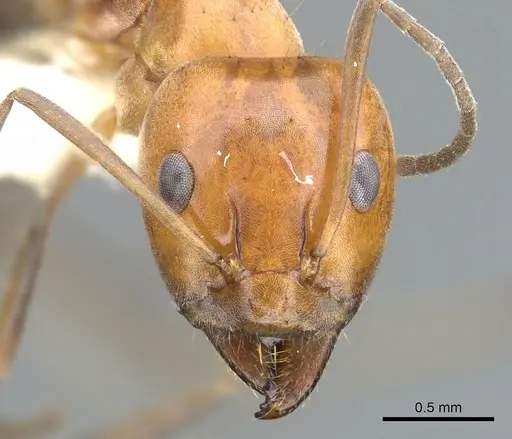
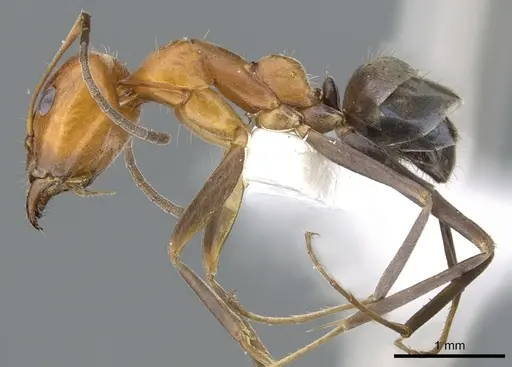
Iridomyrmex xanthocoxa is a small ant species native to the Pilbara region of Western Australia. Workers are among the smaller Dolichoderine ants, with head measurements of 0.90-1.03mm in length and 0.60-0.66mm in width . The species is identified by its distinctive yellowish-orange fore coxae, which match the color of the mesosoma, along with a brown gaster that displays a bluish iridescence. The head and mesosoma are orange to reddish-orange, while the legs are brown . This species has a limited geographic range but can be quite abundant in pitfall samples from certain areas. It is closely related to Iridomyrmex minor, and while detailed biological studies are lacking, its care is expected to be similar to that species . Like other Dolichoderine ants, this species lacks a functional sting and relies on chemical defense secretions.
Quick Summary
- Difficulty: Medium
- Origin & Habitat: Pilbara region of Western Australia. This arid to semi-arid region experiences hot temperatures and low to moderate rainfall. The ants are found in ground-level habitats and likely nest in soil or under stones in typical Iridomyrmex fashion [2].
- Colony Type: Colony structure is unconfirmed for this species. Based on typical Iridomyrmex patterns, colonies likely have a single queen.
- Size & Growth:
- Queen: Size data unavailable, no queen measurements have been documented for this species.
- Worker: Small species, head length 0.90-1.03mm, head width 0.60-0.66mm [1]. Full body size data is not available.
- Colony: Unconfirmed, no specific colony size data exists for this species.
- Growth: Moderate, based on typical Iridomyrmex development patterns.
- Development: Unconfirmed, specific development timeline has not been studied for this species. (Development time is inferred from related Iridomyrmex species as specific data for this species is unavailable.)
- Antkeeping:
- Temperature: Keep at 24-30°C, mimicking warm Australian conditions. A heating cable on one side of the nest creates a gradient that allows ants to thermoregulate. The Pilbara region experiences extreme heat, so they can tolerate higher temperatures within this range [2].
- Humidity: Low to moderate humidity is appropriate. Pilbara is an arid region, so aim for drier conditions, around 40-60% humidity. Ensure the nest substrate has a moist section but also dry areas for the ants to self-regulate.
- Diapause: Likely minimal or no true diapause. The Pilbara region has mild winters, and related Iridomyrmex species from similar climates do not require extended hibernation. A brief cooling period (4-6 weeks at 15-18°C) may be beneficial but is likely not required.
- Nesting: Use a Y-tong (AAC) or plaster nest with moderate humidity chambers. The species is small, so ensure chambers and passages are appropriately scaled. A naturalistic setup with a soil layer and flat stones also works well, mimicking their natural under-stone nesting habitat.
- Behavior: Iridomyrmex xanthocoxa is likely an active forager with typical Dolichoderine behavior. Workers are fast-moving and will likely establish foraging trails. They are not known to be particularly aggressive but will defend their colony using chemical secretions, as Dolichoderine ants lack a functional sting. The gaster displays bluish iridescence, which is characteristic of many Iridomyrmex species. Escape prevention is critical due to their small size, use fine mesh barriers and ensure all openings are sealed. They are generalist feeders, accepting both sugar sources and protein [2].
- Common Issues: small size means escapes are likely without fine mesh barriers, limited biological data makes precise care recommendations challenging, wild-caught colonies may have parasites that can affect captive survival, overheating risk, while from a hot region, extreme temperatures should still be avoided, colonies may be slow to establish due to limited founding data
Nest Preferences
In their natural Pilbara habitat, Iridomyrmex xanthocoxa likely nests in soil or under stones, typical of many Iridomyrmex species. For captive care, a Y-tong (AAC) nest or plaster nest works well, providing chambers that can maintain moderate humidity. Because workers are small, ensure that chambers and connecting passages are appropriately sized, tight-fitting passages help the ants feel secure. A naturalistic setup with a soil substrate and flat stones on top also mimics their natural environment and can be successful. The nest should have both slightly moist areas and drier zones, allowing the colony to self-regulate humidity. Avoid overly humid conditions, this species comes from an arid region and may struggle with constant saturation. [1][2]
Feeding and Diet
Iridomyrmex species are generalist feeders that typically accept both sugar sources and protein. Offer sugar water, honey, or diluted honey water as a constant sugar source. For protein, provide small insects such as fruit flies, small crickets, mealworms, or other appropriately-sized prey. The related Iridomyrmex minor is known to forage actively and establish clear trails to food sources. Feed protein 2-3 times per week, and ensure sugar water is always available. Remove any uneaten prey after 24-48 hours to prevent mold. Given the small worker size, prey items should be appropriately sized, very small insects or pieces of larger insects work well. [2]
Temperature and Care
Maintain temperatures in the warm range of 24-30°C. The Pilbara region of Western Australia experiences very hot conditions, so this species can tolerate higher temperatures within that range. However, avoid extreme heat above 35°C in the nest area. A heating cable placed on one side of the nest creates a temperature gradient, allowing ants to move between warmer and cooler areas as needed. Room temperature in the low-to-mid 20s°C may be acceptable, but supplemental heating is recommended for optimal colony development. Monitor colony behavior, if workers cluster consistently in one area, adjust the temperature accordingly. [2]
Behavior and Temperament
Iridomyrmex xanthocoxa workers are active foragers, likely establishing trails to food sources similar to other Iridomyrmex species. They are not typically aggressive but will defend their colony if threatened using chemical secretions, as Dolichoderine ants lack a functional sting. The species displays a distinctive bluish iridescence on the gaster, which is characteristic of the genus. Workers are fast-moving and can be skittish when the nest is disturbed. Due to their very small size, excellent escape prevention is essential, use fine mesh barriers, seal all gaps, and ensure lid fit is tight. They are likely to be more active in warmer conditions and may reduce activity during cooler periods. [1][2]
Colony Establishment
Because detailed founding behavior has not been documented for this species, care recommendations are based on typical Iridomyrmex patterns and the known requirements of related species. Queens likely seal themselves in a chamber (claustral founding) and raise the first workers alone using stored fat reserves. During this period, the queen should not be disturbed. Once the first workers (nanitics) emerge, the colony can be fed small amounts of sugar water and tiny protein items. Growth is typically moderate, colonies may take several months to establish a solid worker population. Patience is key, as this species has limited documented history in captivity. [1]
Frequently Asked Questions
How long does it take for Iridomyrmex xanthocoxa to produce first workers?
The exact timeline is unconfirmed for this species. Based on typical Iridomyrmex development, expect first workers (nanitics) approximately 6-8 weeks after the queen lays eggs, assuming optimal temperatures around 26-28°C. Growth is typically moderate, so full establishment may take several months.
Can I keep Iridomyrmex xanthocoxa in a test tube?
Yes, test tubes work well for founding colonies. Use a test tube setup with a water reservoir and cotton, providing a humid but not wet environment. Once the colony reaches 20-30 workers, consider moving to a small formicarium or Y-tong nest. The small worker size means ensure the cotton barrier is packed tightly to prevent escapes.
What do Iridomyrmex xanthocoxa ants eat?
They are generalist feeders. Provide a constant sugar source (sugar water, honey water, or honey) and protein 2-3 times weekly. Small insects like fruit flies, small crickets, or mealworms work well. Remove uneaten prey after 24-48 hours.
Are Iridomyrmex xanthocoxa good for beginners?
This species is rated as medium difficulty. While not the most challenging ant to keep, limited biological data exists specifically for this species, so some trial and error may be required. Beginners should research Iridomyrmex minor care as a guide, as the biology is expected to be similar.
Do Iridomyrmex xanthocoxa need hibernation?
Likely no true hibernation is required. The Pilbara region has mild winters, and related species from similar climates do not require extended cold periods. A brief cooling period (4-6 weeks at 15-18°C) may be offered but is not typically necessary.
How big do Iridomyrmex xanthocoxa colonies get?
Exact colony size is unconfirmed. Based on similar Iridomyrmex species, colonies likely reach several hundred to a few thousand workers. Growth is moderate, so full-sized colonies may take 1-2 years to develop.
When should I move Iridomyrmex xanthocoxa to a formicarium?
Move from a test tube setup to a formicarium or Y-tong nest once the colony reaches approximately 20-30 workers and the test tube is becoming crowded. Ensure the new nest has appropriately sized chambers for their small worker size.
Why are my Iridomyrmex xanthocoxa escaping?
Their very small size means they can squeeze through tiny gaps. Use fine mesh barriers, seal all lid edges with fluon or similar barriers, and check for any gaps larger than 0.5mm. Escape prevention must be excellent for this species.
Can I keep multiple queens together?
Combining unrelated queens has not been documented for this species. Based on typical Iridomyrmex behavior, it is likely single queen colony. Keeping multiple unrelated queens together may result in aggression and is not recommended.
Report an Issue
The current care sheet is based fully on literature. See inconsistencies, or something that's incorrect? Please , it will be resolved after review from an admin. Contributing to the blogs tab also helps providing information, to make us be able to further improve the caresheets. Thank you for your support!
References

Este guia de cuidados está sob a licença CC BY-SA 4.0 .
Posts da comunidade
CASENT0903093
Ver no AntWeb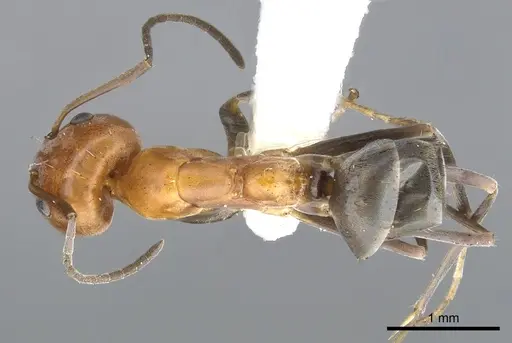
Literatura
Carregando mapa de distribuição...Carregando produtos...