
Iridomyrmex victorianus
- Nome científico
- Iridomyrmex victorianus
- Tribo
- Leptomyrmecini
- Subfamília
- Dolichoderinae
- Autor
- Forel, 1902
- Distribuição
- Encontrada em 1 países
Introdução
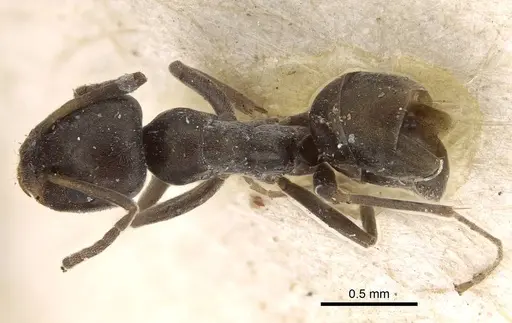
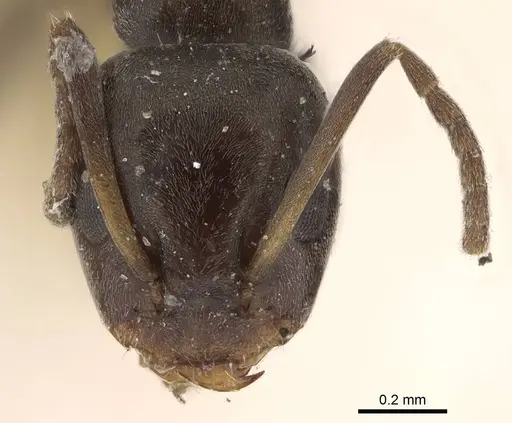
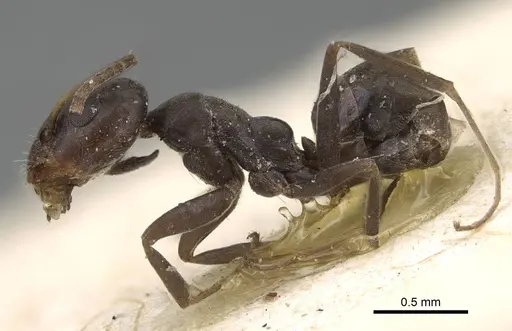
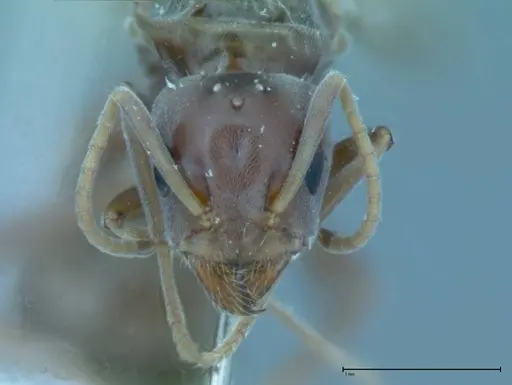
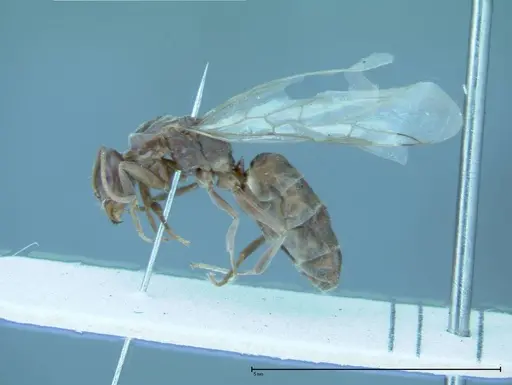
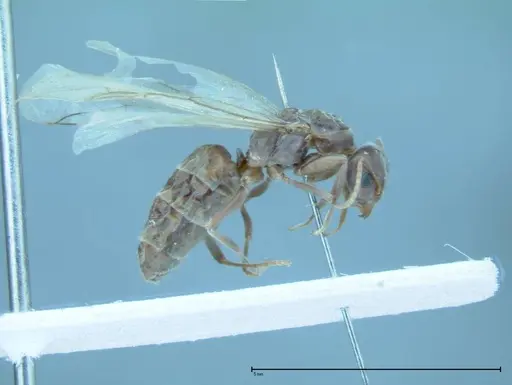
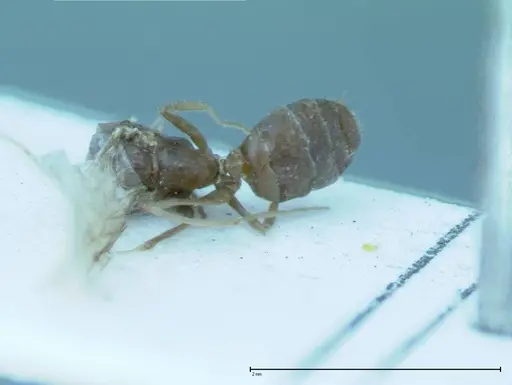
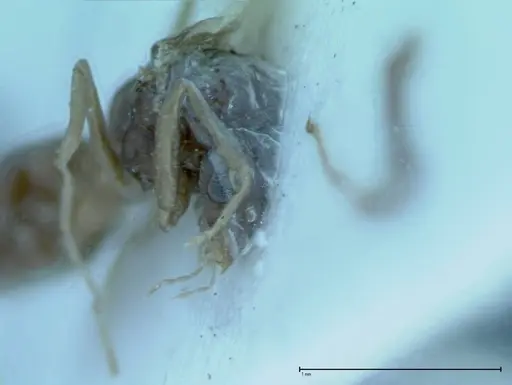
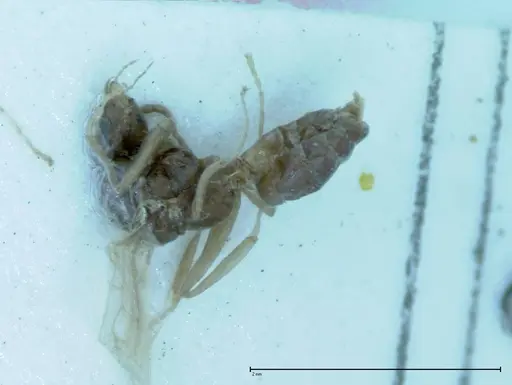
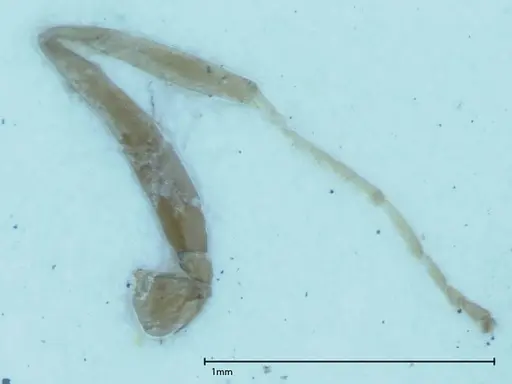
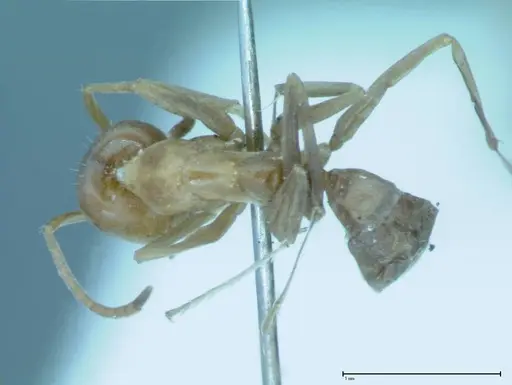
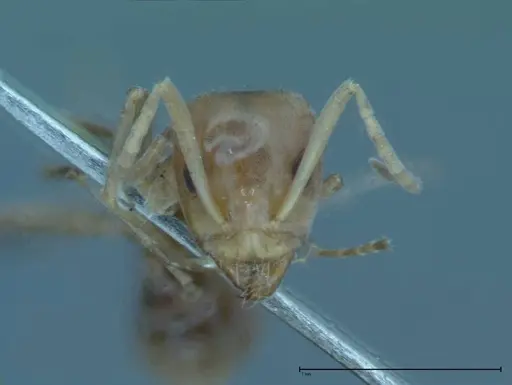
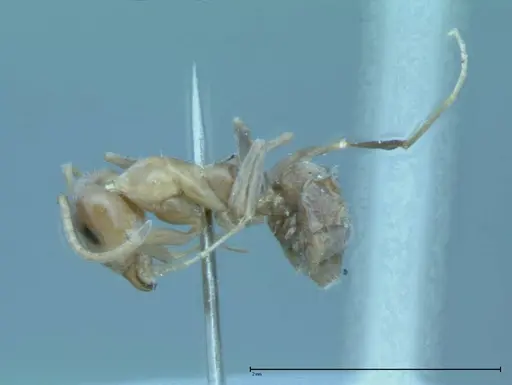
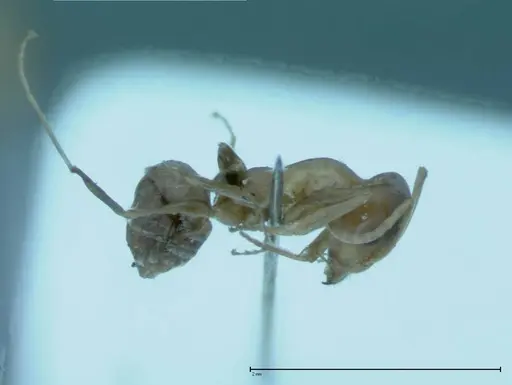
Iridomyrmex victorianus is a medium-sized dolichoderine ant native to the east coast of Australia. Workers are small, inferred from the Iridomyrmex genus to be around 2-4 mm in total length, with variable coloration from light brown to nearly black and a bluish-green iridescence on the gaster . This species occupies wet and dry sclerophyll forests from South Australia through Victoria, New South Wales, and into Queensland . I. victorianus tends caterpillars of blue butterflies like Jalmenus evagoras for honeydew, exhibits thanatosis (death-feigning behavior) to evade predators, and often uses nest mounds of larger ants like Myrmecia pyriformis instead of excavating its own nests .
Quick Summary
- Difficulty: Medium
- Origin & Habitat: East coast of mainland Australia, from Kangaroo Island and Fleurieu Peninsula in South Australia, through Victoria and New South Wales, to Queensland around Eungella National Park. Prefers wet and dry sclerophyll forests, nesting under bark, in fallen timber, under stones, or in soil [2].
- Colony Type: Colony structure is not well-documented. Based on typical Iridomyrmex patterns, colonies are likely single-queen, but this is unconfirmed [1].
- Size & Growth:
- Queen: Size data unavailable, no total length measurements in research. Inferred from Iridomyrmex genus to be around 6-8 mm.
- Worker: Size data unavailable, no total length measurements in research. Inferred from Iridomyrmex genus to be around 2-4 mm.
- Colony: Up to several hundred workers, estimated from related Iridomyrmex species [1].
- Growth: Moderate, inferred from typical dolichoderine development patterns.
- Development: 8-12 weeks, estimated based on genus-level data at warm temperatures [1]. (Development time may vary with temperature, specific requirements not documented for this species.)
- Antkeeping:
- Temperature: Keep at 22-26°C with a thermal gradient. As a species from temperate eastern Australia, they prefer warmth but can tolerate variation [2].
- Humidity: Keep substrate moderately moist but allow some drying areas, as they avoid waterlogged soils in nature [3].
- Diapause: Yes, based on geographic range in temperate Australia, a winter rest period of 2-3 months at 15-18°C is likely beneficial [2].
- Nesting: Use Y-tong (AAC) nests, plaster nests, or soil nests with tight chambers. Avoid overly wet conditions [3][2].
- Behavior: Workers are active foragers that climb vertical surfaces. They are not aggressive and lack a stinger, using chemical secretion (smear defense) and thanatosis for protection. Escape risk is high due to small size, so ensure secure barriers.
- Common Issues: escape prevention is critical, tiny size allows squeezing through small gaps., thanatosis behavior may alarm keepers, workers revive when undisturbed., colonies may be slow to establish, founding queens can take weeks to lay eggs., wild-caught colonies may have parasites affecting survival., overwatering can cause mold in moderate humidity setups.
Housing and Nest Setup
You can use Y-tong (AAC) nests, plaster nests, or soil nests with narrow chambers to mimic their natural nesting under bark or in rotting wood [3][2]. Ensure all connections to the outworld are secure, as workers are skilled climbers. Apply fluon or barrier tape to prevent escapes. A small outworld with natural decorations encourages foraging.
Feeding and Diet
Offer sugar water, honey, or diluted maple syrup constantly for carbohydrates. Provide protein sources like fruit flies, small crickets, or mealworms 2-3 times per week. Remove uneaten prey after 24-48 hours to prevent mold [2].
Temperature and Seasonal Care
Maintain nest temperatures between 22-26°C for optimal development. During winter, reduce to 15-18°C for 2-3 months to simulate natural diapause [2]. Use a heating cable on one side to create a thermal gradient for self-regulation.
Behavior and Handling
Workers are active and curious but not aggressive. They lack a stinger and use chemical secretion (smear defense) and thanatosis for protection. When disturbed, they may play dead but revive when left alone. Ensure escape prevention due to their small size [2].
Colony Development
Colony founding is unconfirmed, but if claustral, the queen may seal herself in a chamber. First workers (nanitics) emerge in 8-12 weeks under warm conditions. Growth is moderate, reaching several hundred workers over time [1]. Size variation in wild populations suggests polymorphism, but specific details are unconfirmed.
Frequently Asked Questions
How long does it take for Iridomyrmex victorianus to produce first workers?
Expect 8-12 weeks from egg to first worker under warm conditions (24-26°C), based on genus-level data [1].
What do Iridomyrmex victorianus eat?
They are omnivorous. Offer sugar sources constantly and protein insects 2-3 times per week [2].
Are Iridomyrmex victorianus good for beginners?
They are moderately difficult due to small size and escape risk, but not aggressive. Suitable for intermediate keepers.
Do Iridomyrmex victorianus need hibernation?
Yes, based on their temperate range, a winter rest at 15-18°C for 2-3 months is likely beneficial [2].
Why do my Iridomyrmex victorianus workers play dead?
This is thanatosis, a normal defense behavior. Leave them undisturbed, and they will recover [2].
Can I keep multiple Iridomyrmex victorianus queens together?
Not recommended, as there is no evidence of pleometrosis for this species. Combining queens may cause aggression.
How big do Iridomyrmex victorianus colonies get?
Colonies can reach up to several hundred workers, estimated from related species [1].
What is the best nest type for Iridomyrmex victorianus?
Y-tong (AAC) or plaster nests with tight chambers work well, mimicking their natural nesting under bark or in soil [3][2].
Why are my Iridomyrmex victorianus dying?
Common causes include escapes, mold from overwatering, temperatures too cold, or stress from disturbance. Check for parasites in wild-caught colonies.
Report an Issue
The current care sheet is based fully on literature. See inconsistencies, or something that's incorrect? Please , it will be resolved after review from an admin. Contributing to the blogs tab also helps providing information, to make us be able to further improve the caresheets. Thank you for your support!
References

Este guia de cuidados está sob a licença CC BY-SA 4.0 .
Posts da comunidade
Literatura
Carregando mapa de distribuição...Carregando produtos...