
Iridomyrmex angusticeps
- Nome científico
- Iridomyrmex angusticeps
- Tribo
- Leptomyrmecini
- Subfamília
- Dolichoderinae
- Autor
- Forel, 1901
- Distribuição
- Encontrada em 3 países
Introdução
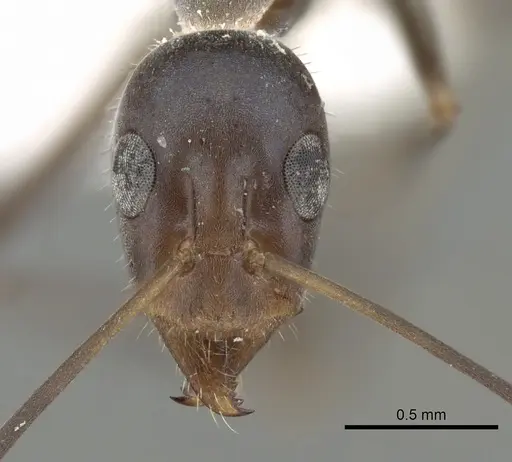
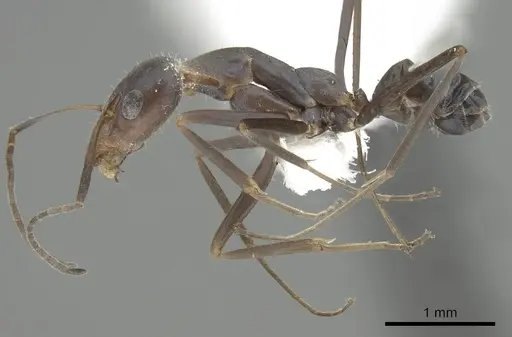
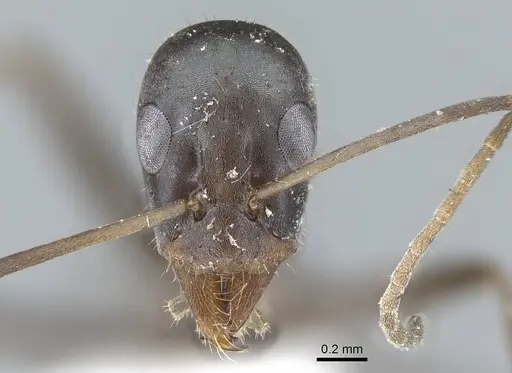
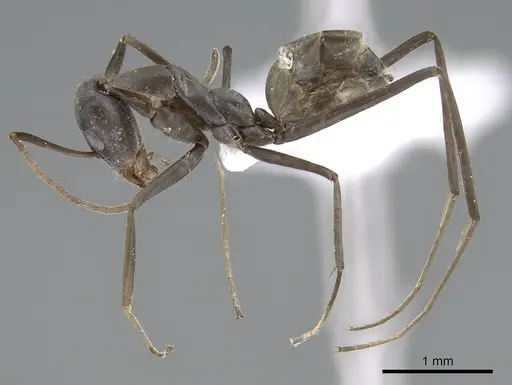
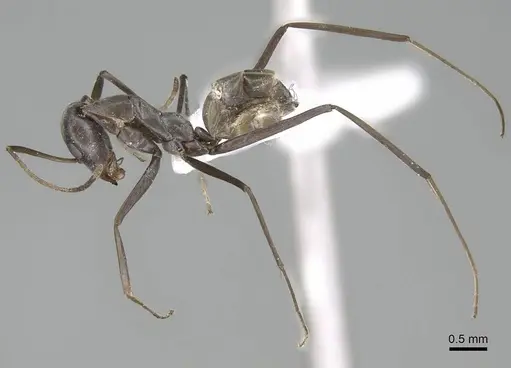
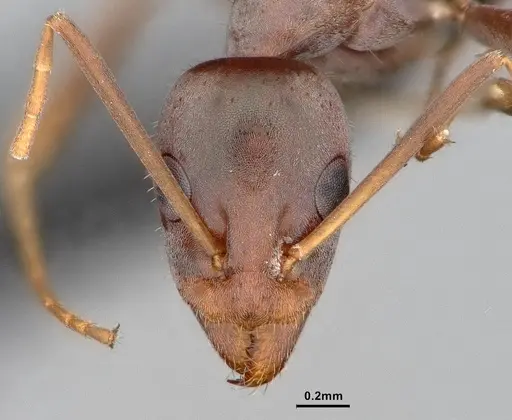
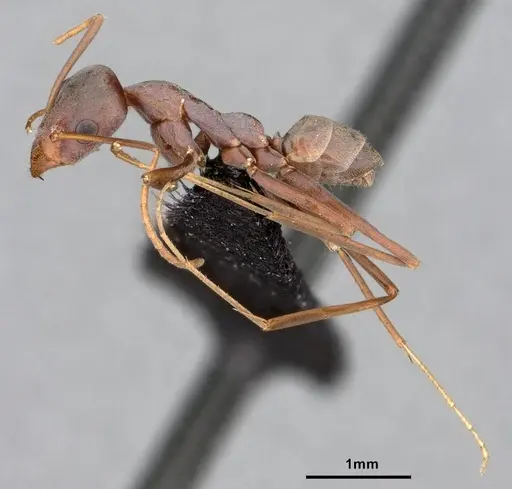
Iridomyrmex angusticeps is a small ant species native to the Australasian region and Southeast Asia. Workers are brown to grey-brown with pale brownish-yellow erect setae (bristles) on their body. This species is distinguished by its notably narrow head (cephalic index 66-69) compared to similar species like Iridomyrmex bicknelli, and the presence of minute bristly white setae on the mesosomal dorsum that are absent in their close relative Iridomyrmex tenuiceps . This is one of the few Iridomyrmex species found outside Australasia, with populations in the Philippines, Papua New Guinea, and northern Australia .
Quick Summary
- Difficulty: Medium
- Origin & Habitat: Found in the Australasian region and Indomalaya: Philippines (Mindanao Island), Papua New Guinea (Bismarck Archipelago including New Britain), and northern Australia (Queensland, Northern Territory, Western Australia). Natural habitats include rainforest, Acacia shrubland, and agricultural areas like pineapple fields. Nests are built in soil [1][2].
- Colony Type: Colony structure is not well documented for this species. Further research is needed to confirm queen number and colony size limits.
- Size & Growth:
- Queen: Size data unavailable, queen measurements not specifically documented in available literature.
- Worker: ~2.5-4mm inferred from Iridomyrmex genus patterns (no total length measurement available in research) [1].
- Colony: Not documented in available research.
- Growth: Unknown, no development data available for this species.
- Development: Unconfirmed, no specific development data available. (Development timeline is unknown for this species.)
- Antkeeping:
- Temperature: Based on their tropical to subtropical distribution (northern Australia, Philippines, Papua New Guinea), keep them warm at 24-28°C. A gentle gradient allowing workers to self-regulate is recommended.
- Humidity: Moderate to high humidity preferred. Their natural habitats include rainforest and agricultural areas with some moisture. Keep nest substrate slightly moist but not waterlogged.
- Diapause: Likely minimal or no true diapause given their tropical distribution. However, slight temperature reduction during winter months (dropping to 20-22°C) may be beneficial to simulate seasonal slowdown.
- Nesting: Soil-nesting species. In captivity, a standard formicarium with soil or plaster nest works well. They prefer dark, humid chambers. Test tube setups work for founding colonies. Y-tong or soil nests are suitable for established colonies.
- Behavior: Active and alert foragers. Like most Iridomyrmex, they are likely aggressive defenders of their nest and quick-moving. They probably use chemical trails to recruit nestmates to food sources. Workers are small so escape prevention must be excellent, they can squeeze through very small gaps. As a Dolichoderinae ant, they lack a functional sting and instead secrete defensive chemical compounds from a slit-like opening at the tip of the abdomen as their primary defense.
- Common Issues: tiny size makes escape prevention critical, use fine mesh and tight-fitting lids, limited specific care information means keepers must adapt from genus-level knowledge, humidity control is important, too dry and colonies may fail, too wet and mold becomes an issue, wild-caught colonies may have parasites that affect survival in captivity, aggressive behavior toward other ant species if housed in shared spaces
Housing and Nest Setup
Iridomyrmex angusticeps is a soil-nesting ant that requires a humid, dark environment. For founding colonies, a simple test tube setup works well, fill the tube partially with water reservoir and plug with cotton, then place the queen in the humid chamber. For established colonies, a formicarium with soil or plaster chambers provides the moisture retention they need. Y-tong nests with tight chambers also work. The key is maintaining consistent humidity without flooding. Provide an outworld (foraging area) connected to the nest where you can offer food. Ensure all connections and barriers are escape-proof, even small gaps that seem insignificant can allow escape. [1][2]
Feeding and Diet
Like other Iridomyrmex species, these ants are omnivorous with a preference for sweet liquids and protein. In captivity, offer sugar water or honey diluted with water as a constant energy source. For protein, provide small insects like fruit flies, small mealworms, or other tiny arthropods. They will likely accept most standard ant foods but avoid prey items larger than their workers. Feed protein 2-3 times per week and keep sugar water available at all times. Remove uneaten food promptly to prevent mold.
Temperature and Seasonal Care
As a species from tropical and subtropical regions (northern Australia, Philippines, Papua New Guinea), Iridomyrmex angusticeps prefers warm conditions. Maintain temperatures between 24-28°C for optimal colony activity and growth. A slight temperature gradient in the setup allows workers to regulate their own exposure. During winter months in temperate climates, a modest reduction to around 20-22°C is acceptable, but avoid cold temperatures below 18°C. They do not require true hibernation but may show reduced activity in cooler conditions. [1]
Handling and Colony Maintenance
This species is small and active, making direct handling challenging. Use gentle techniques when moving colonies, coax workers into test tubes rather than grabbing them. They are likely defensive and may bite or release defensive chemicals if threatened. Regular colony maintenance includes checking food supplies, removing mold, and ensuring water reservoirs are filled. Monitor for escape attempts, these tiny ants are excellent at finding gaps in equipment. Colony growth will be gradual, expect several months before seeing significant worker increases. Be patient and maintain consistent care conditions.
Frequently Asked Questions
How long does it take for Iridomyrmex angusticeps to produce first workers?
The exact timeline is unconfirmed for this species. Expect 6-10 weeks from egg to first worker at optimal temperature (24-28°C) based on typical Dolichoderinae development. Founding colonies may take longer as the queen raises her first brood alone.
What do Iridomyrmex angusticeps ants eat?
They are omnivorous like other Iridomyrmex species. Offer sugar water or honey as a constant energy source, and protein sources like small insects (fruit flies, tiny mealworms) 2-3 times per week.
Can I keep multiple queens together?
Not recommended without specific documentation for this species. While some Iridomyrmex can be polygynous (multiple queens), combining unrelated foundresses risks fighting and colony failure. Unless you have confirmed this species accepts multiple queens, start with a single queen colony.
Are Iridomyrmex angusticeps good for beginners?
They are rated as Medium difficulty. While not the most challenging species, their small size requires excellent escape prevention and careful attention to humidity. Beginners should be prepared for the specific needs of this small, tropical species.
What temperature do Iridomyrmex angusticeps need?
Keep them warm at 24-28°C. This matches their natural habitat in tropical Australia, Philippines, and Papua New Guinea. A slight temperature gradient allowing workers to self-regulate is beneficial.
How big do Iridomyrmex angusticeps colonies get?
Exact colony size is not documented in available research. Growth is gradual, be patient with founding colonies.
Do they need hibernation or diapause?
Likely no true diapause required due to their tropical distribution. A slight temperature reduction during winter (to around 20-22°C) may be beneficial but is not mandatory. Avoid cold temperatures below 18°C.
When should I move them to a formicarium?
Move from test tube to formicarium when the colony reaches several dozen workers and the test tube setup becomes crowded. Ensure the new setup maintains similar humidity levels to reduce transfer stress.
Why are my Iridomyrmex angusticeps dying?
Common causes include: escape through tiny gaps, improper humidity (too dry or too wet), temperatures outside their 24-28°C range, mold from overfeeding, or stress from poor transfer techniques. Review each aspect of your setup and adjust accordingly.
Report an Issue
The current care sheet is based fully on literature. See inconsistencies, or something that's incorrect? Please , it will be resolved after review from an admin. Contributing to the blogs tab also helps providing information, to make us be able to further improve the caresheets. Thank you for your support!
References

Este guia de cuidados está sob a licença CC BY-SA 4.0 .
Posts da comunidade
CASENT0249705
Ver no AntWeb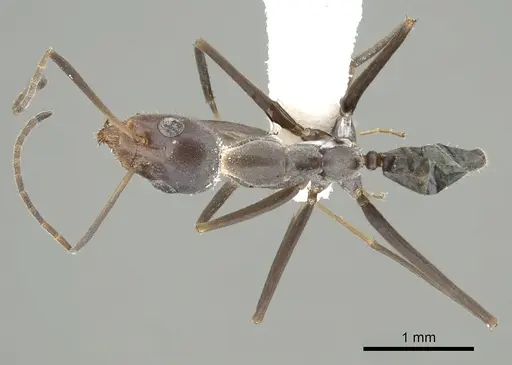
CASENT0740773
Ver no AntWeb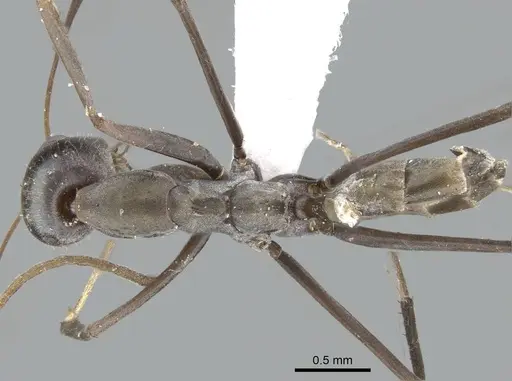
CASENT0886038
Ver no AntWeb
CASENT0909504
Ver no AntWeb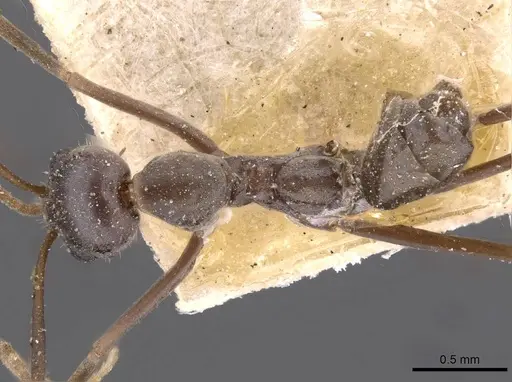
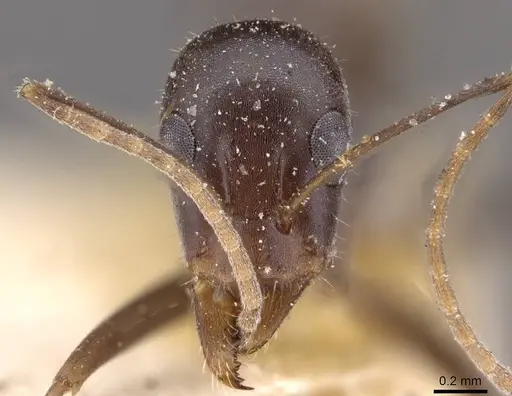
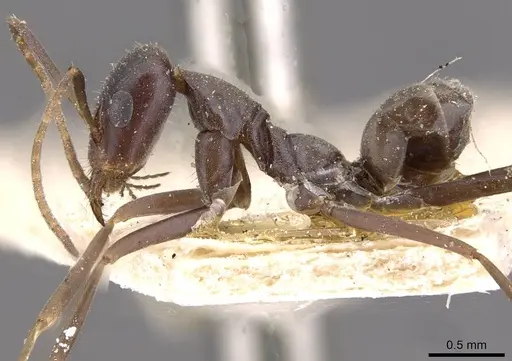
FOCOL2832
Ver no AntWeb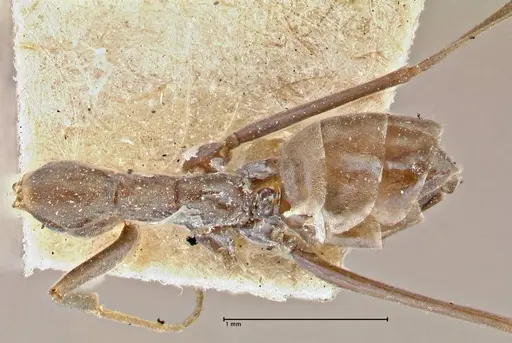
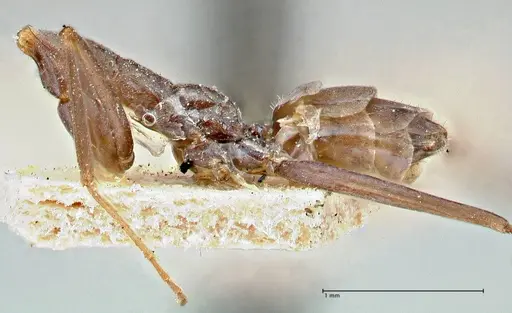
Literatura
Carregando mapa de distribuição...Carregando produtos...