
Hypoponera elliptica
- Nome científico
- Hypoponera elliptica
- Tribo
- Ponerini
- Subfamília
- Ponerinae
- Autor
- Forel, 1900
- Distribuição
- Encontrada em 2 países
Introdução
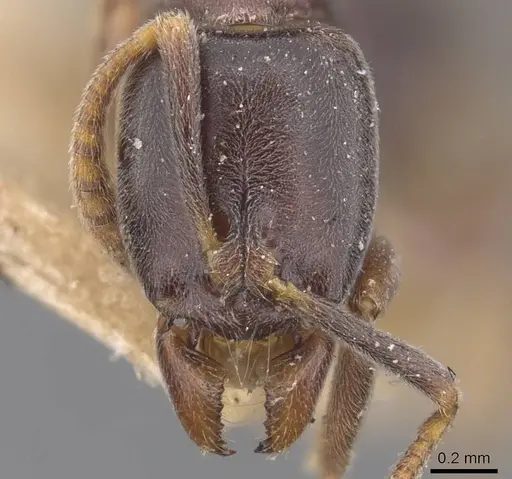
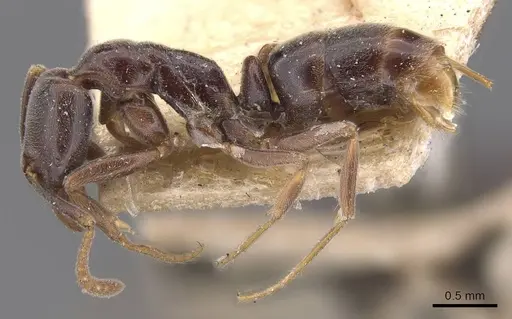
Hypoponera elliptica is a small ponerine ant native to Australia, with established populations in New Caledonia . Workers are small with the typical slender, elongated body form characteristic of Hypoponera species - dark reddish-brown to black with a smooth, polished appearance. This species is classified as a CRYPTIC functional group ant, meaning it nests in hidden microhabitats like soil, under stones, or within rotting wood, and tends to stay out of sight . Originally described in 1900 from Australia as a variety of Ponera truncata, it was later elevated to full species status . These ants are predatory like other Ponerines, using their sting to subdue prey.
Quick Summary
- Difficulty: Medium
- Origin & Habitat: Australia and New Caledonia. This species inhabits cryptic microhabitats in forested areas, typically nesting in soil, under stones, or within decaying wood. The cryptic lifestyle means they prefer dark, humid nesting sites with minimal disturbance [2].
- Colony Type: Colony structure is unconfirmed. Limited data suggests modest colony sizes.
- Size & Growth:
- Queen: Size data unavailable, no measurements found in research context
- Worker: Size data unavailable, no measurements found in research context
- Colony: Colony size data unavailable
- Growth: Growth rate data unavailable
- Development: Development timeline unconfirmed (No specific development data available for this species)
- Antkeeping:
- Temperature: Keep around 22-26°C. Australian distribution suggests they prefer warm conditions but not extreme heat. A gentle thermal gradient allows workers to self-regulate.
- Humidity: High humidity required, aim for 70-80%. These cryptic ants thrive in damp substrate conditions. Keep the nest substrate consistently moist but not waterlogged.
- Diapause: Winter diapause likely beneficial based on Australian temperate distribution, but specific requirements unconfirmed.
- Nesting: Prefers tight, humid chambers. Y-tong (AAC) nests or plaster nests work well. Provide damp soil or sand as substrate. Avoid dry, airy setups.
- Behavior: Hypoponera elliptica is a secretive, cryptic species that forages primarily at night or in low-light conditions. Workers are modest in size but equipped with a functional sting, use excellent escape prevention as they can squeeze through small gaps. They are predatory and will hunt small invertebrates. Colonies are typically non-aggressive toward humans but will defend their nest if threatened. Escape risk is moderate due to small size, use fine mesh barriers.
- Common Issues: small size makes escape likely without fine mesh barriers, colonies can stall if humidity drops too low, predatory diet means they need regular protein input, cryptic nature means they may seem inactive, don't disturb unnecessarily, possibly introduced to New Caledonia, do not release there [1][3]
Housing and Nest Setup
Hypoponera elliptica requires a humid, dark environment that mimics their natural cryptic habitat. Y-tong (AAC) nests work exceptionally well because they provide tight chambers that these small ants feel secure in. Plaster nests are another excellent option, the porous material helps maintain humidity. Fill the outworld with damp soil or a soil-sand mix to encourage natural foraging behavior. Keep the nest area dark by covering three sides of the formicarium, these ants prefer minimal light exposure. A small water reservoir connected to the nest helps maintain consistent humidity without flooding. [2][3]
Feeding and Diet
As a Ponerine ant, H. elliptica is predatory and requires regular protein to thrive. Offer small live prey such as fruit flies, pinhead crickets, mealworms, and other small insects. They will likely accept protein jelly or frozen insects if live prey isn't available, but live prey encourages natural hunting behavior. Sugar sources are not typically a major part of their diet, though you might occasionally offer a drop of diluted honey or sugar water, don't rely on it as a primary food source. Feed protein 2-3 times per week, removing any uneaten prey after 24 hours to prevent mold.
Temperature and Seasonal Care
Maintain temperatures in the 22-26°C range for optimal colony activity and brood development. A heating cable on one side of the nest creates a thermal gradient that lets workers regulate their own temperature. Based on Australian distribution, a winter rest period may be beneficial, reduce temperatures slightly during the cooler months. Reduce feeding during any rest period, the colony will be less active. [2]
Behavior and Handling
These ants are secretive and not particularly aggressive, but they possess a functional sting that can penetrate human skin, the pain is typically mild to moderate but can cause localized irritation. Workers are small and can escape through remarkably tiny gaps, use fluon on edges and ensure all ventilation holes are covered with fine mesh. Colonies are slow to establish and may appear inactive for extended periods during founding, this is normal for cryptic species. Avoid disturbing the nest frequently once the colony is established. They forage mostly at night or in dim conditions, so keep the outworld lighting subdued.
Frequently Asked Questions
How long does it take for Hypoponera elliptica to produce first workers?
Development timeline is unconfirmed for this species. Expect several months for founding colonies to produce first workers.
Do Hypoponera elliptica ants sting?
Yes, they have a functional sting. While small, they can sting if threatened or handled roughly. The sting causes mild to moderate pain and localized irritation in most people.
What do Hypoponera elliptica eat?
They are predatory ants that need regular protein. Feed small live insects like fruit flies, pinhead crickets, or mealworms. They may accept frozen or pre-killed prey, and occasionally sugar water, but protein should be the primary food source.
Can I keep multiple Hypoponera elliptica queens together?
Not recommended. While colony structure isn't fully documented, combining unrelated queens risks fighting and colony failure.
Do Hypoponera elliptica need hibernation?
Winter diapause may be beneficial given their Australian origin, but specific requirements are unconfirmed. A slight temperature reduction during cooler months is recommended.
How big do Hypoponera elliptica colonies get?
Colony size data is unavailable for this species.
Why is my Hypoponera elliptica colony not growing?
Check humidity first, these cryptic ants need consistently damp substrate. Also ensure temperatures are in the 22-26°C range. Overfeeding can cause mold issues. Finally, give them time, cryptic species grow slowly and may seem inactive.
What is the best nest type for Hypoponera elliptica?
Y-tong (AAC) nests or plaster nests with damp substrate work best. These provide the tight, humid chambers that cryptic Hypoponera species prefer. Avoid dry, airy setups.
Are Hypoponera elliptica good for beginners?
They are intermediate-level ants. Their small size, humidity requirements, and predatory diet make them more challenging than common species like Lasius or Camponotus. Experienced antkeepers will have more success.
Report an Issue
The current care sheet is based fully on literature. See inconsistencies, or something that's incorrect? Please , it will be resolved after review from an admin. Contributing to the blogs tab also helps providing information, to make us be able to further improve the caresheets. Thank you for your support!
References

Este guia de cuidados está sob a licença CC BY-SA 4.0 .
Posts da comunidade
CASENT0260434
Ver no AntWeb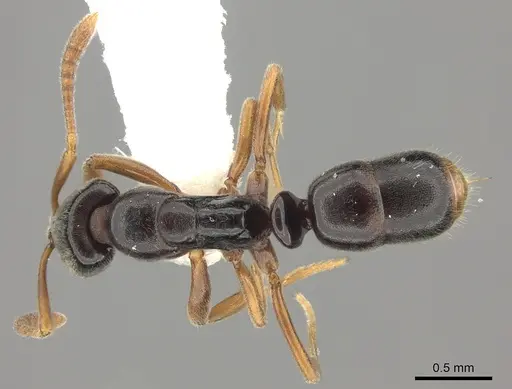
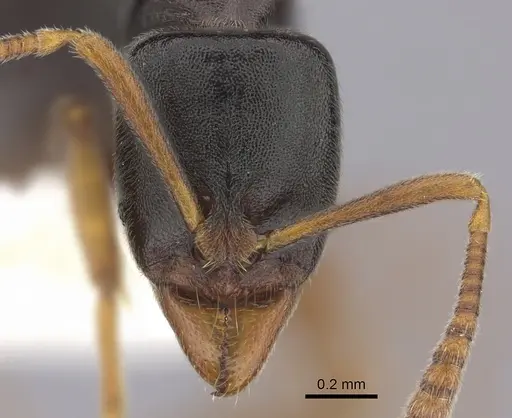
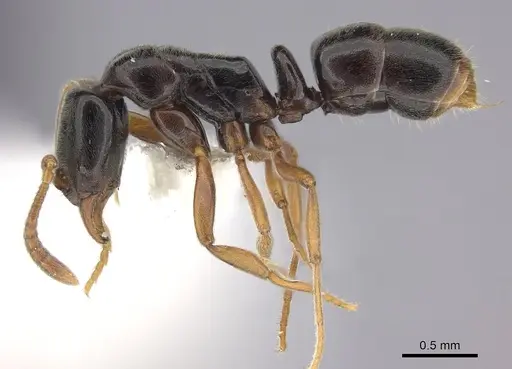
CASENT0907327
Ver no AntWeb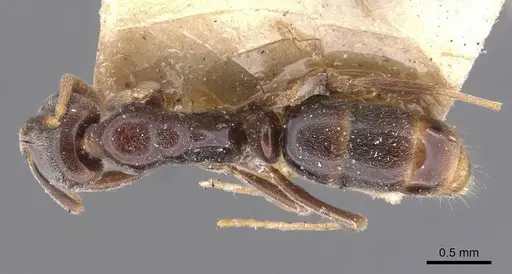
Literatura
Carregando mapa de distribuição...Carregando produtos...