
Hypoponera convexiuscula
- Nome científico
- Hypoponera convexiuscula
- Tribo
- Ponerini
- Subfamília
- Ponerinae
- Autor
- Forel, 1900
- Distribuição
- Encontrada em 1 países
Introdução
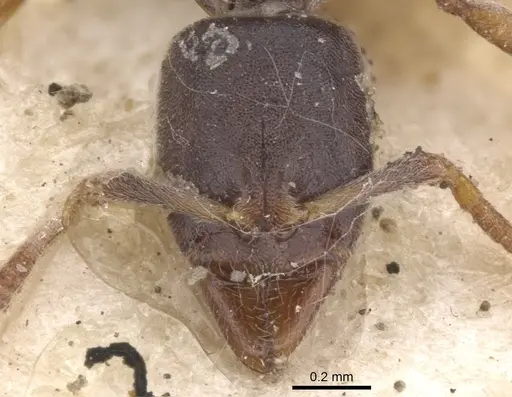
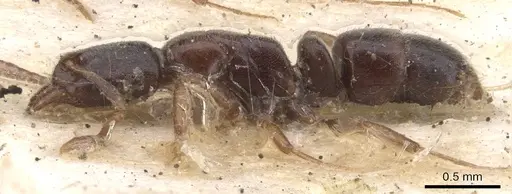
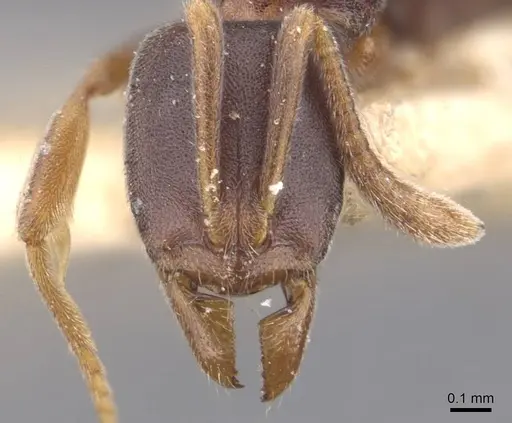
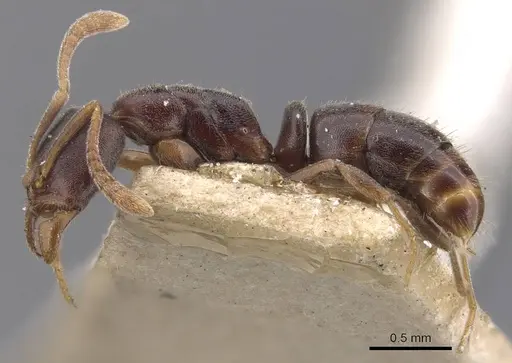
Hypoponera convexiuscula is a small Ponerine ant native to the Australasian region. Workers measure approximately 2.5-3.5mm with the characteristic Ponerine body plan: a single waist segment (petiole), powerful mandibles, and a functional sting. Coloration is dark reddish-brown to brownish-black. This species inhabits rotting wood, leaf litter, and soil under stones across its range . This species has an extensive Pacific island distribution, found across Australia, New Caledonia, Tahiti, Samoa (Tutuila), Lord Howe Island, and Norfolk Island. This wide distribution suggests excellent dispersal abilities. As Ponerines, they are predatory hunters targeting small invertebrates like springtails and mites. They retain a functional sting capable of delivering venom to predators .
Quick Summary
- Difficulty: Medium
- Origin & Habitat: Australasian region including Australia, New Caledonia, Society Islands (Tahiti), Samoa (Tutuila), Lord Howe Island, and Norfolk Island. They inhabit rotting wood, leaf litter, and soil under stones in forested areas [1][2].
- Colony Type: Colony structure is unconfirmed. Limited research exists on queen number and colony organization for this species.
- Size & Growth:
- Queen: ~4-5mm, estimated from genus patterns (inferred)
- Worker: ~2.5-3.5mm [2]
- Colony: Up to several hundred workers at maturity, estimated from typical Ponerine sizes
- Growth: Slow, Ponerines develop more slowly than many common ant genera
- Development: 8-12 weeks, estimated from related Ponerine species (Development is temperature-dependent. Expect 2-3 months from egg to first worker at warm temperatures.)
- Antkeeping:
- Temperature: Keep at 22-26°C. Stable, warm conditions are ideal. Room temperature in most homes is often suitable.
- Humidity: Moderate to high, they naturally inhabit damp rotting wood and leaf litter. Keep nest substrate consistently moist but not waterlogged. Provide a water tube for drinking.
- Diapause: Likely required for temperate populations. Based on Australian distribution, a cool period around 15-18°C for 2-3 months during winter is recommended.
- Nesting: Y-tong (AAC) nests work well, these ants prefer tight, humid chambers. Plaster nests or test tube setups with damp cotton also work. They do best in dark, humid environments with minimal disturbance.
- Behavior: Hypoponera convexiuscula is a cryptic, ground-nesting species. Workers are slow-moving, methodical foragers hunting small prey like springtails, mites, and other micro-arthropods. They are not aggressive but will use their sting defensively if the nest is disturbed. Escape prevention is important, while not tiny, they can squeeze through small gaps. They are primarily nocturnal or crepuscular. Workers may forage solitarily or use simple recruitment to food sources.
- Common Issues: slow colony growth can frustrate beginners who expect rapid development, colonies may fail if humidity drops too low, they need consistently damp conditions, wild-caught colonies may contain parasites that can decimate the colony in captivity, overheating is a common killer, avoid temperatures above 30°C, they require small live prey, failure to provide appropriate food leads to colony decline
Housing and Nest Preferences
Hypoponera convexiuscula does well in Y-tong (AAC) nests, plaster nests, or well-designed test tube setups. They prefer tight, humid chambers that mimic their natural rotting wood habitat. Keep the nest dark, these ants are cryptobiotic and stress easily when exposed to light. Provide a water tube or moisture reservoir to maintain humidity. A small outworld for foraging works well, but keep it simple. Avoid nests with large open spaces, they prefer confined areas. Maintain stable temperatures around 22-26°C. Avoid direct sunlight on the nest. [2]
Feeding and Diet
As predatory Ponerines, they need live small invertebrates. Springtails are the ideal staple food, these tiny arthropods are their natural prey and can be cultured continuously. Other accepted foods include small fruit flies, booklice (psocids), mold mites, and other micro-arthropods. They are not interested in sugar or honey, Ponerines are obligate predators. Feed small prey items every 2-3 days, removing any uneaten prey within 24 hours to prevent mold. A constant water source is essential. Some keepers report success with tiny pieces of raw meat or fish, but live prey is always preferable.
Temperature and Seasonal Care
Maintain temperatures between 22-26°C. They can tolerate brief periods slightly above or below this range, but prolonged exposure to temperatures above 30°C or below 18°C should be avoided. For Australian populations, a winter diapause at 15-18°C for 2-3 months is recommended. During this period, reduce feeding frequency but maintain humidity. Pacific island populations may not require strict diapause, but a slight cooling period is generally beneficial. Monitor colony activity, if workers become sluggish year-round, a temperature reduction may help simulate natural seasonal cycles.
Behavior and Temperament
These ants are not aggressive but will defend their nest using their sting if threatened. Workers are slow, deliberate foragers that hunt by wandering or waiting in ambush. They do not form large foraging columns, instead, individual workers search for prey. They are primarily nocturnal or crepuscular, becoming more active in dim light. Colony activity is generally low-key compared to faster-moving Myrmicines. They do not climb well on smooth surfaces, making standard barrier methods usually sufficient for containment. However, their small size means they can slip through tiny gaps, check for escape routes regularly.
Colony Growth Expectations
Ponerine ants grow more slowly than many common ant species. A newly mated queen will take 2-3 months to produce her first workers (nanitics). The first brood typically numbers only a small handful of workers. Subsequent broods are larger but still modest. A mature colony may reach several hundred workers over 1-2 years. Patience is essential, forcing growth by overheating or overfeeding often kills developing brood. Let the colony establish its natural rhythm. Once established, colonies are long-lived, with queens potentially surviving for many years.
Frequently Asked Questions
How long does it take for Hypoponera convexiuscula to produce first workers?
Expect 8-12 weeks from egg to first worker at optimal temperature (22-26°C). This is slower than many common ant species, so patience is essential.
What do Hypoponera convexiuscula ants eat?
They are predatory ants that need live small invertebrates. Springtails are the ideal staple food. Other options include fruit flies, mold mites, booklice, and tiny crickets. They do not eat sugar, honey, or seeds.
Are Hypoponera convexiuscula good for beginners?
They are rated Medium difficulty. They require more patience than fast-growing species and need specific prey foods. They are best suited for keepers willing to culture live springtails and who understand slower Ponerine development.
What temperature do Hypoponera convexiuscula need?
Keep them at 22-26°C. Avoid temperatures above 30°C. A slight temperature gradient allows workers to self-regulate their preferred conditions.
Do Hypoponera convexiuscula need hibernation?
For Australian populations, a winter rest at 15-18°C for 2-3 months is recommended. Pacific island populations may not require strict diapause but benefit from a slight cooling period.
How big do Hypoponera convexiuscula colonies get?
Colonies typically reach several hundred workers at maturity. This is smaller than many common ant species and reflects typical Ponerine colony sizes.
What type of nest is best for Hypoponera convexiuscula?
Y-tong (AAC) nests or plaster nests with tight, humid chambers work well. They prefer dark, confined spaces that mimic their natural rotting wood habitat. Test tube setups with damp cotton also work.
Why is my Hypoponera convexiuscula colony dying?
Common causes include: low humidity (they need consistently damp conditions), too high temperatures (above 30°C), lack of appropriate live prey, or parasites from wild-caught colonies. Check environmental conditions first.
Can I keep multiple queens together?
Colony structure is unconfirmed for this species. Combining unrelated queens is not recommended as they will likely fight. Only keep one queen per colony.
Report an Issue
The current care sheet is based fully on literature. See inconsistencies, or something that's incorrect? Please , it will be resolved after review from an admin. Contributing to the blogs tab also helps providing information, to make us be able to further improve the caresheets. Thank you for your support!
References

Este guia de cuidados está sob a licença CC BY-SA 4.0 .
Posts da comunidade
CASENT0902567
Ver no AntWeb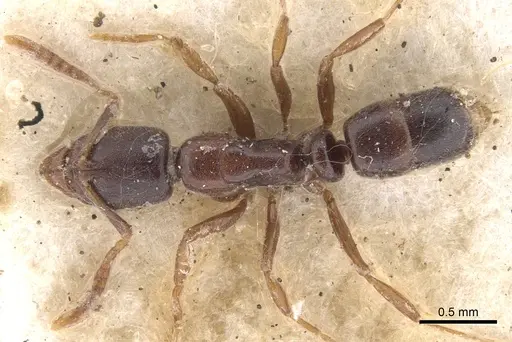
CASENT0907334
Ver no AntWeb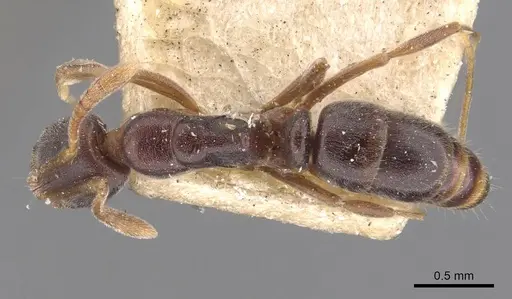
Literatura
Carregando mapa de distribuição...Carregando produtos...