
Hylomyrma blandiens
- Nome científico
- Hylomyrma blandiens
- Tribo
- Pogonomyrmecini
- Subfamília
- Myrmicinae
- Autor
- Kempf, 1961
- Distribuição
- Encontrada em 7 países
Introdução
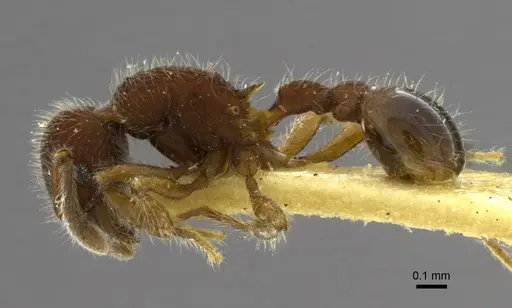
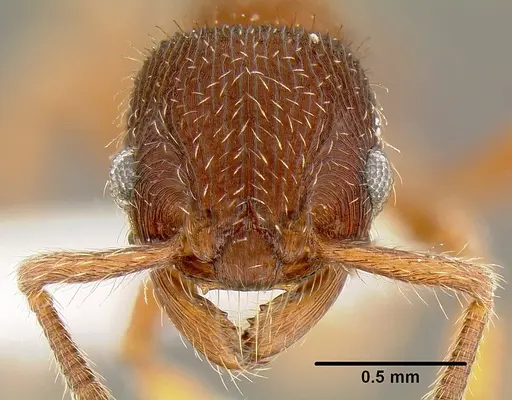
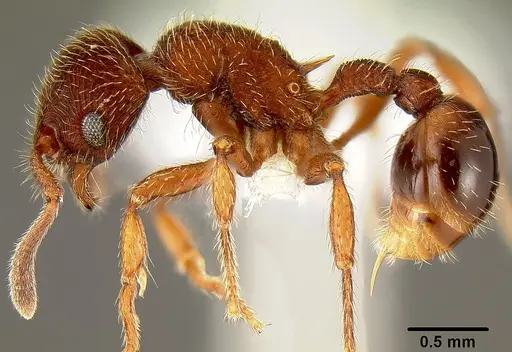
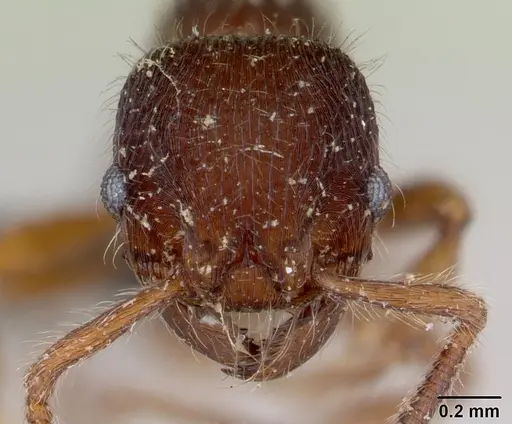
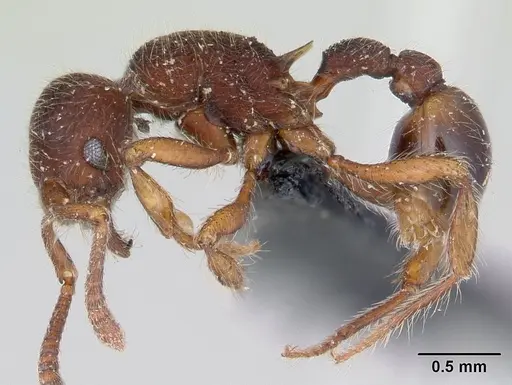
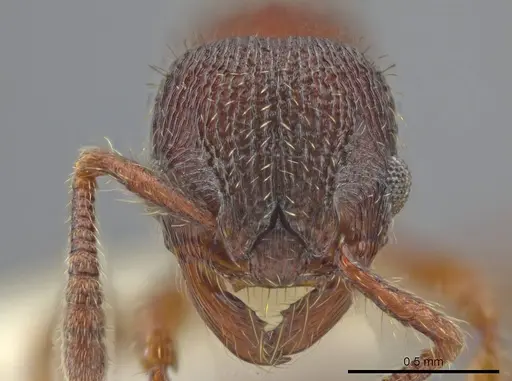
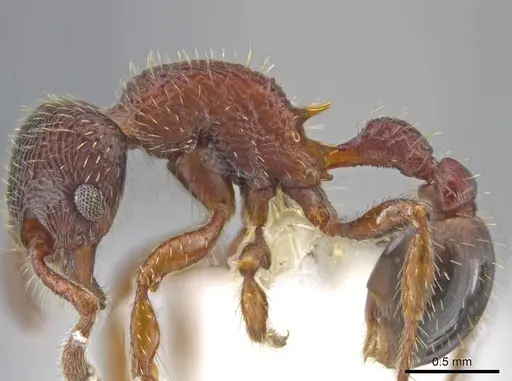
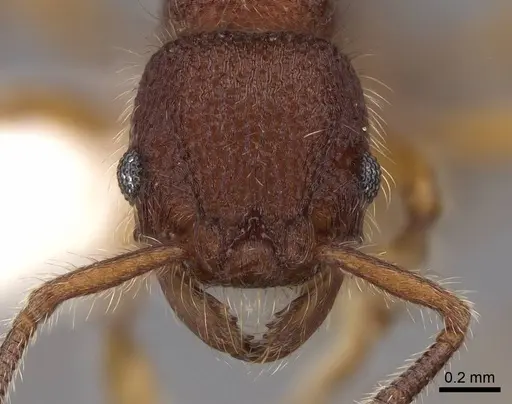
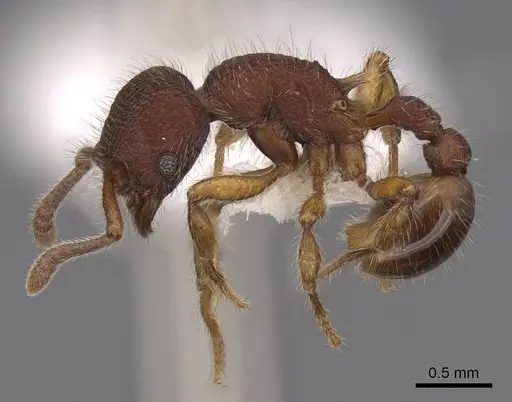
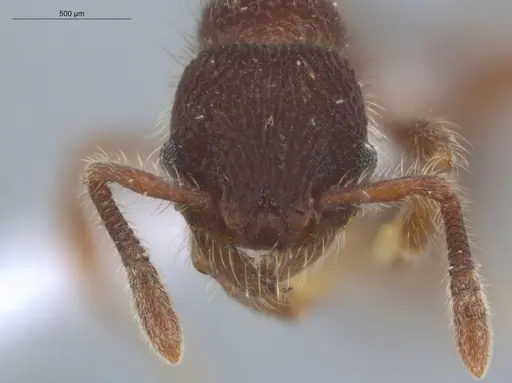
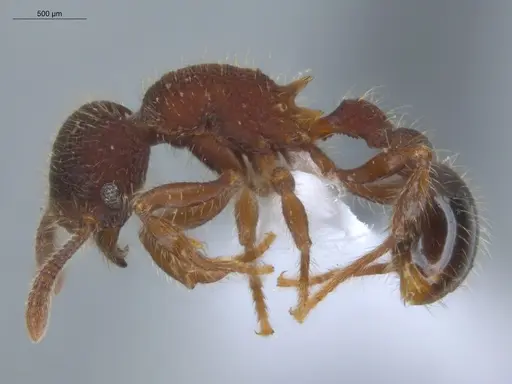
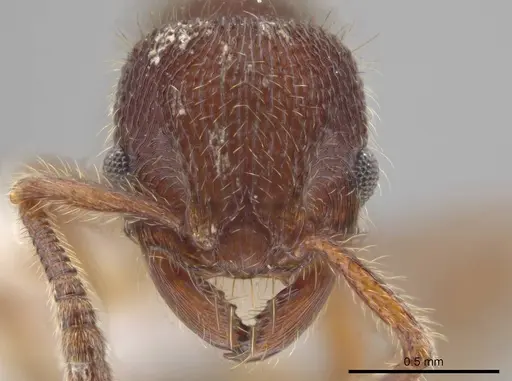
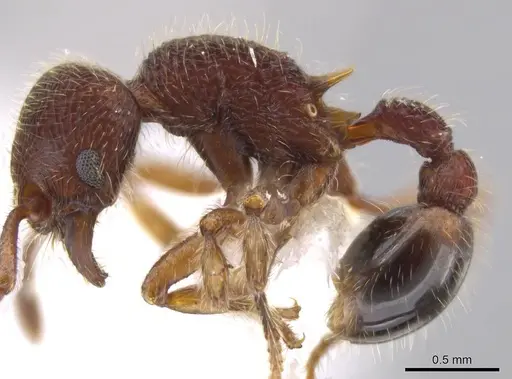
Hylomyrma blandiens is a small Neotropical ant with workers measuring 4.5-4.7mm and queens 4.9-5.4mm in total length . Workers have distinctive longitudinal striations on their head and mesosoma, with long striae extending onto the first gastral segment. The species belongs to the Pogonomyrmecini tribe but, unlike their famous relatives, they are not specialist seed harvesters - they live in moist tropical forests across northern South America from Bolivia to French Guiana . A notable aspect of this species is their nesting biology: colonies have been found inside fallen twigs on the rainforest floor, with one documented nest containing 3 queens and 21 workers . This indicates multi-queen colony structure.
Quick Summary
- Difficulty: Medium
- Origin & Habitat: Tropical rainforest in northern South America, found in Bolivia, Brazil, Colombia, Ecuador, French Guiana, Guyana, Panama, Peru, Suriname, Trinidad and Tobago, and Venezuela [1]. They live in leaf-litter and nest in small cavities like fallen twigs on the forest floor [1][3].
- Colony Type: Multi-queen colonies documented, one observed nest had 3 queens and 21 workers [1]. The species appears to be polygynous.
- Size & Growth:
- Queen: 4.86-5.43 mm [1]
- Worker: 4.50-4.69 mm [1]
- Colony: Small, the only documented nest had 24 workers across 3 queens [1]. Likely stays under 100 workers based on nesting in small twigs.
- Growth: Moderate
- Development: 6-10 weeks (estimated based on typical Myrmicinae patterns) (Direct development data unavailable for this species. Estimate based on genus-level patterns for small tropical Myrmicinae.)
- Antkeeping:
- Temperature: Keep at 24-28°C, they are tropical ants from warm, humid rainforest environments [1]. Room temperature in most homes should work well.
- Humidity: High humidity is essential, these ants live in leaf-litter and fallen twigs in tropical rainforest. Keep substrate consistently moist but not waterlogged.
- Diapause: No, being tropical, they do not require hibernation. Keep temperatures stable year-round.
- Nesting: Small, enclosed spaces work best. In nature they nest in fallen twigs, a test tube with cotton stop or a small nest with narrow chambers mimics their natural setup. They prefer tight-fitting cavities over open spaces.
- Behavior: Workers are moderately active foragers. Based on their diet (not seed specialists, likely predators/scavengers), they will hunt small arthropods. The one documented nest contained parts of a Curculionidae (weevil) beetle, suggesting they scavenge or hunt small insects [1]. Escape risk is moderate, they are small ants but not particularly fast or agile. Standard escape prevention is sufficient. Temperament is generally calm.
- Common Issues: small colony size means slow growth, do not expect rapid expansion, high humidity requirements can lead to mold if ventilation is poor, wild-caught colonies may be stressed from collection and have parasites, multi-queen structure may cause some aggression during integration, introduce queens carefully, lack of captive breeding data means exact needs are uncertain, be prepared to experiment
Housing and Nest Setup
Hylomyrma blandiens naturally nests in small cavities like fallen twigs on the rainforest floor [1]. For captivity, a small test tube setup works well, fill it partially with water reservoir and use cotton to create a dry chamber. The tube should be small enough that the ants feel enclosed, as they prefer tight spaces. Alternatively, a small nest with narrow chambers mimics their natural twig environment. Because they come from humid tropical forests, you need to maintain high humidity. Wrap the nest in moist paper towels or use a hydration system. Avoid large, open formicaria that would feel unnatural to these small twig-nesters.
Feeding and Diet
As members of the Pogonomyrmecini tribe but NOT specialist seed harvesters [4][2], these ants are likely omnivorous predators. The one documented nest contained parts of a Curculionidae (weevil) beetle, suggesting they scavenge or hunt small insects [1]. Feed them small live prey like fruit flies, pinhead crickets, or mealworms. They will likely accept protein-rich foods and may take sugar water or honey as well. Offer food 2-3 times per week and remove uneaten prey after 24 hours to prevent mold.
Temperature and Humidity
Being tropical rainforest ants, Hylomyrma blandiens needs warm, humid conditions. Keep temperatures in the 24-28°C range, this matches their native Amazon and Guianan habitats. Room temperature (around 22-25°C) in most homes should work fine. Humidity is critical: maintain substrate moisture at all times. The forest floor where they live is constantly damp. Use a hydration system or regularly mist the area around (not directly on) the nest. Good ventilation is also important to prevent mold while maintaining humidity. [1]
Colony Structure and Multi-Queen Care
This species appears to be polygynous, the only documented nest had 3 queens living together with 21 workers [1]. This is relatively unusual among Myrmicinae ants. If you acquire multiple foundress queens, they may tolerate each other better than single-queen species. However, there may still be aggression during introduction. Keep expectations modest, their colonies stay small (likely under 100 workers), so do not expect massive colonies. The small colony size means slower growth and less spectacle, but also means they are manageable in modest setups.
Growth and Development
Direct data on development timeline is unavailable for this species. Based on typical Myrmicinae patterns for small tropical ants, expect 6-10 weeks from egg to first worker. Queens are 4.9-5.4mm and workers are 4.5-4.7mm [1]. The colony will grow slowly, the maximum documented size was only 24 workers across 3 queens [1]. Do not expect rapid expansion. Be patient and maintain consistent care conditions. Nanitics (first workers) will be smaller than mature workers.
Frequently Asked Questions
How long does it take for Hylomyrma blandiens to have first workers?
The exact timeline is unconfirmed, but based on typical Myrmicinae development, expect 6-10 weeks from egg to first worker at optimal temperature (24-28°C).
Can I keep multiple Hylomyrma blandiens queens together?
Yes, this appears to be natural, the only documented nest had 3 queens living together [1]. However, introduce them carefully as some aggression may occur during integration.
What do Hylomyrma blandiens eat?
They are not seed harvesters. Based on their biology, they likely eat small insects and arthropods. The documented nest contained parts of a weevil beetle [1]. Offer live prey like fruit flies, small crickets, or mealworms. They may also accept sugar water.
Are Hylomyrma blandiens good for beginners?
They are moderate difficulty. The main challenges are maintaining high humidity and their slow growth. If you can keep a small, humid setup stable, they are manageable. However, their exact captive requirements are not well-documented.
Do Hylomyrma blandiens need hibernation?
No, they are tropical ants from rainforest environments and do not require hibernation. Keep temperatures stable year-round.
How big do Hylomyrma blandiens colonies get?
Small, the maximum documented colony was only 24 workers [1]. Expect colonies to stay well under 100 workers even at maturity.
What size nest do Hylomyrma blandiens need?
Small nests work best. They naturally nest in fallen twigs, so a test tube or small nest with narrow chambers is ideal. Avoid large, open spaces.
Why are my Hylomyrma blandiens dying?
Common causes include: low humidity (critical for this species), temperatures too cold or too hot, mold from poor ventilation, or stress from wild collection. Check humidity levels first, they need consistently damp conditions.
Where is Hylomyrma blandiens found in the wild?
Northern South America, from Bolivia and Peru east to Brazil and French Guiana, north to Panama and Trinidad and Tobago [1]. They live in tropical rainforest leaf-litter.
Report an Issue
The current care sheet is based fully on literature. See inconsistencies, or something that's incorrect? Please , it will be resolved after review from an admin. Contributing to the blogs tab also helps providing information, to make us be able to further improve the caresheets. Thank you for your support!
References

Este guia de cuidados está sob a licença CC BY-SA 4.0 .
Posts da comunidade
ANTWEB1008990
Ver no AntWeb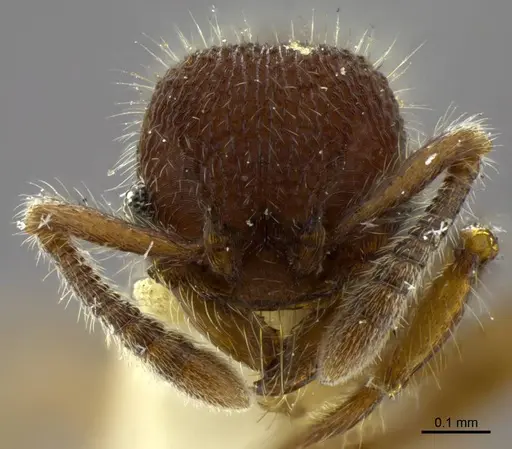
CASENT0106124
Ver no AntWeb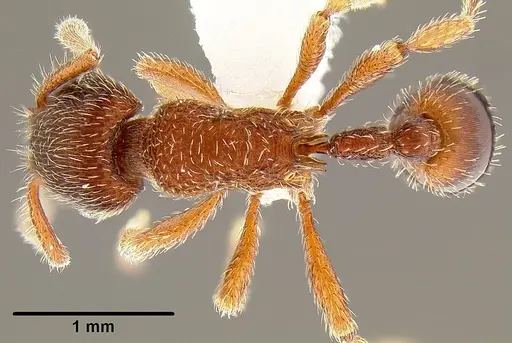
CASENT0178655
Ver no AntWeb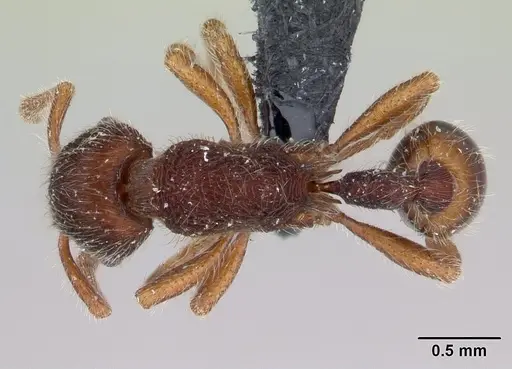
CASENT0633092
Ver no AntWeb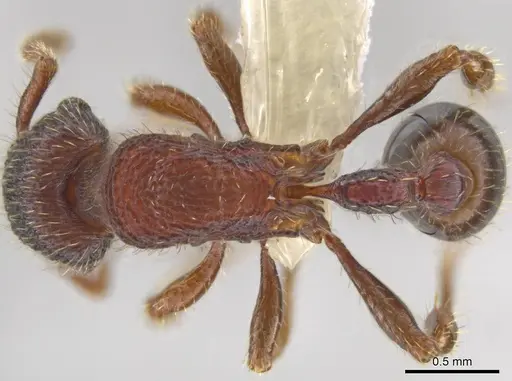
CASENT0923014
Ver no AntWeb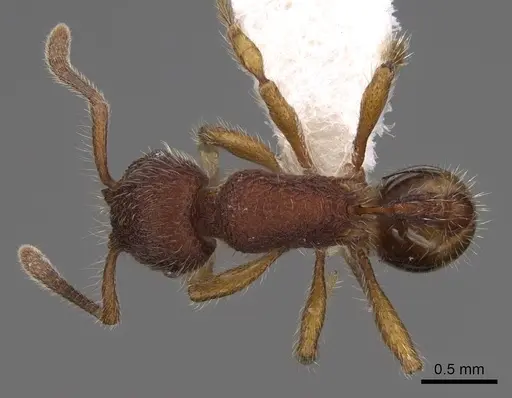
ECOFOG-IT14-0820-95
Ver no AntWeb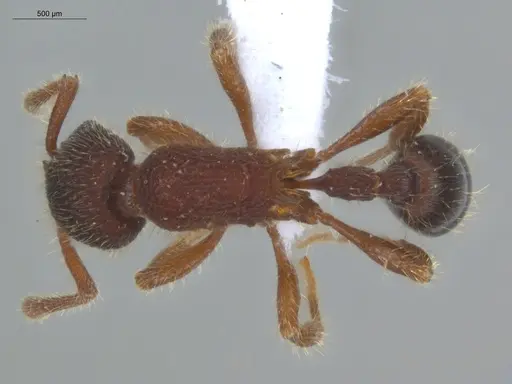
JTLC000015077
Ver no AntWeb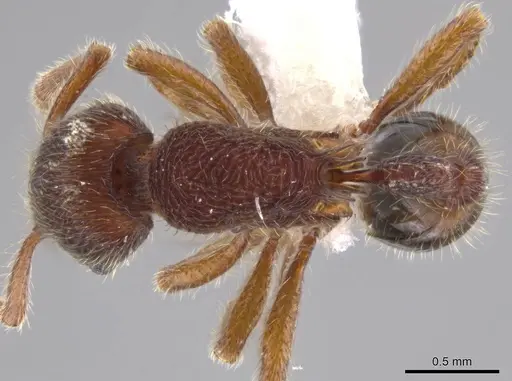
Literatura
Carregando mapa de distribuição...Carregando produtos...