
Hylomyrma adelae
- Nome científico
- Hylomyrma adelae
- Tribo
- Pogonomyrmecini
- Subfamília
- Myrmicinae
- Autor
- Ulysséa, 2021
- Distribuição
- Encontrada em 0 países
Introdução
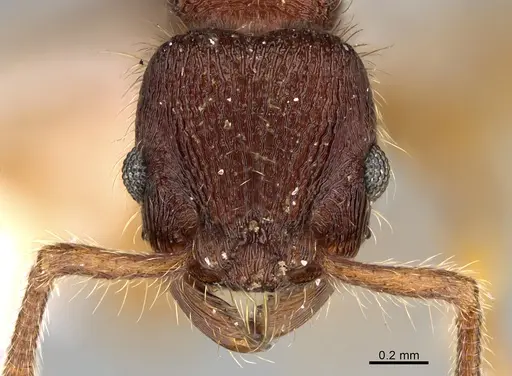
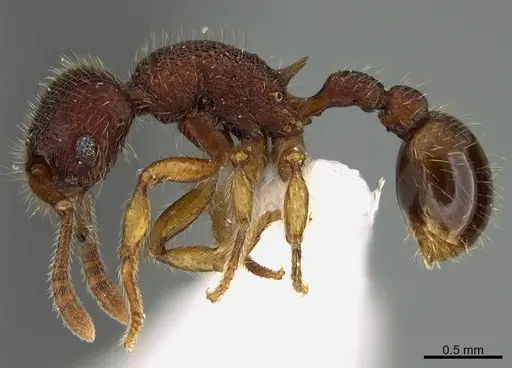
Hylomyrma adelae is a small Neotropical ant species. Workers measure 4.54-4.83mm and queens measure 5.26-5.30mm in total length . Workers have a distinctive appearance with rugose (wrinkled) striae on their head and mesosoma, a bicolored brownish body with lighter legs, and long setae on the first gastral segment. Their eyes are drop-shaped, and they possess a subtriangular projection on the underside of the petiole. This species was described in 2021 and is named after Adela Zamudio (1854-1928), a Bolivian educator, feminist, and poetess .
Quick Summary
- Difficulty: Medium
- Origin & Habitat: Hylomyrma adelae is known only from montane evergreen forest in the Cochabamba region of Bolivia, specifically at 109km east of Cochabamba near Lagunitas [1]. The type specimens were collected from leaf-litter samples in wet forest, suggesting this species lives in damp, shaded forest floor environments [1][2].
- Colony Type: Colony structure is unconfirmed for this newly described species.
- Size & Growth:
- Queen: 5.26-5.30 mm [1]
- Worker: 4.54-4.83 mm [1]
- Colony: Unknown, no colony size data available for this species
- Growth: Unknown, no development studies exist for this species
- Development: Unknown, estimated 6-10 weeks based on typical Myrmicinae development at warm temperatures (No direct studies on development time exist. Estimates based on related genus patterns.)
- Antkeeping:
- Temperature: Keep at 20-24°C. This range is inferred from their wet forest habitat in Bolivia's subtropical montane regions [1].
- Humidity: High humidity is essential. These ants live in wet forest leaf-litter, so aim for 70-85% humidity in the nesting area. Keep the substrate consistently moist but not waterlogged [1][2].
- Diapause: Unknown, no studies on overwintering behavior exist. Given their origin in Bolivia's tropical montane forests, they likely do not require true hibernation.
- Nesting: Based on collection data from leaf-litter samples, they likely nest in fallen logs, rotten wood, between leaves, or inside natural cavities of superficial soil layers [1][2]. In captivity, a naturalistic setup with moist substrate, leaf litter, and small hiding spots works well. Test tubes with cotton can work if humidity is maintained in a closed setup.
- Behavior: Behavior is unstudied in captivity. Based on their small size and wet forest origin, they are likely docile. Workers probably forage in the leaf-litter layer, searching for small prey and honeydew. Their tiny size means escape prevention is critical, they can squeeze through standard formicarium gaps. Use fine mesh barriers and ensure all connections are sealed.
- Common Issues: high humidity requirements can lead to mold problems if ventilation is inadequate, escape prevention is critical due to their tiny size, standard barriers may not contain them, very limited availability since the species was only recently described in 2021, no captive breeding data exists, so established colony care is unproven, wild-caught colonies may be stressed from collection and require careful acclimatization
Nesting Preferences
In the wild, Hylomyrma adelae has been collected exclusively from leaf-litter samples in wet evergreen forests in Bolivia's Cochabamba region [1]. This suggests they nest in humid microhabitats within the forest floor, likely in fallen logs, rotting wood, between accumulated leaves, or in natural cavities within the top layers of soil [1][2]. The wet forest environment indicates they require consistently moist conditions. In captivity, replicate this by providing a naturalistic setup with moist substrate (like a mixture of soil and organic material), leaf litter for cover, and small cavities or pieces of wood for nesting. Alternatively, a well-humidified test tube setup or acrylic nest with moisture chambers can work if you maintain high ambient humidity. Avoid dry nests entirely.
Feeding and Diet
Dietary requirements are not specifically documented for Hylomyrma adelae. Based on typical Myrmicinae feeding patterns, they likely consume small insects, honeydew, and nectar. As small ants living in leaf-litter, they probably forage for tiny prey like springtails, mites, and small insects. In captivity, offer a varied diet including small live prey (fruit flies, pinhead crickets, or similar-sized insects), sugar water or honey, and protein sources. Feed small amounts every 2-3 days and remove uneaten food to prevent mold. Since they come from a wet forest environment, ensure fresh water is always available.
Temperature and Humidity Requirements
Based on their origin in Bolivia's montane evergreen forests near Cochabamba, Hylomyrma adelae likely prefers moderate temperatures around 20-24°C with high, stable humidity [1]. The wet forest habitat indicates they are not tolerant of dry conditions. Use a heating cable on one side of the nest if your room temperature falls below 20°C, but always provide a temperature gradient so ants can regulate their own exposure. Humidity should be maintained at 70-85%, use a moist substrate, occasional misting of the outworld, and ensure good (but not excessive) ventilation to prevent stagnation while retaining moisture. Monitor for condensation on nest walls as an indicator of adequate humidity.
Acquisition and Availability
Hylomyrma adelae was described in 2021,making it one of the most recently described ant species available in the hobby [1]. This means established captive colonies are extremely rare or may not exist yet outside of scientific collections. If you obtain this species, it will likely be from a specialized breeder or as wild-caught specimens. Wild-caught queens require careful acclimatization to captivity. Given the limited data on this species in captivity, expect a learning curve and be prepared to adjust care based on colony response. Document your observations carefully, captive care data for this species would be valuable to the antkeeping community.
Frequently Asked Questions
How long does it take for Hylomyrma adelae to produce first workers?
The exact development timeline is unknown for this species since it was only recently described in 2021 [1]. Based on typical Myrmicinae development patterns, expect first workers (nanitics) to emerge in approximately 6-10 weeks after eggs are laid, assuming optimal temperature around 22-24°C. This is only an estimate, actual development time may vary.
What size colony does Hylomyrma adelae reach?
Colony size is currently unknown as no mature colony observations have been documented in scientific literature [1].
Can I keep Hylomyrma adelae in a test tube?
Yes, test tubes can work if you maintain high humidity around the setup. However, given their natural habitat in wet forest leaf-litter, they may thrive better in a naturalistic setup with moist substrate and leaf litter. If using test tubes, keep the water chamber filled and wrap the tube in damp material to maintain humidity. Monitor for mold issues.
What temperature is best for Hylomyrma adelae?
Based on their origin in Bolivia's montane evergreen forests, aim for temperatures between 20-24°C [1]. This is a moderate range that should suit their natural requirements. Provide a temperature gradient if possible so workers can choose their preferred microclimate.
Are Hylomyrma adelae good for beginners?
This species is not recommended for beginners due to several factors: extremely limited availability (only described in 2021), high humidity requirements, and virtually no established captive breeding protocols [1]. The lack of available care data means you would be pioneering husbandry methods. Wait until more information becomes available or choose a better-documented species.
Do Hylomyrma adelae need hibernation?
Diapause requirements are unknown for this species. Given their origin in Bolivia's tropical montane forests (not a temperate climate), they likely do not require a true hibernation period. They may have reduced activity during cooler months but probably do not need temperature drops below 15°C. Monitor colony activity and adjust care seasonally based on their behavior.
Why are my Hylomyrma adelae dying?
Common causes likely include: low humidity (they require 70-85% moisture), improper temperature (too cold or too hot), escape through tiny gaps due to their small size, or stress from wild-caught origins. Ensure high humidity, stable moderate temperatures, and excellent escape prevention. Document conditions and adjust gradually. Since this species is poorly studied, some trial and error may be necessary.
What do Hylomyrma adelae eat?
Diet is not specifically documented, but based on typical Myrmicinae and their leaf-litter habitat, they likely eat small insects, honeydew, and nectar. Feed small live prey (fruit flies, springtails), sugar water or honey, and occasional protein. Remove uneaten food promptly to prevent mold in their humid environment.
Where is Hylomyrma adelae found in the wild?
This species is known only from the Cochabamba region of Bolivia, specifically from montane evergreen forest at approximately 17°06′22″S,65°40′57″W [1]. It has not been found in any other location.
Report an Issue
The current care sheet is based fully on literature. See inconsistencies, or something that's incorrect? Please , it will be resolved after review from an admin. Contributing to the blogs tab also helps providing information, to make us be able to further improve the caresheets. Thank you for your support!
References

Este guia de cuidados está sob a licença CC BY-SA 4.0 .
Posts da comunidade
CASENT0923619
Ver no AntWeb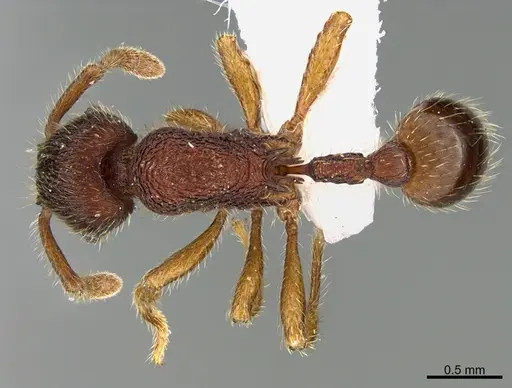
Literatura
Carregando mapa de distribuição...Carregando produtos...