
Eusphinctus taylori
- Nome científico
- Eusphinctus taylori
- Subfamília
- Dorylinae
- Autor
- Forel, 1900
- Distribuição
- Encontrada em 0 países
Introdução
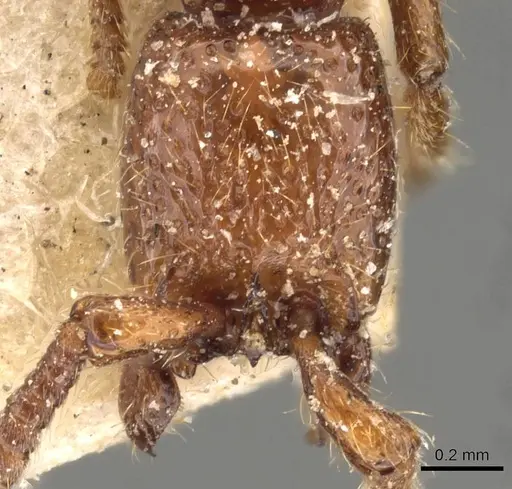
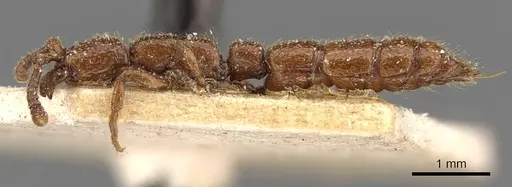
Eusphinctus taylori is a small ant species belonging to the Dorylinae subfamily (army ants). Workers measure 5-5.5mm with a light reddish-brown body and distinctive 11-segmented antennae . The species is characterized by a deeply notched pygidium (the tip of the abdomen), a petiole node that is broader than long, and a noticeably enlarged second gastral segment . Originally described from Odisha, India in 1900,this species is found across eastern India including West Bengal and Sikkim, with records also in Bangladesh . It closely resembles the larger Eusphinctus furcatus, which can be distinguished by its deeper body color, larger size, and petiole that is longer than broad . This is a rarely encountered species in both the wild and in antkeeping, with very limited information available about its captive care.
Quick Summary
- Difficulty: Expert
- Origin & Habitat: Eastern India (Odisha, West Bengal, Sikkim) and Bangladesh in the Indomalaya region [3]. Natural habitat specifics are not documented, but related species typically inhabit forest environments.
- Colony Type: Colony structure is unconfirmed. No research exists on queen number or colony organization for this species.
- Size & Growth:
- Queen: Undocumented, no queen measurements have been published [5]
- Worker: 5-5.5mm [1]
- Colony: Unknown, no colony size data exists in scientific literature
- Growth: Unknown, no development data available
- Development: Unconfirmed, no direct measurements exist. Based on Dorylinae patterns, expect several weeks at optimal temperature, but this is an estimate. (No species-specific development data exists. Dorylinae ants typically develop relatively quickly compared to some other subfamilies, but exact timelines for Eusphinctus are unknown.)
- Antkeeping:
- Temperature: Temperature requirements are unconfirmed. Based on the Indian distribution and related species, a warm setup around 24-28°C is likely appropriate. Start in this range and observe colony activity to fine-tune.
- Humidity: Humidity requirements are unconfirmed. Given the eastern Indian distribution (which includes both humid and dry seasons), moderate humidity around 60-80% is a reasonable starting point. Provide a moisture gradient so ants can choose their preferred zone.
- Diapause: Diapause requirements are unknown. The Indian range does experience cooler winters in some areas (particularly Sikkim), so a brief cool period may be beneficial. However, no specific research exists on overwintering needs for this species.
- Nesting: Nesting preferences are unconfirmed. Based on related Dorylinae and the genus Sphinctomyrmex, they likely nest in soil or rotting wood in natural settings. For captivity, a naturalistic setup with soil substrate or a Y-tong/plaster nest with moisture retention would be appropriate starting points.
- Behavior: Behavior is poorly documented. As a Dorylinae member, they are likely predaceous like other army ants, hunting small invertebrates. Workers are moderately sized at 5-5.5mm, so escape prevention should be standard (tight-fitting lids, barrier gel if needed). No data exists on aggression levels or sting potency, exercise caution as Dorylinae ants can be defensive. The deeply notched pygidium suggests a defensive adaptation, though the exact mechanism is unclear.
- Common Issues: this is an extremely poorly studied species with no established care protocols, expect a steep learning curve, no information exists on founding behavior or how to successfully establish a colony from a queen, diet preferences are unknown, must experiment to determine acceptable foods, temperature and humidity requirements are unconfirmed, must be determined through observation, no data on colony size limits or longevity, long-term care is speculative
Species Identification and Distinction
Eusphinctus taylori is a small Dorylinae ant with workers measuring 5-5.5mm [1]. The species has distinctive features including 11-segmented antennae (unusual among ants which typically have 10 or 12), a deeply notched pygidial apex visible from above, and a second gastral segment that is notably larger than the following segments [2]. The petiolar node is broader than long, which helps distinguish it from the similar Eusphinctus furcatus, a larger species with a petiole longer than broad and darker reddish-brown coloration [4]. The body is described as light reddish brown with sparse punctures and fine hairs, giving a relatively shiny appearance [1]. This species was originally described as Eusphinctus taylori by Forel in 1900 and later transferred to the genus Eusphinctus [5].
Distribution and Biogeography
Eusphinctus taylori is known from eastern India, specifically recorded in Odisha (the type locality), West Bengal, and Sikkim [3]. The species extends into Bangladesh in the Indomalaya region [5]. This distribution covers a range of climatic conditions from the tropical lowlands of Odisha to the more temperate higher elevations of Sikkim. The species appears to be rare in collections, with limited specimen records. No specific habitat microhabitat data exists in the scientific literature, we do not know whether they prefer forest floor, open areas, or specific elevation ranges within this geographic scope.
Housing and Nest Setup
Since no captive care literature exists for this species, recommendations must be based on related Dorylinae and general antkeeping principles. A naturalistic setup with a deep soil layer would be appropriate, allowing for burrowing behavior. Alternatively, a Y-tong nest with moist plaster or soil insert can provide both visibility and appropriate humidity retention. Given the unknown but likely predaceous diet, include an outworld area for hunting and foraging. Use standard escape prevention (tight lids, fluon barrier), while not among the smallest ants,5mm workers can still exploit gaps. Start with moderate humidity (60-80%) and a temperature gradient around 24-28°C, adjusting based on observed colony behavior.
Feeding and Nutrition
Diet preferences are entirely unconfirmed for this species. As members of the Dorylinae subfamily, they are likely predaceous like other army ants, hunting small invertebrates. However, Eusphinctus and Sphinctomyrmex may have somewhat different habits than typical army ants. Offer a variety of protein sources: small live prey such as fruit flies, pinhead crickets, and mealworms. Sugar sources (honey water, sugar water) should be offered occasionally to test acceptance, though Dorylinae ants are primarily predatory. Given the complete lack of species-specific data, keepers will need to experiment to determine what this species accepts. Start with small prey items and observe hunting behavior.
Challenges and Expert-Level Considerations
Eusphinctus taylori represents a significant challenge for antkeepers due to the complete lack of documented captive care information. Unlike more common species where established protocols exist, every aspect of care from founding to long-term maintenance must be determined through experimentation and observation. This species is recommended only for experienced antkeepers who are comfortable working with unknown parameters and can adapt their setup based on colony responses. Key unknowns include: founding behavior (claustral vs semi-claustral), exact temperature and humidity preferences, diet acceptance, colony size limits, and whether the species has any specific nesting requirements. Success with this species would represent a genuine contribution to antkeeping knowledge.
Frequently Asked Questions
How do I care for Eusphinctus taylori ants?
Care is unestablished, this is one of the least documented species in antkeeping. Based on related Dorylinae, provide a warm setup (24-28°C), moderate humidity (60-80%), and offer live prey. No specific protocols exist, so expect to experiment.
What do Eusphinctus taylori ants eat?
Diet is unconfirmed. As Dorylinae, they are likely predaceous. Offer small live prey (fruit flies, pinhead crickets, mealworms) and test sugar acceptance. You will need to determine acceptable foods through observation.
How big do Eusphinctus taylori colonies get?
Colony size is unknown, no scientific data exists on maximum colony size for this species.
Is Eusphinctus taylori good for beginners?
No. This is an expert-level species due to completely unestablished care protocols. There is no established knowledge on founding, feeding, or long-term maintenance. Choose a better-documented species for starting out.
What is the founding behavior of Eusphinctus taylori?
Founding behavior is unconfirmed. No research documents whether queens seal themselves in (claustral) or must forage during founding (semi-claustral).
Does Eusphinctus taylori need hibernation?
Diapause requirements are unknown. The Indian range includes areas with cooler winters, so a brief cool period may be beneficial, but no specific research exists.
How long does it take for Eusphinctus taylori to develop from egg to worker?
Development timeline is unconfirmed. No species-specific data exists. Based on Dorylinae patterns, expect several weeks at warm temperatures, but this is an estimate.
Can I keep multiple Eusphinctus taylori queens together?
Colony structure is unconfirmed. No research exists on whether this species is monogyne (single queen) or polygyne (multiple queens). Combining unrelated queens is not recommended without established protocols.
Where is Eusphinctus taylori found?
Eastern India (Odisha, West Bengal, Sikkim) and Bangladesh in the Indomalaya region.
Report an Issue
The current care sheet is based fully on literature. See inconsistencies, or something that's incorrect? Please , it will be resolved after review from an admin. Contributing to the blogs tab also helps providing information, to make us be able to further improve the caresheets. Thank you for your support!
References

Este guia de cuidados está sob a licença CC BY-SA 4.0 .
Posts da comunidade
CASENT0281981
Ver no AntWeb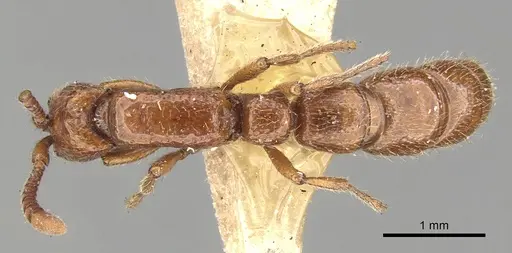
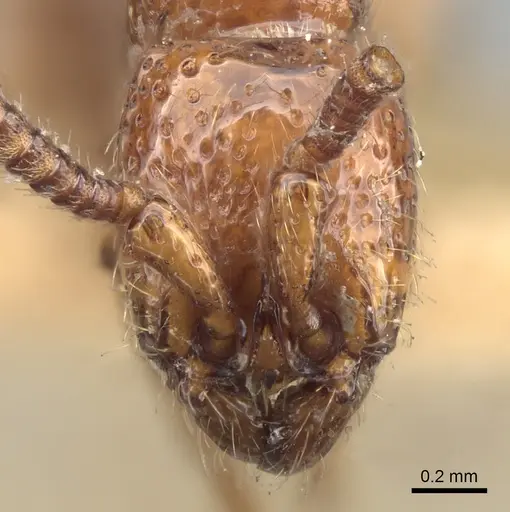
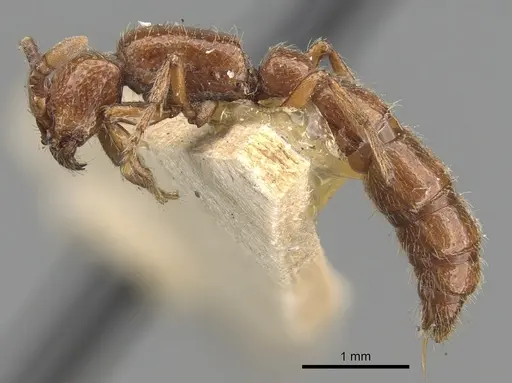
CASENT0907046
Ver no AntWeb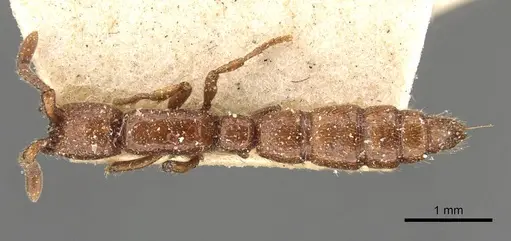
Literatura
Carregando mapa de distribuição...Carregando produtos...