
Echinopla rugosa
- Nome científico
- Echinopla rugosa
- Tribo
- Camponotini
- Subfamília
- Formicinae
- Autor
- André, 1892
- Distribuição
- Encontrada em 0 países
Introdução
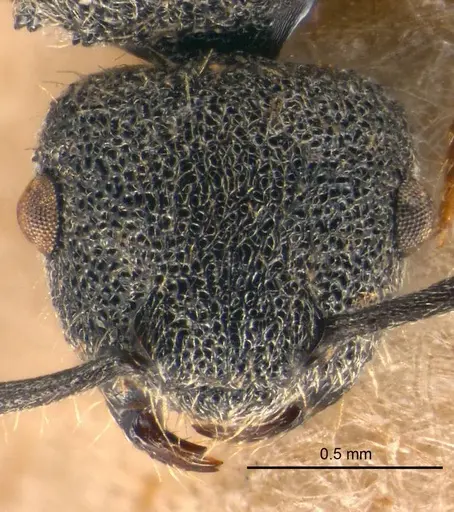
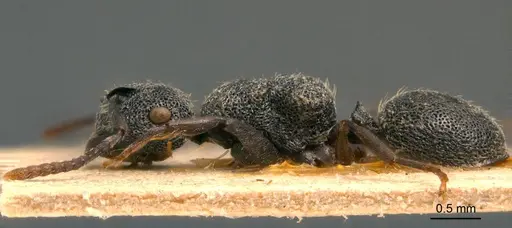
Echinopla rugosa is a tiny, stout ant species native to the Indomalaya region, found throughout Borneo, Brunei, Indonesia, Malaysia, and Singapore. Workers measure approximately 4.2mm in total length, making them one of the smaller ant species in the hobby. They are predominantly black with dark brown legs that can show a subtle bronze shimmer, and their body is covered in dense white pilosity giving them a slightly fuzzy appearance. Their most distinctive features are the sharp tubercles along the dorsal margins of the mesosoma and the heavily toothed petiole, which bears six sharp teeth along the dorsal crest and prominent lateral spines. This species belongs to the serrata species group and is closely related to Echinopla madli, Echinopla wardi, and Echinopla brevisetosa. They are canopy-dwelling ants typically found in lowland dipterocarp forests, with colonies documented living inside withered bamboo stalks.
Quick Summary
- Difficulty: Medium
- Origin & Habitat: Borneo, Brunei, Indonesia, Malaysia, and Singapore, lowland dipterocarp forest canopy [1], with colonies found in withered bamboo [2][3]
- Colony Type: Colony structure is unconfirmed, no published data on queen number or colony size in the wild
- Size & Growth:
- Queen: Size data unavailable, no queen measurements exist in scientific literature
- Worker: ~4.2mm total length [4][5]
- Colony: Unknown, no colony size data published
- Growth: Unknown, no development timing data available
- Development: Estimated 6-10 weeks based on typical Formicinae patterns at tropical temperatures (No direct development timing data exists for this species. Estimates based on related Echinopla species and typical Formicinae development.)
- Antkeeping:
- Temperature: Based on their lowland tropical habitat in Borneo, aim for warm conditions around 24-28°C. A gentle gradient allowing them to choose their preferred temperature is ideal.
- Humidity: As canopy-dwelling ants from humid tropical forests, they prefer moderate to high humidity. Keep nest substrate slightly moist but not waterlogged, with some drier areas available.
- Diapause: Unlikely, being a tropical species from Borneo, they do not require a winter dormancy period.
- Nesting: In the wild, colonies inhabit withered bamboo [2][3]. In captivity, Y-tong (AAC) style nests or test tube setups with narrow chambers scaled to their tiny size work well. Provide some vertical space as they are canopy-dwellers.
- Behavior: This is a relatively calm, non-aggressive species. Workers are small and docile, foraging for honeydew and small prey in the canopy. They are not known to be particularly defensive or aggressive toward keepers. Their small size means escape prevention is important, they can squeeze through small gaps.
- Common Issues: small size means escapes are likely without fine mesh barriers and tight-fitting lids, lack of published care information means keepers are largely pioneering husbandry techniques, wild-caught colonies may have parasites or diseases that can cause colony failure, canopy-dwelling nature may require more vertical space than typical ground-nesting setups, humidity requirements are not well-documented, start with moderate levels and observe colony behavior
Appearance and Identification
Echinopla rugosa workers are tiny at approximately 4.2mm total length, making them one of the smaller ant species you can keep. Their body is predominantly black with dark brown legs that can show a subtle bronze shimmer in certain light. The most distinctive features are the sharp tubercles along the dorsal margins of the mesosoma and the heavily armed petiole. The petiole has a sharp dorsal crest with six teeth running along the top, plus prominent lateral spines. Their entire body surface is covered in tiny pores and dense white pilosity, giving them a slightly fuzzy or frosted appearance. The head is wider than long, and they have relatively small eyes positioned toward the back of the head. These ants belong to the serrata species group within the genus Echinopla. [4][5]
Natural Habitat and Distribution
This species is native to the Indomalaya region, specifically found in Borneo, Brunei, Indonesia, Malaysia, and Singapore. They are endemic to Borneo, meaning they are found nowhere else in the world. Their natural habitat is the canopy of lowland dipterocarp forests, where they live high in the trees rather than on the forest floor. Researchers have collected them using canopy knockdown methods, which involves disturbing the upper branches of trees to dislodge insects. Colonies have been documented living inside withered bamboo stalks, which provides insight into their nesting preferences. This arboreal lifestyle is important to consider when setting up their captive environment. [1][2][3]
Nest Preferences and Housing
In the wild, Echinopla rugosa colonies live in withered bamboo and other arboreal cavities in the forest canopy. For captive care, this suggests they prefer enclosed nesting spaces rather than open foraging areas. Y-tong (AAC) style nests work well for small Formicinae species, providing dark enclosed chambers that mimic their natural bamboo homes. Test tube setups can also work, especially for founding colonies. Because they are canopy-dwellers, they may appreciate some vertical space in their outworld, but they are small enough that standard formicarium setups are appropriate. The key is providing chambers scaled to their tiny size, passages that are too large may make them feel insecure. Use fine mesh on any ventilation holes since they are small enough to escape through standard mesh. [2][3]
Feeding and Diet
As a Formicinae species, Echinopla rugosa likely has a typical ant diet of nectar/honeydew and protein from small insects. In the wild, canopy-dwelling ants often tend aphids or scale insects for honeydew and hunt small arthropods. For captive care, offer sugar water or honey water as a constant energy source. For protein, small prey items like fruit flies, pinhead crickets, or small mealworms are appropriate given their tiny size. Start with modest portions and observe how quickly workers clear the food. Avoid large prey items that could overwhelm or intimidate such small foragers. Since this species has not been widely kept in the hobby, some experimentation with accepted foods may be needed.
Temperature and Environmental Conditions
Being a tropical species from lowland Borneo, Echinopla rugosa requires warm conditions. Aim for temperatures in the range of 24-28°C, which matches their natural canopy habitat in the humid tropics. A gentle temperature gradient in the nest allows workers to choose their preferred spot, much like they would move between sun-exposed and shaded areas in the canopy. Room temperature in most homes may be slightly cool, consider using a heating cable on one side of the nest if your room is below 24°C. Place the heating element on top of the nest to avoid drying out the substrate. For humidity, their canopy origin suggests they prefer moderate to high moisture levels, but not saturation. Keep the nest substrate slightly moist and provide a water tube for drinking. [1]
Behavior and Temperament
Echinopla rugosa is a relatively calm and docile species. Workers are small and non-aggressive, going about their business of foraging and caring for brood without major defensive displays. They do not have a functional sting, as Formicinae, they may spray formic acid as a defense, but this is unlikely to affect keepers. They are arboreal foragers, so they will likely explore the outworld actively, climbing on surfaces rather than just staying on the ground. Their colony sizes are probably moderate given their small worker size. The main behavioral consideration for keepers is their small size, they are excellent escape artists and will find any gap or crack in their enclosure. Excellent escape prevention with fine mesh and tight-fitting barriers is essential. [4][5]
Challenges and Known Issues
The biggest challenge with Echinopla rugosa is the lack of published husbandry information. This species has not been widely kept in the antkeeping hobby, so much of what keepers will do involves educated guesswork based on related species and their natural history. Start with standard small Formicinae care and adjust based on observed colony behavior. Their tiny size means they can escape through gaps that larger ants cannot, so use fine mesh on all ventilation and ensure lids fit tightly. Wild-caught colonies may carry parasites or diseases that can wipe out the colony in captivity, quarantine and careful observation is recommended. Finally, their canopy-dwelling nature may mean they prefer more humidity than ground-nesting ants, so monitor for signs of stress and adjust accordingly.
Frequently Asked Questions
How long does it take for Echinopla rugosa to produce first workers?
The exact development timeline has not been documented for this species. Based on typical Formicinae development patterns at tropical temperatures around 26°C, expect approximately 6-10 weeks from egg to first worker. This is an estimate, actual timing may vary based on temperature and colony health.
What size colony does Echinopla rugosa reach?
Colony size data has not been published for this species. Their small worker size suggests moderate colony sizes at maturity.
Can I keep multiple Echinopla rugosa queens together?
The colony structure of this species has not been studied. No data exists on whether they are monogyne or polygyne. Until more information is available, it is not recommended to combine unrelated queens, as fighting is likely.
What is the best nest type for Echinopla rugosa?
Based on their natural history of living in withered bamboo, enclosed nests with narrow chambers work best. Y-tong (AAC) acrylic nests or test tube setups are appropriate. Ensure chambers are scaled to their tiny size.
Are Echinopla rugosa good for beginners?
This species is rated as medium difficulty. While they are relatively docile and small, the lack of published husbandry information means keepers may need to experiment with care conditions. They are not the best choice for complete beginners, but antkeepers with some experience should do well.
What temperature should I keep Echinopla rugosa at?
Aim for 24-28°C based on their tropical lowland habitat in Borneo. A gentle gradient allowing workers to choose their preferred temperature is ideal. Room temperature may be too cool in some homes.
Do Echinopla rugosa need hibernation?
As a tropical species from Borneo, they do not require a winter dormancy period. Their natural environment does not experience cold winters, so no diapause or hibernation is needed.
Why are my Echinopla rugosa escaping?
Their tiny size means they can squeeze through very small gaps. Use fine mesh on all ventilation, ensure lids fit tightly, and check for any cracks or gaps in the enclosure. Escape prevention must be excellent.
What do Echinopla rugosa eat?
Like most Formicinae, they likely accept sugar sources and protein. Offer sugar water constantly and protein prey such as small insects 2-3 times per week.
Report an Issue
The current care sheet is based fully on literature. See inconsistencies, or something that's incorrect? Please , it will be resolved after review from an admin. Contributing to the blogs tab also helps providing information, to make us be able to further improve the caresheets. Thank you for your support!
References

Este guia de cuidados está sob a licença CC BY-SA 4.0 .
Posts da comunidade
CASENT0922770
Ver no AntWeb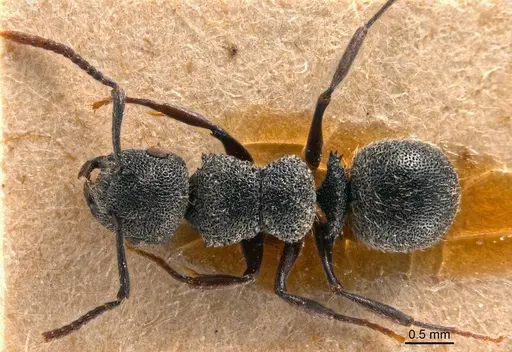
Literatura
Carregando mapa de distribuição...Carregando produtos...