
Dolichoderus tricornis
- Nome científico
- Dolichoderus tricornis
- Tribo
- Dolichoderini
- Subfamília
- Dolichoderinae
- Autor
- Emery, 1897
- Distribuição
- Encontrada em 0 países
Introdução
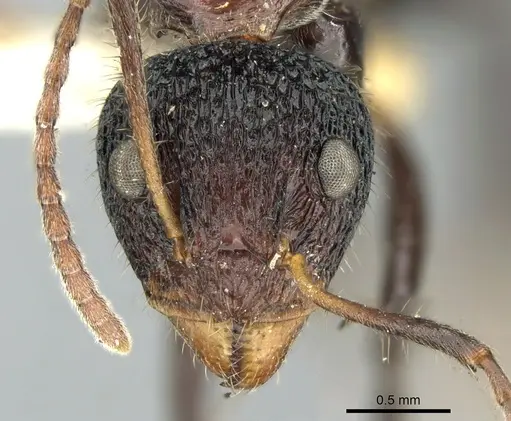
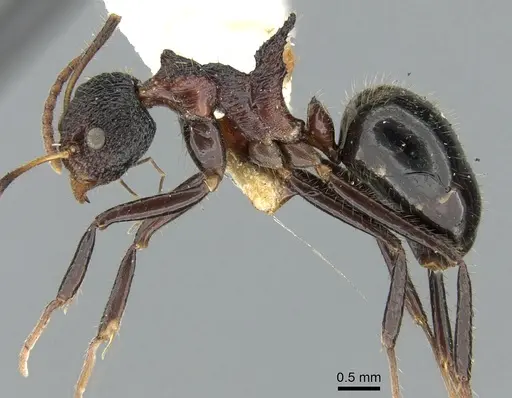
Dolichoderus tricornis is a medium-sized ant species belonging to the subfamily Dolichoderinae. Workers measure approximately 4-6mm, with queens being larger at around 8-10mm - these sizes are inferred from typical Dolichoderus genus morphology since specific measurements are unavailable. They have the characteristic dolichoderine appearance with a smooth, rounded mesosoma and a distinct three-horned petiole (the narrow waist segment that gives them their name 'tricornis'). Their coloration is typically dark brown to black with a subtle iridescent sheen. This species is native to tropical Asia and is considered a habitat specialist restricted to primary forest environments . Unlike many ant species that adapt to human-modified landscapes, Dolichoderus tricornis is rarely found in secondary growth or agricultural areas, making it an indicator of healthy, undisturbed forest ecosystems.
Quick Summary
- Difficulty: Medium
- Origin & Habitat: Native to tropical Asia, specifically documented in primary forest regions of Xishuangbanna, China. This species is a strict habitat specialist that requires old-growth primary forest and does not tolerate secondary forest or plantation environments [1].
- Colony Type: Colony structure is not well-documented in scientific literature. Based on typical Dolichoderus genus patterns, colonies are likely single-queen (monogyne) structures, though this requires confirmation through targeted research.
- Size & Growth:
- Queen: ~8-10mm, inferred from typical Dolichoderus genus morphology
- Worker: ~4-6mm, inferred from typical Dolichoderus genus morphology
- Colony: Likely reaches several hundred to a few thousand workers, estimated from genus patterns
- Growth: Moderate, estimated based on related species
- Development: Development timeline is unconfirmed for this species. Similar tropical Dolichoderus species typically develop from egg to worker in 6-10 weeks at optimal temperatures. (No specific development data exists for this species. Estimates based on genus-level patterns for related tropical species.)
- Antkeeping:
- Temperature: Keep at 24-28°C. As a tropical forest species, they need warm, stable temperatures. A heating cable on one side of the nest can create a gentle gradient. Avoid temperatures below 20°C for extended periods.
- Humidity: High humidity is essential, aim for 70-85%. These forest-dwelling ants need consistently moist conditions. Keep the nest substrate damp but not waterlogged. Misting or a water reservoir connected to the nest helps maintain humidity.
- Diapause: Likely minimal or no true diapause. As a tropical species, they probably experience year-round activity with slight seasonal slowdowns during cooler periods. Do not expose to cold temperatures.
- Nesting: Arboreal preferences suggest they do well in Y-tong (AAC) nests, plaster nests, or naturalistic setups with wood cavities. They prefer enclosed spaces with some vertical orientation. Avoid dry, airy setups.
- Behavior: Dolichoderus tricornis is not particularly aggressive but possesses defensive capabilities. Like other Dolichoderine ants, they can secrete chemicals from their anal glands as a defensive mechanism. They are active foragers and likely forage in trees and along branches in the wild. Workers are medium-sized and relatively fast-moving. Escape prevention should be moderate, they are not tiny ants but can still escape through small gaps. They are generally calm and not prone to biting.
- Common Issues: primary forest habitat specialist means they are sensitive to environmental changes and may struggle in suboptimal captive conditions, high humidity requirements make them prone to mold issues if ventilation is poor, tropical species are sensitive to temperature drops, cold can be fatal, limited availability in the antkeeping hobby means established husbandry protocols are not well-developed, slow colony establishment compared to more common species may frustrate beginners
Natural History and Habitat
Dolichoderus tricornis is a specialized ant species that thrives exclusively in primary forest environments. Scientific surveys in Xishuangbanna, China have documented this species only in primary forest regions, with complete absence from secondary forest and rubber plantations [1]. This makes it a valuable indicator species for ecosystem health. In the wild, they likely nest in arboreal locations such as tree hollows, under bark, or within epiphytic plants. Their strict habitat requirements suggest they need stable microclimates with high humidity and protection from environmental disturbances. This specialization also means they are sensitive to habitat fragmentation and climate changes.
Nest Preferences and Housing
Based on their likely arboreal nature, Dolichoderus tricornis does best in nests that provide enclosed spaces with some vertical orientation. Y-tong (AAC) nests work well because they offer dark, secure chambers that mimic tree hollows. Plaster nests with built-in water reservoirs help maintain the high humidity this species requires. Naturalistic setups with cork bark or wood pieces can also work, provided humidity is maintained. Avoid test tube setups alone for established colonies, they need more space. The nest should be kept in a location with stable temperatures away from direct sunlight and drafts. Given their primary forest origin, they are sensitive to dry conditions and require consistent moisture in their nesting area.
Feeding and Diet
While specific dietary studies for Dolichoderus tricornis are lacking, Dolichoderus genus ants are typically omnivorous with a preference for honeydew and small insects. In captivity, offer sugar water or honey as a constant energy source. For protein, provide small insects like fruit flies, pinhead crickets, or mealworms. They are likely to accept protein-rich foods readily. Feed protein sources 2-3 times per week, and keep sugar water available at all times. Remove uneaten prey after 24-48 hours to prevent mold. Fresh water should always be accessible.
Temperature and Seasonal Care
As a tropical species from primary forest understories, Dolichoderus tricornis requires warm and stable conditions. Maintain temperatures between 24-28°C for optimal colony health and development. A slight temperature gradient within the nest allows ants to regulate their own body temperature. During cooler months or in air-conditioned rooms, supplemental heating may be necessary. Avoid temperatures below 20°C as prolonged cold exposure can be fatal. Unlike temperate species, they do not require a true hibernation period. However, slight reductions in activity during natural seasonal cool periods are normal and not a concern.
Behavior and Colony Dynamics
Dolichoderus tricornis workers are medium-sized and relatively active. They are not particularly aggressive but will use chemical defenses when threatened, like other Dolichoderine ants, they can secrete defensive chemicals from their anal glands. Colonies likely grow at a moderate pace, with the queen producing eggs that develop through typical ant life stages. Workers take on roles including foraging, nest maintenance, and brood care. The colony will expand gradually over time, potentially reaching several thousand workers in optimal conditions. These ants are generally calm in captivity and do not exhibit extreme escape behavior, though standard barrier precautions are still recommended.
Frequently Asked Questions
Is Dolichoderus tricornis suitable for beginners?
Dolichoderus tricornis is not ideal for complete beginners due to its specific habitat requirements. It needs high humidity, stable warm temperatures, and is sensitive to environmental changes. However, antkeepers with some experience maintaining tropical species should find it manageable. The main challenges are providing consistent humidity and ensuring the colony establishes well.
What temperature do Dolichoderus tricornis ants need?
Keep Dolichoderus tricornis at 24-28°C. This tropical species requires warm conditions year-round. A heating cable on one side of the nest can help maintain optimal temperatures, especially in cooler rooms. Avoid temperatures below 20°C.
How long does it take for Dolichoderus tricornis to produce first workers?
Development timeline is unconfirmed for this species. Based on typical Dolichoderus development patterns, expect first workers (nanitics) approximately 6-10 weeks after the queen lays eggs, assuming optimal temperatures around 24-28°C. This timeline is an estimate since specific development data for this species is not available.
What do Dolichoderus tricornis eat?
Offer a diet of sugar water or honey as a constant energy source, supplemented with small insects like fruit flies, pinhead crickets, or mealworms for protein. Feed protein 2-3 times per week and keep sugar water available at all times.
Can I keep multiple Dolichoderus tricornis queens together?
The colony structure of this species is not well-documented. Based on typical Dolichoderus patterns, single-queen colonies are most likely. Combining unrelated queens is not recommended without evidence they can form polygynous colonies.
What humidity level does Dolichoderus tricornis need?
Maintain high humidity at 70-85%. These forest-dwelling ants need consistently moist conditions. Use nests with water reservoirs or mist regularly to keep the substrate damp. Poor humidity can stress colonies and slow development.
What type of nest is best for Dolichoderus tricornis?
Y-tong (AAC) nests or plaster nests work well. These provide the dark, enclosed spaces this species prefers while allowing humidity control. Naturalistic setups with cork bark or wood cavities are also suitable.
Does Dolichoderus tricornis need hibernation?
No, Dolichoderus tricornis does not require hibernation. As a tropical species, they remain active year-round with stable temperatures. Slight seasonal slowdowns may occur naturally but no cold exposure is needed.
Why is my Dolichoderus tricornis colony declining?
Common causes include low humidity, temperatures below 20°C, poor nutrition, or stress from excessive disturbance. Ensure the nest maintains 70-85% humidity, temperatures stay above 24°C, and provide adequate protein. Avoid moving the nest frequently.
Report an Issue
The current care sheet is based fully on literature. See inconsistencies, or something that's incorrect? Please , it will be resolved after review from an admin. Contributing to the blogs tab also helps providing information, to make us be able to further improve the caresheets. Thank you for your support!
References

Este guia de cuidados está sob a licença CC BY-SA 4.0 .
Posts da comunidade
CASENT0905011
Ver no AntWeb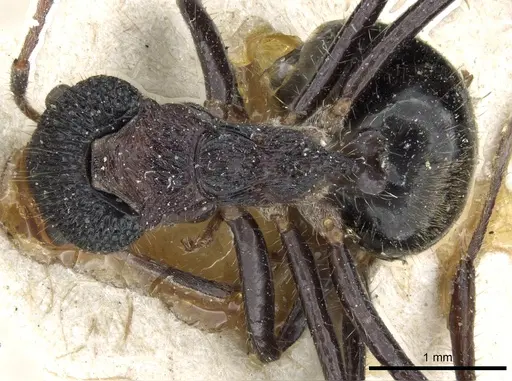
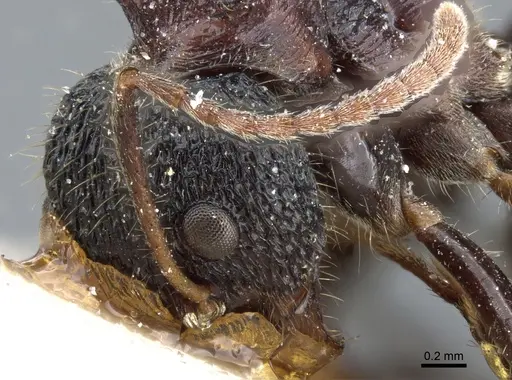
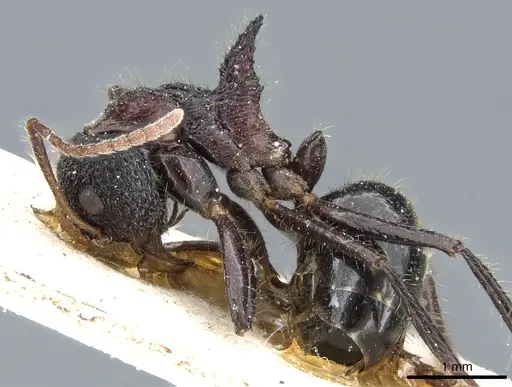
CASENT0906224
Ver no AntWeb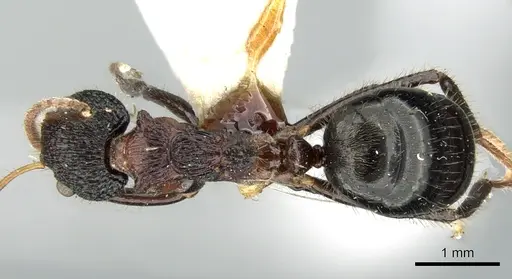
Literatura
Carregando mapa de distribuição...Carregando produtos...