
Dolichoderus doloniger
- Nome científico
- Dolichoderus doloniger
- Tribo
- Dolichoderini
- Subfamília
- Dolichoderinae
- Autor
- Roger, 1862
- Distribuição
- Encontrada em 2 países
Introdução
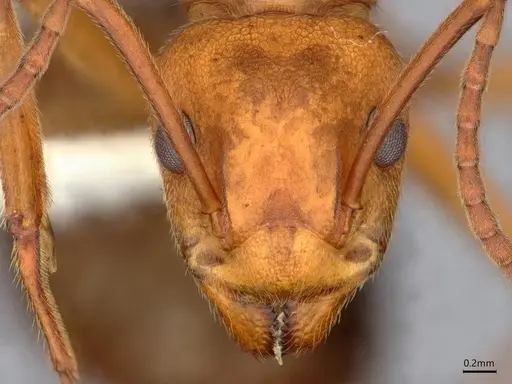
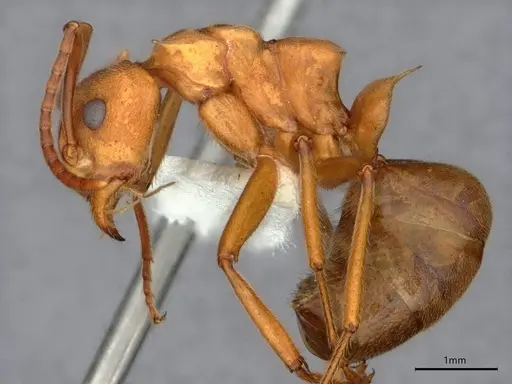
Dolichoderus doloniger is a Neotropical ant with a light, smooth body and no erect hairs on the scapes or legs . It has a continuous petiole ending in a spine and well‐developed basidorsal tubercles on the hind coxae . This species is known from Colombia, Venezuela, and Bolivia . In Colombia it has been recorded in Amazonas, Antioquia, Caldas, Guaviare, Huila, Magdalena, Putumayo, Risaralda, Valle del Cauca, Vaupés, and Vichada . Very little has been published about its natural history or behavior – most records come from taxonomic collections .
Quick Summary
- Difficulty: Medium
- Origin & Habitat: Neotropical forests of Colombia, Venezuela, and Bolivia [1][2][3]. Specific microhabitat preferences have not been documented.
- Colony Type: Unconfirmed – no data are available on the social structure of this species.
- Size & Growth:
- Queen: size data unavailable
- Worker: size data unavailable
- Colony: Unknown – no colony size data available in the literature.
- Growth: Unknown – not documented.
- Development: Unknown – not documented in available literature. (No specific developmental data exist for D. doloniger.)
- Antkeeping:
- Temperature: No specific temperature recommendations are available. As a tropical species from lowland Colombia and Venezuela [2][3], it likely needs warm conditions (roughly 24–28°C), but this inference should be verified.
- Humidity: No specific humidity data exist. Given its tropical origin, high humidity (70–85%) is a reasonable starting point, but this is speculation.
- Diapause: Unknown – tropical species typically do not require hibernation, but no studies have addressed this.
- Nesting: No nest‑site preferences are recorded. Based on general Dolichoderus patterns, they may nest in rotting wood or under bark, but this is unconfirmed.
- Behavior: No behavioral observations have been published for this species. General Dolichoderus traits (active foraging, honeydew tending, chemical defense) are likely, but not confirmed.
- Common Issues: no documented captive care issues exist – all advice is speculative., limited availability in the hobby – wild colonies are rarely collected., lack of specific data makes troubleshooting difficult.
Housing and Nest Setup
No specific nest preferences or captive housing recommendations have been established for Dolichoderus doloniger. The species has only been documented in taxonomic collections, and no behavioral studies exist [1][2]. Keepers should proceed with caution, using general Dolichoderus care practices (e.g., Y‑tong or plaster nests with high humidity) and adjust based on observation.
Feeding and Diet
No dietary data are available for D. doloniger [1]. Based on typical Dolichoderus habits, they likely accept sugar water and small insects, but this is not confirmed. Offer a variety of prey and sugar sources, and monitor acceptance.
Temperature and Humidity Management
No specific temperature or humidity requirements have been published. The species is known from tropical Colombia and Venezuela [2][3], so warm temperatures and high humidity are likely needed, but this is speculative. Use a heating cable and humid substrate, and observe colony behavior to fine‑tune conditions.
Colony Development and Growth
Colony development has not been documented for this species [1]. There is no information on egg‑to‑worker time, colony size, or growth rate. Ants from warm climates often develop quickly, but this is pure guesswork for D. doloniger.
Behavior and Temperament
No behavioral observations have been published [1]. General Dolichoderus traits – such as trail‑forming, honeydew collection, and chemical defense – are expected, but should not be assumed without direct evidence.
Frequently Asked Questions
Where is Dolichoderus doloniger found in the wild?
This species is native to Colombia, Venezuela, and Bolivia [1][2][3]. In Colombia it has been recorded in Amazonas, Antioquia, Caldas, Guaviare, Huila, Magdalena, Putumayo, Risaralda, Valle del Cauca, Vaupés, and Vichada [2][3].
What size are Dolichoderus doloniger workers and queens?
Body size measurements have not been published for this species. The original descriptions (worker in 1862,queen in 1987) do not include standard body length (TL) data [4]. Therefore, size is unknown.
Do Dolichoderus doloniger ants need hibernation?
Diapause requirements are unknown. Because the species is tropical, it likely does not require a cold hibernation period, but no studies have addressed this. Avoid sudden temperature drops.
Can I keep multiple Dolichoderus doloniger queens together?
Colony structure (monogyne vs polygyne) has not been documented. Most Dolichoderus are monogyne, but without specific data for D. doloniger, combining unrelated queens is not recommended.
Report an Issue
The current care sheet is based fully on literature. See inconsistencies, or something that's incorrect? Please , it will be resolved after review from an admin. Contributing to the blogs tab also helps providing information, to make us be able to further improve the caresheets. Thank you for your support!
References

Este guia de cuidados está sob a licença CC BY-SA 4.0 .
Posts da comunidade
CASENT0249648
Ver no AntWeb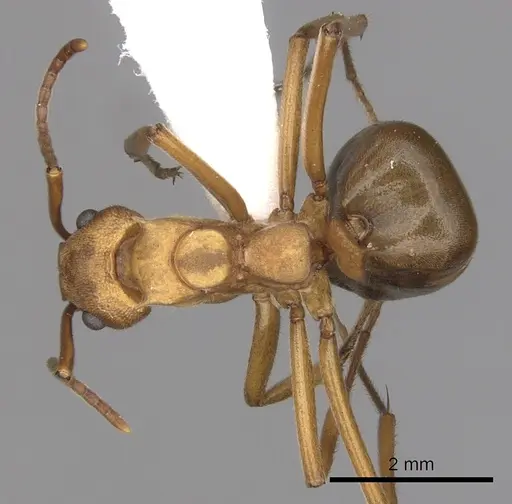
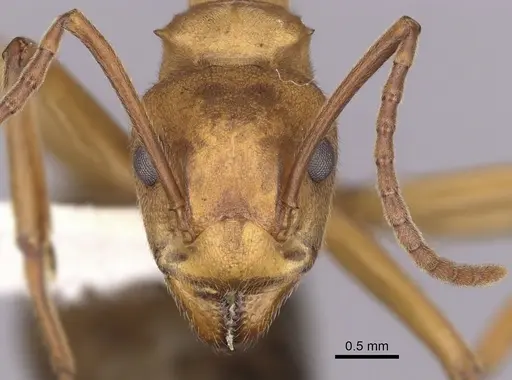
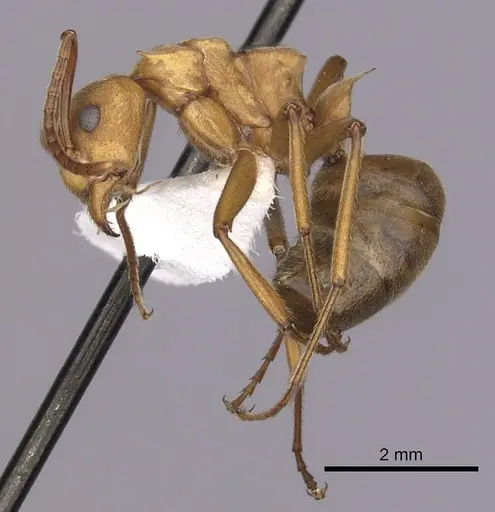
CASENT0886002
Ver no AntWeb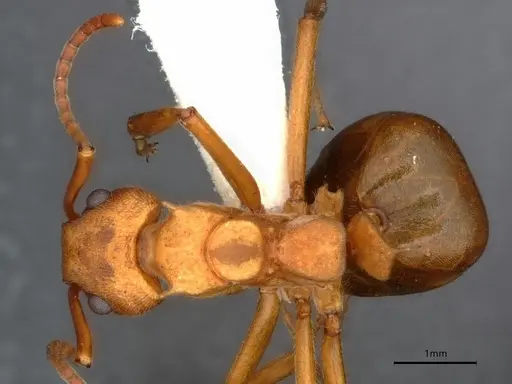
Literatura
Carregando mapa de distribuição...Carregando produtos...