
Dolichoderus andinus
- Nome científico
- Dolichoderus andinus
- Tribo
- Dolichoderini
- Subfamília
- Dolichoderinae
- Autor
- Kempf, 1962
- Distribuição
- Encontrada em 1 países
Introdução
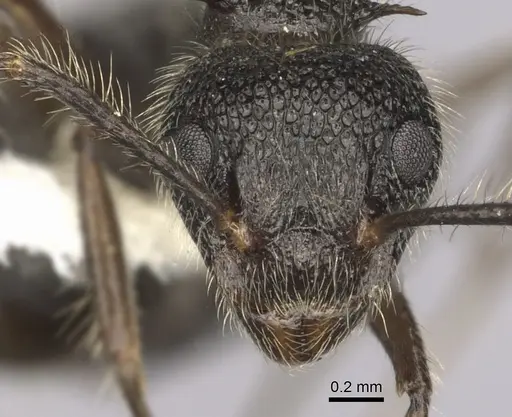
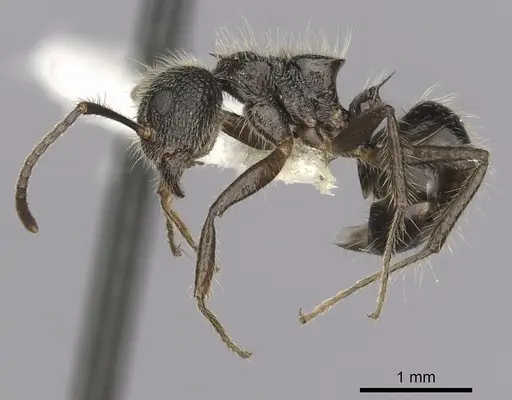
Dolichoderus andinus is a small ant species native to the highland regions of Peru. This species was originally described as Monacis andina in 1962 by Kempf before being reclassified into the genus Dolichoderus by Shattuck in 1992. The type specimens were collected at an elevation of 2,150 meters in the Pichita Caluga region of central Peru, indicating this is a high-altitude species . As a Dolichoderine ant, this species can release formic acid when threatened, which gives them a distinctive smell when crushed. They are arboreal by nature, typically nesting in rotting wood or under bark in their natural habitat.
Quick Summary
- Difficulty: Medium
- Origin & Habitat: Native to the highlands of central Peru, specifically the Pichita Caluga region at approximately 2,150 meters elevation [1][2].
- Colony Type: Colony structure is not documented in scientific literature.
- Size & Growth:
- Queen: size data unavailable
- Worker: size data unavailable
- Colony: unknown, not documented in available literature
- Growth: unknown
- Development: unknown, not documented for this species (Development time has not been studied for this specific species)
- Antkeeping:
- Temperature: Keep at room temperature. The high-altitude origin suggests they prefer cooler conditions than typical tropical ants. Avoid prolonged heat exposure above 25°C.
- Humidity: Moderate humidity. Provide a water tube as a moisture source.
- Diapause: Likely requires a mild winter rest period given the high-altitude origin. A slight temperature reduction for 2-3 months during winter is recommended.
- Nesting: In captivity, they do well in Y-tong (AAC) nests or naturalistic setups with rotting wood pieces. They are arboreal by nature, so vertical space and climbing opportunities are appreciated.
- Behavior: Dolichoderus andinus is generally calm. When threatened, workers can spray formic acid as a defensive mechanism. They are active foragers and will search for food throughout the nest and outworld. Workers are medium-sized and relatively fast-moving. Escape prevention is important due to their moderate size, standard barriers like fluon on test tube rims work well.
- Common Issues: High-altitude origin means they may be sensitive to overheating, keep them cool., Limited documentation means colony founding can be challenging, patience is key., As arboreal ants, they may struggle in fully horizontal test tube setups., Wild-caught colonies may carry parasites, quarantine and monitor closely., Formic acid defense can be irritating if ants are crushed, but they are not aggressive toward keepers
Housing and Nest Setup
Dolichoderus andinus is an arboreal species that prefers nesting in rotting wood or under bark in the wild. In captivity, they adapt well to Y-tong (AAC) nests or naturalistic setups that include wood pieces or cork bark. They do not do well in compact horizontal test tube setups, they need more vertical space and the ability to move between chambers. Provide a water tube for humidity, but ensure good ventilation to prevent mold. Because they are from high elevations, avoid placing their nest in warm locations in your home. [1][2]
Feeding and Diet
Like other Dolichoderus species, these ants are omnivorous and will accept a variety of foods. Offer sugar water or honey as an energy source. For protein, provide small insects like fruit flies, small crickets, or mealworm pieces. They are active foragers, so place food in the outworld where they can find it easily. Remove uneaten food after 24-48 hours to prevent mold.
Temperature and Seasonal Care
This species likely requires cooler temperatures than most tropical ants due to its high-altitude origin in the Peruvian Andes. Maintain nest temperatures below 25°C. During winter, a slight temperature reduction to provide a natural rest period is recommended. This diapause mimics the cooler conditions at 2,150m elevation and helps maintain natural seasonal rhythms. Do not feed during the coldest part of diapause, but ensure some moisture is available. Resume normal feeding and temperatures gradually in spring. [1][2]
Behavior and Defense
Dolichoderus andinus has a characteristic defense mechanism common to Dolichoderine ants, they can spray formic acid when threatened or crushed. This gives them a distinctive pungent smell. They are not particularly aggressive toward keepers and rarely bite, but the formic acid spray can be irritating to skin and eyes. Handle gently and avoid crushing any workers. In the colony, they are active and organized foragers. Workers move at a moderate pace and will establish regular foraging routes.
Colony Founding and Growth
Queen founding behavior has not been documented for this species. Expect the first workers to emerge over several months under optimal conditions. Colonies are relatively long-lived, with queens potentially living for many years. Patience is essential, as initial growth is slow for most ant species.
Frequently Asked Questions
What temperature should I keep Dolichoderus andinus at?
Keep them below 25°C. This species comes from high-altitude Peru (2,150m) and likely prefers cooler conditions than typical tropical ants.
How long does it take for Dolichoderus andinus to produce first workers?
This is not documented. Development time has not been studied for this specific species.
What do Dolichoderus andinus eat?
They are omnivorous. Offer sugar water or honey for energy, and small insects like fruit flies, small crickets, or mealworm pieces for protein.
Do Dolichoderus andinus need hibernation?
They likely need a mild winter rest period. A slight temperature reduction for 2-3 months during winter is recommended, mimicking their natural high-altitude seasonal conditions.
What type of nest is best for Dolichoderus andinus?
They prefer Y-tong (AAC) nests or naturalistic setups with rotting wood or cork bark. They are arboreal by nature and need more vertical space than typical test tubes provide.
Are Dolichoderus andinus good for beginners?
They are rated as medium difficulty. The main challenges are their need for cooler temperatures and limited documentation about their specific care requirements.
How big do Dolichoderus andinus colonies get?
This is not documented in scientific literature.
Can I keep multiple Dolichoderus andinus queens together?
This is not documented. Colony structure has not been studied for this species.
Why are my Dolichoderus andinus dying?
The most common causes are overheating (temperatures above 25°C), excessive humidity causing mold, or stress from improper handling. Ensure cool temperatures, adequate but not excessive moisture, and minimal disturbance during founding.
Report an Issue
The current care sheet is based fully on literature. See inconsistencies, or something that's incorrect? Please , it will be resolved after review from an admin. Contributing to the blogs tab also helps providing information, to make us be able to further improve the caresheets. Thank you for your support!
References

Este guia de cuidados está sob a licença CC BY-SA 4.0 .
Posts da comunidade
CASENT0249651
Ver no AntWeb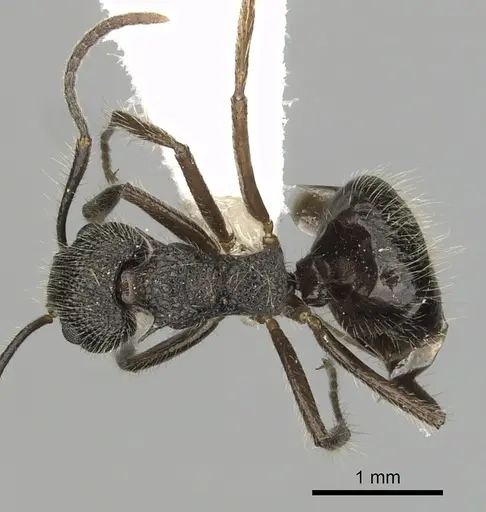
Literatura
Carregando mapa de distribuição...Carregando produtos...