
Cryptopone fusciceps
- Nome científico
- Cryptopone fusciceps
- Tribo
- Ponerini
- Subfamília
- Ponerinae
- Autor
- Emery, 1900
- Distribuição
- Encontrada em 3 países
Introdução
Cryptopone fusciceps is a small ponerine ant native to Papua New Guinea and the Solomon Islands in the Australasian region . Workers are approximately 4-6mm in length with the typical robust build of Ponerinae ants, including a functional stinger. The species was originally described by Emery in 1900 from specimens collected in German New Guinea (now Papua New Guinea) . This ant is hypogaeic, meaning it lives primarily underground in subterranean nests, which has limited direct observation of its biology . The genus Cryptopone is known for cryptic, ground-nesting habits, and this species remains poorly studied despite its distribution across Melanesia.
Quick Summary
- Difficulty: Medium
- Origin & Habitat: Papua New Guinea and Solomon Islands, tropical rainforest environments in lowland and montane forest areas. These ants are hypogaeic (subterranean), nesting in soil and decaying wood in damp, shaded forest floor habitats [4][1].
- Colony Type: Colony structure is unconfirmed. No documented evidence for monogyne or polygyne colony organization.
- Size & Growth:
- Queen: Approximately 6-8mm, estimated based on genus patterns for Cryptopone species [3].
- Worker: Approximately 4-6mm [3].
- Colony: Maximum colony size is unconfirmed. Ponerine colonies typically reach a few hundred workers.
- Growth: Moderate, Ponerine ants generally develop more slowly than advanced ants.
- Development: Estimated 8-12 weeks based on typical Ponerinae patterns. This is unconfirmed for this specific species. (Ponerine ants typically have slower development than many common hobby species.)
- Antkeeping:
- Temperature: Keep at 24-28°C, these are tropical ants from warm, humid environments. A slight gradient allowing cooler areas around 24°C is beneficial.
- Humidity: High humidity is essential, think damp forest floor conditions. Keep nest substrate consistently moist but not waterlogged. Ponerinae are sensitive to drying out. Aim for 70-85% humidity in the nest area.
- Diapause: No true diapause required, this is a tropical species from Papua New Guinea and Solomon Islands where temperatures remain warm year-round.
- Nesting: Subterranean nesting means they prefer deep, humid nest setups. Y-tong (AAC) nests with moisture reservoirs work well, or a naturalistic setup with deep soil mixture. Provide plenty of substrate depth for tunneling.
- Behavior: Cryptopone fusciceps is a cryptic, secretive species that spends most of its time underground. Workers are likely nocturnal or crepuscular foragers, hunting small invertebrates in the soil. They possess a functional stinger and are capable of stinging if threatened. Escape prevention is moderate, their small size means standard barriers should still be used. They are likely predatory, hunting small soil arthropods.
- Common Issues: high humidity management is critical, these ants are prone to dying if conditions dry out, slow growth can frustrate beginners, founding colonies may take months before first workers appear, limited information makes care experimental, this species is rarely kept, wild-caught colonies may be stressed from collection and difficult to establish, tropical requirements mean room temperature may be insufficient in cooler climates
Natural History and Distribution
Cryptopone fusciceps is endemic to the Australasian region, specifically Papua New Guinea and the Solomon Islands [1][2]. The species was first described from Papua New Guinea (then German New Guinea) in 1900 by Emery, with additional populations documented in the Solomon Islands including Makira and Guadalcanal [2]. As a hypogaeic (subterranean) species, these ants nest underground in soil, under stones, or in decaying wood in damp forest environments [4]. This cryptic lifestyle means they are rarely encountered on the surface, making direct observation of their biology difficult. The Solomon Islands populations were first recorded in 1919 from Santa Isabel (Ysabel) Island [1]. Like other Cryptopone species, they are likely predaceous on small soil invertebrates.
Housing and Nest Setup
Because this species is subterranean, your setup should prioritize darkness, humidity, and depth. A Y-tong (AAC) nest with a water reservoir works well, the moisture chamber keeps the nest humid while the dark chambers mimic underground conditions. Alternatively, a naturalistic setup with a deep container filled with a soil mixture allows them to tunnel naturally. Keep the nest area dark, cover with an opaque barrier or place in a dark room. Provide an outworld for foraging that is easy to maintain and observe. Because they are small, ensure escape prevention is adequate. The foraging area should be simple to clean and allow you to observe prey acceptance.
Feeding and Diet
Cryptopone fusciceps is likely a predator like other Ponerinae ants. Based on genus patterns, they probably hunt small soil invertebrates such as springtails, tiny mites, and small insects. In captivity, offer small live prey items like fruit flies, pinhead crickets, small mealworms, and most importantly, live springtails. Sugar sources may be accepted occasionally, you can offer a drop of diluted honey or sugar water, but do not rely on it as a primary food source. Feed protein prey several times per week, removing any uneaten prey after 24 hours.
Temperature and Humidity Management
These are tropical ants requiring warm, humid conditions. Maintain temperatures between 24-28°C in the nest area, a heating cable on one side of the nest can create a gentle gradient if your room temperature is below this range. Place the heating on top of the nest, not underneath, to avoid evaporating moisture too quickly. Humidity is critical, keep the nest substrate consistently moist. For Y-tong nests, ensure the water reservoir is filled and the cotton is keeping the chambers damp. For naturalistic setups, mist the substrate regularly and monitor for drying. The ideal humidity is around 75-85%. Avoid both drying out AND waterlogging, aim for damp, not soggy.
Colony Founding and Development
The founding behavior of Cryptopone fusciceps has not been directly documented. Based on typical Ponerinae patterns, it may be claustral, meaning the queen seals herself in a small chamber and raises her first workers alone, living off her stored fat reserves without foraging. During founding, keep the queen in a dark, humid test tube setup with no disturbance. Expect a wait of several months before the first workers appear. Development from egg to worker likely takes 8-12 weeks at optimal temperature, which is slower than many common hobby species. Be patient during founding, Ponerine queens are resilient but can be disturbed by excessive checking.
Frequently Asked Questions
How long does it take for Cryptopone fusciceps to raise first workers?
Based on typical Ponerinae development, expect 8-12 weeks from egg to first worker at optimal temperature. This is unconfirmed for this specific species but represents a reasonable estimate.
Do Cryptopone fusciceps ants sting?
Yes, as a Ponerinae ant they have a functional stinger. However, due to their small size and cryptic habits, they are unlikely to sting unless directly threatened or handled roughly.
What do Cryptopone fusciceps eat?
They are likely predatory on small soil invertebrates. Feed small live prey like springtails, fruit flies, tiny crickets, and small mealworms. Sugar sources may be occasionally accepted but should not be the primary food.
Are Cryptopone fusciceps good for beginners?
This species is not ideal for complete beginners due to its specific humidity requirements, slow development, and the limited information available about its care. However, experienced antkeepers comfortable with Ponerinae or tropical species should find it manageable.
Can I keep multiple queens together?
This has not been documented for this species. There is no evidence they can form polygyne colonies. Combining unrelated queens is not recommended without evidence they can coexist.
What temperature should I keep Cryptopone fusciceps at?
Keep them at 24-28°C. These are tropical ants from Papua New Guinea and Solomon Islands that require warm conditions year-round. Room temperature may be insufficient in cooler climates.
Do Cryptopone fusciceps need hibernation?
No, they do not require hibernation. As a tropical species from near the equator, they expect warm temperatures year-round.
How big do Cryptopone fusciceps colonies get?
Colony size is not documented. Based on typical Ponerinae, colonies likely reach a few hundred workers at most. They are not known for supercolony formation.
Why are my Cryptopone fusciceps dying?
The most common causes are: drying out, temperatures too low, disturbance during founding, or poor prey acceptance. Ensure humidity is high, temperatures are warm (24-28°C), and the nest is kept dark and quiet.
When should I move Cryptopone fusciceps to a formicarium?
Wait until the colony has at least 20-30 workers and is actively foraging in the outworld. For this slow-growing species, this may take 6-12 months or more after founding. Moving too early can stress the colony.
Report an Issue
The current care sheet is based fully on literature. See inconsistencies, or something that's incorrect? Please , it will be resolved after review from an admin. Contributing to the blogs tab also helps providing information, to make us be able to further improve the caresheets. Thank you for your support!
References

Este guia de cuidados está sob a licença CC BY-SA 4.0 .
Posts da comunidade
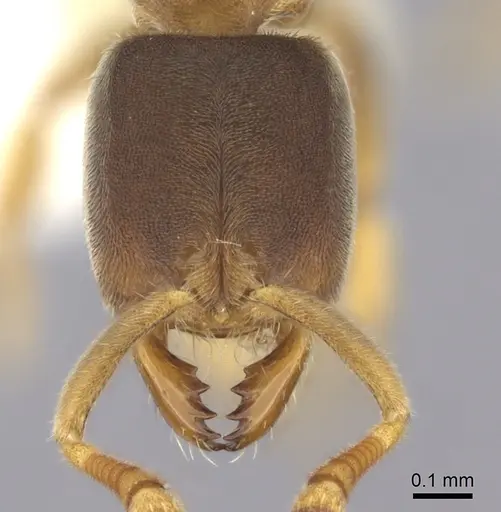
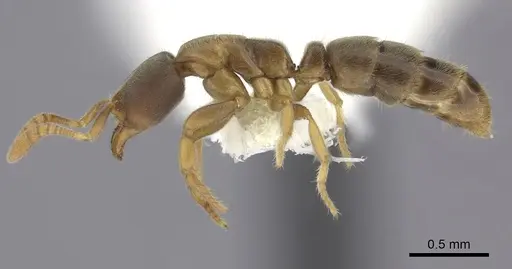
CASENT0260518
Ver no AntWeb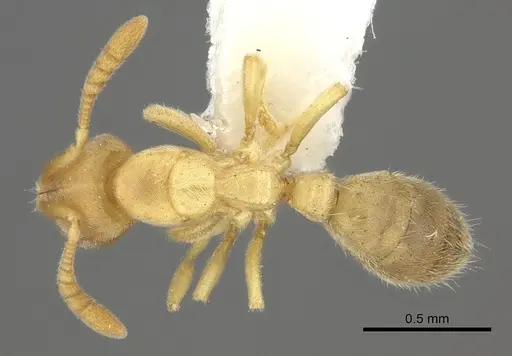
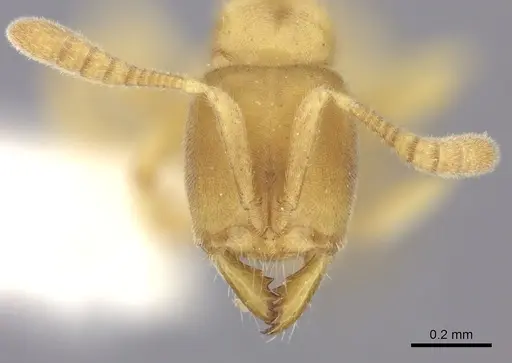
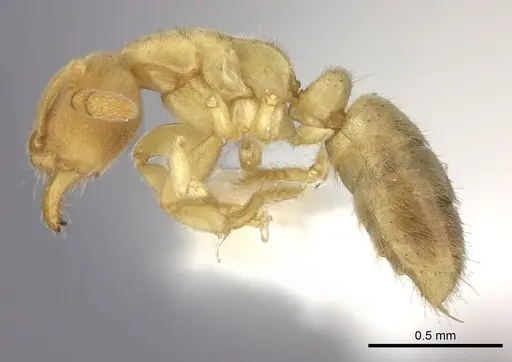
CASENT0260519
Ver no AntWeb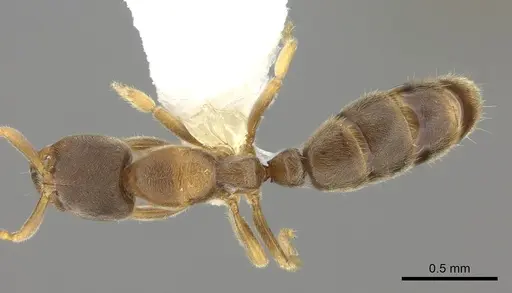
CASENT0882080
Ver no AntWeb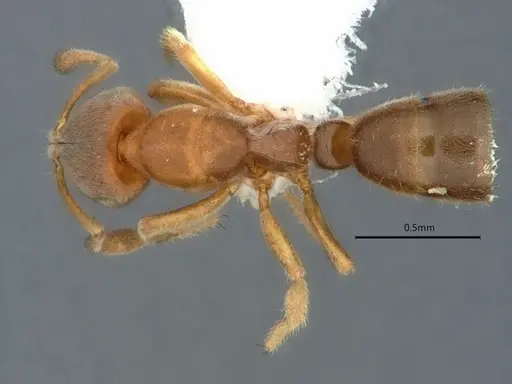
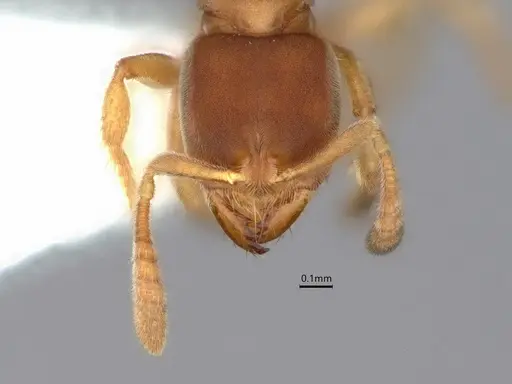
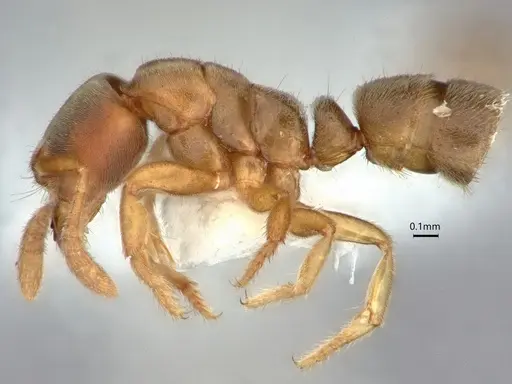
CASENT0903919
Ver no AntWeb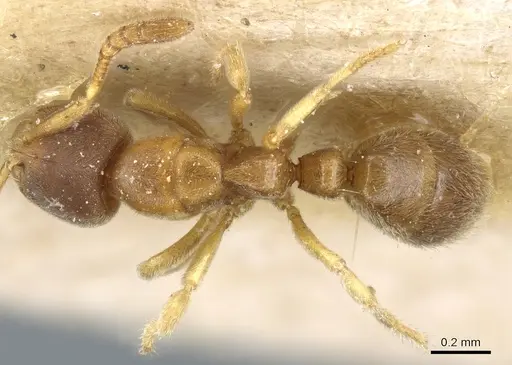
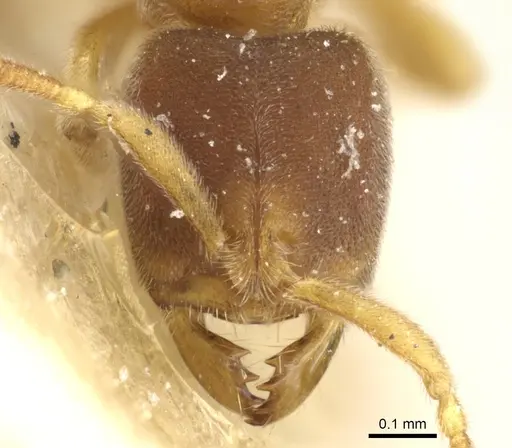
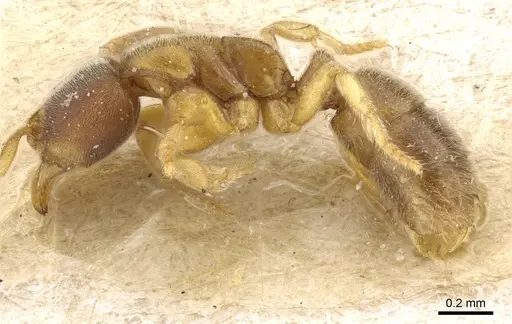
Literatura
Carregando mapa de distribuição...Carregando produtos...