
Crematogaster mosis
- Nome científico
- Crematogaster mosis
- Tribo
- Crematogastrini
- Subfamília
- Myrmicinae
- Autor
- Forel, 1909
- Distribuição
- Encontrada em 0 países
Introdução
Crematogaster mosis is a small ant species originally described from Israel and now known across the eastern Mediterranean and Arabian Peninsula. Workers are characterized by their distinctive heart-shaped abdomen that they raise like an acrobat when disturbed - this is where their common name 'acrobat ant' comes from. They have a dark brown to black coloration with relatively smooth and shiny body surface. This species nests in woody microhabitats and has been found on trees in coastal and mountainous regions of Lebanon at elevations ranging from 60-650m . This species remains poorly studied in terms of captive care requirements. What we know comes primarily from field collection records showing they inhabit trees in warm, dry to semi-arid regions. Based on typical Crematogaster behavior, they likely accept sugar sources and small prey, and are relatively adaptable ants. Their distribution across Israel, Lebanon, UAE, and Yemen suggests they can tolerate a range of conditions from Mediterranean to subtropical environments .
Quick Summary
- Difficulty: Medium
- Origin & Habitat: Eastern Mediterranean and Arabian Peninsula, found in Israel, Lebanon, UAE (Baynunah, Ghalilah), and Yemen. They inhabit trees in coastal and mountainous regions, typically in woody or forested areas [1][2][3].
- Colony Type: Colony structure is unconfirmed. Based on typical Crematogaster patterns, likely single-queen colonies, though this needs verification.
- Size & Growth:
- Queen: Size data unavailable for this species, inferred from Crematogaster genus as approximately 7-9mm
- Worker: Size data unavailable for this species, inferred from Crematogaster genus as approximately 3-5mm
- Colony: Up to several hundred workers based on typical Crematogaster colony sizes
- Growth: Moderate, estimated based on genus patterns
- Development: Approximately 6-8 weeks at optimal temperature based on related Crematogaster species (Timeline is estimated from genus-level data, specific measurements for this species are unavailable)
- Antkeeping:
- Temperature: Keep at 22-28°C. Based on their Middle Eastern and Mediterranean distribution, they prefer warm conditions. A heating cable on one side of the nest creates a suitable gradient.
- Humidity: Moderate humidity around 50-70%. They inhabit trees rather than ground nests, so avoid overly damp conditions. Provide a water source but allow the nest to dry partially between rehydration.
- Diapause: Likely a short winter slowdown period (2-3 months at 15-18°C) based on their temperate to subtropical range, though this is not directly documented for this species.
- Nesting: Crematogaster species often prefer arboreal setups or wood-based nests. A Y-tong (AAC) nest or plaster nest with small chambers works well. They do well with some vertical space and multiple chambers. Avoid overly compact setups.
- Behavior: Crematogaster mosis displays typical acrobat ant behavior, workers raise their abdomen when threatened as a defensive display. They are moderately active foragers and likely use chemical trails to recruit nestmates to food sources. Based on genus behavior, they are not particularly aggressive toward keepers but will defend the nest vigorously. Escape prevention should be good, they are not tiny ants, but standard barrier methods (Fluon, talcum powder) are still recommended.
- Common Issues: limited species-specific information means care is estimated from genus patterns, not direct observation, dry conditions can cause brood failure, monitor humidity carefully in heated setups, arboreal nature means they may reject ground-level nests, provide elevated spaces or vertical layout, wild-caught colonies may carry parasites that can devastate captive colonies, heating setups can dry out nests quickly, check moisture levels more frequently when using heat
Nest Preferences and Housing
Crematogaster mosis is an arboreal species, meaning they naturally nest in trees, under bark, or in rotting wood. In captivity, they do well in Y-tong (AAC) nests or plaster nests that mimic these conditions. They prefer nests with multiple small chambers rather than one large open space. The nest should have some vertical orientation since they naturally climb. Avoid test tube setups for established colonies, they tend to do better in formicarium-style nests. Keep the nest relatively dry compared to ground-nesting species, excessive moisture leads to mold problems. A small water chamber or cotton ball with water nearby satisfies their moisture needs without creating damp conditions inside the nest chambers.
Feeding and Diet
Based on typical Crematogaster feeding behavior, this species is omnivorous with a preference for sugar sources. Offer sugar water, honey, or diluted maple syrup as a constant food source. For protein, provide small insects like fruit flies, pinhead crickets, or mealworm pieces. They are not large ants, so prey items should be appropriately sized. In the wild, they likely forage for honeydew from aphids and scale insects, so sugar sources are important for their diet. Feed protein 2-3 times per week and keep sugar available continuously. Remove uneaten prey after 24-48 hours to prevent mold. Observing workers actively feeding on sugar water is a good sign the colony is settled.
Temperature and Seasonal Care
Keep your colony at 22-28°C for optimal activity and brood development. Their native range includes warm regions (Israel, UAE, Yemen) so they handle higher temperatures well, but avoid extreme heat above 35°C. A heating cable on one side of the nest creates a temperature gradient that lets ants choose their comfort zone. During winter, they likely experience a natural slowdown period. Reduce temperature to 15-18°C for 2-3 months to simulate winter. Do not feed during this rest period and reduce moisture. This diapause helps maintain natural colony cycles and may improve long-term colony health. Resume normal feeding and warming gradually in spring.
Behavior and Colony Dynamics
Workers of Crematogaster mosis display the characteristic 'acrobat' behavior, when disturbed, they raise their abdomen high, sometimes even curling it over their head. This is a defensive display and they may also release a foul-smelling chemical from their abdomen. They are moderately aggressive when defending the nest but generally calm toward keepers during routine observation. Workers are active foragers and will quickly recruit nestmates to good food sources using chemical trails. The colony will establish main foraging routes and defend them. Queens are likely claustral founders, after mating, the queen seals herself in a chamber and raises the first brood alone without foraging. The first workers (nanitics) are smaller than mature workers and the colony grows from there.
Acquiring and Establishing a Colony
This species is not commonly available in the antkeeping hobby, so acquiring a colony may require finding a wild-caught queen during nuptial flights or purchasing from specialized dealers. If you find a queen, she is likely claustral and should be placed in a small test tube setup with a water reservoir. Keep her in a dark, quiet location until workers emerge. Do not disturb her during the founding phase. Once the first workers (nanitics) appear, wait another 1-2 weeks before offering food. Transition to a proper nest once the colony reaches 20-30 workers. Wild-caught colonies may carry parasites, so quarantine and observe new colonies for several weeks before introducing them to your main setup.
Frequently Asked Questions
How long does it take for Crematogaster mosis to produce first workers?
Based on typical Crematogaster development, expect first workers (nanitics) approximately 6-8 weeks after the queen lays eggs, at optimal temperature (around 25°C). This timeline is estimated from genus-level data since specific development times for this species are not documented.
What do Crematogaster mosis ants eat?
They are omnivorous with a preference for sugar. Offer sugar water, honey, or maple syrup continuously. For protein, provide small insects like fruit flies, small crickets, or mealworm pieces 2-3 times per week. Remove uneaten prey after 24-48 hours.
Do Crematogaster mosis ants sting?
Crematogaster ants can sting, but their main defense is raising their abdomen and releasing chemicals. They are not considered dangerous to humans and their sting is mild if anything. Their small size means they rarely penetrate human skin.
What temperature do Crematogaster mosis need?
Keep them at 22-28°C. They prefer warm conditions matching their Middle Eastern and Mediterranean distribution. A heating cable on part of the nest creates a gradient they can choose from.
Do Crematogaster mosis need hibernation?
Likely yes, they should experience a 2-3 month winter rest period at 15-18°C. This matches their natural range which includes temperate regions. Reduce feeding and moisture during this period.
What size colony do Crematogaster mosis reach?
Up to several hundred workers based on typical Crematogaster colony sizes. Exact maximum is unknown for this species.
Can I keep multiple Crematogaster mosis queens together?
Not recommended. While colony structure is unconfirmed for this species, most Crematogaster are single-queen colonies. Combining unrelated queens has not been documented and likely results in fighting.
What nest type is best for Crematogaster mosis?
Y-tong (AAC) nests or plaster nests work well. They prefer arboreal-style setups with multiple small chambers. Avoid test tubes for established colonies, they do better in formicarium-style housing.
Are Crematogaster mosis good for beginners?
Difficulty is rated Medium. They are more challenging than common species like Lasius or Tetramorium because specific care requirements are not well-documented. However, they are generally hardy once established and adapt well to captive conditions.
Why is my Crematogaster mosis colony declining?
Common causes include: too dry conditions (especially with heat), parasites from wild-caught colonies, overfeeding leading to mold, or incorrect temperature. Check humidity levels, ensure the queen is still present, and review feeding amounts. If the colony was wild-caught, parasites are a likely culprit.
Report an Issue
The current care sheet is based fully on literature. See inconsistencies, or something that's incorrect? Please , it will be resolved after review from an admin. Contributing to the blogs tab also helps providing information, to make us be able to further improve the caresheets. Thank you for your support!
References

Este guia de cuidados está sob a licença CC BY-SA 4.0 .
Posts da comunidade
CASENT0908476
Ver no AntWeb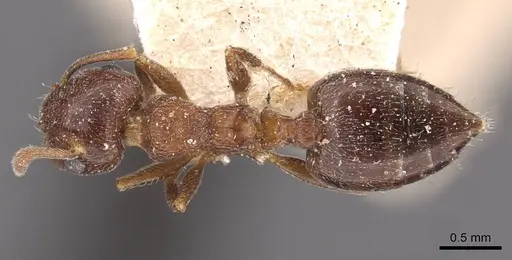
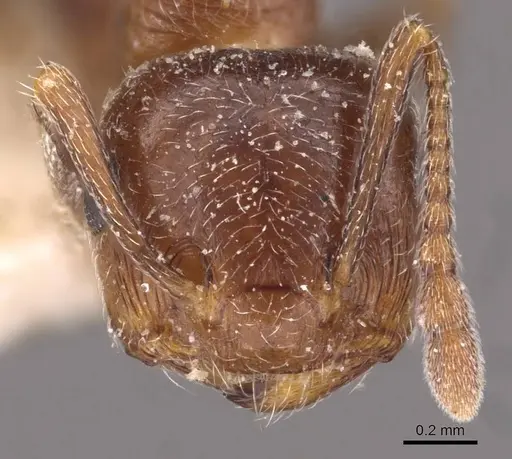
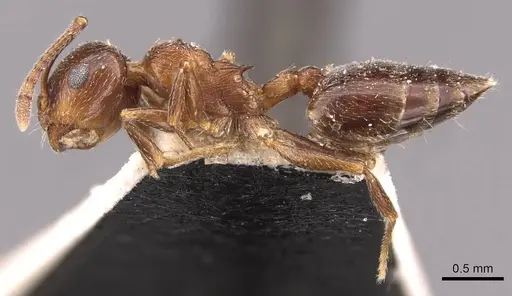
Literatura
Carregando mapa de distribuição...Carregando produtos...