
Crematogaster meijerei
- Nome científico
- Crematogaster meijerei
- Tribo
- Crematogastrini
- Subfamília
- Myrmicinae
- Autor
- Emery, 1911
- Distribuição
- Encontrada em 2 países
Introdução
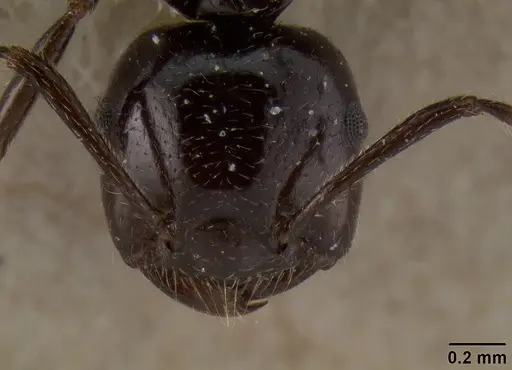
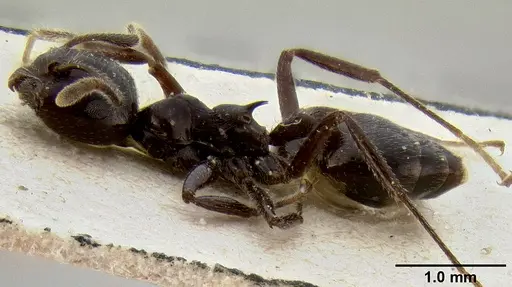
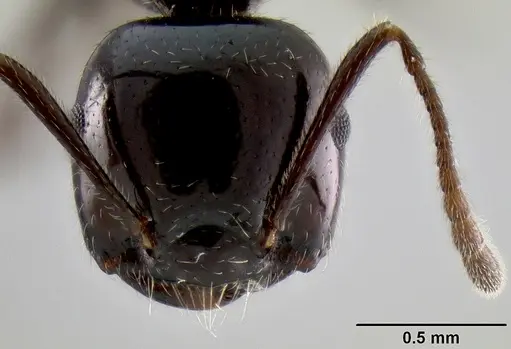
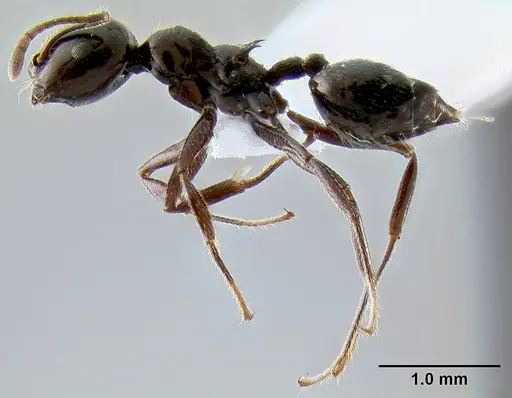
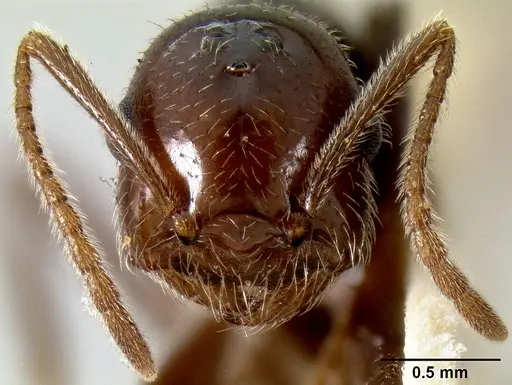
Crematogaster meijerei is a small ant native to New Guinea, belonging to the Crematogaster ranavalonae group. Workers measure 3-3.5mm and have a maroon-brown body with a darker, almost black head. The surface is smooth and shiny with very short pubescence and minimal erect hairs, though legs and scapes have slightly longer obliquely erect hairs . The postpetiole is wider than the petiole with a deep longitudinal groove - this allows them to raise their gaster over their head like an acrobat, giving the genus its common name. Workers have 11-segmented antennae and downward-curving spines at the base of the abdomen . This species is found in the Australasian region, specifically in New Guinea (Irian Jaya, Indonesia) and Papua New Guinea . It was originally placed in subgenus Acrocoelia but has been transferred to the Oxygyne subgenus based on phylogenetic analysis . The species is also listed as part of the Paracrema subgenus in some literature .
Quick Summary
- Difficulty: Medium
- Origin & Habitat: Native to New Guinea (Indonesia and Papua New Guinea) in the Australasian region [1][2].
- Colony Type: Colony structure is not documented for this specific species.
- Size & Growth:
- Antkeeping:
- Temperature: Keep at room temperature or slightly warm. Observe colony behavior to determine optimal range.
- Humidity: Provide moisture, keep nest substrate damp but not waterlogged.
- Diapause: No, as a tropical species, they do not require hibernation.
- Nesting: Y-tong (AAC) nests, plaster nests, or naturalistic setups with dead wood work well. They are arboreal-nesting in nature so prefer nests with some vertical space.
- Behavior: Crematogaster ants are known for their acrobat behavior, they can raise their gaster over their head when threatened, allowing them to spray formic acid or simply appear larger. Workers are active foragers and will search for honeydew, small insects, and sugar sources. They are generally not aggressive toward keepers but will defend the nest. Their small size means escape prevention is important.
- Common Issues: escape prevention is critical due to their small size, use fine mesh and tight-fitting lids, tropical species requires stable warm temperatures, high humidity needs can lead to mold if ventilation is poor, wild-caught colonies may harbor parasites
Nest Preferences
Crematogaster meijerei is a tropical species from New Guinea that in nature likely nests in dead wood, under bark, or in arboreal locations. For captive care, Y-tong (AAC) nests work well because they provide dark, secure chambers that mimic tree hollows. Plaster nests are also suitable as they can maintain humidity. Naturalistic setups with cork or wood pieces can simulate their natural arboreal habitat. Because workers are small, ensure chambers are appropriately sized, tight passages help them feel secure. Avoid overly large, open spaces that might cause stress. A water tube should always be available for drinking access. [1]
Feeding and Diet
Like other Crematogaster species, C. meijerei likely accepts a varied diet including honeydew, sugar water, and small insects. Offer sugar water or honey regularly as an energy source. For protein, provide small live prey like fruit flies, pinhead crickets, or mealworms cut into tiny pieces. They are foragers and will search out food actively. Feed every few days, removing uneaten prey after 24 hours to prevent mold. A varied diet helps promote healthy colony growth.
Temperature and Care
As a tropical species from New Guinea, C. meijerei requires warm temperatures. Room temperature is typically sufficient if your home stays in the low-to-mid 20s°C range. A heating cable on one side of the nest can help maintain warmth if needed. Monitor colony behavior, if workers cluster near the heat source, increase temperature slightly, if they avoid it, reduce heat. Stable temperatures are important, avoid drafts and sudden temperature changes. Unlike temperate species, they do not require any diapause or winter cooling period.
Behavior and Temperament
Crematogaster ants get their common name from their ability to raise their gaster over their head, pointing it forward like a scorpion. This defensive posture allows them to spray formic acid from a distance. Workers are active foragers and will explore their outworld searching for food. They are generally not aggressive toward humans but will defend their nest vigorously. Their small size makes them quick and agile. Watch for escape attempts, they can squeeze through remarkably small gaps. Provide an outworld with smooth walls to prevent escapes. [1]
Humidity Requirements
New Guinea has a humid tropical climate, so C. meijerei benefits from higher humidity than typical temperate ants. Keep the nest substrate consistently moist but not waterlogged, the substrate should feel damp but not have standing water. A water tube provides drinking access and helps maintain humidity through evaporation. Balance humidity with adequate ventilation to prevent mold growth. If you notice condensation constantly pooling or mold appearing, improve ventilation slightly.
Colony Development
Specific development timeline for C. meijerei has not been documented. Initial colony growth is typically slow, the queen will lay eggs, and the first workers will be smaller than normal workers. After the first workers emerge, the colony should begin growing more steadily as the queen's egg production increases. Patience is key during the founding stage, do not disturb the queen or move the nest during this critical period.
Frequently Asked Questions
How long does it take for Crematogaster meijerei to have first workers?
The exact timeline is unknown for this species. Expect several months from founding to first worker emergence.
What do Crematogaster meijerei ants eat?
They likely accept a varied diet similar to other Crematogaster species: sugar water or honey for energy, and small insects like fruit flies, pinhead crickets, or mealworms for protein. Offer sugar sources constantly and protein prey a few times per week.
Do Crematogaster meijerei ants sting?
Crematogaster ants can spray formic acid as a defense rather than sting. They may squirt formic acid if threatened, which can irritate skin but is not dangerous.
Can I keep Crematogaster meijerei in a test tube?
Test tubes can work for founding colonies, but due to their small size and humidity needs, a small Y-tong or plaster nest is often better long-term.
What temperature do Crematogaster meijerei ants need?
Keep them warm at room temperature or slightly above. As a tropical species from New Guinea, they need consistently warm conditions.
Are Crematogaster meijerei good for beginners?
This species is rated as Medium difficulty. The lack of specific care documentation and their tropical humidity requirements make them better suited for keepers with some antkeeping experience. Their small size also requires attention to escape prevention.
How big do Crematogaster meijerei colonies get?
The maximum colony size is not documented for this species.
Do Crematogaster meijerei need hibernation?
No. As a tropical species from New Guinea, they do not require hibernation or diapause. Keep temperatures stable year-round.
Why are my Crematogaster meijerei dying?
Common causes include: low temperatures, low humidity, escape through small gaps, mold from overfeeding or poor ventilation, or parasites from wild-caught colonies.
When should I move my colony to a formicarium?
Move to a larger nest when the test tube becomes crowded or the colony shows signs of outgrowing its space.
Can I keep multiple Crematogaster meijerei queens together?
The colony structure is not documented for this specific species. Combining unrelated queens is not recommended unless the species is confirmed to be polygynous. Err on the side of starting with a single queen.
What makes Crematogaster meijerei special?
They are part of the Crematogaster ranavalonae group and the Oxygyne subgenus, making them taxonomically interesting. Their ability to raise their gaster over their head is distinctive. As a New Guinea endemic, they represent the Australasian diversity of this widespread genus.
Report an Issue
The current care sheet is based fully on literature. See inconsistencies, or something that's incorrect? Please , it will be resolved after review from an admin. Contributing to the blogs tab also helps providing information, to make us be able to further improve the caresheets. Thank you for your support!
References

Este guia de cuidados está sob a licença CC BY-SA 4.0 .
Posts da comunidade
CASENT0171218
Ver no AntWeb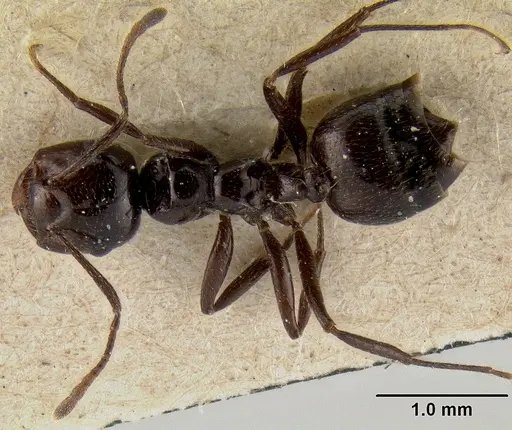
CASENT0193685
Ver no AntWeb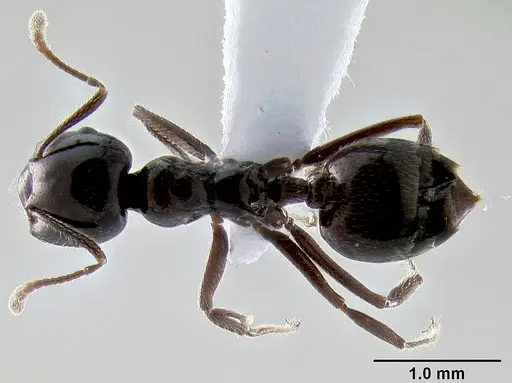
CASENT0193793
Ver no AntWeb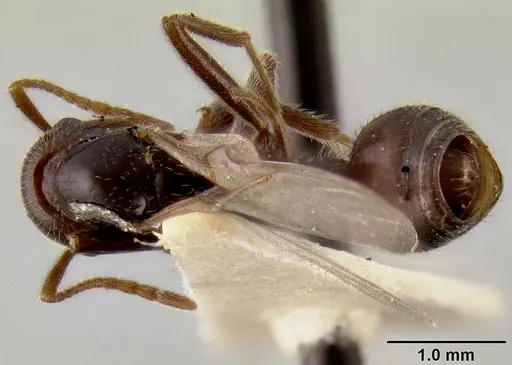
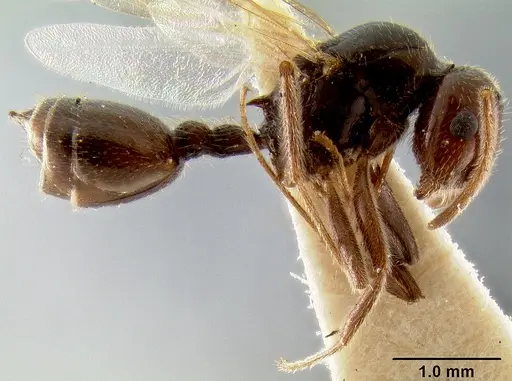
CASENT0193794
Ver no AntWeb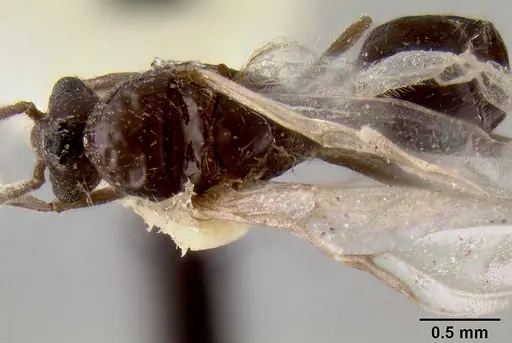
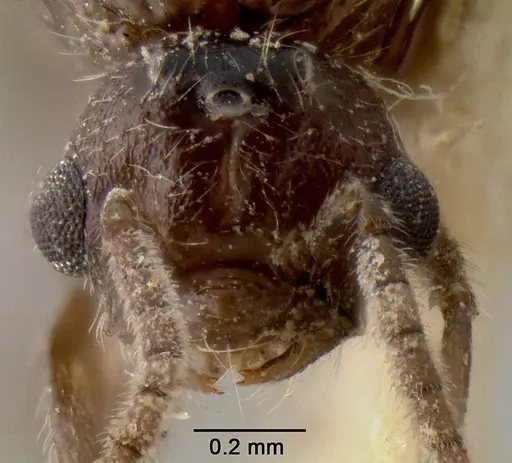
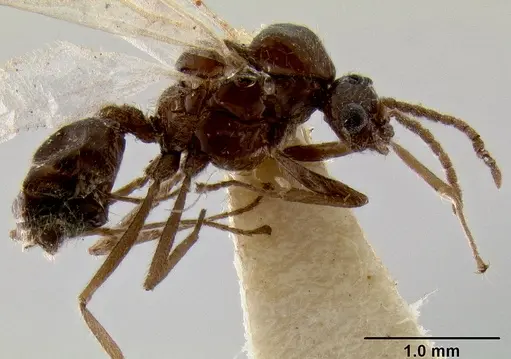
Literatura
Carregando mapa de distribuição...Carregando produtos...