
Crematogaster longicephala
- Nome científico
- Crematogaster longicephala
- Tribo
- Crematogastrini
- Subfamília
- Myrmicinae
- Autor
- Özdikmen, 2010
- Distribuição
- Encontrada em 0 países
Introdução
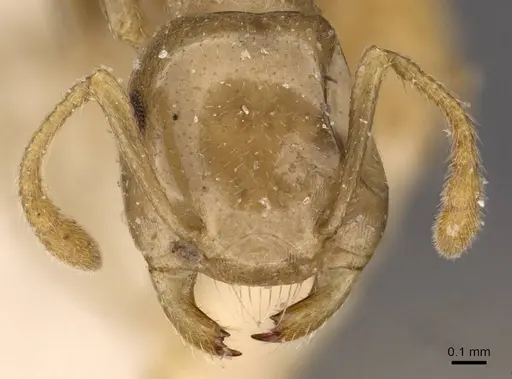
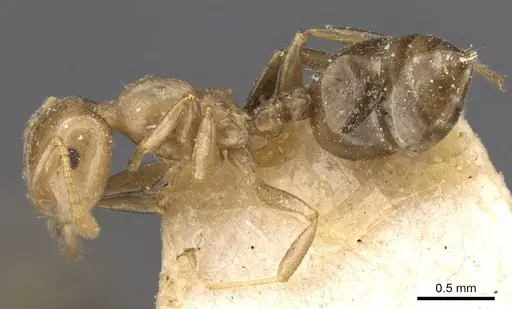
Crematogaster longicephala is a small ant species native to central Australia, specifically known from the Tennants Creek region in the Northern Territory. The species name 'longicephala' means 'long head,' referring to their distinctive elongated head shape . Workers have the characteristic heart-shaped gaster (abdomen) that gives Crematogaster ants their common name 'acrobat ants' - they can raise their abdomen over their head when disturbed. These ants are part of the Myrmicinae subfamily and are found in arid to semi-arid Australian habitats. [AntWiki]
Quick Summary
- Difficulty: Medium
- Origin & Habitat: Central Australia (Tennants Creek, Northern Territory). Inhabits arid to semi-arid savanna and woodland habitats typical of central Australian regions. [1][2]
- Colony Type: Colony structure is unconfirmed. Based on typical Crematogaster patterns, likely monogyne (single queen) colonies, though some Crematogaster species can be polygyne. [2]
- Size & Growth:
- Queen: Size data unavailable, no direct measurements exist for this species
- Worker: Size data unavailable, no direct measurements exist for this species
- Colony: Unknown for this specific species. Based on typical Crematogaster, likely several hundred workers at maturity.
- Growth: Moderate, based on genus patterns for small Myrmicinae
- Development: Estimated 6-10 weeks at optimal temperature based on related Crematogaster species (Direct development data not available for this species. Estimates based on genus-level patterns.)
- Antkeeping:
- Temperature: Keep around 24-28°C with a slight gradient. Australian desert/savanna species tolerate warmer conditions but prefer stable temperatures. Adjust based on colony activity.
- Humidity: Low to moderate humidity, arid-adapted species from central Australia. Keep nest substrate slightly moist but allow drying periods. Avoid overly damp conditions.
- Diapause: Likely required, central Australian species experience seasonal temperature drops. Provide a cool period around 15-18°C for 2-3 months during winter.
- Nesting: Based on typical Crematogaster behavior, they prefer nesting in soil with debris, under stones, or in small cavities. A test tube setup works well for founding colonies. For established colonies, a Y-tong or plaster nest with small chambers mimics their natural nesting sites.
- Behavior: Crematogaster longicephala workers are active foragers that likely scavenge for small insects and tend honeydew-producing insects. They have the characteristic acrobat ant behavior, when threatened, workers raise their abdomen over their thorax and head in a defensive posture. This species uses a smear defense mechanism, wiping venom onto enemies rather than piercing flesh. They may have a mild sting though most Crematogaster species are not considered dangerous to humans. Escape prevention should be moderate, their small size means they can escape through small gaps but they are not extreme escape artists like some tiny species.
- Common Issues: lack of specific care data means keepers must rely on genus-level guidance, monitor colony response and adjust, arid-adapted species prone to mold problems if kept too humid, slow founding stage, queens may take months to produce first workers, central Australian origin means they need a distinct cool period, skipping diapause can weaken colonies over time, wild-caught colonies from Australia may carry parasites or diseases not common in captive ant species
Nest Preferences and Housing
Crematogaster longicephala originates from central Australia's arid regions, so their nesting preferences reflect dry conditions. For founding colonies, a standard test tube setup works well, the queen will seal herself into a chamber and remain there until her first workers emerge. The test tube should have a water reservoir at one end with a cotton plug creating a humid gradient, allowing the queen to choose her preferred moisture level. Once the colony reaches 20-30 workers, you can transition to a small formicarium. A Y-tong nest or plaster nest with small, tight chambers mimics their natural nesting sites in soil cavities and under debris. Avoid large, open spaces, these ants prefer cozy chambers scaled to their tiny size. Some keepers successfully use naturalistic setups with a soil layer and decorative elements, but ensure ventilation prevents mold buildup. [2]
Feeding and Diet
Based on typical Crematogaster behavior, these ants are omnivorous with a preference for protein and sugar sources. In captivity, offer small protein items like fruit flies, pinhead crickets, mealworms, or other appropriately-sized live prey. They will also accept sugar water, honey, or diluted honeydew substitutes. Feed protein 2-3 times per week, and keep a sugar source available constantly. Remove uneaten prey after 24-48 hours to prevent mold. Fresh water should always be available. Since this species comes from arid central Australia, they may not need as much moisture as tropical species, a damp cotton ball or small water tube is sufficient. [2]
Temperature and Seasonal Care
As a central Australian species, Crematogaster longicephala is adapted to warm conditions with distinct seasonal changes. Keep the nest area at 24-28°C during the active season, with a slight temperature gradient allowing workers to choose their comfort zone. A heating cable on one side of the nest can create this gradient, place it on top of the nest to avoid evaporating moisture too quickly. During the Australian winter (roughly June-August in the southern hemisphere), reduce temperatures to around 15-18°C for a 2-3 month diapause period. This cool rest period is important for colony health and may trigger reproductive behavior in spring. Do not cool suddenly, reduce temperature gradually over 1-2 weeks. [2]
Behavior and Temperament
Crematogaster ants are named 'acrobat ants' for their distinctive defensive behavior, when threatened, workers raise their abdomen over their head and thorax, like a scorpion. This posture allows them to deliver a sting or apply defensive chemicals from their glandular system using their smear defense mechanism. However, most Crematogaster species, including this one, are not considered dangerous to humans, the sting is mild and their primary defense is intimidation. Workers are active foragers that will scout for food and recruit nestmates using chemical trails. They are generally not aggressive toward the keeper but will defend their nest vigorously if disturbed. Their small size means moderate escape prevention is needed, standard test tube barriers and formicarium lids are usually sufficient. [2]
Colony Founding
The founding process for Crematogaster longicephala follows the typical claustral pattern observed in most Myrmicinae. The queen seals herself into a small chamber and remains inside, living entirely on her stored fat reserves while she lays eggs and raises the first brood. She does not leave to forage during this time. The first workers (nanitics) are typically smaller than normal workers but will immediately begin caring for the queen and expanding the nest. This founding stage can take 1-3 months or longer depending on temperature, warmer conditions speed development but don't overheat. The queen may lay dozens of eggs, but only a few survive to become workers in harsh founding conditions. Be patient and avoid disturbing the founding chamber during this critical period. [2]
Frequently Asked Questions
How long does it take for Crematogaster longicephala to produce first workers?
Based on genus patterns, expect 6-10 weeks from egg to first worker at optimal temperature (around 26°C). The exact timeline is unconfirmed for this specific species, so monitor your colony and adjust temperature if development seems stalled.
Can I keep multiple Crematogaster longicephala queens together?
Colony structure is unconfirmed for this species. Some Crematogaster species are monogyne (single queen) while others are polygyne. Without specific data, it is not recommended to combine unrelated foundresses, they may fight. If you obtain a wild colony, observe queen behavior to understand the natural colony structure.
Do Crematogaster longicephala ants sting?
Yes, they can sting, but the sting is mild and not considered dangerous to humans. Their primary defense is the acrobat posture, raising the abdomen over their head, which is meant to intimidate predators. Most keepers experience no issues with stings.
What temperature range is best for Crematogaster longicephala?
Keep them at 24-28°C during the active season. They are adapted to central Australian warmth but avoid extreme heat above 35°C. During winter, provide a cool period around 15-18°C for 2-3 months.
Do they need hibernation or diapause?
Yes, a cool period is likely required. As a central Australian species, they experience seasonal temperature drops. Provide 2-3 months at 15-18°C during winter to maintain colony health.
Are Crematogaster longicephala good for beginners?
This species is rated as Medium difficulty. While not the easiest species, their care requirements are straightforward once understood. The main challenges are providing appropriate temperature gradients and managing the diapause period. They are not recommended as a very first ant but are manageable for keepers with some experience.
How big do Crematogaster longicephala colonies get?
Exact colony size is unknown for this species. Based on typical Crematogaster patterns, expect several hundred workers at maturity. Growth is moderate, it may take 1-2 years to reach significant numbers.
What do Crematogaster longicephala eat?
They are omnivorous. Offer small live prey (fruit flies, pinhead crickets, mealworms) 2-3 times per week and keep sugar water or honey available constantly. Remove uneaten food promptly to prevent mold.
When should I move from test tube to formicarium?
Transfer to a formicarium once the colony reaches 20-30 workers and you see them struggling for space in the test tube. The transition should include a connection to a foraging area. For this small species, use a formicarium with small chambers and narrow passages.
Why is my Crematogaster longicephala colony dying?
Common causes include: too high humidity (they're arid-adapted), missing diapause period, temperatures outside their range, or stress from disturbance during founding. Check that substrate is only slightly moist, temperatures are stable, and the colony has had a cool winter period.
Report an Issue
The current care sheet is based fully on literature. See inconsistencies, or something that's incorrect? Please , it will be resolved after review from an admin. Contributing to the blogs tab also helps providing information, to make us be able to further improve the caresheets. Thank you for your support!
References

Este guia de cuidados está sob a licença CC BY-SA 4.0 .
Posts da comunidade
CASENT0908601
Ver no AntWeb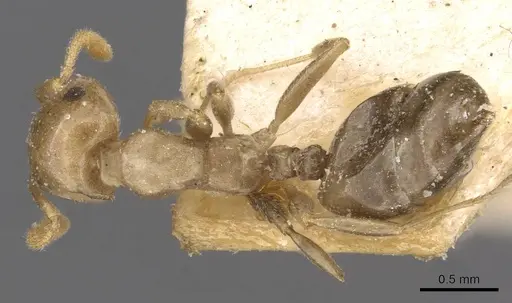
Literatura
Carregando mapa de distribuição...Carregando produtos...