
Crematogaster kasaiensis
- Nome científico
- Crematogaster kasaiensis
- Tribo
- Crematogastrini
- Subfamília
- Myrmicinae
- Autor
- Forel, 1913
- Distribuição
- Encontrada em 0 países
Introdução
Crematogaster kasaiensis is a small ant species native to the Democratic Republic of Congo in central Africa . Workers have the characteristic Crematogaster ability to raise their abdomen over their thorax and head like an acrobat - hence their common name 'acrobat ants'. They have a smooth, glossy body. This species was first described from the Kasai region and has been documented in multiple provinces including Kasai, Sankuru, and Tshopo . As a tropical African species, they inhabit warm, humid forest environments.
Quick Summary
- Difficulty: Medium
- Origin & Habitat: Democratic Republic of Congo, tropical forest habitats in central Africa [1].
- Colony Type: Colony structure is unconfirmed for this specific species.
- Size & Growth:
- Queen: Size data unavailable, no measurements exist for this species
- Worker: Size data unavailable, no measurements exist for this species
- Colony: Colony size is unconfirmed for this species
- Growth: Growth rate is unconfirmed
- Development: Timeline is unconfirmed for this species (Development time is unknown, no species-specific data available)
- Antkeeping:
- Temperature: Keep at 24-28°C. Tropical species requiring warm conditions year-round.
- Humidity: High humidity preferred, aim for 70-80%. Keep the nest substrate consistently moist but not waterlogged.
- Diapause: No, tropical species does not require hibernation.
- Nesting: Y-tong (AAC) nests work well. They likely prefer wood-based or cork-style nests. Provide narrow chambers scaled to their size.
- Behavior: Generally peaceful but will defend the nest if threatened. Workers are active foragers. They have a modified stinger used to smear venom onto enemies rather than piercing. Escape risk is moderate due to small worker size, check all barriers regularly. They are arboreal by nature and enjoy climbing.
- Common Issues: tropical species may die if temperatures drop below 20°C, keep warm year-round, escape prevention is important due to small worker size, high humidity needs can lead to mold if ventilation is poor, wild-caught colonies may carry parasites, slow founding phase means colonies take time to establish
Housing and Nest Setup
Crematogaster kasaiensis does well in Y-tong (AAC) style nests or other wood-based formicaria. These ants naturally nest in rotting wood, so cork-style nests work well. Provide a water tube for humidity and mist the outworld occasionally. Because they are arboreal by nature, include some climbing structures in the outworld like twigs or mesh. Escape prevention should be taken seriously, use fluon on container rims and check for any gaps.
Feeding and Diet
Like most Crematogaster species, these ants are omnivorous with a preference for protein and sugar. Offer sugar water, honey, or diluted maple syrup as a constant carbohydrate source. For protein, provide small insects like fruit flies, small crickets, or mealworms. They are active foragers so place food in the outworld where workers can find it easily. Remove uneaten protein after 24 hours to prevent mold.
Temperature and Seasonal Care
As a tropical species from the Democratic Republic of Congo, Crematogaster kasaiensis requires warm temperatures year-round. Keep the nest area at 24-28°C. A heating cable placed on top of the nest helps maintain consistent warmth. Unlike temperate species, they do not require hibernation or a diapause period. Cold temperatures below 20°C can be fatal.
Colony Development and Growth
Colony growth specifics are unconfirmed for this species. The queen seals herself in during founding and raises the first nanitic workers alone on her stored fat reserves. Initial colony growth is slow. Be patient during the founding phase, disturbing the queen during this time often leads to colony failure.
Behavior and Defense
Crematogaster kasaiensis workers are active and curious foragers. They are not particularly aggressive toward humans but will defend their nest vigorously if threatened. Like other Crematogaster species, they can raise their abdomen over their head. They have a modified, flattened stinger used to wipe or smear venom onto enemies rather than piercing flesh. In the outworld, they are good climbers and will explore vertical surfaces.
Frequently Asked Questions
How long does it take for Crematogaster kasaiensis to produce first workers?
This is unconfirmed for this species. Related tropical Crematogaster species typically take 5-8 weeks at warm temperatures, but no specific data exists for C. kasaiensis.
Do Crematogaster kasaiensis ants sting?
They have a modified stinger used to smear venom onto enemies. For humans, the effect is usually mild and temporary, similar to other small ants.
What temperature do Crematogaster kasaiensis need?
Keep them warm at 24-28°C. This is a tropical species that does not tolerate cool temperatures, avoid anything below 20°C.
Can I keep multiple Crematogaster kasaiensis queens together?
Colony structure is unconfirmed for this species. It is generally safer to start with a single queen colony.
Are Crematogaster kasaiensis good for beginners?
This species is rated as medium difficulty. They require warm, humid conditions year-round and do not tolerate cold.
What do Crematogaster kasaiensis eat?
They are omnivorous. Offer sugar water, honey, or maple syrup as a constant carbohydrate source. For protein, provide small insects like fruit flies, small crickets, or mealworms. Remove uneaten protein after 24 hours.
Do Crematogaster kasaiensis need hibernation?
No, they are a tropical species and do not require hibernation. Keep them warm year-round at 24-28°C.
How big do Crematogaster kasaiensis colonies get?
Colony size is unconfirmed for this species. No specific data exists on maximum colony size.
When should I move Crematogaster kasaiensis to a formicarium?
Keep them in a founding setup (test tube or small container) until the colony reaches 20-30 workers. They can then be moved to a proper nest.
Why are my Crematogaster kasaiensis dying?
Common causes include: temperatures below 20°C, too dry conditions, mold from excessive moisture, or stress during the founding phase. Check that temperatures are warm and stable, humidity is adequate but not excessive, and the queen is not being disturbed.
Report an Issue
The current care sheet is based fully on literature. See inconsistencies, or something that's incorrect? Please , it will be resolved after review from an admin. Contributing to the blogs tab also helps providing information, to make us be able to further improve the caresheets. Thank you for your support!
References

Este guia de cuidados está sob a licença CC BY-SA 4.0 .
Posts da comunidade
CASENT0908629
Ver no AntWeb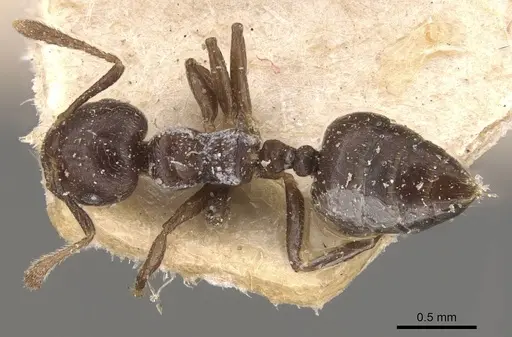
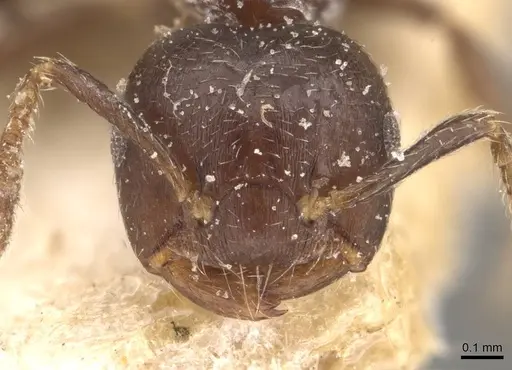
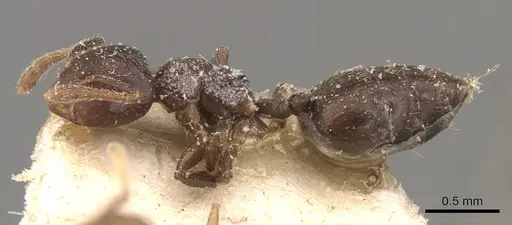
Literatura
Carregando mapa de distribuição...Carregando produtos...