
Crematogaster hova
- Nome científico
- Crematogaster hova
- Tribo
- Crematogastrini
- Subfamília
- Myrmicinae
- Autor
- Forel, 1887
- Distribuição
- Encontrada em 1 países
Introdução
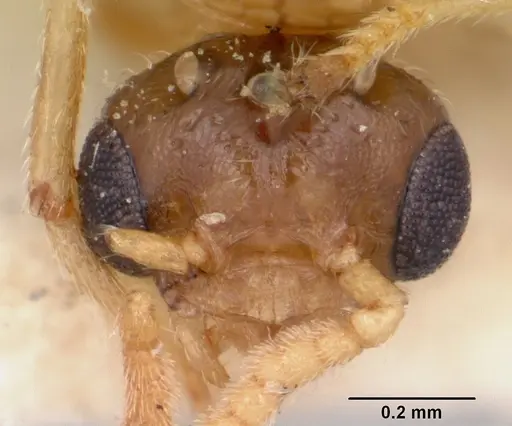
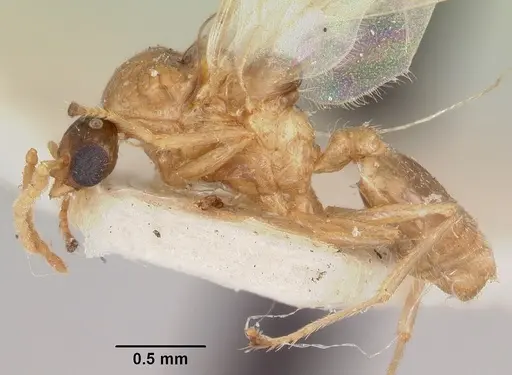
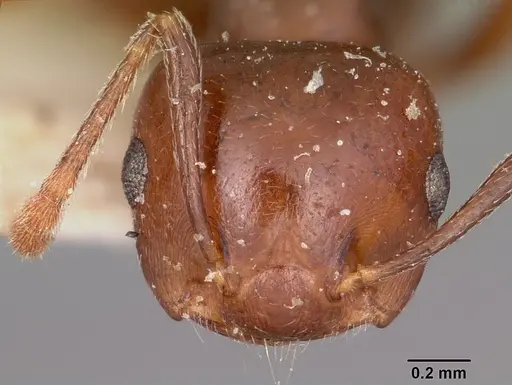
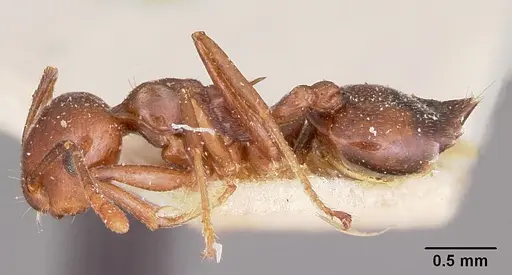
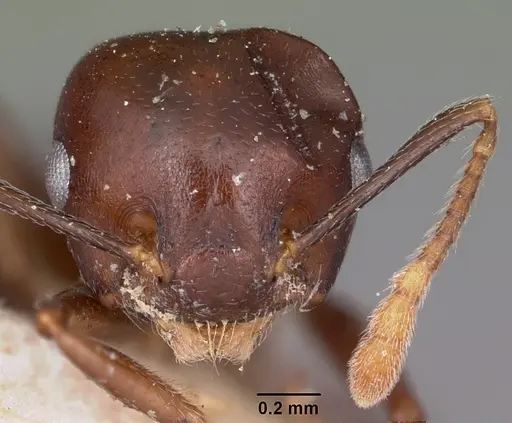
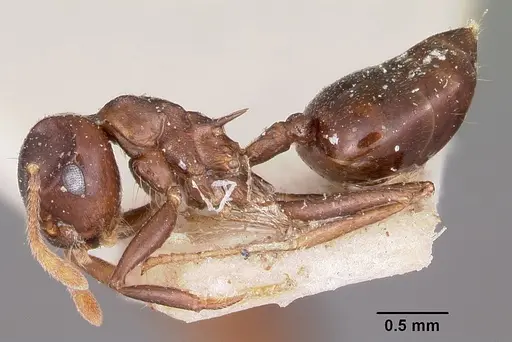
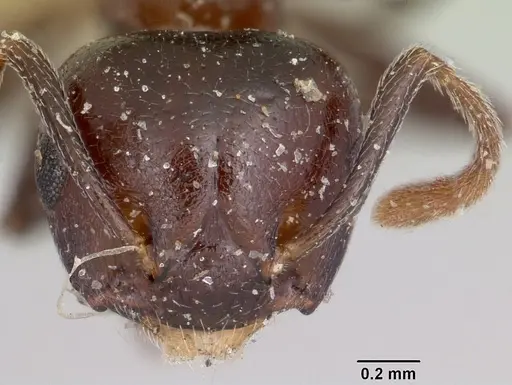
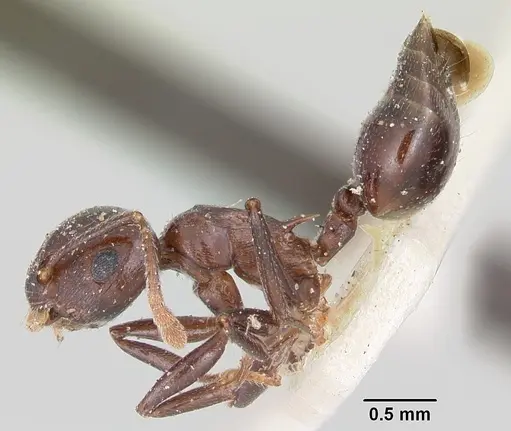
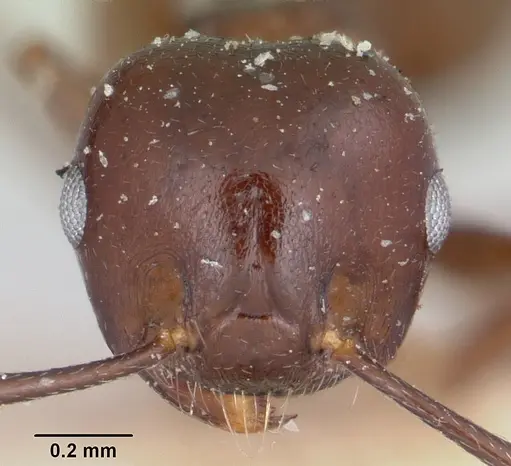
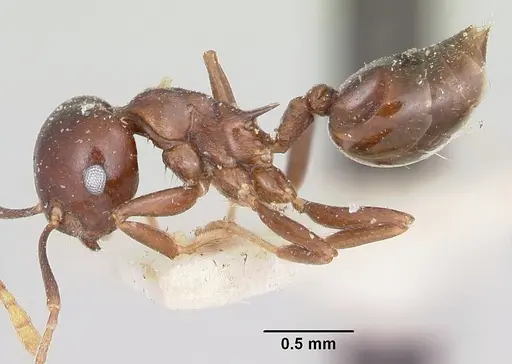
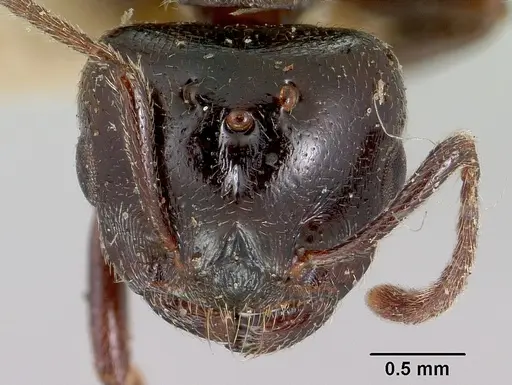
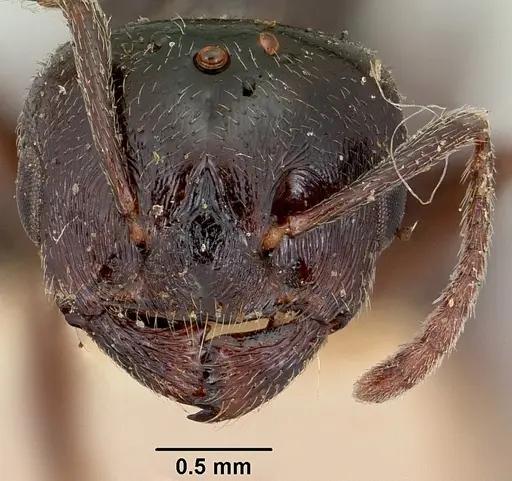
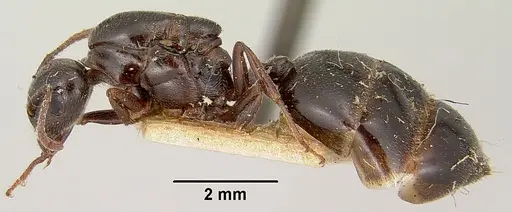
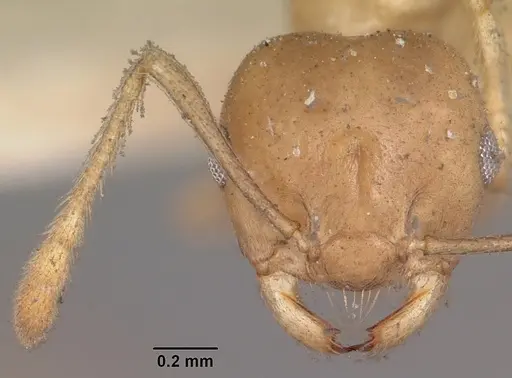
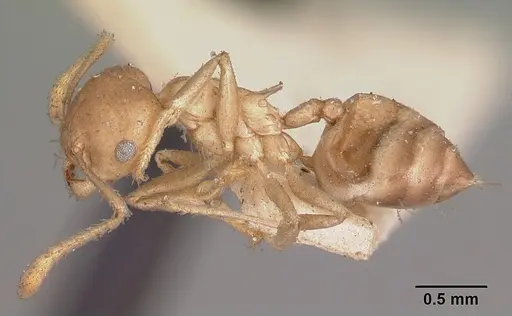
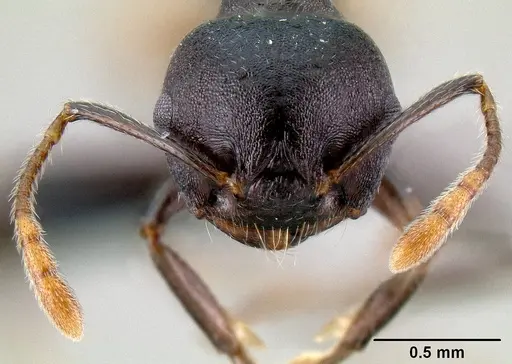
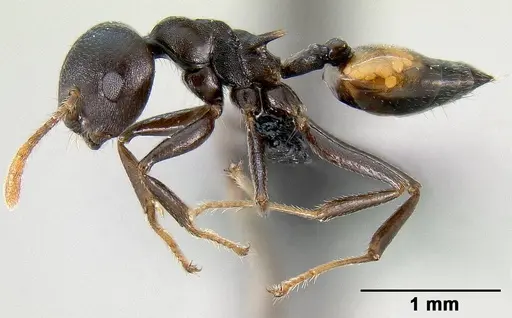
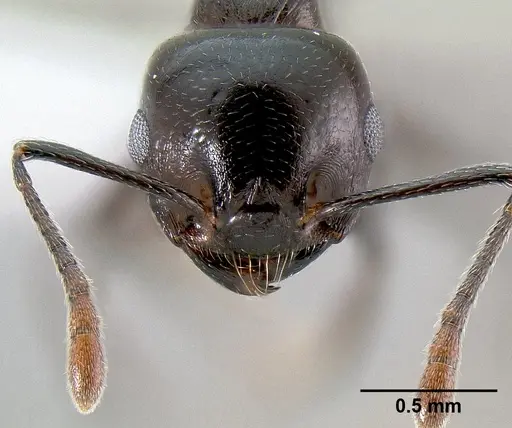
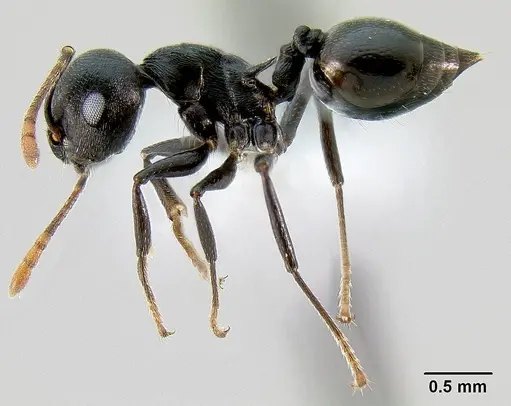
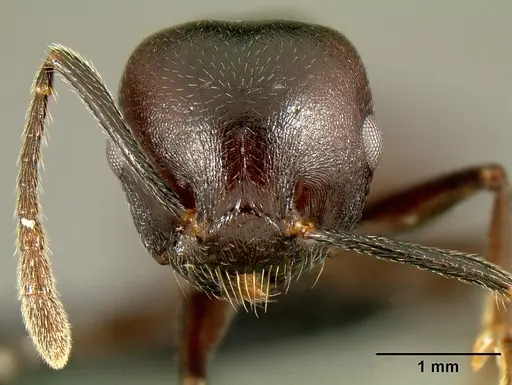
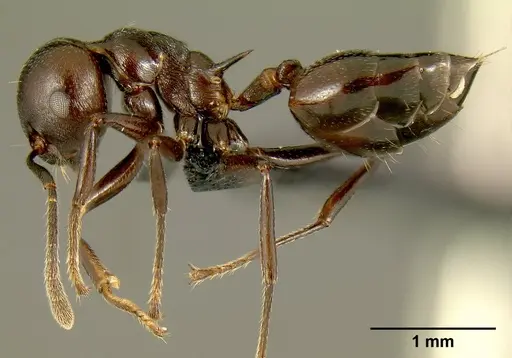
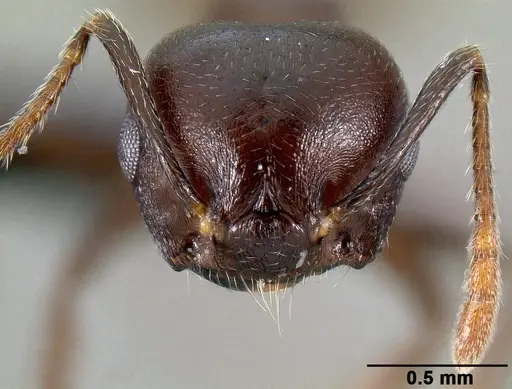
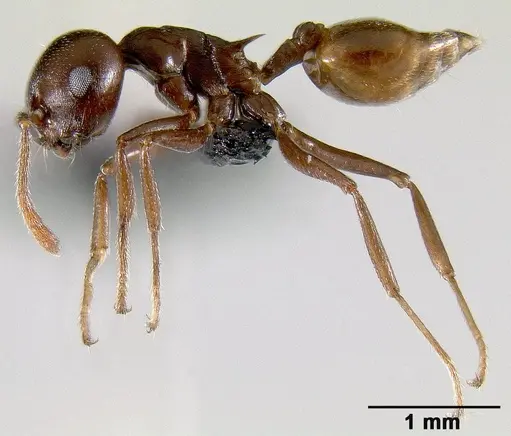
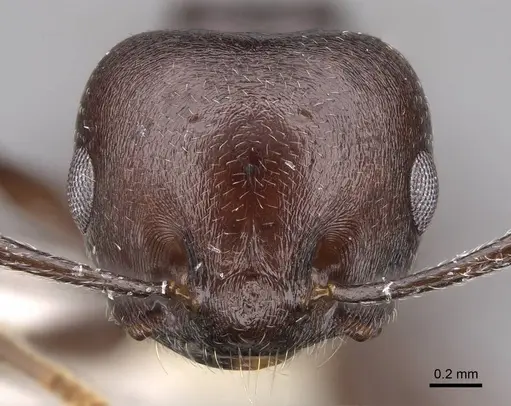
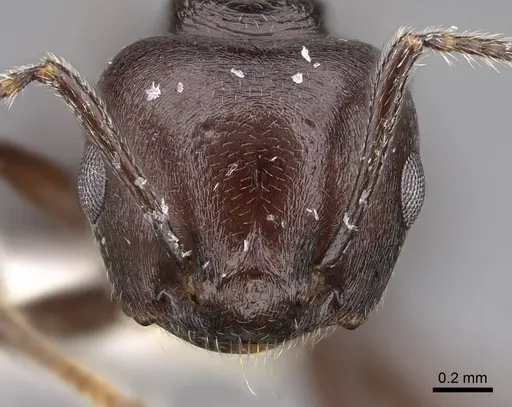
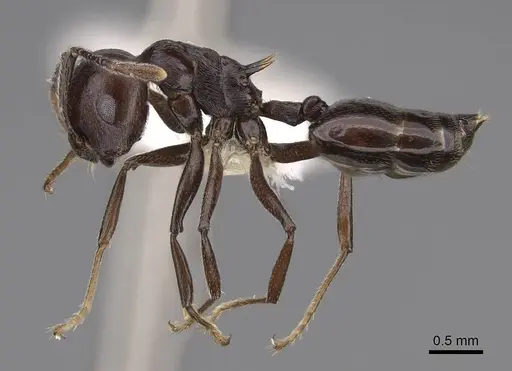
Crematogaster hova is a highly variable ant species native to Madagascar, belonging to the Crematogaster (Decacrema) group. Full body size data is unavailable, but inferred from Crematogaster genus that workers are approximately 3-5 mm and queens are larger . The species displays morphological variation with five distinct morphotypes, differing in head sculpture and propodeal spine length . Coloration ranges from light to dark brown or black . This species is known for its polydomous colony structure, where colonies maintain multiple nests in trees, and for constructing arboreal carton nests from plant fibers .
Quick Summary
- Difficulty: Medium
- Origin & Habitat: Crematogaster hova originates from the humid and transition forests of Madagascar, ranging from the northern tip to the extreme south. It is absent from western dry deciduous forests but present in isolated pockets in protected areas like Zombitse and Isalo National Parks, at altitudes up to 2000m [1]. This is a rainforest canopy species that forages on the forest floor and constructs carton nests in trees [1][2].
- Colony Type: Polydomous colonies with multiple nests, but queen number per colony is unconfirmed [1].
- Size & Growth:
- Queen: size unknown, inferred from Crematogaster genus (~4-7 mm) [1]
- Worker: size unknown, inferred from Crematogaster genus (~3-5 mm) [1]
- Colony: Unknown, carton nests up to 25x20cm suggest substantial colonies, but no specific worker count [1]
- Growth: Unconfirmed, no direct development studies exist
- Development: Unconfirmed, based on typical Crematogaster patterns, expect 6-10 weeks at optimal temperature [1] (Development timeline has not been directly studied.)
- Antkeeping:
- Temperature: Keep at room temperature around 22-26°C. No specific thermal requirements documented, but Madagascar rainforest origin suggests warm, stable conditions [1].
- Humidity: Keep nest substrate consistently moist but not waterlogged, as they inhabit humid rainforests [1][2].
- Diapause: Unknown, no documented diapause requirements. As a tropical species, it likely does not require hibernation [1].
- Nesting: Arboreal carton nesters in wild, for captivity, provide Y-tong or plaster nests with multiple chambers and materials like twigs or bark for nest-building [1][2].
- Behavior: Workers are active foragers that tend scale insects for honeydew. They use a smear defense with a modified stinger to wipe venom onto enemies. Escape risk is moderate due to small size, use fine mesh and barrier gel [1][2].
- Common Issues: polydomous colony structure means colonies may appear to split, this is normal behavior, carton nest construction requires specific materials like twigs or bark, high humidity can lead to mold if ventilation is poor, balance with airflow, small worker size means escape prevention must be adequate, queen location may be difficult in multi-nest setups
Natural History and Distribution
Crematogaster hova is endemic to Madagascar, where it is abundant in rainforest canopy fauna. It occupies humid and transition forests throughout the island, from sea level to 2000m altitude, but is absent from western dry forests [1]. This species is part of a complex including C. hova, C. schencki, and C. ensifera, which are morphologically similar [1].
Nest Preferences and Housing
In the wild, C. hova constructs arboreal carton nests from chewed plant fibers, attached to branches at heights from 1.20m to over 20m. They also use dead twigs for nesting, especially during colony founding [1][2]. For captivity, provide Y-tong or plaster nests with multiple chambers and materials like twigs or bark for nest-building [1][2].
Feeding and Diet
C. hova likely feeds on honeydew from tending scale insects and small insects for protein. In captivity, offer sugar water or honey regularly, plus small insects like fruit flies [1][2].
Colony Structure and Polydomy
C. hova is polydomous, with colonies maintaining multiple nests on the same tree or adjacent trees. In wild nests, some contain a queen with workers and brood, while others have only workers, suggesting satellite colonies [1].
Temperature and Seasonal Care
As a tropical species, C. hova prefers warm, stable conditions around 22-26°C. No diapause requirement is documented, but slight temperature reduction in winter may be beneficial if activity decreases [1].
Morphological Variation
C. hova displays five morphotypes based on head sculpture and propodeal spine length, with color ranging from light to dark brown or black [1]. This variation is normal and not a cause for concern.
Frequently Asked Questions
How long does it take for Crematogaster hova to produce first workers?
The exact timeline is unconfirmed, but based on typical Crematogaster patterns, expect 6-10 weeks from egg to worker at warm temperatures [1].
What size colony does Crematogaster hova reach?
Colony size is unknown, but carton nests up to 25x20cm suggest substantial colonies [1].
Do Crematogaster hova ants need hibernation?
No, as a tropical species, they do not require hibernation, but diapause requirements are unconfirmed [1].
What do Crematogaster hova ants eat?
They likely feed on honeydew from scale insects and small insects. In captivity, offer sugar water and small prey [2].
Can I keep multiple queens together?
Colony structure is unconfirmed, so it is not recommended to combine unrelated queens until more is known [1].
What type of nest is best for Crematogaster hova?
Arboreal carton nesters in wild, provide Y-tong or plaster nests with multiple chambers and materials for nest-building [1][2].
Do Crematogaster hova ants sting?
They use a smear defense with a modified stinger to wipe venom onto enemies, not a traditional sting.
Are Crematogaster hova good for beginners?
This species is rated medium difficulty due to polydomous structure and specific nesting needs [1].
Why are some workers in my colony smaller than others?
This is normal due to morphological variation in the species [1].
My colony has multiple nests - is this normal?
Yes, polydomy is common and expected for this species [1].
Report an Issue
The current care sheet is based fully on literature. See inconsistencies, or something that's incorrect? Please , it will be resolved after review from an admin. Contributing to the blogs tab also helps providing information, to make us be able to further improve the caresheets. Thank you for your support!
References

Este guia de cuidados está sob a licença CC BY-SA 4.0 .
Posts da comunidade
CASENT0101642
Ver no AntWeb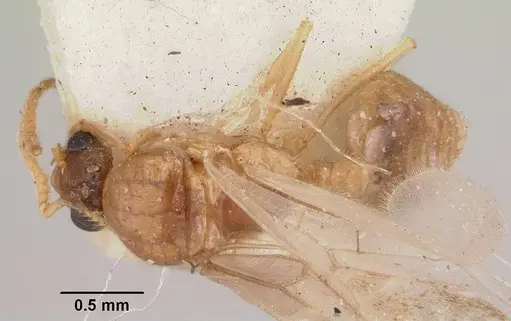
CASENT0101655
Ver no AntWeb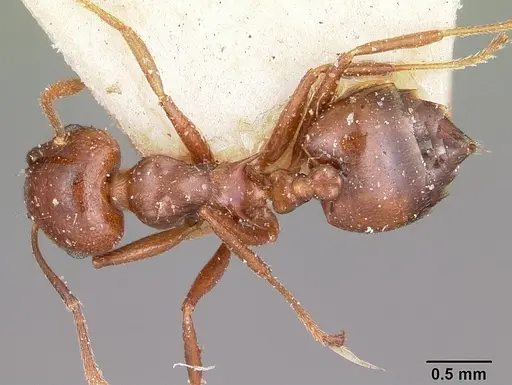
CASENT0101659
Ver no AntWeb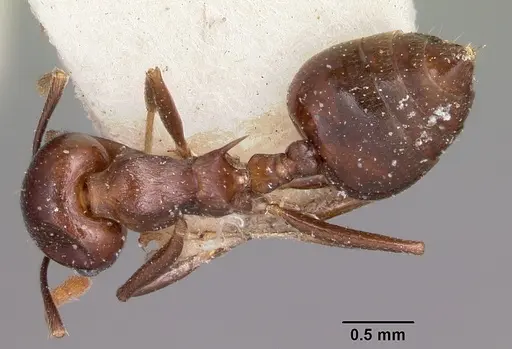
CASENT0101761
Ver no AntWeb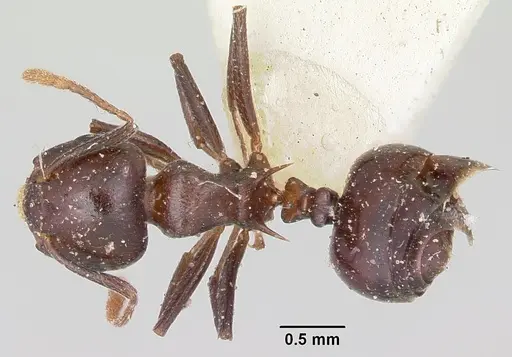
CASENT0101804
Ver no AntWeb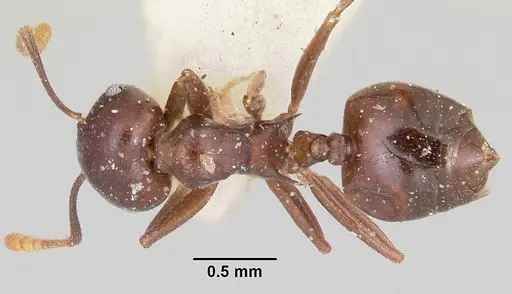
CASENT0101807
Ver no AntWeb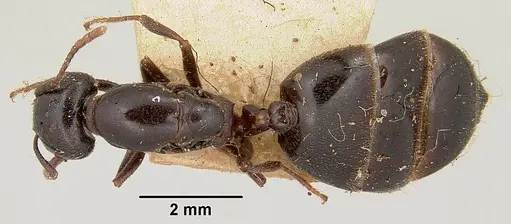
CASENT0102955
Ver no AntWeb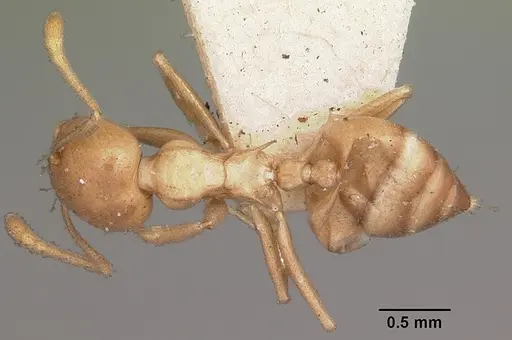
CASENT0140018
Ver no AntWeb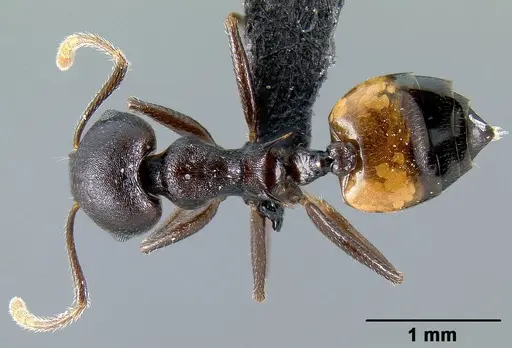
CASENT0193331
Ver no AntWeb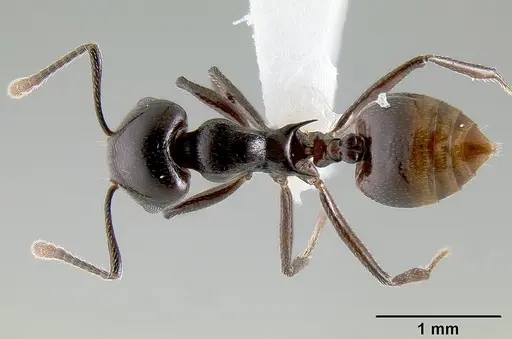
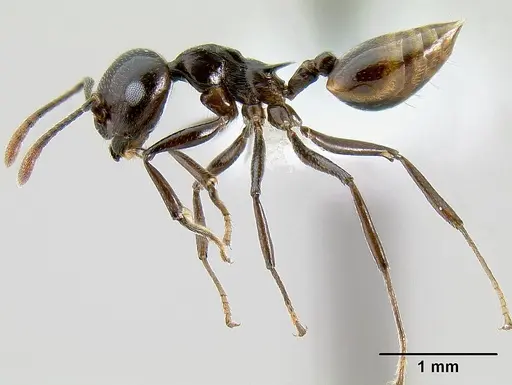
CASENT0193333
Ver no AntWeb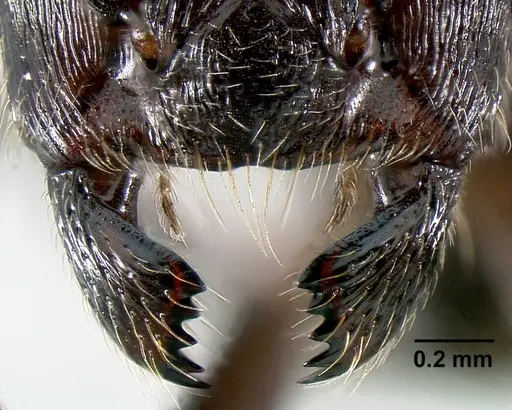
CASENT0193371
Ver no AntWeb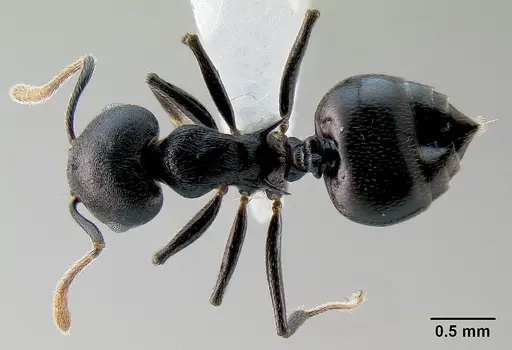
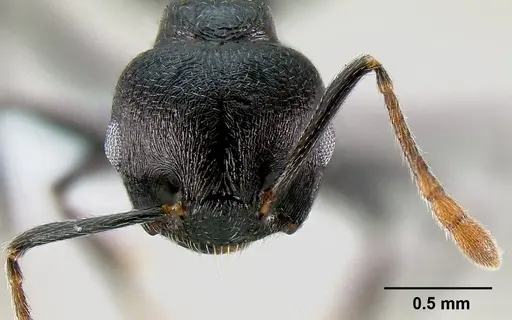
CASENT0193566
Ver no AntWeb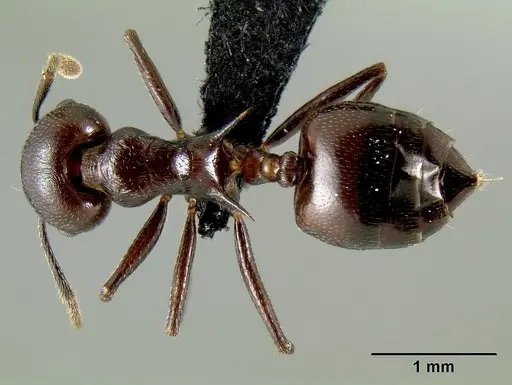
CASENT0495955
Ver no AntWeb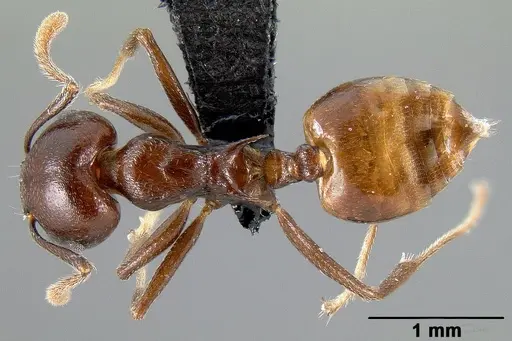
CASENT0922640
Ver no AntWeb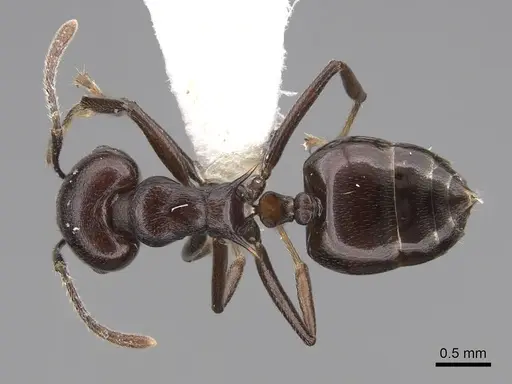
Literatura
Carregando mapa de distribuição...Carregando produtos...