
Delagoa Cocktail ant
Crematogaster delagoensis
- Nome científico
- Crematogaster delagoensis
- Tribo
- Crematogastrini
- Subfamília
- Myrmicinae
- Autor
- Forel, 1894
- Nome comum
- Delagoa Cocktail ant
- Distribuição
- Encontrada em 3 países
Introdução
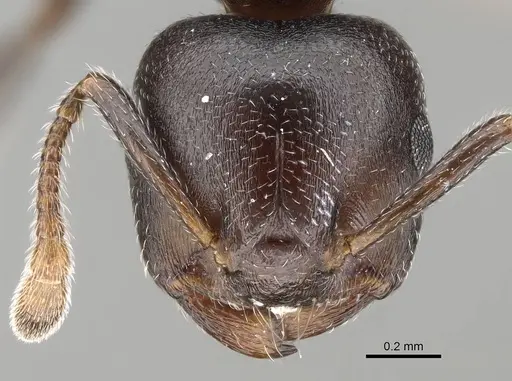
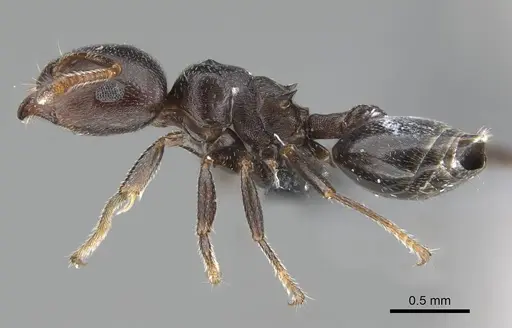
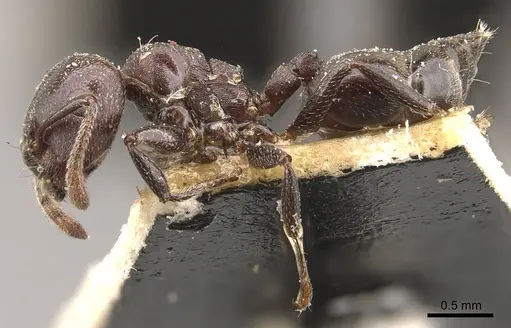
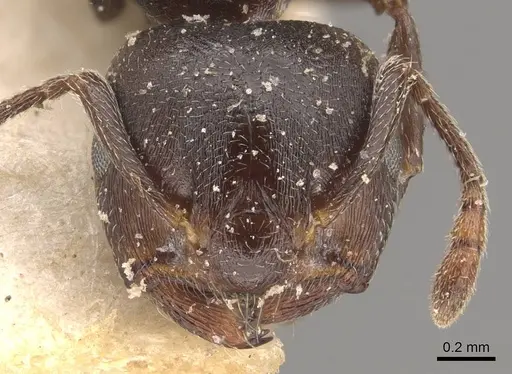
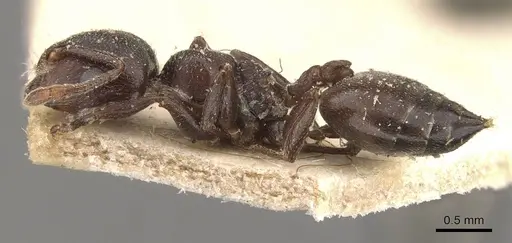
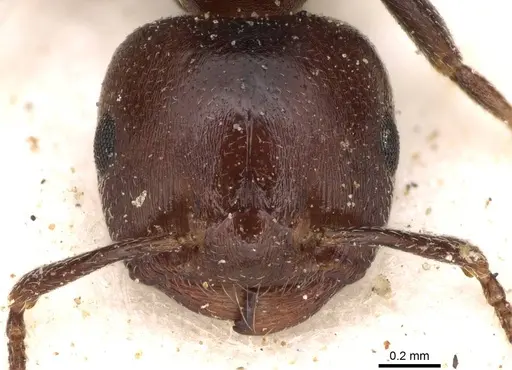
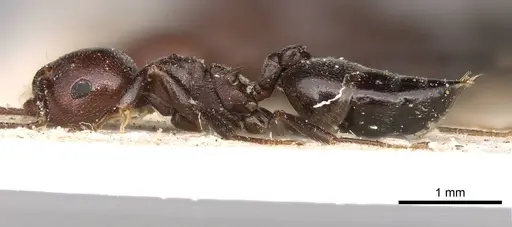
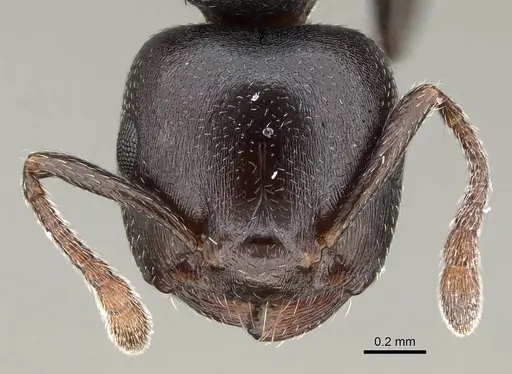
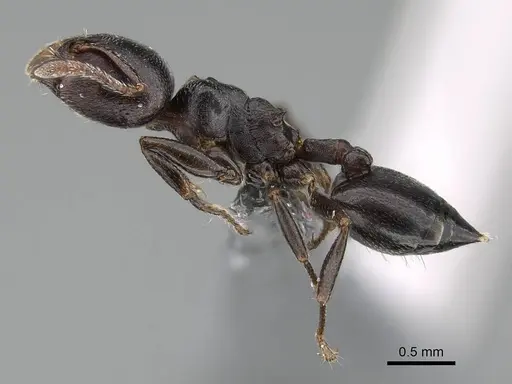
Crematogaster delagoensis is a small ant species originally described from Mozambique, now known across Southern Africa and the Arabian Peninsula (Yemen, Oman, Saudi Arabia) . Workers are small - approximately 2-3mm based on typical Crematogaster proportions. They have a smooth body surface and distinctive propodeal spines reduced to tiny denticles, which distinguishes them from similar species . Their abdomen is heart-shaped when viewed from above, a characteristic shared with other Crematogaster species that allows them to raise their gaster over their head like an acrobat [AntWiki]. This species has an unusual disjunctive distribution - found in Southern Africa (Mozambique) but also in Yemen, Oman, and recently documented in Saudi Arabia. Researchers note this pattern raises questions about whether the Arabian populations are truly the same species as the African ones . In their native range, they inhabit warm, dry to semi-arid environments. As a Crematogaster, they likely nest in pre-existing cavities like hollow twigs, under bark, or in rotting wood rather than excavating their own nests .
Quick Summary
- Difficulty: Medium
- Origin & Habitat: Southern Africa (Mozambique) and Arabian Peninsula (Yemen, Oman, Saudi Arabia). Found in warm, dry to semi-arid habitats [1][2].
- Colony Type: Colony structure is unconfirmed for this specific species. Based on typical Crematogaster patterns, some species in this genus are polygyne, but this cannot be confirmed for C. delagoensis.
- Size & Growth:
- Queen: Size data unavailable for this species, inferred from typical Crematogaster genus (~5-8mm)
- Worker: Approximately 2-3mm, inferred from typical Crematogaster proportions
- Colony: Colony size is unconfirmed for this specific species
- Growth: Moderate, typical for small Myrmicinae
- Development: Development timeline is unconfirmed for this species (Development time inferred from related Crematogaster species)
- Antkeeping:
- Temperature: Keep warm at 24-28°C. Provide a temperature gradient so ants can choose their preferred zone. Based on their African and Arabian distribution, they prefer warm conditions.
- Humidity: Moderate humidity around 50-70%. Allow the nest area to dry partially between water additions. These ants come from relatively dry regions.
- Diapause: A brief winter slowdown may be beneficial given the temperate-to-subtropical origin, but specific requirements are unconfirmed. Consider a 2-3 month period at 15-18°C.
- Nesting: Crematogaster delagoensis likely prefers semi-arboreal nesting. Use a Y-tong (AAC) nest or plaster/naturalistic setup with small chambers. Provide twigs, cork, or small cavities, they nest in pre-existing holes rather than excavating. Keep the nest slightly humid but not wet.
- Behavior: Crematogaster ants are known for their acrobatic defense display, they raise their abdomen over their head when threatened, which allows them to spray formic acid from the tip. Workers are small but active and can be aggressive when defending the colony. They are likely primarily nocturnal foragers. Their small size means escape prevention must be excellent, they can squeeze through surprisingly small gaps. They likely use chemical recruitment to guide nestmates to food sources.
- Common Issues: escape prevention is critical due to their very small size, use fine mesh barriers and tight-fitting lids, colonies may be slow to establish, new keepers sometimes give up too soon, wild-caught colonies may have parasites that cause problems in captivity, overheating is a risk, while they need warmth, direct heat sources can kill them, dry conditions can cause brood failure, monitor humidity carefully
Nest Preferences and Housing
Crematogaster delagoensis is likely a semi-arboreal species that prefers nesting in pre-existing cavities rather than excavating soil. In captivity, they do well in Y-tong (AAC) nests, plaster nests with small chambers, or naturalistic setups using cork or twigs. The key is providing appropriately sized cavities, chambers should be tight enough that workers feel secure but large enough for the colony to move freely. Avoid large, open spaces. A humidity reservoir in the nest helps maintain appropriate moisture levels. Since they come from dry regions, the nest should be mostly dry with just a small moist area. Place the nest in a quiet area away from direct sunlight and vibrations. [1][3]
Feeding and Diet
Crematogaster delagoensis is an omnivorous species with a typical diet of honeydew, small insects, and nectar. In captivity, offer a constant source of sugar water or honey, and provide protein-rich foods like small crickets, mealworms, or fruit flies twice weekly. They are small ants, so prey items should be appropriately sized, tiny insects or pre-killed arthropods work well. Remove uneaten prey after 24-48 hours to prevent mold. Some Crematogaster species will also accept seeds or plant matter, but protein should be the primary focus for colony growth. Observe your colony's preferences, some colonies are more selective than others. [3]
Temperature and Seasonal Care
As a species from Southern Africa and the Arabian Peninsula, Crematogaster delagoensis prefers warm conditions. Keep the nest area at 24-28°C with a temperature gradient so workers can regulate their own temperature. A heating cable on one side of the nest (placed on top, not underneath to avoid drying) can help maintain warmth. During winter, consider reducing temperature to 15-18°C for 2-3 months to simulate their natural seasonal cycle. This winter rest period may help trigger reproductive behavior in spring. However, avoid cold temperatures below 10°C as this can be fatal. Monitor colony activity, if workers become sluggish and cluster together, they may need more warmth. [1][3]
Behavior and Defense
Crematogaster ants have a distinctive defense mechanism, they can raise their abdomen over their head like an acrobat, allowing them to spray formic acid from their gaster tip toward threats. This species belongs to the Myrmicinae subfamily, which uses a smear defense where venom is wiped onto enemies rather than piercing flesh. Workers are small but bold and will aggressively defend their colony. They are likely primarily nocturnal foragers, so you may see more activity in the evening and night hours. They use chemical trails to recruit nestmates to food sources. Despite their small size, they are active and curious explorers. When keeping this species, watch for their characteristic acrobat display when the nest is disturbed, this is normal defensive behavior and not cause for concern. Their small size also means they are excellent escape artists, so use fluon barriers and fine mesh on all openings. [3]
Colony Establishment and Growth
New colonies likely start with a single queen who seals herself in a small chamber (claustral founding). She lays eggs and raises the first workers, called nanitics, entirely on her stored energy reserves. This founding phase can take 6-8 weeks or longer depending on temperature. Once the first nanitic workers emerge, the colony becomes more active and the queen stops foraging outside. Growth rate is moderate, expect several months before you have a visible worker population. Crematogaster colonies can eventually become quite large, but this takes time. Be patient during the founding phase as disturbing the queen too soon can cause colony failure. [3]
Frequently Asked Questions
How long does it take for Crematogaster delagoensis to produce first workers?
Development timeline is unconfirmed for this specific species. Expect roughly 6-8 weeks from egg to first worker at optimal temperature (24-28°C) based on typical Crematogaster development patterns. The queen will be alone during this time, sealed in her chamber, living off her stored fat reserves.
What do Crematogaster delagoensis ants eat?
They are omnivores. Offer sugar water or honey constantly as an energy source, and provide protein like small crickets, mealworms, or fruit flies twice weekly. They are small, so keep prey items appropriately sized.
Do Crematogaster delagoensis ants sting?
They do not sting but can spray formic acid as a defense. Their small size means the spray is not harmful to humans, but it can deter predators. When threatened, they display their characteristic acrobat pose, raising the abdomen over the head.
What temperature do Crematogaster delagoensis need?
Keep them warm at 24-28°C with a temperature gradient. A heating cable on one side of the nest can help maintain warmth. They come from warm African and Arabian regions and prefer these temperatures for optimal brood development.
Can I keep multiple Crematogaster delagoensis queens together?
Colony structure is unconfirmed for this species. Based on typical Crematogaster patterns, some species in this genus are polygyne, but this cannot be confirmed for C. delagoensis. If combining unrelated foundress queens, do so at the very beginning and monitor for aggression. Some fighting is normal as they establish a hierarchy.
Are Crematogaster delagoensis good for beginners?
This species is rated as Medium difficulty. They are small and require careful attention to escape prevention and humidity. They also need warmth. If you have experience with other small Myrmicinae species, this could be a rewarding species to keep.
When should I move Crematogaster delagoensis to a formicarium?
Keep newly caught or purchased colonies in a test tube setup for the first few months until the colony reaches 20-30 workers and the queen is consistently laying eggs. Once the colony outgrows the test tube or becomes active and needs more space, transfer to a Y-tong or plaster nest. Avoid moving during founding or when brood is developing rapidly.
Do Crematogaster delagoensis need hibernation?
They likely benefit from a brief winter rest period of 2-3 months at reduced temperatures (15-18°C). This simulates their natural seasonal cycle in the temperate-to-subtropical regions they inhabit. Do not hibernate below 10°C or in completely dry conditions.
Why are my Crematogaster delagoensis dying?
Common causes include: escape through small gaps (use fine mesh), dry conditions (monitor humidity), cold temperatures below 20°C, mold from overwatering or uneaten food, and stress from too much disturbance during founding. Check these factors and adjust accordingly.
How big do Crematogaster delagoensis colonies get?
Colony size is not documented for this specific species. Growth is moderate, be patient as they establish.
Report an Issue
The current care sheet is based fully on literature. See inconsistencies, or something that's incorrect? Please , it will be resolved after review from an admin. Contributing to the blogs tab also helps providing information, to make us be able to further improve the caresheets. Thank you for your support!
References

Este guia de cuidados está sob a licença CC BY-SA 4.0 .
Posts da comunidade
CASENT0785957
Ver no AntWeb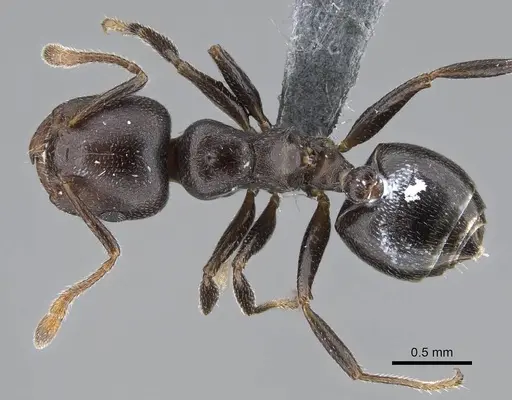
CASENT0902093
Ver no AntWeb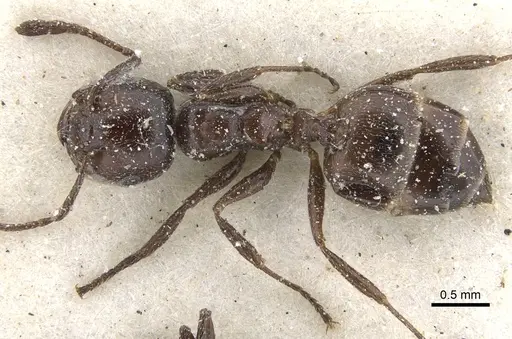
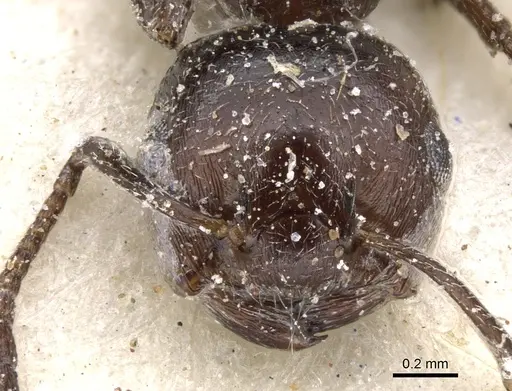
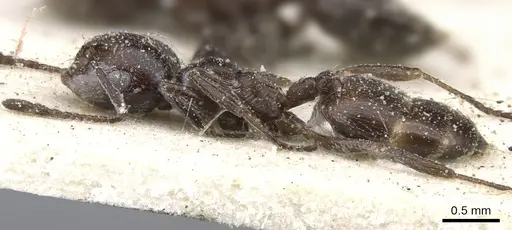
CASENT0908517
Ver no AntWeb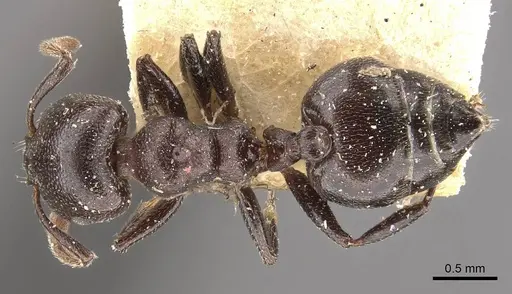
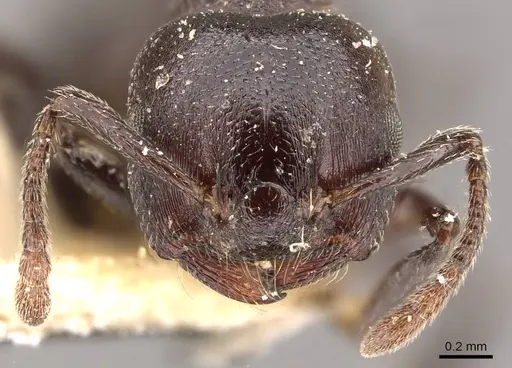
CASENT0908518
Ver no AntWeb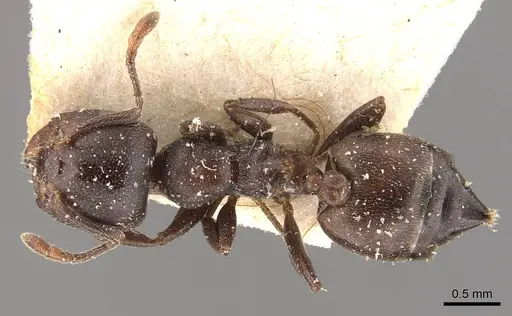
CASENT0912666
Ver no AntWeb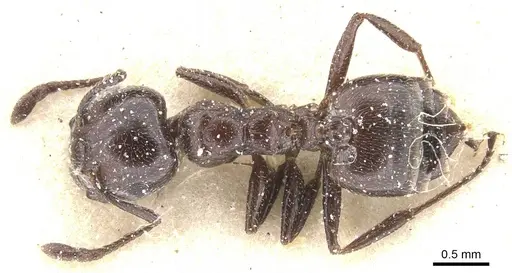
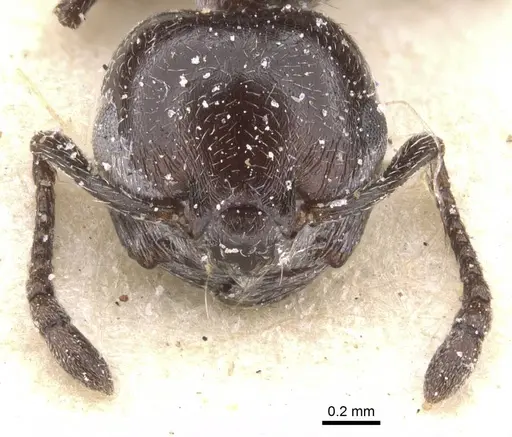
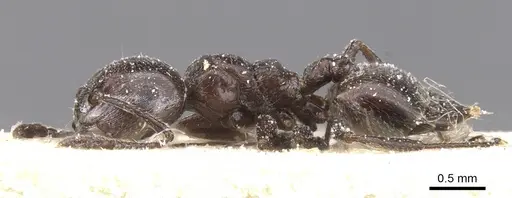
CASENT0914289
Ver no AntWeb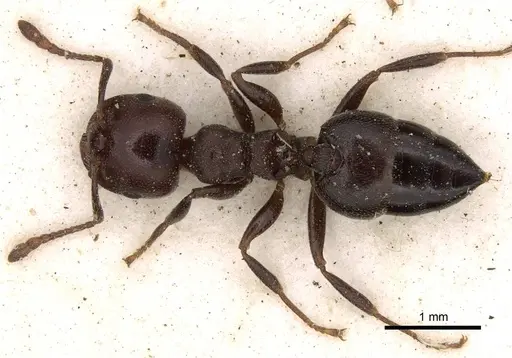
CASENT0922255
Ver no AntWeb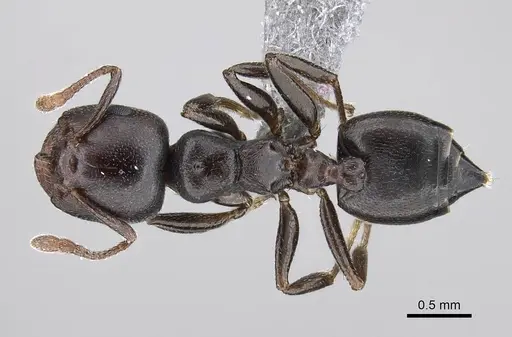
Literatura
Carregando mapa de distribuição...Carregando produtos...