
Colobostruma cerornata
- Nome científico
- Colobostruma cerornata
- Tribo
- Attini
- Subfamília
- Myrmicinae
- Autor
- Brown, 1959
- Distribuição
- Encontrada em 1 países
Introdução
Colobostruma cerornata is a tiny Australian ant belonging to the trap-jaw ant group. Workers have distinctive mandibles that can snap shut with remarkable speed to capture prey. This species was described from specimens collected in Esperance, with a distribution spanning the eastern wheatbelt and Kwongan sand-plains around Eneabba north of Perth in south-western Australia . These ants inhabit sandy, well-drained environments typical of the Kwongan region, which features nutrient-poor sandy soils and a Mediterranean climate with dry summers and wet winters.
Quick Summary
- Difficulty: Medium
- Origin & Habitat: South-western Australia, specifically the wheatbelt and Kwongan sand-plains regions around Esperance and Eneabba. They live in sandy, well-drained soils in a Mediterranean climate with hot dry summers and cool wet winters [1].
- Colony Type: Colony structure is unconfirmed. Based on typical Colobostruma patterns, they likely form small colonies with a single queen.
- Size & Growth:
- Queen: size data unavailable
- Worker: size data unavailable
- Colony: up to 200 workers
- Growth: Moderate, estimated based on related trap-jaw ants
- Development: Estimated 6-10 weeks based on typical Myrmicinae development at warm room temperature (Development time is estimated from related species, specific data for this species is unavailable)
- Antkeeping:
- Temperature: Keep at 22-26°C. They come from a Mediterranean climate so can tolerate some variation, but avoid extremes. A gentle heat gradient allows them to choose their preferred temperature.
- Humidity: Moderate and dry, these ants inhabit sandy, well-drained areas. Keep nest substrate lightly moist but allow it to dry slightly between waterings. Good ventilation is important to prevent mold.
- Diapause: Likely, south-western Australia experiences cool, wet winters. Expect reduced activity during winter months. Reduce temperature to 15-18°C for 2-3 months.
- Nesting: Y-tong or plaster nests work well. They prefer compact chambers scaled to their tiny size. A small water reservoir for humidity is sufficient, avoid overly wet conditions.
- Behavior: These are small, active ants with a defensive trap-jaw mechanism. Their primary defense is their fast-snapping mandibles rather than a sting, they will snap if threatened. Workers are fast-moving and primarily predatory, hunting small insects and other arthropods. Their tiny size means escape prevention is critical, they can squeeze through very small gaps. They are diurnal and actively forage during the day.
- Common Issues: tiny size makes escape prevention challenging, use fine mesh and tight-fitting lids, predatory diet requires live prey, they may refuse dead food initially, small colony size means slow population growth, patience is required, dry habitat needs can lead to overwatering if keepers assume tropical conditions, limited available information means some care aspects are based on genus-level inference rather than species-specific studies
Housing and Nest Setup
Colobostruma cerornata is a tiny ant, so your housing must account for their small size. A Y-tong nest or plaster nest works well, both allow you to control humidity while providing proper ventilation. The chambers should be small and tight-fitting. These ants come from sandy, well-drained habitats in south-western Australia, so avoid overly humid or wet conditions. A small test tube setup can work for founding colonies, use a test tube with a small water reservoir and cotton plug. For the outworld, keep it simple with a shallow foraging area. Because of their tiny size, escape prevention is critical, use fine mesh on any ventilation holes and ensure all connections are sealed tightly. [1]
Feeding and Diet
As trap-jaw ants, Colobostruma cerornata is primarily predatory. They hunt small arthropods using their fast-snapping mandibles. In captivity, offer small live prey such as fruit flies, pinhead crickets, small mealworms, and other tiny insects. They will likely ignore dead prey at first, live food triggers their hunting instinct. You can occasionally offer a drop of diluted sugar water or honey, but protein-rich live prey should be the primary food source. Feed small amounts every 2-3 days, removing any uneaten prey after 24 hours to prevent mold.
Temperature and Seasonal Care
These ants come from south-western Australia's Mediterranean climate, which means they experience distinct seasons. Keep the nest at 22-26°C during the active season, this is warm enough for normal colony activity and brood development. During the Australian winter (roughly June-August in the southern hemisphere), expect reduced activity. You can simulate this by reducing temperatures to 15-18°C for 2-3 months. This winter rest period likely supports colony health and natural cycles. Do not cool them abruptly, reduce temperature gradually over a week or two. Avoid temperatures above 30°C or below 10°C. [1]
Understanding Their Trap-Jaw Mechanism
Colobostruma belongs to a group of ants with specialized trap-jaw mandibles. Their mandibles can snap shut with incredible speed, this is used to capture prey and defend the colony. When handling these ants, be aware that they may snap if they feel threatened. However, they are too small to penetrate human skin, so there is no sting or bite pain concern. This hunting mechanism also means they are active hunters rather than scavengers, always provide live prey options.
Colony Development and Expectations
Colobostruma cerornata colonies are likely to remain relatively small, probably under 200 workers at maturity. Growth will be slower than many common ant species, so patience is essential. The first workers (nanitics) will be smaller than normal workers and may take 6-10 weeks to emerge from the egg stage. After the colony establishes, expect gradual growth over many months. Do not overfeed, small colonies can be overwhelmed by large prey items. Focus on providing consistent, appropriate care rather than expecting rapid expansion.
Frequently Asked Questions
How long does it take for Colobostruma cerornata to produce first workers?
Expect 6-10 weeks from egg to first worker at optimal temperature (22-26°C). This is estimated from related trap-jaw ants in the Myrmicinae subfamily, as specific development data for this species is not available.
What do Colobostruma cerornata ants eat?
They are predatory ants that need live small prey. Offer fruit flies, pinhead crickets, small mealworms, and other tiny insects. They may occasionally accept sugar water or honey, but live protein should be their main food.
Can I keep Colobostruma cerornata in a test tube?
Yes, test tubes work well for founding colonies. Use a small water reservoir and ensure the cotton is packed tightly, these tiny ants can squeeze through gaps that larger ants cannot.
What temperature do Colobostruma cerornata ants need?
Keep them at 22-26°C during the active season. They can tolerate some variation but avoid extremes. A 2-3 month winter cool period at 15-18°C is recommended to mimic their natural seasonal cycle.
Are Colobostruma cerornata good for beginners?
They are rated as medium difficulty. They require more specific care than common ants, particularly their predatory diet and need for escape prevention due to their tiny size. Some experience with ant keeping is helpful.
How big do Colobostruma cerornata colonies get?
Colonies likely remain small, probably up to 200 workers at maturity. They are not fast-growing ants, so expect gradual development over many months to years.
Do Colobostruma cerornata need hibernation?
Yes, they likely benefit from a winter rest period. Reduce temperatures to 15-18°C for 2-3 months during winter. This mimics their natural environment in south-western Australia where winters are cool and wet.
Why are my Colobostruma cerornata escaping?
Their tiny size allows them to squeeze through extremely small gaps. Check all ventilation holes, lid seals, and connection points. Use fine mesh and ensure everything is tightly fitted. Even a tiny crack can be an escape route for these ants.
When should I move my colony to a formicarium?
Wait until the colony has at least 20-30 workers before moving to a formicarium. Test tube setups work well for smaller colonies. Make sure any formicarium provides appropriately sized chambers and good humidity control.
Report an Issue
The current care sheet is based fully on literature. See inconsistencies, or something that's incorrect? Please , it will be resolved after review from an admin. Contributing to the blogs tab also helps providing information, to make us be able to further improve the caresheets. Thank you for your support!
References

Este guia de cuidados está sob a licença CC BY-SA 4.0 .
Posts da comunidade
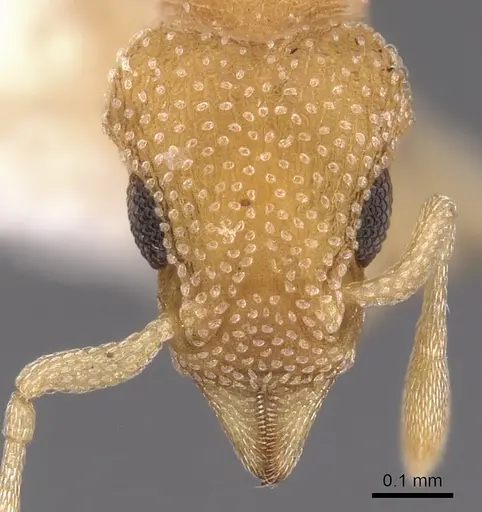
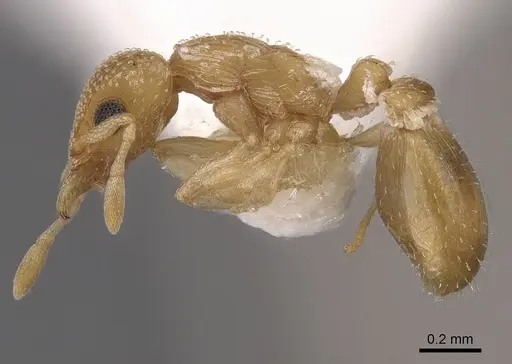
CASENT0900008
Ver no AntWeb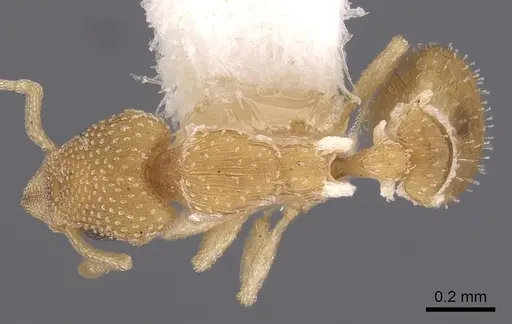
Literatura
Carregando mapa de distribuição...Carregando produtos...