
Colobopsis lauensis
- Nome científico
- Colobopsis lauensis
- Tribo
- Camponotini
- Subfamília
- Formicinae
- Autor
- Mann, 1921
- Distribuição
- Encontrada em 1 países
Introdução
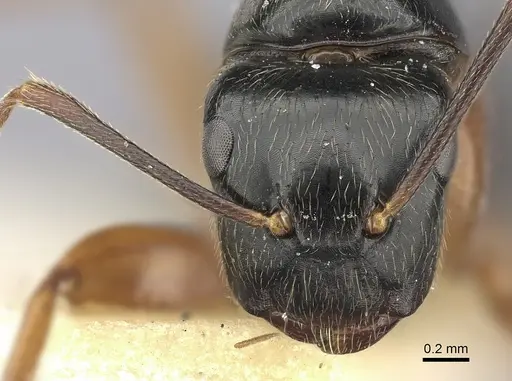
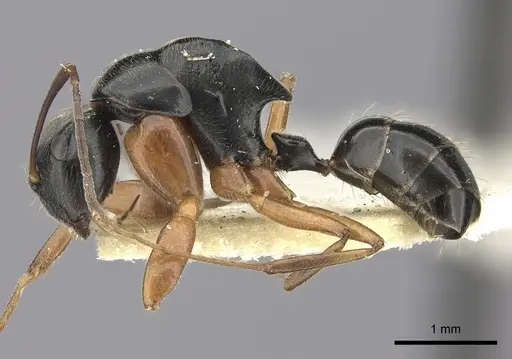
Colobopsis lauensis is an extremely rare carpenter ant endemic to the Lau Group of Fiji islands in the South Pacific. These ants are recognizable by their distinctive head structure - the posterolateral corners of the head appear dorsoventrally pinched with a submargined appearance, and they have a robust mesonotal keel forming an acute posterior tooth that overhangs the petiole . This species remains known only from the original type series collected in 1915-1916,making it one of the rarest and least-studied ants in Fiji . The genus Colobopsis is known for their unique 'cork' head morphology - workers can use their specialized heads to plug nest entrances like bottle corks.
Quick Summary
- Difficulty: Unknown, Insufficient Data
- Origin & Habitat: Endemic to the Lau Group of Fiji islands in the South Pacific. Known only from Kabara island in the Lau archipelago. The original specimens were collected from the Lau islands during 1915-1916 expeditions [1][3]. No ecological or habitat studies exist for this species.
- Colony Type: Unconfirmed. Colony structure has not been documented for C. lauensis specifically.
- Size & Growth:
- Queen: Size data unavailable, no measurements have been documented for this species. Estimated 8-12mm based on typical Colobopsis genus size, but this is a rough inference.
- Worker: Size data unavailable, the original description mentions minor workers but exact measurements were not provided in the literature [2].
- Colony: Unknown, no colony data exists for this species.
- Growth: Unknown, no captive colonies have been documented.
- Development: Unknown, no development data exists for this species. (Development timeline is unconfirmed. This estimate is based on typical carpenter ant (Camponotini tribe) development patterns, not direct observation of this species.)
- Antkeeping:
- Temperature: Likely requires tropical conditions (24-28°C) based on its Fijian distribution. Provide a temperature gradient and monitor colony activity.
- Humidity: Likely requires moderate to high humidity (60-80%) typical of tropical Pacific island habitats. Keep nest substrate moist but not waterlogged.
- Diapause: Unlikely, as a tropical species from Fiji, diapause is probably not required.
- Nesting: In the wild, Colobopsis species typically nest in dead wood, hollow stems, and pre-formed cavities. In captivity, a wooden nest (Y-tong style) or acrylic formicarium with wood insert would be appropriate.
- Behavior: Behavior has not been documented for this species. Based on genus-level information, Colobopsis ants are generally docile and not aggressive. They are carpenter ants, so they may chew through soft materials but are not destructive to hard plastics or acrylic. Escape risk is moderate, use standard barrier methods. The distinctive 'cork' head morphology suggests they may use this for nest defense, plugging entrances when threatened.
- Common Issues: this species is extremely rare in the antkeeping hobby and may be legally protected, check Fijian export laws before attempting to acquire., no captive breeding data exists, establishing a colony may be extremely difficult., known only from type specimens collected in 1915-1916, virtually no ecological or husbandry information available., as a tropical species, temperature control is critical, avoid cool conditions., this is a wild-caught species with potential for parasites or disease, quarantine and monitor new colonies carefully.
Species Overview and Rarity
Colobopsis lauensis is one of the rarest ants in the world to keep, it is known only from a handful of specimens collected over a century ago in the Lau Group of Fiji. This species was originally described as Colobopsis lauensis by William Mann in 1921 based on workers collected from Kabara island during the 1915-1916 expeditions. In 2016,the species was moved from Camponotus to the genus Colobopsis following phylogenetic revisions. What makes this species particularly special is that it is the only ant species that can be considered endemic to the Lau Group specifically, most Fijian ants have wider distributions across the archipelago [1]. The distinctive features include the submargined posterolateral corners of the head that appear dorsoventrally pinched, and a robust mesonotal keel forming an acute posterior tooth that overhangs the petiole [1]. This species has never been documented in captivity, and no ecological studies exist. Keeping C. lauensis would be a pioneering effort with no established husbandry protocols.
Legal and Ethical Considerations
This is a critical consideration for anyone interested in keeping Colobopsis lauensis. As an endemic species restricted to the Lau Group of Fiji, it may be protected under Fijian wildlife conservation laws. Fiji has strict regulations regarding the export of native species, and many endemic island species are protected to prevent over-collection. Before attempting to acquire this species, you must verify the legal status and obtain any necessary permits. Additionally, because the species is known only from historical collections and may have very limited wild populations, ethical collection practices are essential. The antkeeping community should prioritize captive breeding efforts over wild collection to ensure the species' survival. If you do obtain specimens, document their origin carefully and consider contributing to any conservation or research efforts. [3][1]
Housing and Nesting
Since no captive data exists for C. lauensis, housing recommendations must be based on what we know about the genus Colobopsis generally. These are carpenter ants that naturally nest in dead wood, hollow stems, and pre-formed cavities in tropical forests. In captivity, a Y-tong (AAC) wooden nest or an acrylic formicarium with wooden inserts would be appropriate. The nest should have tight, dark chambers scaled to their size. Colobopsis workers have the distinctive ability to plug nest entrances with their specialized 'cork' heads, so provide a nest with a suitable entrance that they can defend. A naturalistic setup with dead wood or bamboo sections can also work well. Ensure the nest material remains moist but not saturated, these ants do not require standing water but need consistent humidity.
Temperature and Care Requirements
As a tropical species from Fiji, Colobopsis lauensis almost certainly requires warm, stable conditions. Based on the tropical climate of the Lau islands, aim for temperatures in the range of 24-28°C (75-82°F). A temperature gradient is recommended so the ants can self-regulate, place a heating cable on one side of the nest to create a warm zone while allowing the other side to remain at room temperature. Monitor colony behavior: if workers cluster near the heat, increase temperature slightly, if they avoid the heated area, reduce it. Humidity should be moderate to high (60-80%), consistent with the humid tropical conditions of their native habitat. Keep the nest substrate moist but allow some areas to dry slightly so the ants can choose their preferred conditions. Since this is a tropical species, diapause is likely not required, but you may provide a slight seasonal temperature variation.
Feeding and Diet
No direct feeding data exists for C. lauensis, but like other Colobopsis and carpenter ants, they likely have an omnivorous diet. In the wild, carpenter ants typically feed on honeydew from aphids and scale insects, plant nectar, and small insects. In captivity, offer a varied diet including sugar water or honey (constant availability is recommended), protein sources such as small insects (fruit flies, pinhead crickets, mealworms), and occasionally fruits or seeds. Feed protein 2-3 times per week and keep sugar sources available at all times. Remove uneaten prey after 24-48 hours to prevent mold. Since this is a tropical species, fresh water should always be available. Start with basic foods and observe what the colony accepts, individual colonies may have preferences.
Colony Establishment Challenges
Establishing Colobopsis lauensis in captivity presents unique challenges. First, the species is extremely rare, you may never encounter it for sale, and wild collection from Fiji may be illegal or impractical. Second, no established breeding protocols exist, so you would be pioneering the husbandry of a species with zero prior captive data. If you obtain a founding queen, treat her with extreme care, provide a small test tube setup with a water reservoir and keep her in a dark, quiet location. Do not disturb her during the founding period. The first workers (nanitics) will likely be smaller than normal workers. Given the scarcity of this species, every individual is valuable, document your observations carefully to contribute to the knowledge base for this poorly understood ant.
Frequently Asked Questions
Is Colobopsis lauensis available in the antkeeping hobby?
No, Colobopsis lauensis is extremely rare in the antkeeping hobby. It is known only from specimens collected in 1915-1916 and has never been documented in captive colonies. You are extremely unlikely to find this species for sale.
Is it legal to keep Colobopsis lauensis?
This depends on your location and the source of the ants. As an endemic species to Fiji, it may be protected under Fijian wildlife laws. You must verify all applicable regulations before attempting to keep this species. In most countries, captive-bred specimens from legal sources would be acceptable, but wild-collected specimens from Fiji may require permits.
How big do Colobopsis lauensis colonies get?
Colony size is unknown, no colony data exists for this species.
What do Colobopsis lauensis eat?
Feeding is unconfirmed for this species. Based on genus-level patterns, they likely accept sugar sources (honey, sugar water), small insects, and possibly plant nectar. Offer a varied diet and observe what they accept.
What temperature do Colobopsis lauensis need?
Temperature requirements are unconfirmed. Based on their tropical Fijian distribution, aim for 24-28°C (75-82°F). This is an inference, not confirmed data.
How long does it take for Colobopsis lauensis to develop from egg to worker?
Development timeline is completely unknown for this species.
Can I keep multiple Colobopsis lauensis queens together?
Colony structure is unconfirmed. Most Colobopsis species form single-queen colonies, but this has not been documented for C. lauensis specifically. Do not combine unrelated queens without clear evidence they can coexist.
What is the best nest type for Colobopsis lauensis?
Nest preferences are unconfirmed. Based on genus patterns, a wooden nest (Y-tong style) or acrylic formicarium with wooden inserts would be appropriate. They likely prefer tight, dark chambers in dead wood material.
Are Colobopsis lauensis good for beginners?
No. This species is not recommended for any level of keeper due to the complete lack of captive data, legal complexities, and extreme rarity. There are no established care protocols, and every aspect of keeping this species would be experimental.
Do Colobopsis lauensis need hibernation?
Diapause requirements are unconfirmed. As a tropical species from Fiji, hibernation is likely not required. However, slight seasonal temperature variations may be beneficial.
Why is Colobopsis lauensis so rare?
This species is known only from the original type series collected in 1915-1916 from Kabara island in the Lau Group of Fiji. It has never been collected since, suggesting either very limited distribution, very low population numbers, or difficulty in finding or identifying them. No modern surveys have documented this species in the wild.
Report an Issue
The current care sheet is based fully on literature. See inconsistencies, or something that's incorrect? Please , it will be resolved after review from an admin. Contributing to the blogs tab also helps providing information, to make us be able to further improve the caresheets. Thank you for your support!
References

Este guia de cuidados está sob a licença CC BY-SA 4.0 .
Posts da comunidade
CASENT0235853
Ver no AntWeb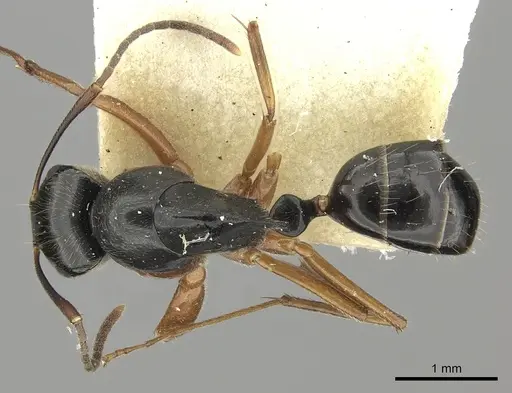
Literatura
Carregando mapa de distribuição...Carregando produtos...