
Colobopsis conica
- Nome científico
- Colobopsis conica
- Tribo
- Camponotini
- Subfamília
- Formicinae
- Autor
- Mayr, 1876
- Distribuição
- Encontrada em 0 países
Introdução
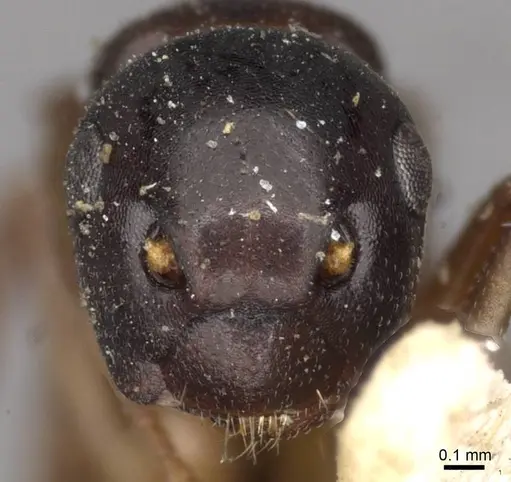
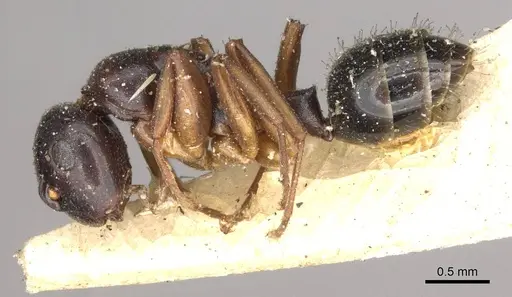
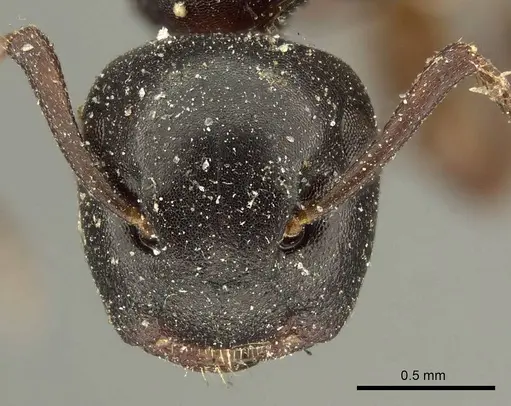
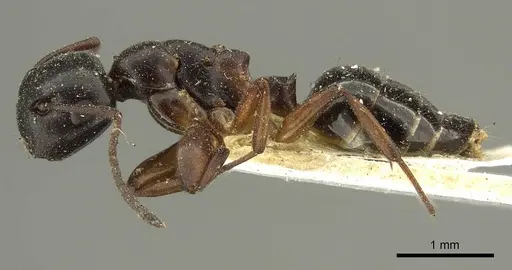
Colobopsis conica is a small arboreal ant endemic to the islands of Tonga in the South Pacific. Workers are minor ants with the typical Colobopsis body shape featuring a distinctly shaped head that tapers toward the back. This species is a canopy-dwelling ant that builds its nests in lianas (climbing vines) high in the forest, rather than nesting in soil or ground-level locations . The colony structure appears to be single-queen, and these ants are part of the Formicinae subfamily. They are a local endemic found only in Tonga, making them a rare species in the antkeeping hobby .
Quick Summary
- Difficulty: Medium
- Origin & Habitat: Endemic to Tonga islands (Tongatapu, 'Eua, Ha'apai, Vava'u) in the South Pacific [3]. They live in the canopy and build nests in lianas (climbing vines) rather than ground nests [1]. This arboreal lifestyle means they prefer elevated, humid microhabitats with access to plant material.
- Colony Type: Single-queen (monogyne) colonies based on typical Colobopsis and Camponotus patterns.
- Size & Growth:
- Queen: ~6-8mm, inferred from genus patterns
- Worker: ~4-6mm, inferred from genus patterns
- Colony: up to 500 workers, estimated
- Growth: Moderate, typical for tropical Formicinae
- Development: 6-8 weeks at optimal tropical temperatures (25-28°C) (Based on typical Camponotini development patterns. Warm temperatures accelerate development.)
- Antkeeping:
- Temperature: Keep at 24-28°C. As a tropical island species from Tonga, they need warm conditions year-round. A heating cable on one side of the nest creates a temperature gradient.
- Humidity: High humidity (70-85%) is essential. These canopy-dwelling ants from humid Pacific islands need consistently moist conditions. Keep the nest substrate damp but not waterlogged, with some drier areas available.
- Diapause: No, being a tropical species from Tonga, they do not require hibernation or winter rest. Maintain warm temperatures year-round.
- Nesting: Arboreal specialists. In captivity, they do well in Y-tong (AAC) nests, plaster nests, or naturalistic setups with vertical elements. Provide materials they can chew and form nests in, like cork bark or artificial vine structures. Avoid deep soil setups, they prefer enclosed chambers rather than tunnels.
- Behavior: Generally peaceful and not aggressive toward keepers. As arboreal ants, they are good climbers and may escape if given the opportunity. They are active foragers that likely tend to aphids or scale insects for honeydew in addition to hunting small insects. Their small size means escape prevention must be excellent, use fine mesh barriers and tight-fitting lids. They are not known to sting and pose no danger to keepers.
- Common Issues: escape prevention is critical, they are small, agile climbers that can squeeze through tiny gaps, humidity dropping too low causes colony decline, monitor moisture levels closely, cold temperatures kill colonies, never let them drop below 20°C, wild-caught colonies may have parasites or diseases that cause captive failures, slow founding means colonies are vulnerable in early stages, be patient and minimize disturbances
Nest Preferences and Housing
Colobopsis conica is an arboreal species that naturally nests in lianas (climbing vines) in the forest canopy [1]. In captivity, you should replicate this elevated, enclosed nesting environment rather than providing deep soil colonies. Y-tong (AAC) nests work well because they provide enclosed chambers that this species prefers. Plaster nests are another good option, just ensure the plaster remains damp but not soggy. For a naturalistic setup, you can provide cork bark pieces or artificial vine structures that the ants can chew and form nests inside. The outworld should include vertical elements like twigs or artificial plants since these ants are comfortable climbing. Test tubes can work for founding colonies, simply place the queen in a test tube with a water reservoir and let her seal herself in to found her colony.
Feeding and Diet
Like other Colobopsis and Camponotus species, these ants are omnivores that primarily feed on honeydew (the sugary liquid secreted by aphids and scale insects) and protein from small insects. In captivity, offer sugar water or honey constantly as an energy source, a cotton ball soaked in diluted honey or sugar water works well. For protein, provide small insects like fruit flies, small mealworms, or cricket pieces. Feed protein 2-3 times per week, adjusting based on how quickly the colony consumes it. Remove any uneaten prey after 24-48 hours to prevent mold. Since they are canopy-dwelling ants, they may be more inclined to forage in elevated locations, so consider placing food dishes on platforms or branches in the outworld rather than on the floor.
Temperature and Seasonal Care
Being a tropical species from the warm Pacific islands of Tonga, Colobopsis conica requires consistent warmth year-round. Keep the nest area at 24-28°C for optimal brood development. A heating cable placed on top of the nest (never underneath where it can dry out the substrate) can create a gentle warmth gradient. Room temperature may be sufficient if your home stays in the low-mid 20s°C, but monitor with a thermometer. These ants do NOT require hibernation or diapause, maintaining stable tropical temperatures is essential for their health. Cold temperatures below 20°C can be fatal, so ensure your ant setup stays warm, especially during winter months. Avoid temperature fluctuations and drafts.
Behavior and Temperament
Colobopsis conica is a relatively peaceful species that poses no danger to keepers. They are not known to sting, and their mandibles are too small to bite effectively. The main behavioral trait to watch for is their excellent climbing ability, they are arboreal ants by nature, so they will readily climb vertical surfaces and explore their environment. This makes escape prevention critical. Use fluon (ant escape prevention liquid) on the rim of the outworld and ensure all lids fit tightly. The colony will likely remain modest in size, so they are suitable for display in smaller formicariums. Workers are active and will forage throughout the nest and outworld, making them engaging to watch.
Colony Founding
The founding process follows typical claustral patterns for the Camponotini tribe. The queen seals herself inside a small chamber (in a test tube or provided nesting cavity) and does not leave to forage during the founding period. She lives entirely on her stored fat reserves and any nutrients from her own metabolic processes to raise the first brood. This means you should not disturb a founding queen or offer food during this time, doing so can stress her and cause colony failure. The first workers (called nanitics) will be smaller than normal workers but will immediately begin foraging for food to support the growing colony. Be patient during founding, it can take 6-10 weeks from egg to first worker at optimal temperatures.
Frequently Asked Questions
Can I keep Colobopsis conica in a test tube?
Yes, test tubes work well for founding colonies. Simply provide a test tube with a water reservoir (filled about 1/3 with water, stopped with a cotton ball) and place the queen inside. She will seal herself in and raise her first workers alone. Once the colony reaches 15-20 workers, you can consider moving them to a proper nest like a Y-tong or plaster formicarium.
What do Colobopsis conica ants eat?
They are omnivores that need both sugar and protein. Offer sugar water or honey constantly as an energy source. For protein, provide small insects like fruit flies, small mealworms, or cricket pieces 2-3 times per week. Remove uneaten food after 24-48 hours to prevent mold.
How long does it take for Colobopsis conica to produce first workers?
At optimal temperatures (24-28°C), expect 6-8 weeks from egg to first worker. This is typical for tropical Camponotini species. Cooler temperatures will slow development significantly.
Do Colobopsis conica ants need hibernation?
No. Being a tropical species from Tonga, they do not require hibernation or winter rest. Keep them warm year-round at 24-28°C. Cold temperatures can kill them.
Are Colobopsis conica good for beginners?
They are intermediate in difficulty. The main challenges are maintaining high humidity and preventing escapes due to their small size and climbing ability. If you can provide a warm, humid setup with good escape prevention, they are manageable for beginners.
How big do Colobopsis conica colonies get?
Based on typical Colobopsis patterns, colonies likely reach up to 500 workers. They are not supercolony-forming ants, so expect modest colony sizes.
What temperature is best for Colobopsis conica?
Keep them at 24-28°C. This tropical species needs warm conditions year-round. A heating cable on top of the nest can help maintain optimal temperatures, especially in cooler rooms.
When should I move Colobopsis conica to a formicarium?
Move them once the colony reaches 15-30 workers and the test tube is becoming crowded. They do well in Y-tong nests, plaster nests, or naturalistic setups with vertical elements that mimic their arboreal lifestyle.
Why are my Colobopsis conica dying?
Common causes include: humidity dropping too low (keep substrate consistently moist), temperatures falling below 20°C (they need warmth), escape prevention failures (use fluon and fine mesh), or stress from disturbing the queen during founding. Check these parameters first.
Report an Issue
The current care sheet is based fully on literature. See inconsistencies, or something that's incorrect? Please , it will be resolved after review from an admin. Contributing to the blogs tab also helps providing information, to make us be able to further improve the caresheets. Thank you for your support!
References

Este guia de cuidados está sob a licença CC BY-SA 4.0 .
Posts da comunidade
CASENT0910597
Ver no AntWeb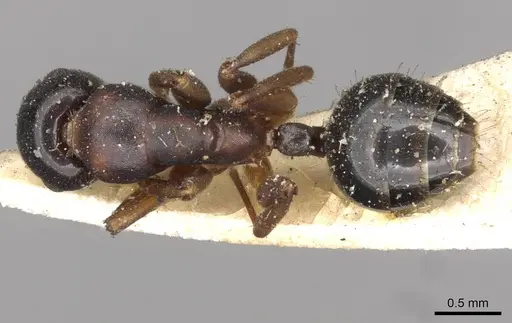
CASENT0915684
Ver no AntWeb
Literatura
Carregando mapa de distribuição...Carregando produtos...