
Chelaner tricolor
- Nome científico
- Chelaner tricolor
- Tribo
- Solenopsidini
- Subfamília
- Myrmicinae
- Autor
- Emery, 1914
- Distribuição
- Encontrada em 0 países
Introdução
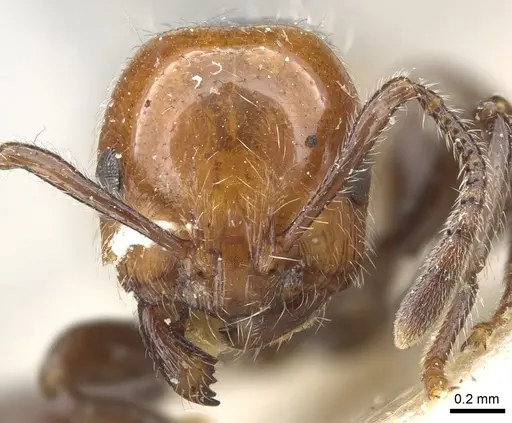
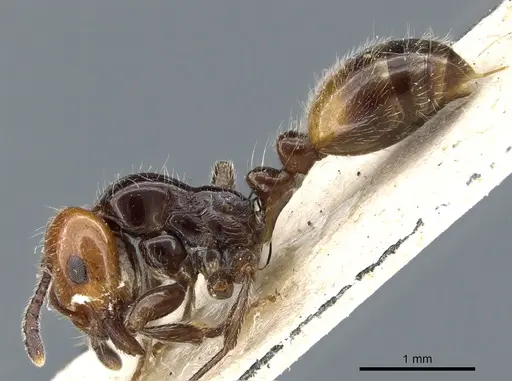
Chelaner tricolor is a small Myrmicinae ant species endemic to New Caledonia, a French territory in the South Pacific. Originally described as Monomorium tricolor by Emery in 1914, it was transferred to the genus Chelaner based on phylogenetic research in 2019 . Workers are small, typical of the Solenopsidini tribe, with the original type specimens collected from Coné by F. Sarasin and J. Roux . This species remains poorly studied, with most records being taxonomic rather than biological. The genus Chelaner was resurrected in 2019 from Monomorium, separating Australian and Pacific species from the African-centered Monomorium genus . Like other Solenopsidini, this species has a stinger for defense [AntWiki].
Quick Summary
- Difficulty: Medium, limited documentation makes care challenging but related species are manageable
- Origin & Habitat: New Caledonia, a tropical island in the South Pacific with humid conditions year-round [2][4]
- Colony Type: Unconfirmed colony structure, no documented studies on queen number or colony organization
- Size & Growth:
- Queen: Size data unavailable, no queen measurements exist in available literature
- Worker: Size data unavailable, original worker description exists but specific measurements not provided
- Colony: Unknown, no colony size data available
- Growth: Unknown, no development data available
- Development: Unknown, no direct development studies exist for this species (Related Monomorium species typically develop in several weeks at warm temperatures, but this is inferred only)
- Antkeeping:
- Temperature: Likely 22-28°C based on New Caledonia's subtropical climate, start in this range and observe colony activity
- Humidity: Moderate to high, New Caledonia has humid tropical conditions, keep substrate slightly moist but not waterlogged
- Diapause: Unlikely, New Caledonia has mild winters with temperatures rarely dropping significantly, no diapause may be needed
- Nesting: No specific nesting data available, likely nests in soil or under stones like related Monomorium species
- Behavior: Behavior is unstudied for this species. Related Monomorium species are typically generalist foragers that accept both sugar and protein sources. Likely non-aggressive with moderate escape risk given typical small Myrmicinae size. Uses stinger for defense like other Solenopsidini [3].
- Common Issues: limited documentation makes care recommendations uncertain, no established husbandry guidelines in the antkeeping hobby, wild-caught colonies may have unknown parasites or health issues, temperature and humidity requirements are inferred from habitat, not confirmed, this species is endemic to New Caledonia and may be difficult to acquire
Species Background and Taxonomy
Chelaner tricolor has a complex taxonomic history. Originally described by Carlo Emery in 1914 as Chelaner tricolor based on worker specimens collected from New Caledonia, the species has undergone several reclassifications. It was moved to the subgenus Notomyrmex by Emery in 1922, then remained in Monomorium until 1987 when Taylor recognized it as such in his Australian ant checklist. In 1966, Ettershank suggested it belonged in Chelaner, but this was not widely accepted until Sparks et al. performed a comprehensive multi-gene phylogenetic study in 2019 that formally resurrected the genus Chelaner for Australian and Pacific species [1]. The species name tricolor was confirmed as grammatically correct in 2025, as it is a single-ending adjective that does not require modification under ICZN Article 31.2.1 [5]. This taxonomic history explains why older literature may reference it as Chelaner tricolor.
Distribution and Natural Habitat
Chelaner tricolor is endemic to New Caledonia, a large island in the South Pacific located about 1,200 km east of Australia. New Caledonia features a tropical to subtropical climate with high humidity year-round. The island has diverse habitats including rainforests, savannas, and maquis shrubland. The original collection locality was Coné (likely near the central mountain range), where the type specimens were collected by F. Sarasin and J. Roux [2]. Beyond this, specific habitat preferences for C. tricolor are not documented in the available literature. The species is considered part of New Caledonia's native ant fauna, which includes several endemic species due to the island's isolation and unique evolutionary history [4].
Keeping Chelaner tricolor in Captivity
This species has no established care guidelines in the antkeeping hobby due to its limited documentation and restricted natural range. There are no published husbandry records, no captive colony reports from keepers, and no specific studies on its temperature, humidity, or dietary preferences. What we can infer comes from related Monomorium species and the general conditions of its native habitat. New Caledonia maintains temperatures in the low-to-mid 20s Celsius year-round with high humidity. Related small Myrmicinae ants are typically generalist feeders accepting sugar water, honey, and various protein sources like small insects. If you obtain this species, start with standard Myrmicinae care: a test tube setup for founding colonies, moderate warmth around 24-26°C, and slightly humid substrate. Monitor colony behavior and adjust conditions based on activity levels and brood development. This species would be best suited for experienced keepers comfortable with uncertain parameters and species documentation.
Defense Mechanism
Chelaner tricolor belongs to the tribe Solenopsidini (subfamily Myrmicinae), which is characterized by a functional stinger. Members of this tribe inject a potent venom composed mostly of piperidine alkaloids to hunt prey and defend the colony [3]. While specific venom composition is not documented for C. tricolor, it likely follows the typical Solenopsidini pattern. The small size of workers means stings are not particularly painful to humans, but the stinging ability is present for colony defense.
Related Species and Comparative Context
The genus Chelaner contains several Australian and Pacific species that were previously classified under Monomorium. The 2019 phylogenetic revision by Sparks et al. separated these species based on genetic analysis, with Chelaner now containing species formerly placed in Monomorium that are phylogenetically distinct [1]. In New Caledonia, the ant fauna includes both endemic species and widespread Pacific taxa. While C. tricolor specifically is poorly known, other Monomorium species (now Chelaner) are documented as small, generalist ants that nest in soil and forage widely. The separation of Chelaner from Monomorium was necessary because the true Monomorium genus is centered in Africa, while the Australian/Pacific species form a distinct evolutionary lineage. Understanding this context helps keepers recognize that care for Chelaner species may differ from African or European Monomorium species.
Frequently Asked Questions
How do I care for Chelaner tricolor ants?
Care guidelines are not established for this species due to minimal scientific documentation. Start with standard small Myrmicinae care: keep at 24-26°C with moderately humid substrate. Offer sugar water or honey as an energy source and small protein items like fruit flies or pinhead crickets. Monitor your colony closely and adjust conditions based on behavior and brood development.
Where is Chelaner tricolor found?
Chelaner tricolor is endemic to New Caledonia, a French island in the South Pacific. It has only been recorded from this location, specifically from specimens collected at Coné [2][4].
What do Chelaner tricolor ants eat?
Diet is unconfirmed for this specific species. Based on related Monomorium/Chelaner species, they likely accept both sugar sources (honey, sugar water) and protein (small insects). Offer a varied diet and observe what the colony accepts.
How big do Chelaner tricolor colonies get?
Colony size is unknown, no published colony size data exists for this species.
Does Chelaner tricolor need hibernation?
Diapause requirements are unknown. New Caledonia has mild winters, so this species likely does not require a true hibernation period. If kept in a temperate climate, a cool period at 15-18°C for 2-3 months may be appropriate, but this is speculative.
Is Chelaner tricolor good for beginners?
This species is not recommended for beginners due to lack of documented care guidelines and limited availability. The complete absence of established husbandry information means keepers must rely on inference from related species, which carries higher risk of colony failure.
How long does it take for Chelaner tricolor to develop from egg to worker?
Development timeline is unconfirmed, no direct studies exist for this species.
Can I keep multiple Chelaner tricolor queens together?
Colony structure (monogyne vs polygyne) is unconfirmed for this species. No research documents whether they are single-queen or multi-queen colonies. Combining unrelated queens is not recommended without species-specific evidence.
What is the scientific name history of Chelaner tricolor?
The species was originally described as Chelaner tricolor by Emery in 1914. It was transferred to Chelaner by Ettershank in 1966, but this was not widely adopted until Sparks et al. formally resurrected the genus in 2019 based on genetic evidence [1][5].
Report an Issue
The current care sheet is based fully on literature. See inconsistencies, or something that's incorrect? Please , it will be resolved after review from an admin. Contributing to the blogs tab also helps providing information, to make us be able to further improve the caresheets. Thank you for your support!
References

Este guia de cuidados está sob a licença CC BY-SA 4.0 .
Posts da comunidade
CASENT0904570
Ver no AntWeb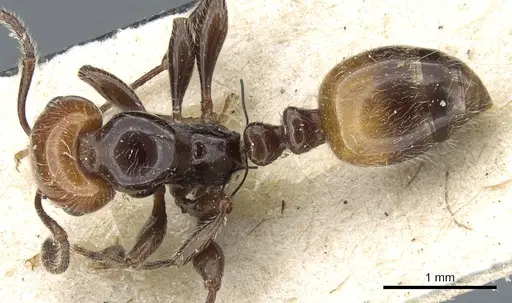
Literatura
Carregando mapa de distribuição...Carregando produtos...