
Cephalotes spinosus
- Nome científico
- Cephalotes spinosus
- Tribo
- Attini
- Subfamília
- Myrmicinae
- Autor
- Mayr, 1862
- Distribuição
- Encontrada em 6 países
Introdução
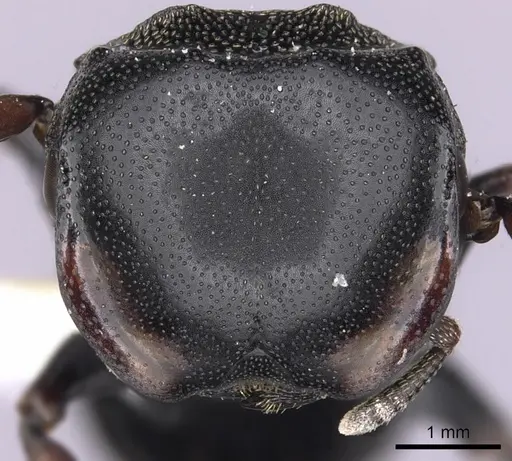
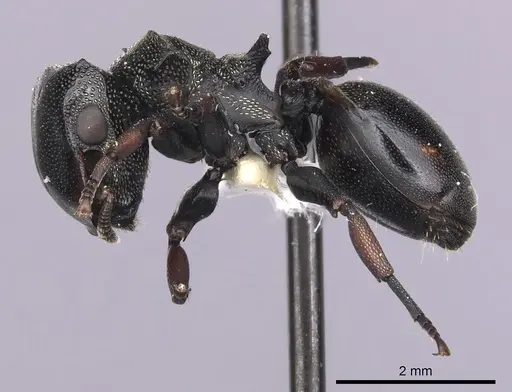
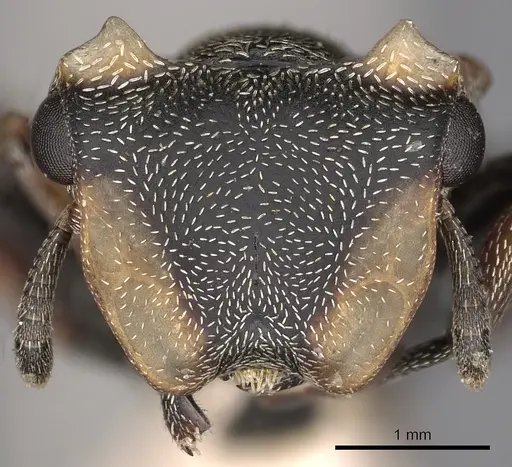
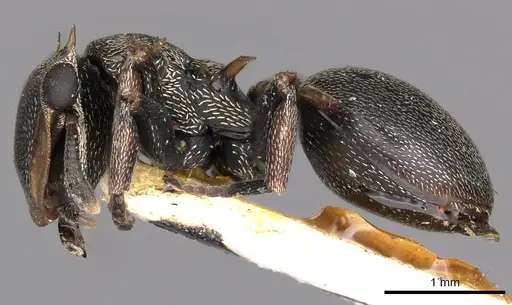
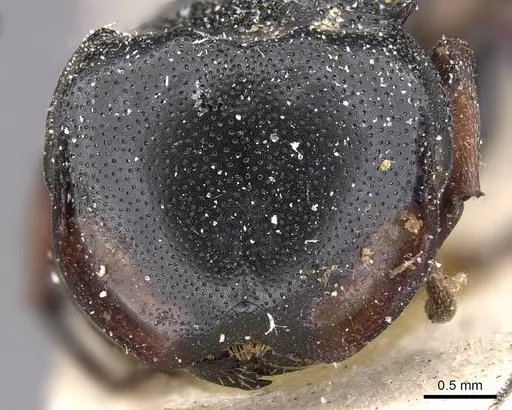
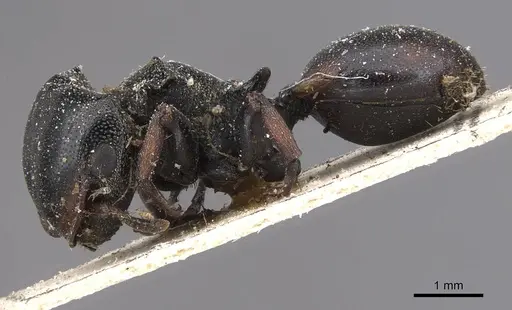
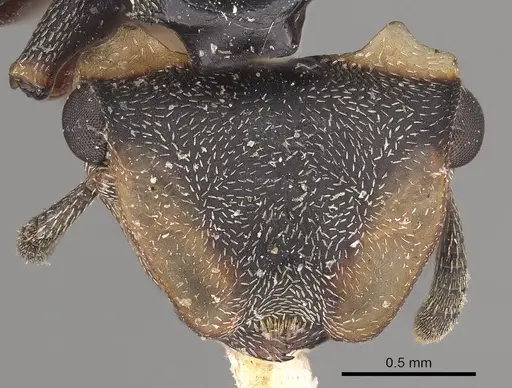
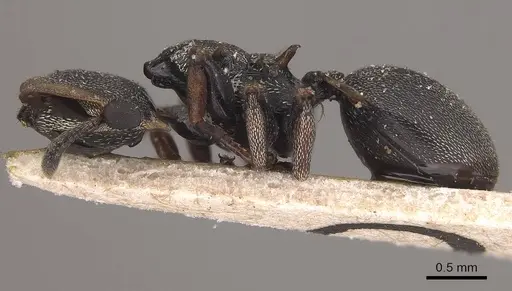
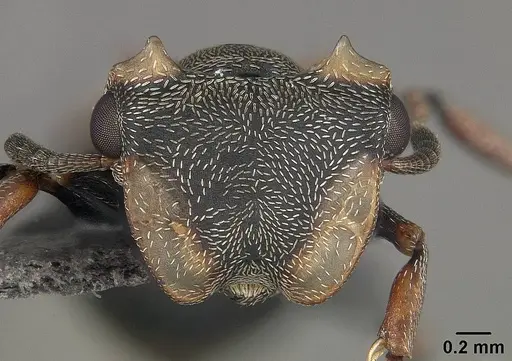
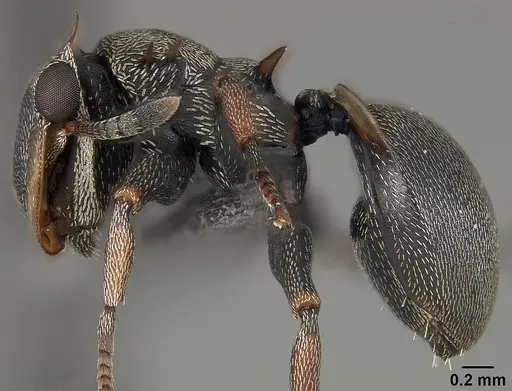
Cephalotes spinosus is a Neotropical turtle ant belonging to the laminatus clade within the Attini tribe. Workers measure 4.8-5.8mm and are predominantly black with distinctive yellowish-brown frontal carinae and a broad transparent lamellae along the front of the gaster. The mesonotum lacks spines or teeth, and the body is covered in golden scale-like hairs. Soldiers are larger at 6.6-8mm with broad gastral lamellae, while queens reach 11.6-12mm . This species is found across northern South America including Bolivia, Brazil, Colombia, Ecuador, Guyana, Peru, Trinidad, and Venezuela, typically at elevations between 60-710m in humid tropical forests and cloud forests . What makes C. spinosus particularly interesting is its specialized gut microbiome. Research shows these ants have a conserved nitrogen-recycling gut symbiont that helps them obtain essential nutrients - this is a key adaptation that allows turtle ants to thrive on what would otherwise be a poor diet . They are part of a group where multiple species share this gut symbiont, making them unique among ants.
Quick Summary
- Difficulty: Medium
- Origin & Habitat: Neotropical rainforests of northern South America (Bolivia, Brazil, Colombia, Ecuador, Guyana, Peru, Trinidad, Venezuela) at elevations of 60-710m [2]. Found in dense second-growth forest with larger trees and forest litter [4].
- Colony Type: Colony structure is unconfirmed. No published data on whether they are single-queen (monogyne) or multi-queen (polygyne).
- Size & Growth:
- Antkeeping:
- Temperature: Keep at 24-28°C. This is a lowland tropical species from humid forests, so warmth and stability are important.
- Humidity: Keep moderately to high humidity (60-80%). These ants come from humid tropical forests, so the nest substrate should stay consistently moist but not waterlogged.
- Diapause: No, this is a tropical species that does not hibernate. Maintain warm temperatures year-round.
- Nesting: In nature they nest in forest litter and rotting wood. In captivity, a Y-tong (AAC) nest or plaster nest with small chambers works well. They prefer tight, humid spaces.
- Behavior: Turtle ants are generally calm and not aggressive. Workers are slow-moving and tend to forage along surfaces rather than climbing. They have minor escape abilities but are not strong climbers. They possess a functional stinger typical of the Attini tribe, though it is less medically significant to humans.
- Common Issues: tropical species needs warmth, cold temperatures below 20°C can slow or stop brood development, escape prevention matters, use tight-fitting lids and barriers even though they are not strong climbers, low humidity causes desiccation, keep nest substrate consistently moist, slow growth means colonies take time to develop, don't overfeed or disturb frequently, wild-caught colonies may have parasites, quarantine and monitor new colonies
Housing and Nest Setup
Cephalotes spinosus does best in a Y-tong (AAC) nest or plaster nest with small, tight chambers scaled to their size. These are not large ants, so avoid oversized tunnels. The nest should maintain high humidity, a water tube connected to a cotton reservoir works well to provide moisture. Place the nest in a dark area or cover it, as turtle ants prefer dim conditions. The outworld can be simple, a plastic container with a secure lid. Use a thin layer of substrate (coco fiber or sand) that you can keep slightly moist. Because they come from forest floor habitats, they appreciate some décor like small leaves or twigs that mimic their natural environment. [2][4]
Feeding and Diet
Turtle ants in the Cephalotes genus are omnivorous. They will accept sugar sources like honey water or sugar water, and protein foods like small insects (fruit flies, small mealworms, crickets). Their unique gut microbiome allows them to extract nutrients efficiently, so they don't need large quantities of food. Offer a drop of sugar water 2-3 times per week and protein (small insects) once or twice per week. Remove uneaten food after 24-48 hours to prevent mold. Unlike some Attini tribe members, they are not fungus-growers, they are typical omnivorous ants. [3]
Temperature and Seasonal Care
As a lowland tropical species from northern South America, Cephalotes spinosus needs warm temperatures year-round. Keep the nest area at 24-28°C. A small heating cable placed on top of the nest (never under, which causes drying) can maintain warmth if your room is cooler. They do not undergo diapause or hibernation, maintaining consistent warmth is key for brood development. Avoid temperatures below 20°C for extended periods, as this can stress the colony and slow or stop brood development. Room temperature in most homes (22-26°C) is often suitable. [2]
Behavior and Colony Dynamics
Cephalotes spinosus workers are slow-moving and deliberate in their movements. They are not aggressive. When disturbed, they tend to retreat rather than attack. The soldiers (larger workers with bigger heads) serve as nest defenders but are still not particularly aggressive toward keepers. Colonies grow slowly, this is normal for Cephalotes species. The queen lays eggs periodically, and larvae develop over several weeks before pupating. Workers tend to the brood and maintain the nest. Unlike some ants, they do not exhibit major foraging raids or swarming behavior. [4]
Growth and Development
Specific development timing for C. spinosus has not been documented in scientific literature. Based on related Cephalotes species and typical tropical Myrmicinae, expect several months from egg to first worker at optimal temperature (around 26°C). The first workers (nanitics) will be smaller than mature workers. Growth rate is likely moderate, not particularly fast but steady under good conditions. Colonies probably reach a few hundred workers over time, though exact maximum size is unknown. Patience is key with this species.
Handling and Interaction
These ants are very manageable and calm. They can be gently handled with soft forceps if needed, but avoid frequent disturbance. They are not prone to biting and their mandibles are not particularly powerful. When moving or transferring colonies, use gentle techniques. They are not escape artists in the traditional sense, they don't climb smooth surfaces well, but can squeeze through small gaps, so ensure lids fit tightly. Their main interest for keepers is observing their unique turtle-ant morphology and behavior, not active interaction. [4]
Frequently Asked Questions
How long does it take for Cephalotes spinosus to produce first workers?
The exact timeline is unknown, as specific development timing has not been documented for this species. This is a slow-growing species, so patience is required.
What do Cephalotes spinosus ants eat?
They are omnivorous. Offer sugar water or honey water as a carbohydrate source, and small insects like fruit flies, small mealworms, or crickets for protein. Feed sugar 2-3 times per week and protein 1-2 times per week.
What temperature do Cephalotes spinosus need?
Keep them warm at 24-28°C. This is a tropical species that does not tolerate cold well. Avoid temperatures below 20°C.
Are Cephalotes spinosus good for beginners?
They are rated as medium difficulty. They require warm, humid conditions and slow growth, which requires patience. They are docile and easy to house, but meeting their humidity needs may take some attention.
How big do Cephalotes spinosus colonies get?
The maximum colony size is unknown, no published data exists. Based on related species, they likely reach a few hundred workers over time. Growth is slow.
Do Cephalotes spinosus need hibernation?
No, they do not hibernate. This is a tropical species that needs warm temperatures year-round. Maintain 24-28°C consistently.
What type of nest is best for Cephalotes spinosus?
A Y-tong (AAC) nest or plaster nest with small chambers works well. They need high humidity, so a nest with a water tube or moisture reservoir is ideal. Keep the nest substrate consistently moist.
Can I keep multiple Cephalotes spinosus queens together?
This has not been studied. The colony structure (monogyne vs polygyne) is unconfirmed for this species. It is not recommended to combine unrelated foundress queens without documented evidence they can coexist.
Why are my Cephalotes spinosus dying?
Common causes include: cold temperatures (below 20°C), low humidity causing desiccation, mold from overfeeding, or stress from frequent disturbance. Check that temperatures are in the 24-28°C range and humidity is adequate. Remove uneaten food promptly.
Report an Issue
The current care sheet is based fully on literature. See inconsistencies, or something that's incorrect? Please , it will be resolved after review from an admin. Contributing to the blogs tab also helps providing information, to make us be able to further improve the caresheets. Thank you for your support!
References

Este guia de cuidados está sob a licença CC BY-SA 4.0 .
Posts da comunidade
CASENT0217844
Ver no AntWeb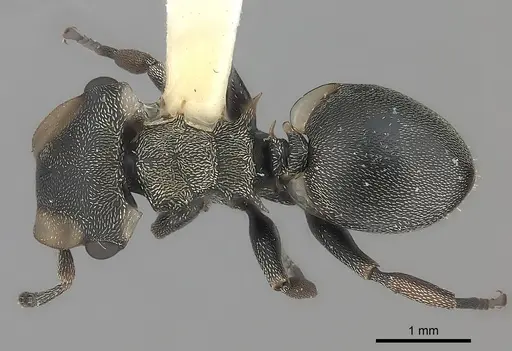
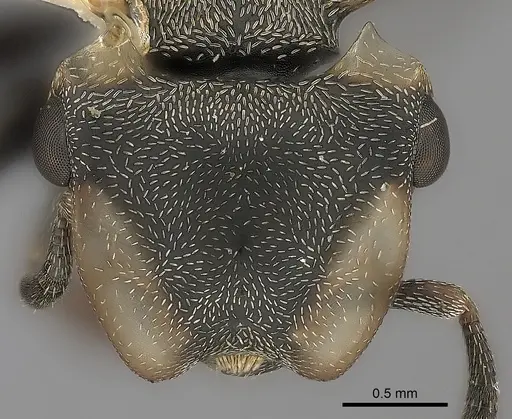
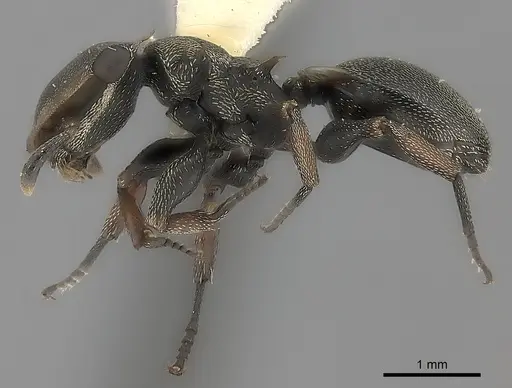
CASENT0627976
Ver no AntWeb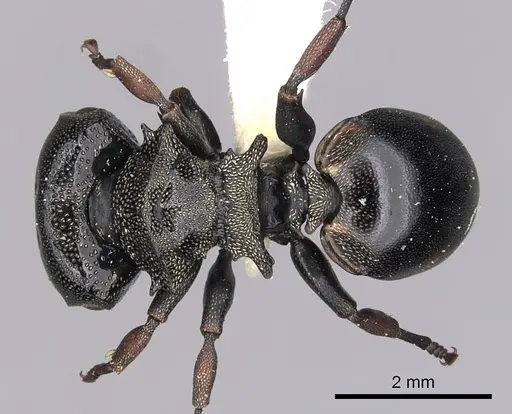
CASENT0900244
Ver no AntWeb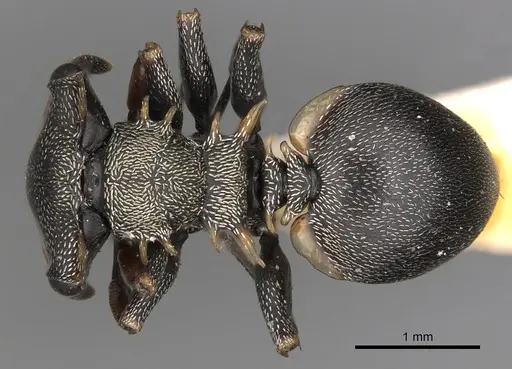
CASENT0909271
Ver no AntWeb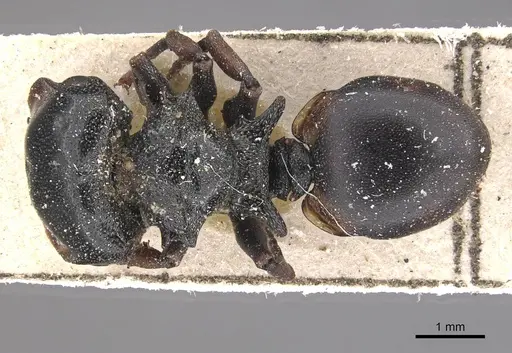
CASENT0919604
Ver no AntWeb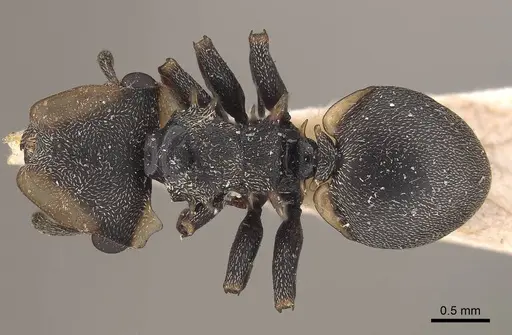
CASENT0922615
Ver no AntWeb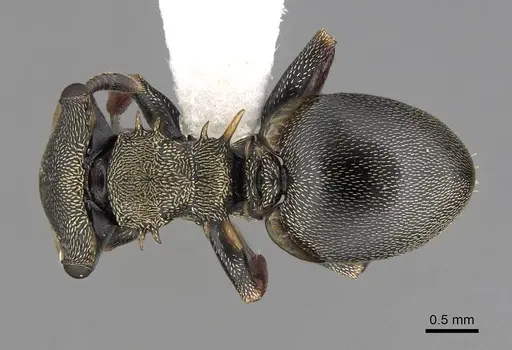
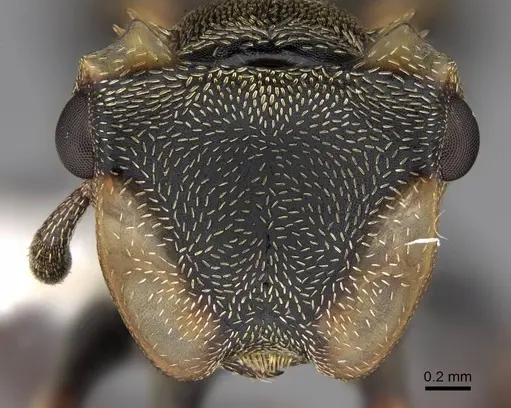
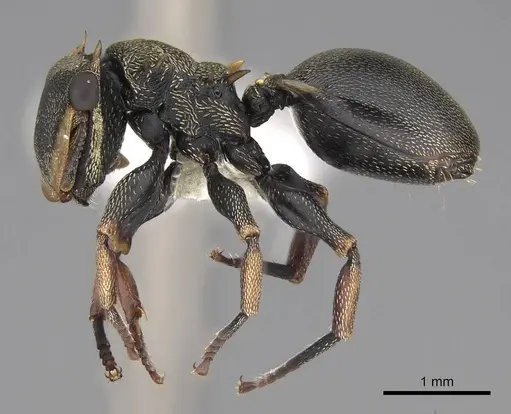
ECOFOG-BUG-0152-04
Ver no AntWeb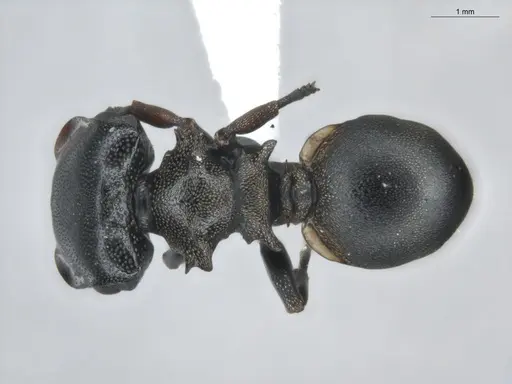
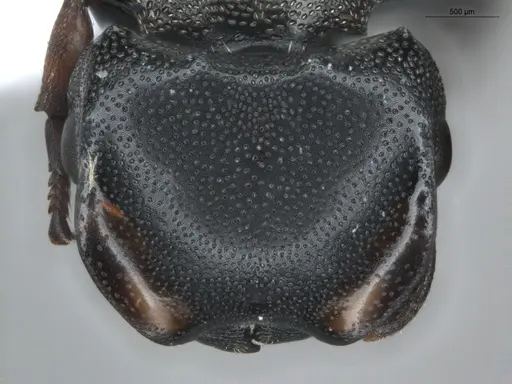
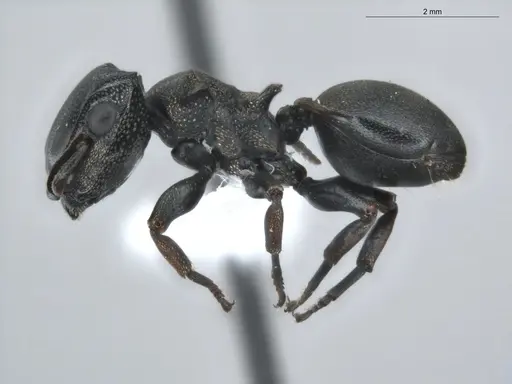
ECOFOG-GAL18-0238-06
Ver no AntWeb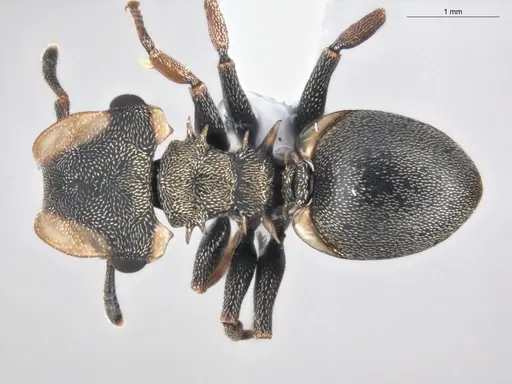
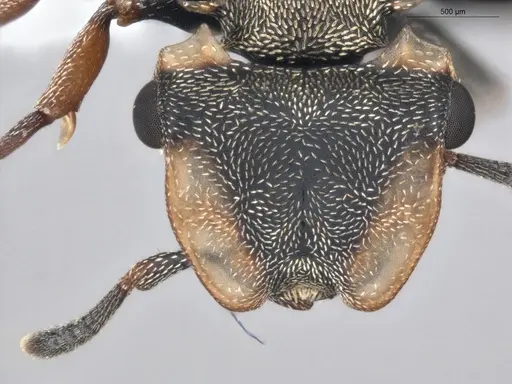
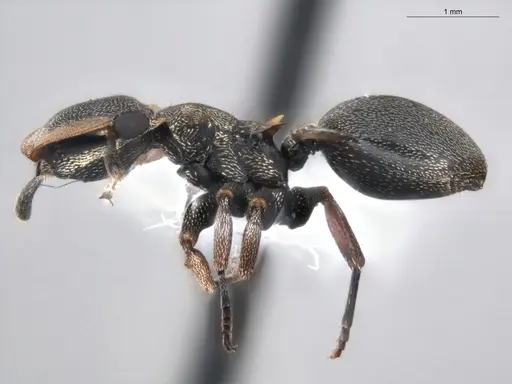
USNMENT01124213
Ver no AntWeb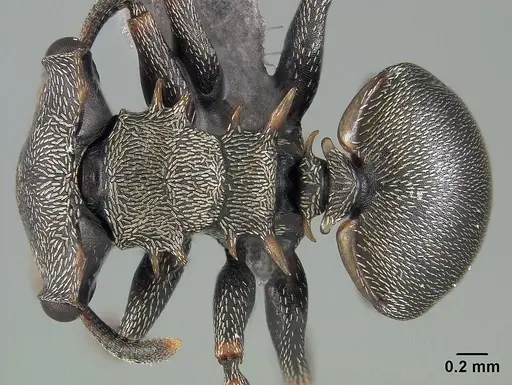
Literatura
Carregando mapa de distribuição...Carregando produtos...