
Cataulacus porcatus
- Nome científico
- Cataulacus porcatus
- Tribo
- Crematogastrini
- Subfamília
- Myrmicinae
- Autor
- Emery, 1899
- Distribuição
- Encontrada em 1 países
Introdução
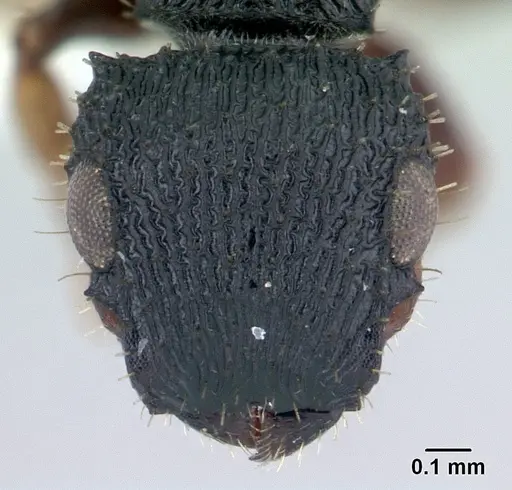
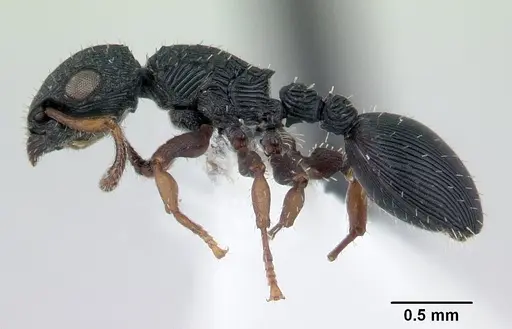
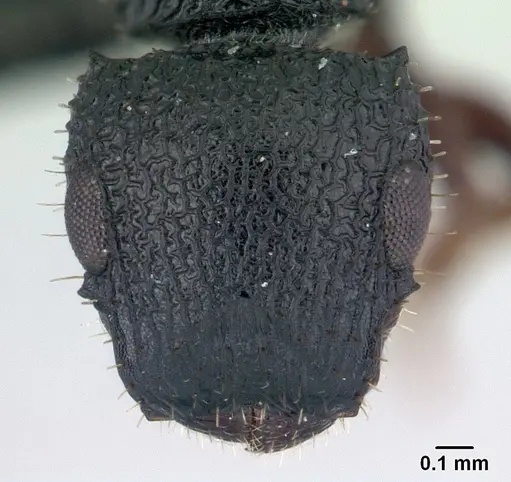
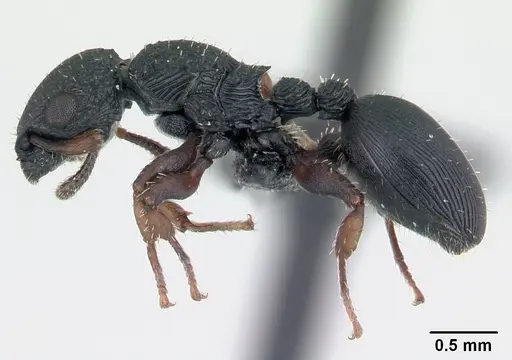
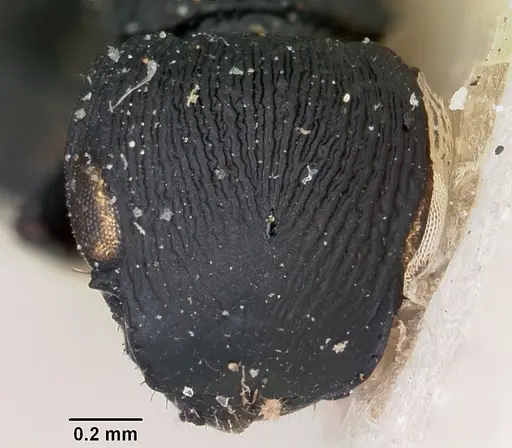
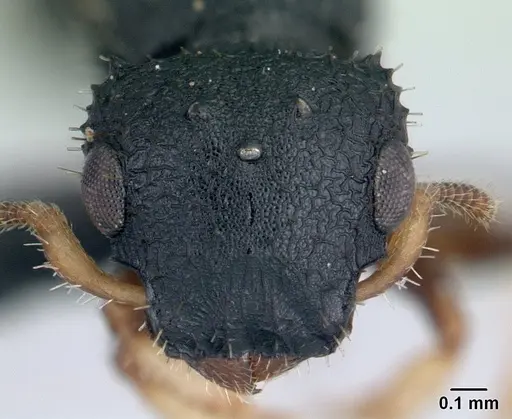
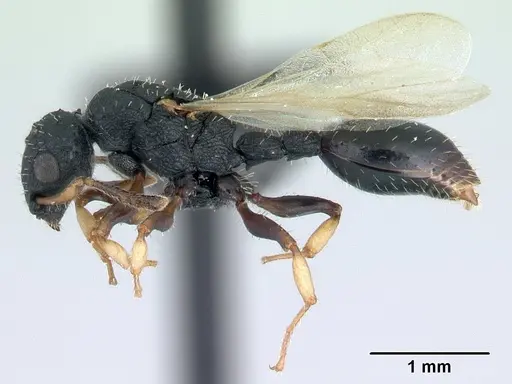
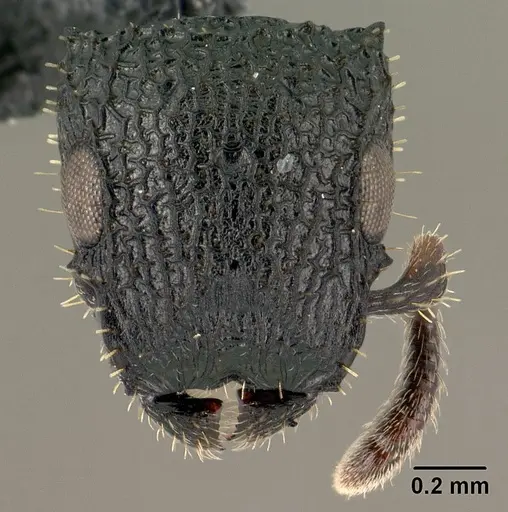
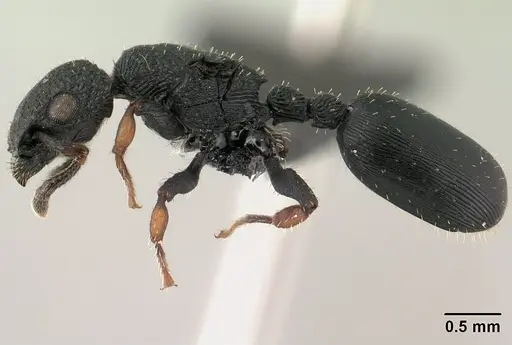
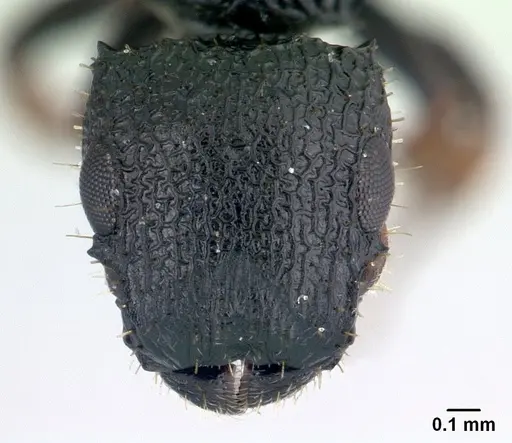
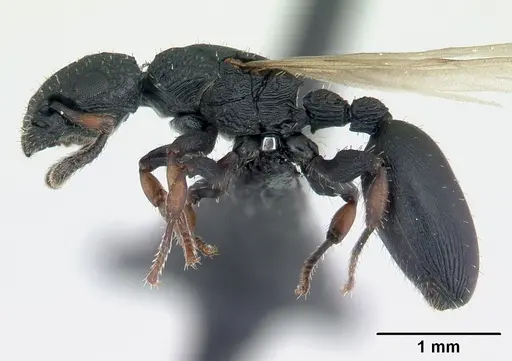
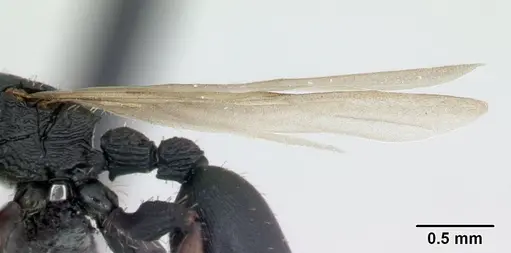
Cataulacus porcatus is a small arboreal ant endemic to Madagascar. Workers measure 3.5-4.5mm and have a distinctive appearance with strongly ridged sculpturing on the head and body, giving them a textured, grooved look. They have small teeth on the back corners of the head and along the sides of the alitrunk, plus short spines on the propodeum. The gaster is finely punctate with fine longitudinal ridges. This species belongs to the Cataulacus huberi species group and is closely related to Cataulacus regularis. As an arboreal ant, they nest in hollow twigs, rotting wood, and tree cavities in Madagascar's forests.
Quick Summary
- Difficulty: Medium
- Origin & Habitat: Madagascar, specifically Antongil Bay region. Inhabits a wide range of forest types across the island, with preference for humid, shaded forest environments. Specimens have been collected from arboreal microhabitats in humid forest areas. [1][2][3]
- Colony Type: Colony structure is unconfirmed. Based on typical Cataulacus patterns, single-queen colonies are likely, though this has not been directly documented for this species.
- Size & Growth:
- Queen: Size data unavailable, no specific measurements documented
- Worker: 3.5-4.5mm [1]
- Colony: Unknown, likely moderate colonies typical of arboreal Cataulacus species
- Growth: Moderate, estimated from related species
- Development: Estimated 6-10 weeks at tropical temperatures, direct development data unavailable for this species (Temperature-dependent estimate based on genus-level patterns.)
- Antkeeping:
- Temperature: Keep warm, roughly low-to-mid 20s°C. As a Madagascar species from humid forests, they prefer stable tropical temperatures. A gentle gradient allowing them to choose their preferred zone is recommended.
- Humidity: High humidity is essential, these are forest-dwelling ants that prefer humid conditions. Keep nest substrate consistently moist but not waterlogged. Provide a water chamber or moisture gradient.
- Diapause: No true diapause required, Madagascar is tropical and these ants likely remain active year-round with slight seasonal slowdowns.
- Nesting: Arboreal specialists, they naturally nest in hollow twigs, rotting wood, and tree cavities. In captivity, they do well in Y-tong (AAC) nests, plaster nests with small chambers, or naturalistic setups with wood pieces. Tight-fitting chambers scaled to their small size work best.
- Behavior: Generally calm and non-aggressive. As arboreal ants, they are skilled climbers and may escape if given the chance. Their small size means escape prevention must be excellent, use fine mesh barriers and tight-fitting lids. They are not known to be particularly defensive or sting aggressively. Workers forage along branches and surfaces in the nest area.
- Common Issues: escape prevention is critical due to their small size and arboreal climbing abilities, high humidity requirements can lead to mold if ventilation is poor, limited available care information means keepers must adapt and observe colony preferences, wild-caught colonies may carry parasites or pathogens that can cause colony failure, slow to establish, patience is required during the founding and early growth phases
Housing and Nest Preferences
Cataulacus porcatus is an arboreal species, meaning they naturally live in elevated microhabitats like hollow twigs, rotting wood, and tree cavities. In captivity, they adapt well to Y-tong (AAC) nests with small, tight chambers scaled to their 3.5-4.5mm worker size. Plaster nests with narrow passages also work well. The key is providing chambers that are appropriately sized, too large and they may feel insecure. Include natural wood pieces or twigs in naturalistic setups to mimic their preferred arboreal habitat. Because they are small climbers, ensure all connections between the nest and outworld are secure with fluon barriers or tight-fitting tubes. [1]
Temperature and Humidity Requirements
As a Madagascar endemic from humid forests, Cataulacus porcatus requires warm and humid conditions. Maintain temperatures in the range of roughly 24-26°C, which approximates their natural tropical forest environment. A temperature gradient is beneficial, allow the colony to move between warmer and cooler areas of the nest to self-regulate. Humidity should be kept high, with the nest substrate consistently moist but never waterlogged. A water tube or reservoir connected to the nest helps maintain humidity. Avoid both drying out and stagnant, overly wet conditions, aim for damp substrate with some condensation visible but no standing water. [3]
Feeding and Diet
In the wild, Cataulacus species typically forage for honeydew, small insects, and other protein sources. In captivity, offer a varied diet including sugar sources (honey water, sugar water) and protein sources (small insects like fruit flies, pinhead crickets, mealworms). Live prey is often preferred, especially for establishing colonies. Feed small prey items appropriate to their tiny size, fruit flies and springtails are ideal. Provide sugar water constantly and protein prey 2-3 times per week. Remove uneaten prey after 24-48 hours to prevent mold.
Behavior and Temperament
Cataulacus porcatus workers are relatively calm and not particularly aggressive. They are arboreal by nature, so they are good climbers and will explore vertical surfaces. This climbing ability also means they are escape artists, their small size allows them to squeeze through tiny gaps, so excellent escape prevention is essential. Use fine mesh on any ventilation holes and apply fluon or similar barriers to tube connections. Workers are active and will forage throughout the nest and outworld. They do not possess a painful sting, making them safe to handle. Their textured, ridged appearance makes them visually distinctive among ant species. [1]
Colony Establishment and Growth
Establishing Cataulacus porcatus colonies requires patience. If acquiring a queen, she should be housed in a small test tube setup with water reservoir and kept warm and humid. The queen will seal herself in and lay eggs, living off her stored fat reserves until the first workers emerge. Growth rate is moderate, expect several months before seeing significant worker numbers. Colonies likely reach several hundred workers at maturity. Monitor for mold and ensure proper hydration without overwatering. Once the first workers emerge, they can be moved to a proper nest setup if needed.
Frequently Asked Questions
How long does it take for Cataulacus porcatus to produce first workers?
Exact timeline is unknown, but based on related arboreal Myrmicinae, expect 6-10 weeks from egg to worker at optimal temperatures. Patience is essential during the founding stage.
What do Cataulacus porcatus ants eat?
They accept sugar sources (honey water, sugar water) and protein (small insects like fruit flies, pinhead crickets, mealworms). Live prey is preferred, especially for establishing colonies.
Do Cataulacus porcatus ants sting?
They are not known for painful stings. While they have a stinger, it is small and not effective against humans. They are considered safe to handle.
Can I keep Cataulacus porcatus in a test tube setup?
Yes, test tubes work well for founding colonies. Use a small test tube with a water reservoir, keep it warm and humid. Once established with workers, they can be moved to a Y-tong or plaster nest.
Do Cataulacus porcatus need hibernation?
No, as a Madagascar tropical species, they do not require true hibernation. They may show slight seasonal slowdowns but should be kept warm year-round.
How big do Cataulacus porcatus colonies get?
Colony size is not documented, but based on genus patterns, they likely reach several hundred workers at maturity.
Are Cataulacus porcatus good for beginners?
They are rated Medium difficulty. While not aggressive, their high humidity requirements and small size make them better suited for keepers with some experience. Beginners should ensure they can maintain warm, humid conditions consistently.
Why are my Cataulacus porcatus escaping?
Their small size makes them excellent escape artists. Use fine mesh on all ventilation, apply fluon barriers to tubes and connections, and ensure all lids fit tightly.
Can I keep multiple Cataulacus porcatus queens together?
Colony structure is unconfirmed for this species. Based on typical Cataulacus patterns, single-queen colonies are likely. Combining unrelated queens is not recommended without documented evidence they can coexist.
What temperature is best for Cataulacus porcatus?
Keep them at roughly 24-26°C. As a Madagascar forest species, they prefer warm, stable tropical temperatures. A gentle gradient allowing them to choose their preferred zone is ideal.
Report an Issue
The current care sheet is based fully on literature. See inconsistencies, or something that's incorrect? Please , it will be resolved after review from an admin. Contributing to the blogs tab also helps providing information, to make us be able to further improve the caresheets. Thank you for your support!
References

Este guia de cuidados está sob a licença CC BY-SA 4.0 .
Posts da comunidade
CASENT0011075
Ver no AntWeb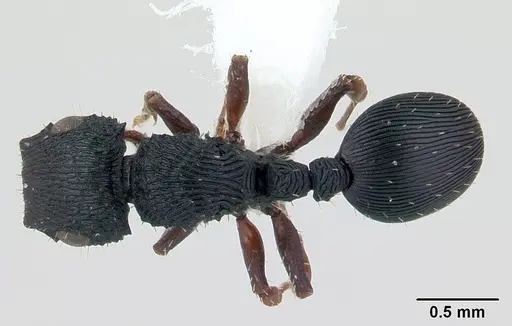
CASENT0066732
Ver no AntWeb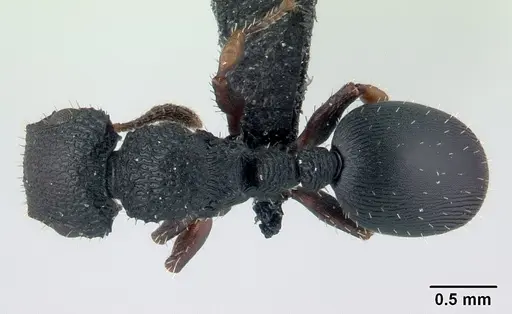
CASENT0101772
Ver no AntWeb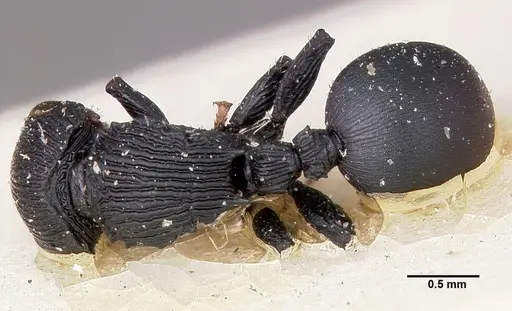
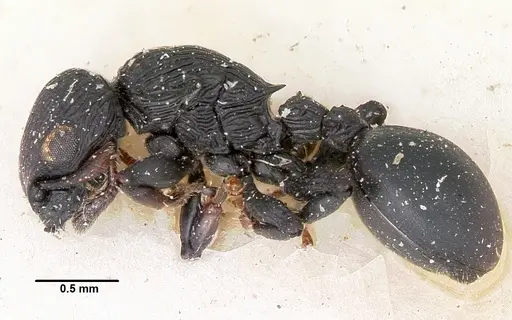
CASENT0102069
Ver no AntWeb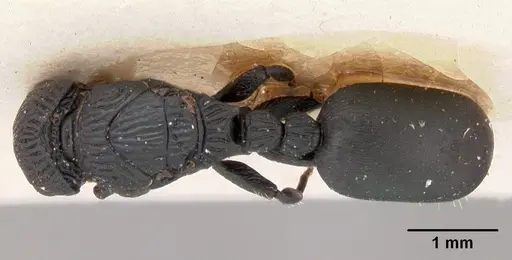
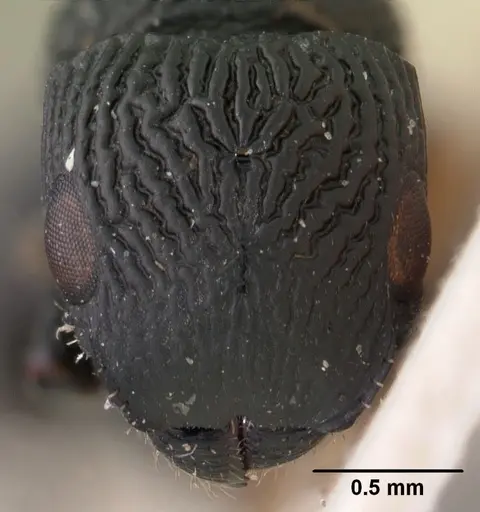
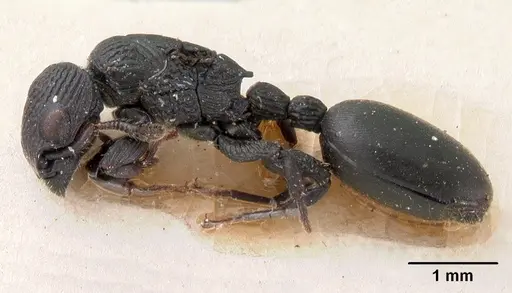
CASENT0129783
Ver no AntWeb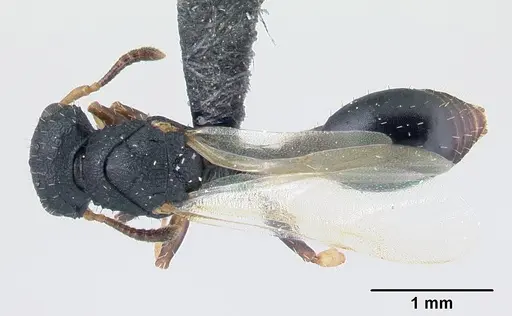
CASENT0138707
Ver no AntWeb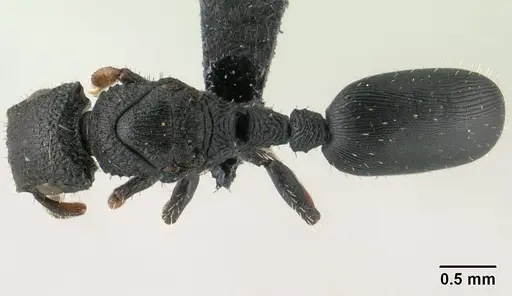
CASENT0178902
Ver no AntWeb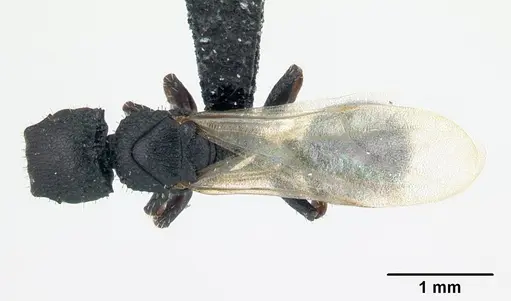
CASENT0274827
Ver no AntWeb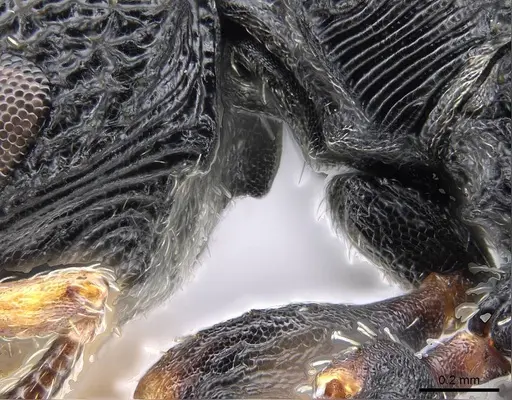
Literatura
Carregando mapa de distribuição...Carregando produtos...