
Cataulacus pilosus
- Nome científico
- Cataulacus pilosus
- Tribo
- Crematogastrini
- Subfamília
- Myrmicinae
- Autor
- Santschi, 1920
- Distribuição
- Encontrada em 1 países
Introdução
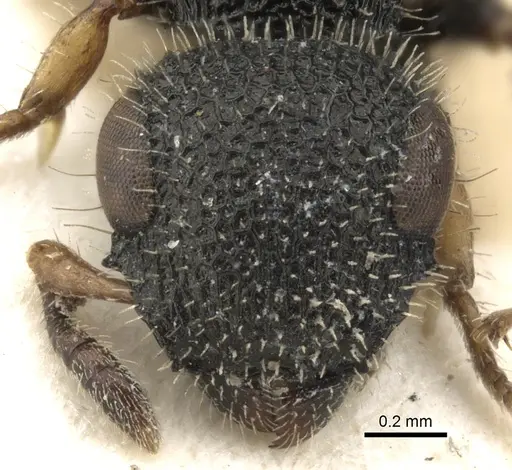
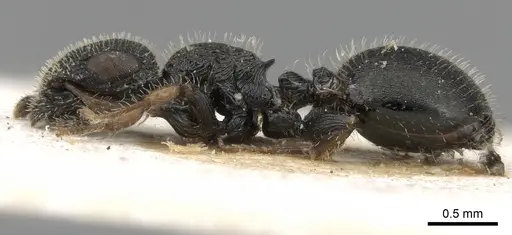
Cataulacus pilosus is an arboreal ant species documented from the Democratic Republic of Congo in Central Africa . The species name 'pilosus' refers to its distinctive hairy appearance. As a member of the genus Cataulacus, these ants are adapted to tree-dwelling lifestyles, with flattened body shapes that allow them to navigate narrow spaces within hollow twigs and branches. Workers are small ants that inhabit tropical forest environments where they nest in arboreal microhabitats .
Quick Summary
- Difficulty: Medium
- Origin & Habitat: Democratic Republic of Congo (DRC), Central Africa. This species is found in tropical forest environments where it nests in arboreal habitats such as hollow twigs and under bark [1].
- Colony Type: Colony structure is unconfirmed for this species.
- Size & Growth:
- Queen: Size data unavailable, inferred from Cataulacus genus patterns (~6-8mm)
- Worker: Size data unavailable, inferred from Cataulacus genus patterns (~4-6mm)
- Colony: Colony size data unavailable for this species
- Growth: Growth rate is unconfirmed
- Development: Development time is unconfirmed for this species (Specific development data for C. pilosus is not available)
- Antkeeping:
- Temperature: Keep at 24-28°C (tropical range). A gentle gradient is recommended, with the nest area at the warmer end of this range to support brood development.
- Humidity: Moderate to high humidity. Arboreal ants prefer damp but not waterlogged conditions. Provide moisture through a water reservoir or regular misting of the outworld, but ensure good ventilation to prevent mold.
- Diapause: No true diapause required due to tropical origin. A slight reduction in temperature during winter months (reducing to around 20-22°C) may simulate seasonal slowing.
- Nesting: Arboreal setup works best. These ants naturally nest in hollow twigs and small cavities. In captivity, they do well in Y-tong nests with narrow chambers or naturalistic setups with twigs and branches. Avoid large, open spaces, they prefer tight, enclosed chambers.
- Behavior: Generally calm and non-aggressive. As arboreal ants, they are skilled climbers and may escape if given the opportunity. They are omnivorous, feeding on honeydew and small insects. Workers are active foragers who will explore their outworld for food. Their small size means escape prevention is important, use fine mesh barriers and tight-fitting lids.
- Common Issues: escape prevention is critical due to their small size and arboreal climbing abilities, colonies may be slow to establish, patience is needed during the founding phase, wild-caught colonies may carry parasites that can cause colony failure in captivity, overfeeding can lead to mold problems in their arboreal setup, temperature drops below 20°C can slow or stop brood development
Natural History and Distribution
Cataulacus pilosus is documented from the Democratic Republic of Congo, specifically from province TO (likely Tshuapa region) based on historical collection records [1]. This species is part of a genus known for arboreal lifestyles, Cataulacus ants are often called tree ants or twig ants because they nest in hollow plant material rather than in soil. The genus is widespread across tropical Africa and Asia, with various species adapted to different forest microhabitats. In their natural habitat, these ants likely forage on tree trunks and branches, tending aphids for honeydew and hunting small insects. The hairy characteristic that gives this species its name is a distinguishing morphological feature within the genus.
Nest Preferences and Housing
In captivity, Cataulacus pilosus does best in setups that mimic their natural arboreal habitat. Y-tong nests with narrow chambers work well, these ants prefer tight, enclosed spaces rather than large open areas. You can also create a naturalistic setup with small twigs or branches where they can nest. The nest should be kept humid but with good ventilation to prevent mold buildup. A water reservoir attached to the nest helps maintain moisture levels. Since they are arboreal, they will often travel through tubes to access their outworld, so provide at least one connecting tube between nest and foraging area. Avoid nests with large chambers meant for ground-nesting species, these ants feel safer in compact spaces.
Feeding and Diet
Like most Cataulacus species, these ants are omnivorous. They readily accept sugar sources such as honey water or sugar water, which should be provided constantly in a small test tube or feeder. For protein, offer small insects like fruit flies, small mealworms, or cricket pieces. Live prey is preferred as it stimulates foraging behavior, but they will also accept pre-killed insects. Feed protein sources 2-3 times per week, removing any uneaten prey after 24 hours to prevent mold. Fresh water should always be available. The arboreal nature of this species means they often forage upward, so place food dishes elevated or on platforms in the outworld.
Temperature and Seasonal Care
As a tropical species from Central Africa, Cataulacus pilosus requires warm conditions. Keep the nest area at 24-28°C for optimal brood development. A small heating cable or mat on one side of the nest can create a gentle gradient, allowing ants to self-regulate their temperature preference. Be careful not to overheat, excessive heat can dry out the nest and harm the colony. During winter months, a slight reduction to around 20-22°C is acceptable, but avoid temperatures below 18°C for extended periods. Unlike temperate species, they do not require a true hibernation diapause, but the slight seasonal cooling may align with their natural cycle. Monitor colony activity, if workers become sluggish and cluster together, the temperature may be too low.
Behavior and Colony Dynamics
Cataulacus pilosus workers are generally calm and not prone to aggressive swarming. They are active foragers who will explore their environment systematically. As arboreal ants, they are excellent climbers and can squeeze through surprisingly small gaps, this makes escape prevention essential. Use fluon barriers on the outworld rim and ensure all connections are secure. The colony will likely grow gradually, with the queen producing small batches of eggs that develop into workers over several weeks. Once established, colonies can live for several years with proper care. Workers have a mild sting capability typical of the genus, but they are not aggressive toward keepers and rarely use it.
Frequently Asked Questions
How long does it take for Cataulacus pilosus to raise first workers?
Specific development time is unconfirmed for this species. Expect several months for the founding phase, the queen will lay eggs and raise brood alone until the first nanitic workers emerge.
What is the best nest type for Cataulacus pilosus?
Y-tong nests with narrow chambers work best. These ants prefer tight, enclosed spaces that mimic their natural hollow twig habitat. Avoid large, open formicarium designs meant for ground-nesting species.
Do Cataulacus pilosus ants sting?
They have the capability to sting but are not aggressive and rarely sting keepers. Their sting is mild compared to some other ant species. Handle gently and avoid provoking them.
How often should I feed Cataulacus pilosus?
Provide sugar water (honey water or sugar water) constantly, use a small test tube or feeder that you refill every few days. Offer protein (small insects) 2-3 times per week. Remove uneaten prey after 24 hours to prevent mold.
What temperature do Cataulacus pilosus need?
Keep them at 24-28°C for optimal brood development. A gentle gradient with one side slightly warmer allows the colony to self-regulate. Avoid temperatures below 18°C for extended periods.
Are Cataulacus pilosus good for beginners?
They are intermediate in difficulty. The main challenges are escape prevention (due to their small size and climbing abilities) and providing the right arboreal setup. If you have experience with other small arboreal ants, this species is manageable.
How big do Cataulacus pilosus colonies get?
Colony size data is unavailable for this specific species. Growth is moderate, expect several months to a year to establish a solid colony from founding.
Do Cataulacus pilosus need hibernation?
No true hibernation is required due to their tropical origin. A slight temperature reduction to around 20-22°C during winter months may simulate their natural seasonal cycle, but avoid cold temperatures below 18°C.
Why are my Cataulacus pilosus escaping?
This species is an excellent climber and will escape through tiny gaps. Use fluon barriers on all rim edges, ensure lid connections are tight, and use fine mesh (0.5mm or smaller) for any ventilation holes. Check connections between nest and outworld regularly.
Can I keep multiple queens together?
This is not recommended. While specific data for C. pilosus is lacking, most Cataulacus species are monogyne (single queen). Combining unrelated foundress queens often leads to fighting and colony failure.
What do Cataulacus pilosus eat in the wild?
In nature, they are omnivorous, feeding on honeydew from aphids and scale insects, and hunting small insects and arthropods. In captivity, replicate this with sugar sources and small live or pre-killed insects.
Is Cataulacus pilosus invasive anywhere?
There is no documentation of Cataulacus pilosus being invasive. Their native range is limited to the Democratic Republic of Congo in Central Africa. Always check local regulations before considering any ant species release.
Report an Issue
The current care sheet is based fully on literature. See inconsistencies, or something that's incorrect? Please , it will be resolved after review from an admin. Contributing to the blogs tab also helps providing information, to make us be able to further improve the caresheets. Thank you for your support!
References

Este guia de cuidados está sob a licença CC BY-SA 4.0 .
Posts da comunidade
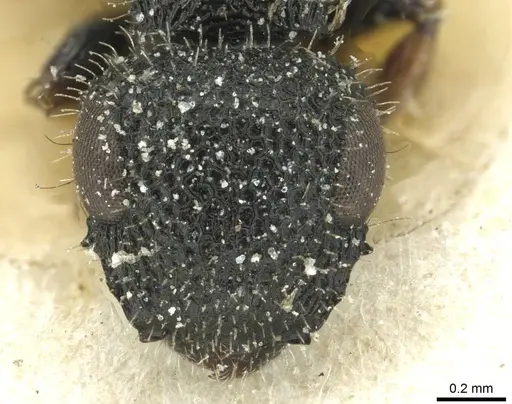
CASENT0280810
Ver no AntWeb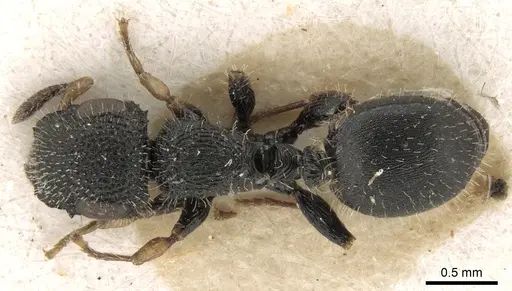
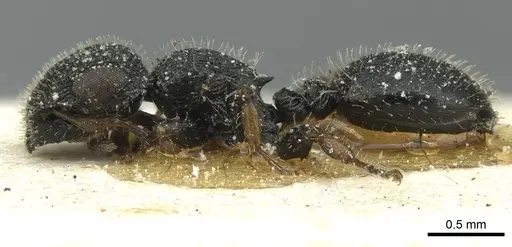
CASENT0912563
Ver no AntWeb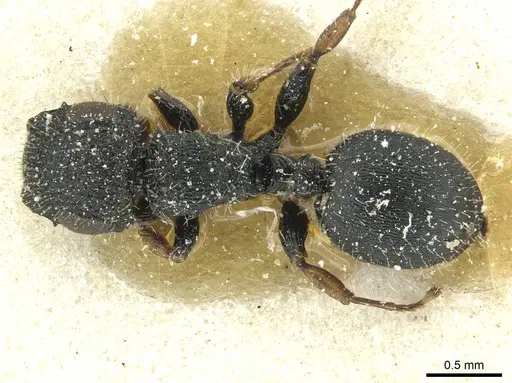
Literatura
Carregando mapa de distribuição...Carregando produtos...