
Cataulacus jeanneli
- Nome científico
- Cataulacus jeanneli
- Tribo
- Crematogastrini
- Subfamília
- Myrmicinae
- Autor
- Santschi, 1914
- Distribuição
- Encontrada em 2 países
Introdução
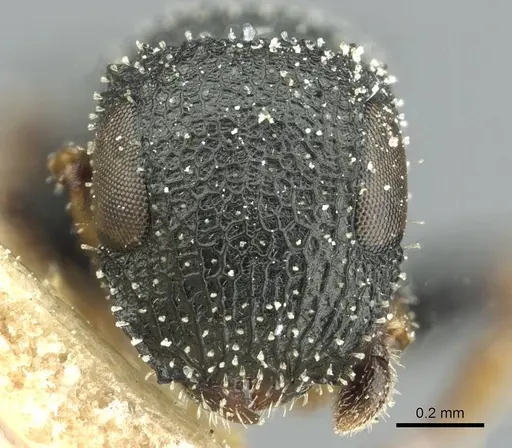
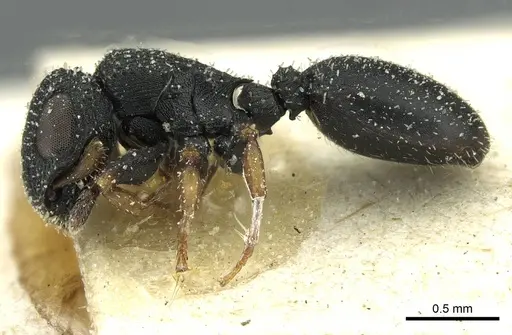
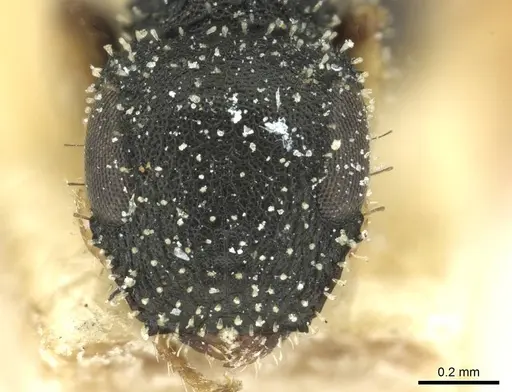
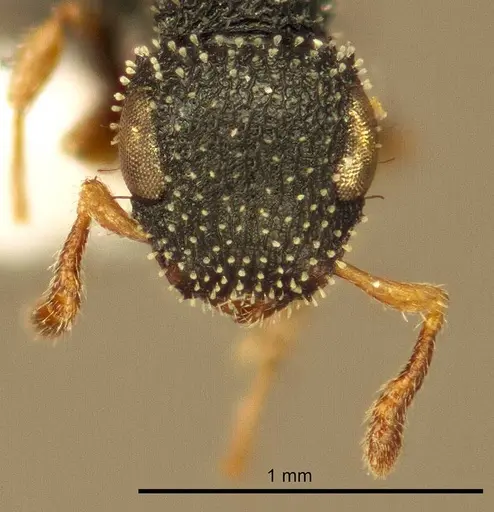
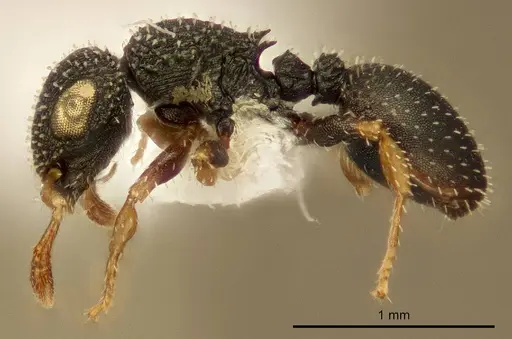
Cataulacus jeanneli is a tiny myrmicine ant native to East Africa. Workers measure 2.5mm in total length and have a distinctive black body with yellowish-red antennae (scape), knee joints, tibiae, and tarsae. This species is arboreal, living in trees and shrubs rather than on the ground. In the wild, they nest in hollow twigs, branches, and pre-existing cavities in wood. They've been recorded in coastal Kenya (Gazi, south of Mombasa), Rwanda's Akagera National Park, and the Democratic Republic of Congo . As a Cataulacus species, these ants are specialized cavity-nesters. Their small size and arboreal lifestyle set them apart from typical ground-nesting ants. They're relatively peaceful and not known for aggressive behavior.
Quick Summary
- Difficulty: Medium
- Origin & Habitat: East Africa, found in coastal Kenya (Gazi, south of Mombasa), Rwanda (Akagera National Park), and the Democratic Republic of Congo. They live in arboreal habitats, nesting in hollow twigs and branches [1][2][3].
- Colony Type: Colony structure is unconfirmed. Based on genus patterns, likely single-queen (monogyne) colonies.
- Size & Growth:
- Queen: Size data unavailable, not directly measured in available research
- Worker: 2.5mm [1]
- Colony: Unknown, no colony size data available
- Growth: Unknown, no development data available
- Development: Unknown, no species-specific data available (Development timeline has not been studied for this species.)
- Antkeeping:
- Temperature: Keep around 24-28°C. Being from tropical East Africa, they prefer warm conditions. A heating cable on one side of the nest creates a suitable gradient.
- Humidity: Moderate to high. As arboreal ants nesting in wood, they need some moisture but not saturation. Keep the nest substrate slightly moist but allow some drying areas.
- Diapause: Likely no true diapause. Being from tropical Africa, they probably remain active year-round with slightly reduced activity in cooler months.
- Nesting: Arboreal specialists, they need cavities to nest in. Hollow twigs, wooden formicariums, or acrylic nests with narrow chambers work well. Avoid large open spaces, they prefer tight, enclosed spaces.
- Behavior: Generally peaceful and not aggressive. Workers are small at 2.5mm and unlikely to sting. They are arboreal and will explore their surroundings but are not known escape artists compared to some tiny ants. They likely feed on honeydew from aphids and scale insects, plus small insects.
- Common Issues: very small size means escape prevention matters, use fine mesh and tight-fitting lids, lack of species-specific care data means you may need to experiment with conditions, arboreal nesting requirements differ from typical ground-nest setups, no documented development timeline makes growth tracking uncertain, wild-caught colonies may have parasites that affect captivity
Housing and Nest Setup
Cataulacus jeanneli requires arboreal-style housing. These ants naturally nest in hollow twigs and branches, so provide them with narrow cavities. Wooden formicariums or acrylic nests with small chambers work well. Avoid large, open spaces, they prefer tight, enclosed areas that mimic their natural twig nests. Test tubes can work for founding colonies if the cotton is positioned to create a small chamber. For established colonies, consider a naturalistic setup with actual twigs or small branches connected to a foraging area. Ensure excellent escape prevention despite their small size, 2.5mm workers can still squeeze through tiny gaps. [1]
Feeding and Diet
Based on typical Cataulacus behavior, these ants are likely omnivorous with a preference for honeydew and small prey. Offer sugar water or honey water as a constant energy source. For protein, provide small live prey like fruit flies, pinhead crickets, or tiny insects. They may also accept protein jelly or other prepared ant foods. Feed protein 2-3 times per week, and keep sugar sources available at all times. Remove uneaten prey after 24-48 hours to prevent mold.
Temperature and Humidity
Being from tropical East Africa, Cataulacus jeanneli prefers warm temperatures around 24-28°C. Use a heating cable on one side of the nest to create a temperature gradient so workers can choose their comfort zone. For humidity, aim for moderate levels. Keep the nest substrate slightly moist but allow portions to dry out. Avoid both excessive dryness and waterlogging. Good ventilation helps prevent mold while maintaining appropriate humidity. [2]
Colony Development and Growth
No species-specific development data exists for Cataulacus jeanneli. The queen has not been measured. Monitor colony health through worker activity levels and brood development. If workers cluster near heat, slightly increase temperature, if they avoid heated areas, reduce it.
Behavior and Temperament
Cataulacus jeanneli workers are tiny at 2.5mm and generally peaceful. They're not known for aggressive behavior or stinging. As arboreal ants, they're comfortable climbing and exploring vertical surfaces. Workers will likely forage for honeydew and small prey. While small, they're not extreme escape artists. Still, use proper escape prevention with tight-fitting lids. Their arboreal nature means they do well with climbing structures in their formicarium. [1]
Frequently Asked Questions
How long does it take for Cataulacus jeanneli to produce first workers?
The exact timeline is unknown for this species. No species-specific development data is available.
What do Cataulacus jeanneli ants eat?
Based on typical Cataulacus behavior, they likely eat honeydew from aphids and scale insects, plus small insects. In captivity, offer sugar water or honey water constantly, and protein sources like fruit flies or small crickets 2-3 times per week.
What temperature do Cataulacus jeanneli ants need?
Keep them warm at 24-28°C. Being from tropical East Africa, they prefer warm conditions. A heating cable on part of the nest creates a gradient for workers to regulate their temperature.
Are Cataulacus jeanneli ants good for beginners?
This species is rated Medium difficulty. While generally peaceful, the lack of species-specific care data means you'll be working from genus-level estimates rather than proven protocols.
Can I keep Cataulacus jeanneli in a test tube?
Yes, test tubes work for founding colonies. Create a small water reservoir with cotton, but keep the chamber tight, these arboreal ants prefer enclosed spaces. Move to a proper nest (wooden or acrylic with small chambers) once the colony reaches 10-15 workers.
Do Cataulacus jeanneli ants sting?
Workers are very small at 2.5mm and unlikely to sting or cause any pain to humans. They're considered peaceful and non-aggressive.
How big do Cataulacus jeanneli colonies get?
Colony size is unknown, no published data exists. Based on genus patterns, expect moderate-sized colonies rather than massive supercolonies.
Do Cataulacus jeanneli need hibernation?
Probably not. Being from tropical Africa (Kenya, Rwanda, DRC), they likely don't require a true diapause. They may show slightly reduced activity in cooler months but shouldn't need hibernation treatment.
What type of nest is best for Cataulacus jeanneli?
Arboreal-style nests work best, narrow chambers that mimic hollow twigs. Wooden formicariums, acrylic nests with small passages, or even actual hollow twigs connected to a foraging area. Avoid large open spaces.
Why are my Cataulacus jeanneli dying?
Common causes include: temperature too cold (below 24°C), humidity extremes (too dry or waterlogged), poor escape prevention allowing escapes, or stress from too much handling. Check these parameters first. Also consider parasites if the colony was wild-caught.
Report an Issue
The current care sheet is based fully on literature. See inconsistencies, or something that's incorrect? Please , it will be resolved after review from an admin. Contributing to the blogs tab also helps providing information, to make us be able to further improve the caresheets. Thank you for your support!
References

Este guia de cuidados está sob a licença CC BY-SA 4.0 .
Posts da comunidade
CASENT0250300
Ver no AntWeb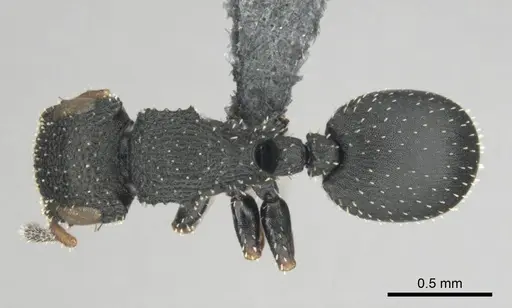
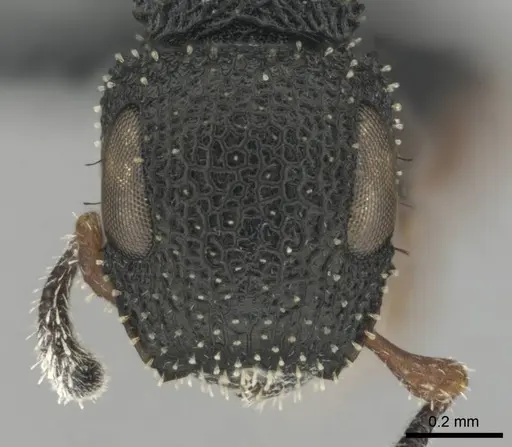
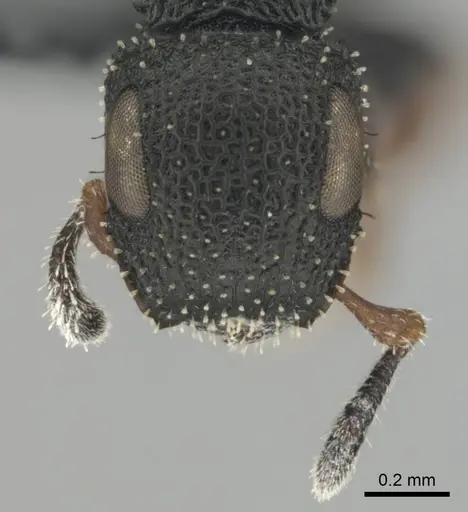
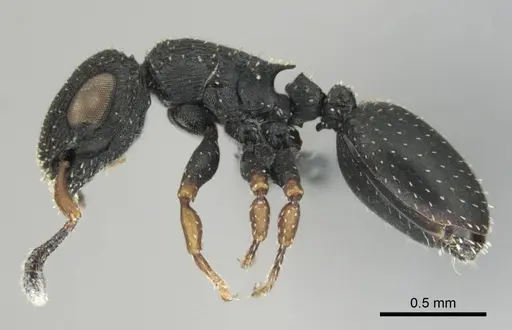
CASENT0280811
Ver no AntWeb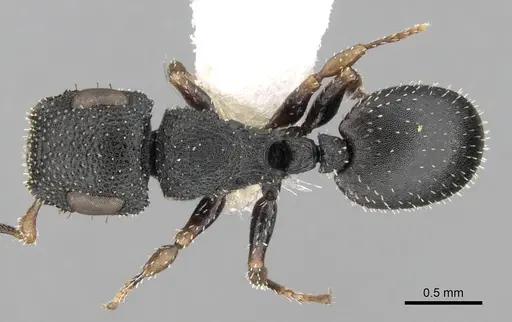
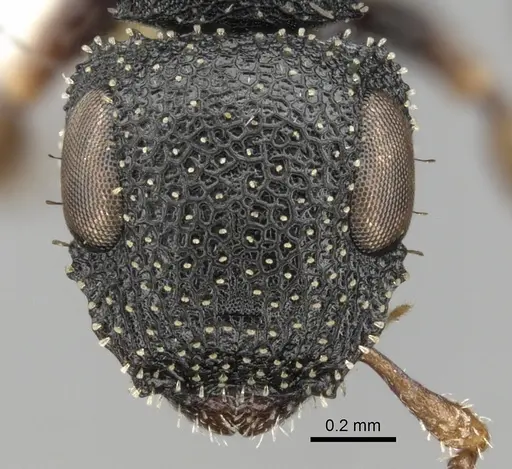
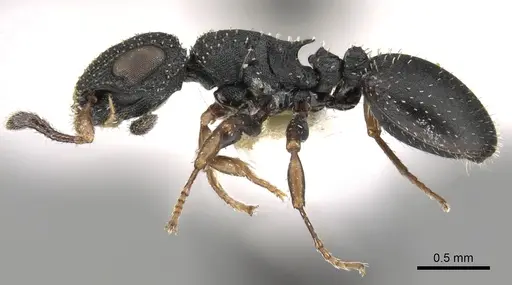
CASENT0912558
Ver no AntWeb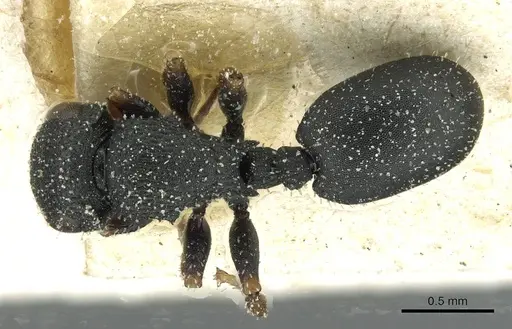
CASENT0912559
Ver no AntWeb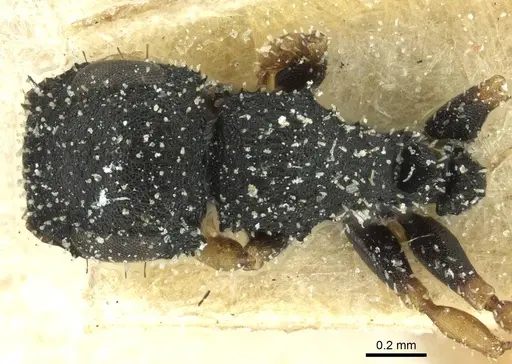
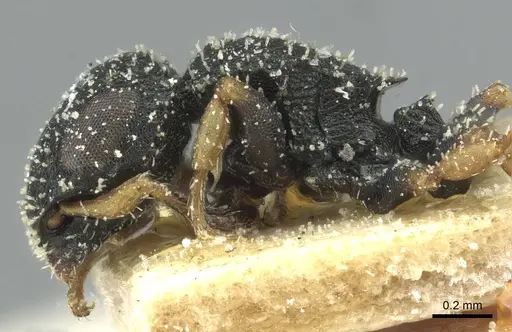
CASENT0922500
Ver no AntWeb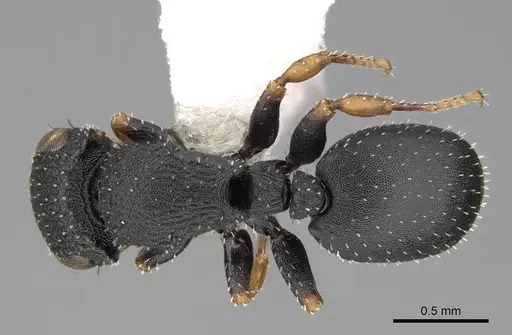
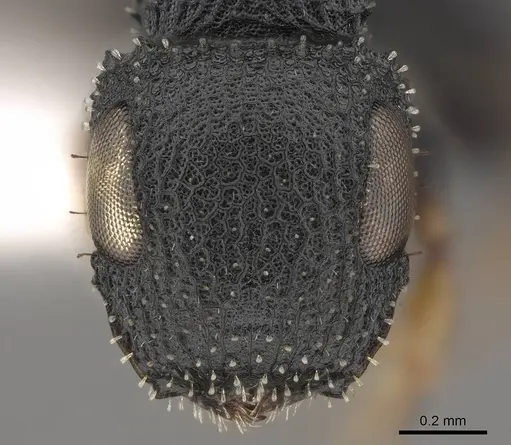
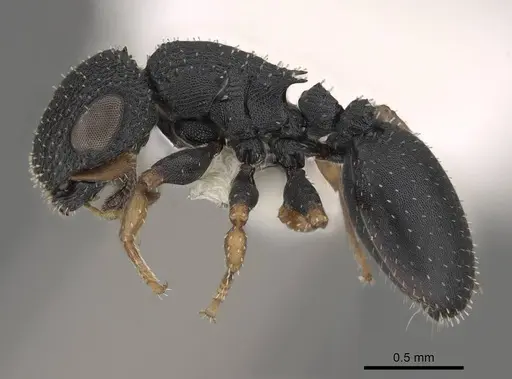
ZMUC00045110
Ver no AntWeb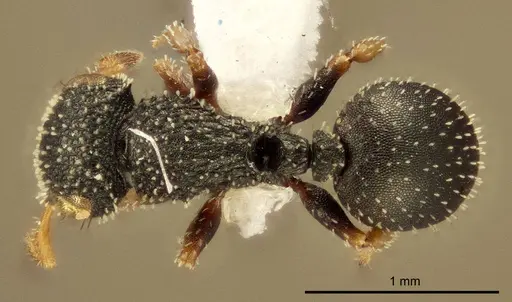
Literatura
Carregando mapa de distribuição...Carregando produtos...