
Cataglyphis asiriensis
- Nome científico
- Cataglyphis asiriensis
- Tribo
- Formicini
- Subfamília
- Formicinae
- Autor
- Collingwood, 1985
- Distribuição
- Encontrada em 0 países
Introdução
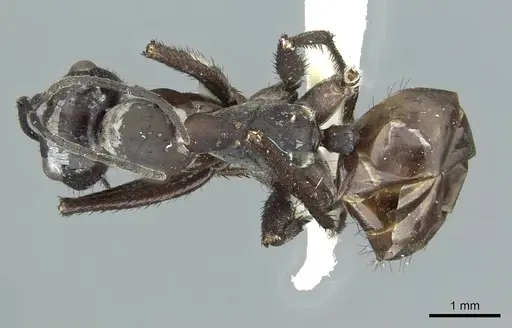
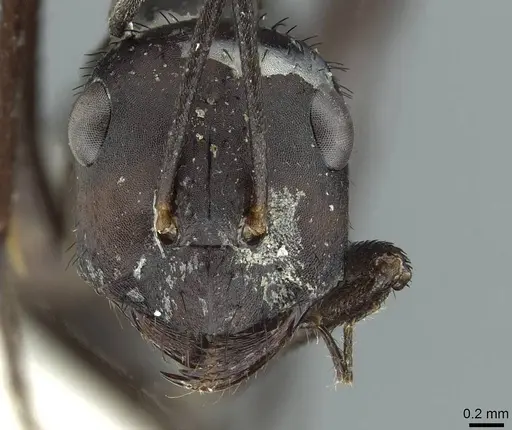
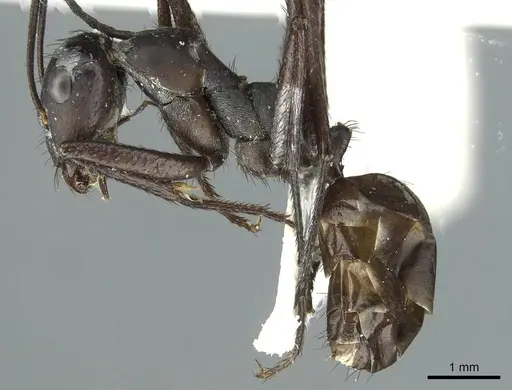
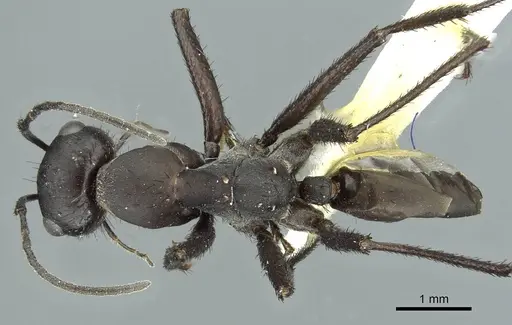
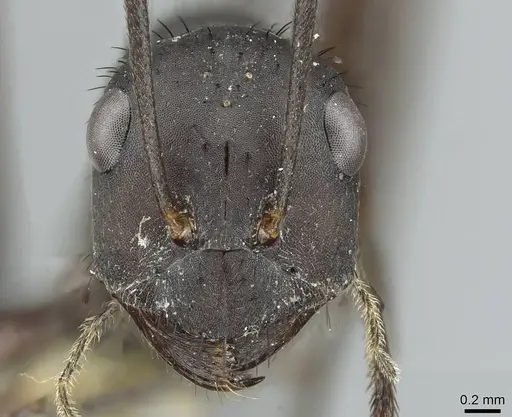
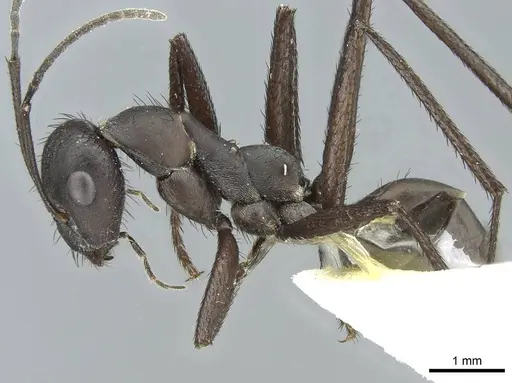
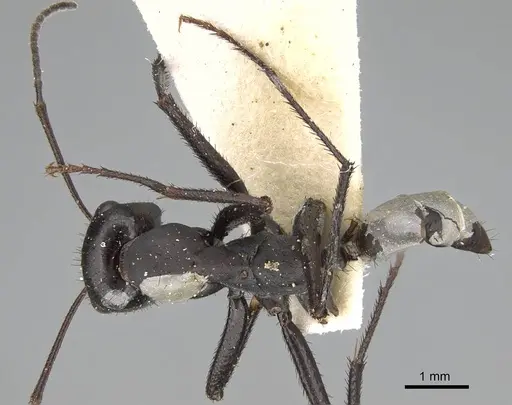
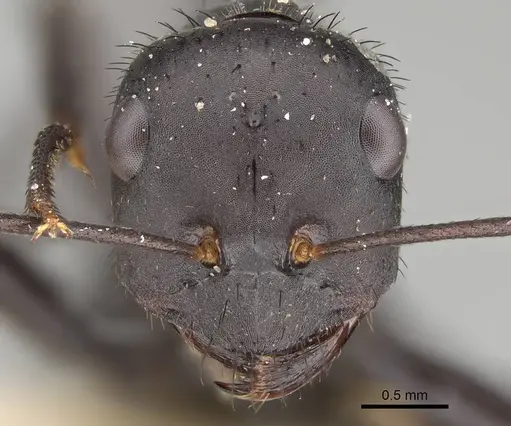
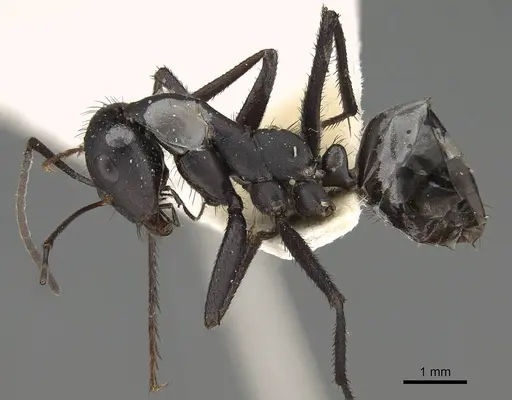
Cataglyphis asiriensis is a small to medium-sized desert ant belonging to the altisquamis species group. Workers have distinctive black setae covering their legs and body, with long erect hairs on the femora, tibiae, and mesosoma. This species is known only from Saudi Arabia, where it inhabits arid desert environments. Like other Cataglyphis ants, they are fast-moving diurnal foragers adapted to extreme heat. The species was formally described in 2021 from Iranian specimens, though its range extends into Saudi Arabia .
Quick Summary
- Difficulty: Medium
- Origin & Habitat: Saudi Arabia, arid desert environments [2][1]
- Colony Type: Likely single-queen colonies based on typical Cataglyphis patterns. Colony structure is unconfirmed for this species.
- Size & Growth:
- Queen: ~7-9mm, inferred from genus Cataglyphis patterns
- Worker: ~4-6mm, inferred from genus patterns
- Colony: Unknown for this species, likely several hundred workers based on related Cataglyphis species
- Growth: Moderate, inferred from genus patterns
- Development: ~6-10 weeks at optimal temperature, inferred from related species (Development timeline is not directly studied for this species. Estimates based on typical Cataglyphis genus development patterns.)
- Antkeeping:
- Temperature: Keep warm, around 24-30°C. Cataglyphis are desert ants adapted to high temperatures, a heating cable on one side of the nest creates a comfortable gradient.
- Humidity: Keep dry, these are desert ants adapted to arid conditions. Provide a small water tube but avoid damp substrate. Think sandy desert, not rainforest.
- Diapause: Likely reduced or absent, most Cataglyphis species from temperate regions require a winter rest period. However, this species from Saudi Arabia may have reduced or no diapause needs. Further study needed.
- Nesting: Provide a dry nest environment. Y-tong (AAC) nests or plaster nests work well for desert species. Avoid overly humid conditions. A test tube setup with minimal water reservoir is suitable for founding colonies.
- Behavior: Active and fast-moving foragers. They are diurnal, foraging during the cooler parts of the day in their natural habitat. Likely not aggressive but will defend the colony if threatened. Escape prevention is important, they are quick and may attempt to escape if given the opportunity. Use standard barrier methods like fluon on test tube rims.
- Common Issues: limited data, this is a newly described species with minimal research, so care recommendations are largely inferred from genus patterns, desert species are sensitive to humidity, keeping them too wet can cause colony failure, heating requirements may be higher than typical ants due to their desert origin, growth rate may be slow during cooler periods, maintain warm temperatures for best development, escape risk due to their fast movement and small size
Natural History and Distribution
Cataglyphis asiriensis is known from Saudi Arabia and represents a relatively newly described species within the altisquamis species group. This group contains desert-adapted ants characterized by their distinctive setae (stiff hairs) covering the legs and body. In their natural habitat, these ants inhabit arid desert regions where they have adapted to extreme temperature fluctuations between day and night. They are diurnal foragers, typically active during the cooler morning and evening hours when surface temperatures are more manageable. Workers search for food items including dead insects, honeydew, and other organic matter they can scavenge. The specific nesting habits in the wild are not documented, but related Cataglyphis species typically nest in sandy soil under stones or in shallow burrows [1][2].
Housing and Nest Setup
For this desert species, keep housing dry and warm. A test tube setup works well for founding colonies, use a small water reservoir (about 1-2cm) with a cotton plug to create a humidity gradient. The ants will use the drier end of the tube. For established colonies, a Y-tong (AAC) nest or plaster nest provides better space while maintaining dry conditions. Avoid naturalistic setups with soil unless you can keep it very dry. Place the nest in a warm area of your ant room, around 24-30°C. A heating cable on one side of the nest creates a temperature gradient that allows ants to regulate their own temperature by moving between warmer and cooler areas. Always ensure excellent escape prevention, these fast-moving ants will find any gap in your setup.
Feeding and Diet
Cataglyphis asiriensis is likely an omnivorous scavenger like other members of the genus. Offer protein sources such as small insects (fruit flies, small crickets, mealworms) and provide sugar water or honey as an energy source. In the wild, these ants are active foragers that scavenge for dead insects and collect honeydew from aphids. Feed every 2-3 days, removing uneaten prey after 24 hours to prevent mold. A constant sugar water supply is recommended for active foragers. Observe your colony's preferences, some individuals may favor protein over sugar sources.
Temperature and Seasonal Care
As a desert species from Saudi Arabia, this ant prefers warm conditions. Maintain temperatures between 24-30°C for optimal colony development. Unlike temperate species, this ant may not require a traditional hibernation period, though some keepers report reduced activity during winter months even without explicit diapause. If your colony becomes less active in winter, simply lower temperatures slightly (to around 18-20°C) for 2-3 months rather than a full hibernation. Avoid temperatures below 15°C. Monitor colony behavior, if workers become sluggish, slightly increase heating. The key is providing a warm, stable environment that mimics their desert origin.
Colony Development
This is a newly described species, so specific development timelines are not documented in scientific literature. Based on typical Cataglyphis patterns, expect claustral founding where the queen seals herself in a small chamber and raises the first brood alone using stored fat reserves. The first workers (nanitics) will be smaller than mature workers and typically appear within 6-10 weeks under warm conditions. After the first workers emerge, the colony will gradually grow. Growth rate is moderate, do not expect rapid expansion. Patience is key with this species. Colony size likely reaches several hundred workers at maturity, though this is estimated based on related species rather than documented for C. asiriensis specifically.
Frequently Asked Questions
How long does it take for Cataglyphis asiriensis to produce first workers?
The exact timeline is not documented for this species, but based on typical Cataglyphis development, expect first workers (nanitics) to emerge in 6-10 weeks after the queen lays eggs, provided temperatures are kept warm (24-30°C).
What do Cataglyphis asiriensis ants eat?
They are omnivorous scavengers. Offer small insects (fruit flies, pinhead crickets, mealworms) for protein and sugar water or honey for energy. Feed every 2-3 days and remove uneaten prey.
Do Cataglyphis asiriensis ants need hibernation?
Likely not a full hibernation. As a desert species from Saudi Arabia, they may have reduced diapause needs. If activity decreases in winter, a slight temperature reduction to 18-20°C for 2-3 months is sufficient.
Can I keep multiple Cataglyphis asiriensis queens together?
This has not been studied for this specific species. Based on typical Cataglyphis behavior, they are likely single-queen colonies. Combining unrelated queens is not recommended.
What temperature is best for Cataglyphis asiriensis?
Keep them warm, around 24-30°C. A temperature gradient allowing them to choose their preferred warmth level is ideal. Avoid temperatures below 15°C.
Are Cataglyphis asiriensis good for beginners?
This species is rated Medium difficulty. While not the most challenging species, the limited specific data and desert-care requirements make it better suited for keepers who already have some experience with ant keeping.
How big do Cataglyphis asiriensis colonies get?
Colony size is not documented for this species. Based on related Cataglyphis species, expect colonies of several hundred workers at maturity.
When should I move my colony to a formicarium?
Move to a larger setup (Y-tong or plaster nest) once the colony reaches 20-30 workers and the test tube space becomes cramped. Ensure the new setup maintains dry, warm conditions.
Why are my Cataglyphis asiriensis dying?
Common causes include excessive humidity (these are desert ants, keep them dry), temperatures that are too low, or poor escape prevention. Review your setup and ensure conditions match their desert habitat needs.
Report an Issue
The current care sheet is based fully on literature. See inconsistencies, or something that's incorrect? Please , it will be resolved after review from an admin. Contributing to the blogs tab also helps providing information, to make us be able to further improve the caresheets. Thank you for your support!
References

Este guia de cuidados está sob a licença CC BY-SA 4.0 .
Posts da comunidade
Literatura
Carregando mapa de distribuição...Carregando produtos...