
Carebara bouvardi
- Nome científico
- Carebara bouvardi
- Tribo
- Crematogastrini
- Subfamília
- Myrmicinae
- Autor
- Santschi, 1913
- Distribuição
- Encontrada em 0 países
Introdução
Carebara bouvardi is a tiny myrmicine ant species originally described from Vietnam, specifically the Cochinchine region (modern-day Ho Chi Minh City area). Workers are among the smallest in the ant world, measuring approximately 1-2mm. The genus Carebara contains some of the smallest ants known, often called 'miniature ants'. This species remains poorly studied, with most records coming from the original description and regional ant surveys in Vietnam . Given the limited research on this specific species, care recommendations are based on typical Carebara genus behavior. These are cryptic, ground-nesting ants that prefer warm, humid conditions similar to their tropical forest floor habitat in southern Vietnam.
Quick Summary
- Difficulty: Medium
- Origin & Habitat: Vietnam (Indomalaya Region), specifically recorded from the Ho Chi Minh City area (Mi Tho and Saigon) [1]. Found in tropical forest habitats in the Cochinchine region of southern Vietnam.
- Colony Type: Unconfirmed, colony structure has not been documented for this species.
- Size & Growth:
- Queen: Size data unavailable, no specific measurements exist for this species
- Worker: Approximately 1-2mm (very small, among the smallest ant species) [2]
- Colony: Maximum colony size is unknown, typical small Carebara species may reach several hundred workers
- Growth: Unknown, no specific study exists for this species
- Development: Unknown, no specific data available for this species (Development timeline is unconfirmed. Tropical Myrmicinae typically develop faster than temperate species, but exact timing for C. bouvardi is unknown.)
- Antkeeping:
- Temperature: Keep at 24-28°C (warm tropical conditions). A gentle heat gradient allows workers to regulate their temperature. Room temperature in most homes may be too cool, consider a heating cable on one side of the nest.
- Humidity: High humidity required, aim for 70-80% relative humidity. Keep the nest substrate consistently moist but not waterlogged. These ants come from a tropical region with high ambient moisture.
- Diapause: Unlikely, as a tropical Vietnamese species, they probably do not require true hibernation. However, a slight cool-down period (reducing to around 20°C for 2-3 months in winter) may help simulate seasonal patterns if the colony shows reduced activity.
- Nesting: Natural nesting occurs in soil and rotting wood in tropical forest floors. In captivity, a test tube setup works well for founding colonies. For established colonies, a Y-tong or plaster nest with small chambers scaled to their tiny size is ideal. Keep nesting material consistently moist.
- Behavior: These are tiny, cryptic ants that spend most of their time hidden in the nest or foraging quietly. Workers are very small and may be overlooked, they likely forage in narrow spaces and through soil. Escape prevention is critical due to their minute size, standard test tube cotton can be too loose, consider using fine mesh barriers. They are not aggressive and rarely sting. Colonies are likely slow to establish initially due to their tiny size and the small number of founding workers.
- Common Issues: escape prevention is critical, their tiny size allows them to squeeze through gaps too small for most ants, slow colony growth can frustrate beginners, these ants take time to build numbers, high humidity requirements can lead to mold problems if ventilation is poor, wild-caught colonies may be difficult to locate due to their cryptic nesting habits, small colony size means they are vulnerable to disturbance, keep founding colonies in quiet, dark locations
Housing and Nest Setup
Carebara bouvardi requires careful housing due to its extremely small worker size. For founding colonies, a standard test tube setup works well, fill the tube one-third with water, push cotton to create a water reservoir, and place the queen in the open end. The tiny workers can sometimes squeeze through standard cotton, so consider using a double-cotton barrier or fine mesh over the tube opening. For established colonies, a Y-tong nest with small chambers or a plaster nest works well. The chambers should be appropriately scaled to their tiny size, narrow passages and small rooms suit them better than large open spaces. Keep the nest humid but ensure some dry areas exist so ants can self-regulate their moisture exposure. [2]
Feeding and Diet
Like most Carebara species, these ants are likely omnivorous with a preference for small protein sources. Offer small live prey such as fruit flies, pinhead crickets, or tiny insects. They will likely accept sugar water or honey as an energy source, though this should be offered in very small amounts on cotton or a sponge to prevent drowning. Feed small amounts of protein 2-3 times per week, removing any uneaten prey after 24 hours. Due to their tiny size, even small prey items represent a significant meal, adjust portion sizes accordingly. A constant sugar water supply is recommended for established colonies.
Temperature and Humidity
Carebara bouvardi originates from tropical southern Vietnam, so warm and humid conditions are essential. Maintain temperatures between 24-28°C during the active season. A heating cable placed on one side of the nest creates a temperature gradient, allowing ants to move between warmer and cooler areas. Humidity should remain high at 70-80%. The nest substrate should feel consistently moist but never waterlogged, standing water in the outworld is a sign of overwatering. Mist the outworld occasionally, but focus on maintaining moisture in the nest itself. Poor temperature or humidity can slow colony growth significantly or cause colony decline. [1]
Colony Establishment and Growth
This species produces small colonies, the maximum worker count is unknown but typical small Carebara species reach several hundred workers. Growth is likely slow initially, as the queen raises her first few workers (nanitics) alone. These first workers will be very small. Once the colony reaches 20-30 workers, growth typically accelerates as more foragers can gather food. Be patient with founding colonies, it may take 6-12 months to reach 50 workers. Colonies at this size are still vulnerable to stress, so minimize disturbances. Avoid checking the nest too frequently during the founding stage. The queen should be left alone to care for her brood in a dark, quiet location.
Handling and Temperament
Carebara bouvardi is a calm, non-aggressive species. Workers are too small to sting humans effectively, and they are not known for defensive behavior. However, their small size makes them excellent escape artists. Use fluon or similar barriers on the rim of any outworld, and ensure all connections between nest and outworld are sealed with cotton or fine mesh. When cleaning the outworld or transferring colonies, do so gently, these tiny ants are fragile and can be crushed easily. Use soft-bristled brushes rather than forceps when moving workers.
Frequently Asked Questions
How long does it take for Carebara bouvardi to produce first workers?
This is unknown, no specific study exists for this species. Based on typical tropical Myrmicinae development, first workers might appear around 6-8 weeks at optimal temperatures (24-28°C), but this is purely speculative.
What do Carebara bouvardi ants eat?
They likely accept small live prey (fruit flies, tiny crickets, springtails) and sugar sources (honey water, sugar water). Feed protein 2-3 times per week and keep a constant sugar water supply available.
Are Carebara bouvardi ants good for beginners?
This species is rated as medium difficulty. While not aggressive, their tiny size makes escape prevention challenging, and their specific humidity and temperature needs require attention. Beginners should be prepared for slower colony growth compared to more common species.
Do Carebara bouvardi ants need hibernation?
As a tropical species from Vietnam, they likely do not require true hibernation. However, a slight cool-down period (reducing to around 20°C for 2-3 months in winter) may benefit colonies by simulating natural seasonal patterns.
How big do Carebara bouvardi colonies get?
The maximum colony size is unknown for this species. Typical small Carebara species may reach several hundred workers at maturity, but this is an estimate based on genus patterns.
What temperature should I keep Carebara bouvardi at?
Keep the nest at 24-28°C during the active season. A heating cable on one side of the nest creates a gradient. Avoid temperatures below 20°C for extended periods.
Can I keep multiple Carebara bouvardi queens together?
This is unconfirmed for this species. Colony structure has not been documented. Do not combine unrelated queens unless you have specific evidence they will accept each other.
Why are my Carebara bouvardi ants escaping?
Their tiny size allows them to squeeze through gaps that larger ants cannot. Use fine mesh barriers, fluon on rim edges, and ensure all connections are tightly sealed. Check test tube cotton barriers, standard cotton may be too loose for their size.
When should I move Carebara bouvardi to a formicarium?
Wait until the colony has at least 30-50 workers and is actively using an outworld for foraging. Moving too early can stress founding colonies. A test tube setup can house colonies up to 100+ workers if they have adequate space.
Do Carebara bouvardi ants sting?
Workers are too small to effectively sting humans. They are not considered dangerous or aggressive. However, they may bite if handled roughly, though this is rare.
Report an Issue
The current care sheet is based fully on literature. See inconsistencies, or something that's incorrect? Please , it will be resolved after review from an admin. Contributing to the blogs tab also helps providing information, to make us be able to further improve the caresheets. Thank you for your support!
References

Este guia de cuidados está sob a licença CC BY-SA 4.0 .
Posts da comunidade
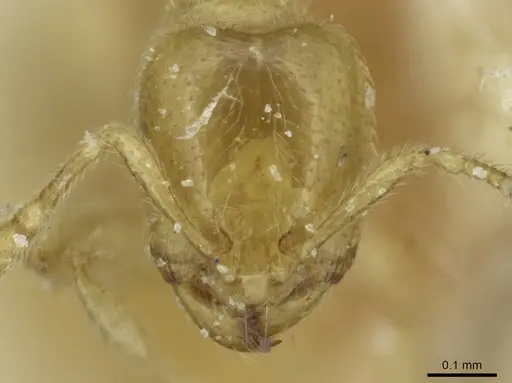
CASENT0913498
Ver no AntWeb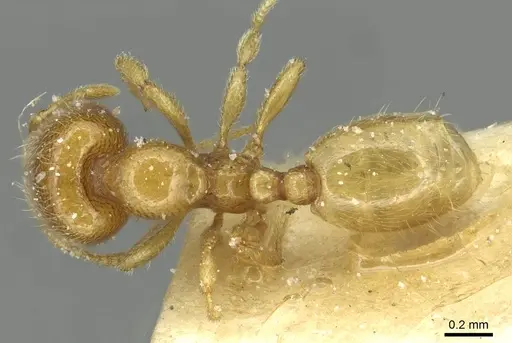
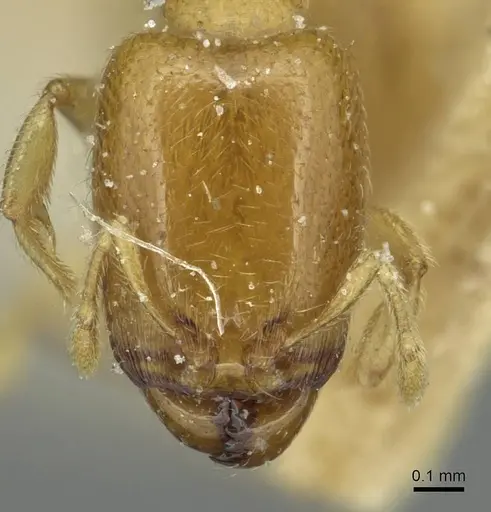
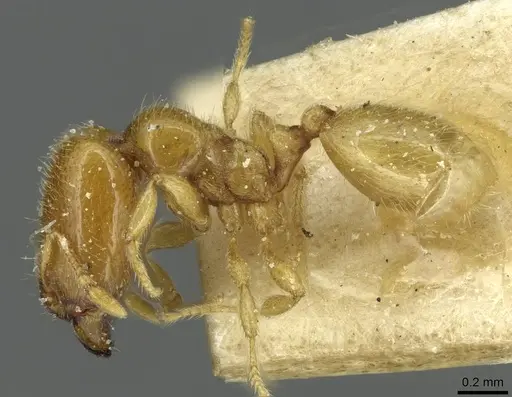
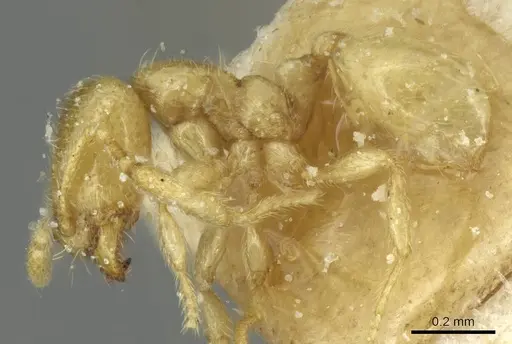
CASENT0913499
Ver no AntWeb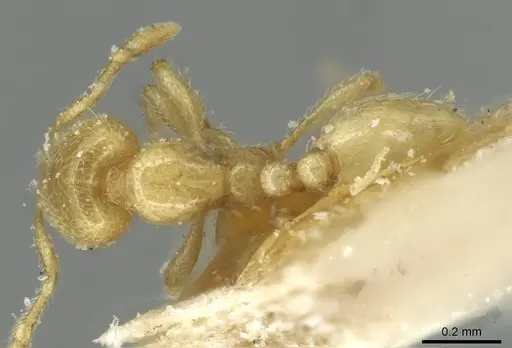
Literatura
Carregando mapa de distribuição...Carregando produtos...