
Cardiocondyla littoralis
- Nome científico
- Cardiocondyla littoralis
- Tribo
- Crematogastrini
- Subfamília
- Myrmicinae
- Autor
- Seifert, 2003
- Distribuição
- Encontrada em 1 países
Introdução
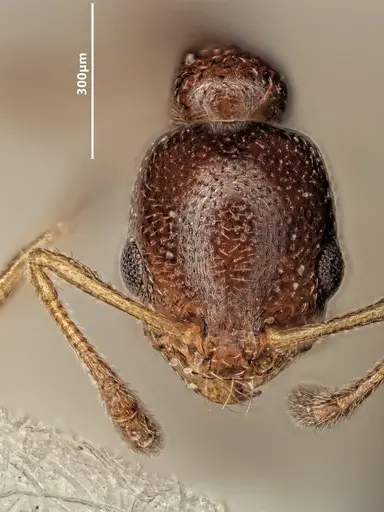
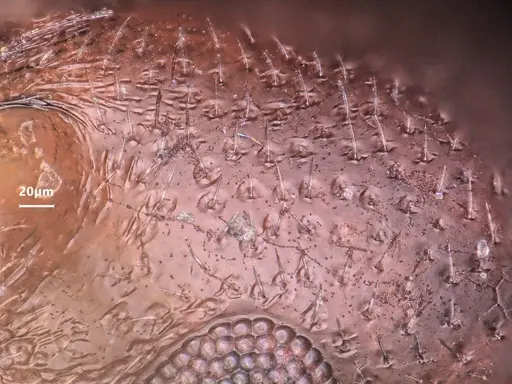
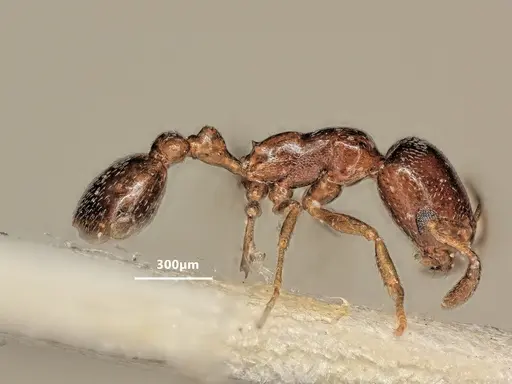
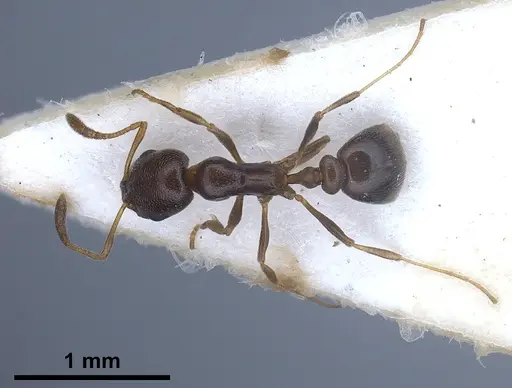
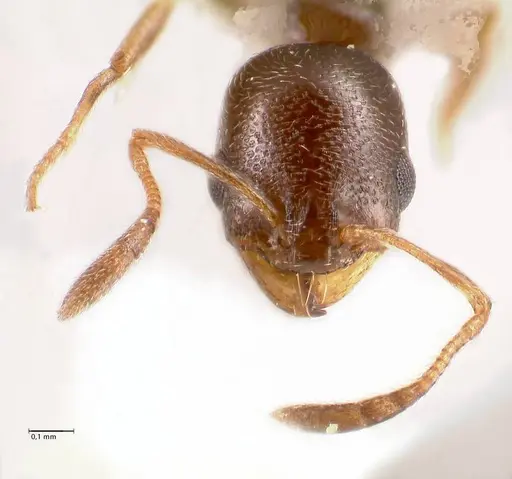
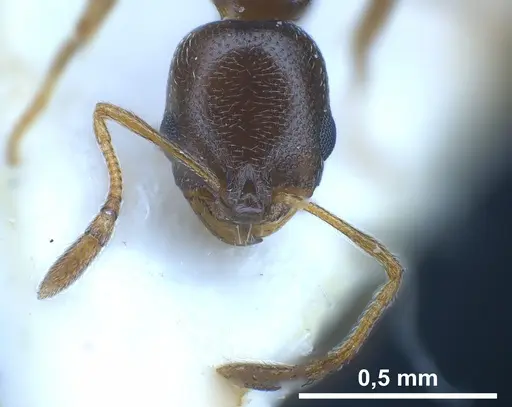
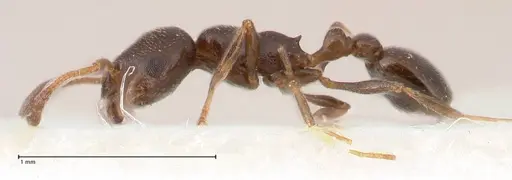
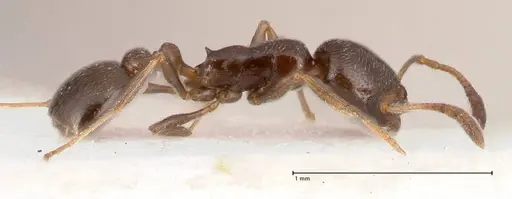
Cardiocondyla littoralis is an extremely tiny ant species, with workers among the smallest in the genus Cardiocondyla - inferred from the genus to be approximately 1.5-2mm total length . They belong to the C. ulianini species group and are only known from a single location in southeastern Kazakhstan near Sassy Kol lake [AntWiki]. Workers have a dark brown head, mesosoma, and gaster, with sometimes lighter yellowish waist segments . Their most distinguishing features include relatively large eyes, very short propodeal spines, and a narrow petiole . This species was discovered foraging on salty loess soil with sparse vegetation at a lake margin in semidesert habitat . As one of the rarest and least-studied ant species in captivity, they represent a true challenge for experienced antkeepers seeking something unique.
Quick Summary
- Difficulty: Expert
- Origin & Habitat: Southeastern Kazakhstan (46.6992°N, 80.5833°E, 356m elevation) near Sassy Kol lake margin. Habitat is semidesert with salty loess soil and very sparse vegetation [1][3][2].
- Colony Type: Unknown, only 5 workers from the type sample have ever been documented. Colony structure (single queen vs multiple queens) has not been studied [1].
- Size & Growth:
- Queen: Size data unavailable, no queens have been described in scientific literature [1]
- Worker: Size data unavailable, the context provides cephalic size (CS) measurements which represent head size only, not total body length. Inferred from Cardiocondyla genus to be approximately 1.5-2mm total length [1]
- Colony: Unknown, only 5 workers in the type sample represent the entire known dataset [1]
- Growth: Unknown
- Development: Unknown, no development data exists for this species (Development timeline has not been studied. Related Cardiocondyla species typically develop from egg to worker in 4-8 weeks at warm temperatures, but this is unconfirmed for C. littoralis.)
- Antkeeping:
- Temperature: Based on semidesert habitat: likely warm during active season. Start around 24-26°C with a gradient, adjusting based on colony activity. Related species tolerate 20-30°C range.
- Humidity: Based on habitat: dry to moderately humid. Keep nest substrate slightly moist but allow drying periods. Avoid overly damp conditions.
- Diapause: Likely yes, Kazakhstan has cold winters at 46.7°N latitude. Expect 2-3 months at 5-10°C during winter months.
- Nesting: No captive nesting data exists. Based on habitat: likely nests in soil or under stones in dry ground. Use a small test tube setup with minimal water reservoir, or a small Y-tong/plaster nest with tight chambers scaled to their tiny size.
- Behavior: No behavioral studies exist for this species. Based on related Cardiocondyla: likely peaceful, non-aggressive, and shy. They are extremely small, so escape prevention is critical, they can squeeze through gaps invisible to the naked eye. Expect slow, deliberate foraging behavior.
- Common Issues: only 5 workers ever documented, this species is exceptionally rare in the hobby and may not be available, extremely tiny size means standard test tube setups may have gaps that allow escape, no captive breeding data exists, establishing a colony may be extremely difficult, virtually no information on founding behavior, queen care, or colony development, related species can be outcompeted by more aggressive ants in shared setups
Why This Species Is So Challenging
Cardiocondyla littoralis represents one of the most poorly documented ant species in the antkeeping hobby. Only 5 workers from a single collection event in 2001 have ever been studied scientifically [1]. This means virtually everything about their captive care must be inferred from related species and general Cardiocondyla biology, there is no direct research on their founding behavior, colony development, temperature preferences, or social structure. The species was described in 2003 and remains known only from the type locality in southeastern Kazakhstan [1]. For antkeepers, this means you are essentially pioneering captive husbandry for a species that has never been kept in captivity before. Success would be a genuine contribution to antkeeping knowledge, but the risks of failure are high due to our complete lack of specific care data.
Natural Habitat and What It Tells Us
The type specimens were collected while foraging on the surface of salty loess soil near the margin of a lake in semidesert habitat [1]. This tells us several important things: they tolerate dry, salty conditions, their natural soil was described as 'salty loess' (loess is a fine wind-blown dust). The habitat had 'very sparse vegetation' indicating they prefer open, dry areas rather than lush forest. The elevation of 356m and latitude of 46.7°N in southeastern Kazakhstan means they experience continental climate with hot summers and cold winters. From this, we can infer they likely prefer drier nest conditions than many tropical ants, can tolerate temperature extremes, and probably have a winter dormancy period. The fact they were foraging on the surface suggests they are active foragers rather than strictly subterranean.
Size and What It Means for Housing
Workers are extremely small, the context provides cephalic size (CS) of 486 micrometers, which represents head size only. The actual total body length is inferred from the Cardiocondyla genus to be approximately 1.5-2mm [1]. To put this in perspective, a typical Lasius niger worker is about 10 times larger. This tiny size creates major housing challenges: standard test tube setups may have gaps that allow these ants to escape, even gaps that look sealed to the human eye can be passageways for ants this small. You will need exceptional escape prevention: fine mesh barriers, tightly sealed connections, and possibly oil barriers. Chambers and passages in any nest must be extremely small, a typical formicarium's tunnels would be like highways to these ants. A small test tube setup with a very tight cotton plug, or a custom-made nest with miniaturized chambers, would be most appropriate. Expect to need magnification to even see them clearly.
Inferred Care Guidelines
Since no captive data exists, care recommendations are based on the genus Cardiocondyla's general biology and this species' habitat: Temperature should be warm, start around 24-26°C during active season, with a slight gradient so ants can choose their preferred spot. Related species do well in this range. Humidity should be low to moderate, their natural habitat was dry and salty, so avoid damp, mold-prone setups. Keep the nest substrate slightly moist but allow it to dry between waterings. Diapause appears necessary given their Kazakhstan origin, expect 2-3 months of cold storage at 5-10°C during winter. Feeding will require equally tiny foods: offer very small prey items like springtails, fruit flies, or other micro-arthropods. Sugar water may be accepted but should be offered in very small quantities in a way that prevents drowning. Given how little we know, keeping detailed notes of any captive attempts would be valuable for advancing our understanding of this species. [1]
Finding and Acquiring This Species
Cardiocondyla littoralis is exceptionally rare in the antkeeping hobby, it may not be available at all from any commercial supplier. The species is only known from a single location in Kazakhstan and has never been intentionally cultivated for the hobby. If you do find a source, expect to pay a premium for the rarity. Alternatively, you could attempt to locate colonies at the type locality in Kazakhstan, but this would require significant effort and proper collecting permits. Given the extreme difficulty of obtaining this species and the complete lack of captive breeding data, most antkeepers would be better served by starting with more common Cardiocondyla species like Cardiocondyla obscurior or Cardiocondyla emeryi, which have established care protocols. However, if you do pursue C. littoralis and succeed in breeding them, you would be making a genuine contribution to antkeeping knowledge. [1]
Frequently Asked Questions
How long do Cardiocondyla littoralis workers live?
This has not been studied. We have no specific data for this species.
Can I keep multiple queens of Cardiocondyla littoralis together?
We don't know. The colony structure of this species has never been studied, we don't even know if they are single-queen or multi-queen colonies in the wild. Without any data, combining unrelated queens is not recommended.
What do Cardiocondyla littoralis eat?
No feeding observations exist for this species. Based on related Cardiocondyla, they likely accept small insects and honeydew. For captive care, offer tiny live prey like springtails or fruit flies, and small amounts of sugar water. Start with very small portions and observe acceptance.
Are Cardiocondyla littoralis ants aggressive?
No data exists, but Cardiocondyla species are generally peaceful and non-aggressive. Given their tiny size, they are unlikely to pose any threat to humans, they cannot sting effectively through human skin.
How big do Cardiocondyla littoralis colonies get?
Unknown. The largest known sample is just 5 workers. Related Cardiocondyla species typically form colonies of several hundred to a few thousand workers, but we have no data for this specific species.
Do Cardiocondyla littoralis need hibernation?
Likely yes, based on their Kazakhstan origin at 46.7°N latitude. They likely experience cold winters and would benefit from a 2-3 month diapause period at 5-10°C.
Are Cardiocondyla littoralis good for beginners?
No. This is an expert-level species due to: extremely tiny size requiring specialized housing, complete lack of captive care data, likely difficulty establishing colonies, and the need to pioneer husbandry techniques. Beginners should start with more documented species.
Where does Cardiocondyla littoralis live in the wild?
Only known from southeastern Kazakhstan near Sassy Kol lake (46.6992°N, 80.5833°E). They were found foraging on salty loess soil with sparse vegetation at a lake margin in semidesert habitat [1].
How do I set up a nest for such tiny ants?
Standard setups will not work. You need extremely tight chambers and passages, excellent escape prevention with fine mesh, and very small water reservoirs. Custom nests with miniaturized dimensions or carefully modified test tubes are your best options. Even tiny gaps that seem sealed can allow escape.
Why is Cardiocondyla littoralis so rarely kept?
This species is known only from 5 workers collected in 2001 and has never been documented in the antkeeping hobby. There is no captive breeding stock, no care data, and likely very few (if any) specimens ever exported. It represents a true frontier species for antkeeping.
Report an Issue
The current care sheet is based fully on literature. See inconsistencies, or something that's incorrect? Please , it will be resolved after review from an admin. Contributing to the blogs tab also helps providing information, to make us be able to further improve the caresheets. Thank you for your support!
References

Este guia de cuidados está sob a licença CC BY-SA 4.0 .
Posts da comunidade
ANTWEB1048520
Ver no AntWeb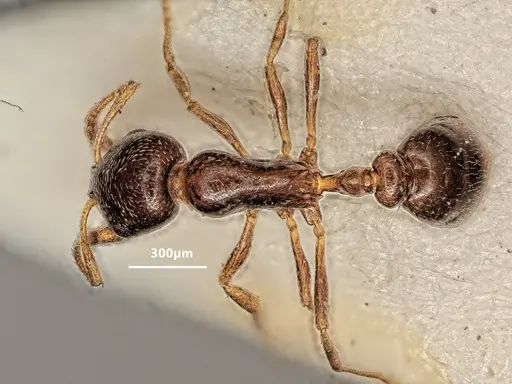
FOCOL0735
Ver no AntWeb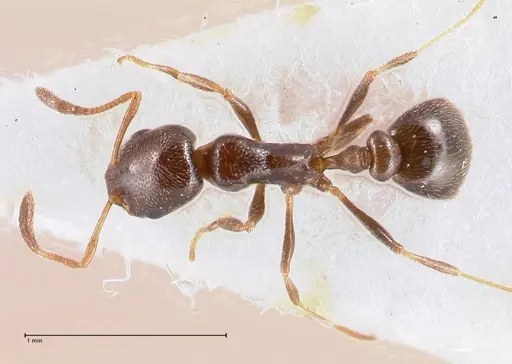
Literatura
Carregando mapa de distribuição...Carregando produtos...