
Shimmering sugar ant
Camponotus vestitus
- Nome científico
- Camponotus vestitus
- Subgênero
- Myrmosericus
- Tribo
- Camponotini
- Subfamília
- Formicinae
- Autor
- Smith, 1858
- Nome comum
- Shimmering sugar ant
- Distribuição
- Encontrada em 9 países
Introdução
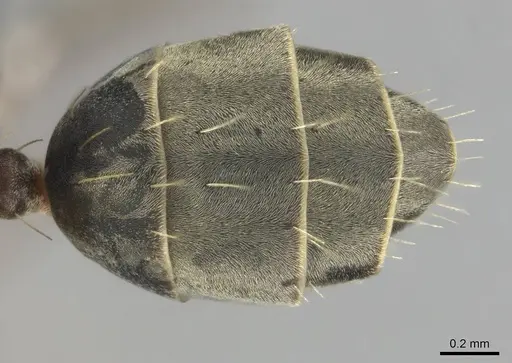
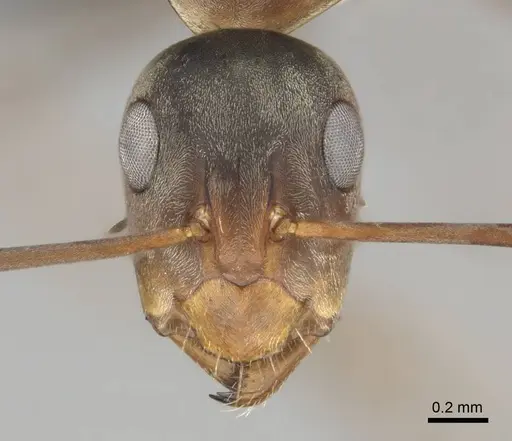
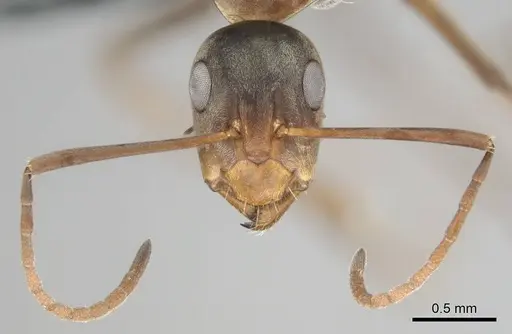
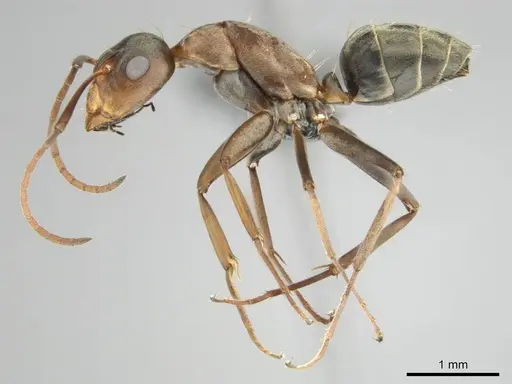
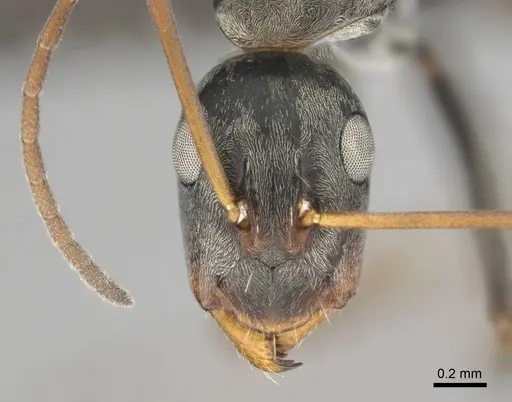
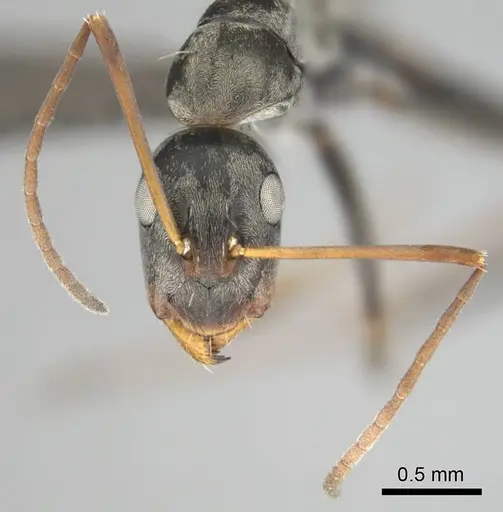
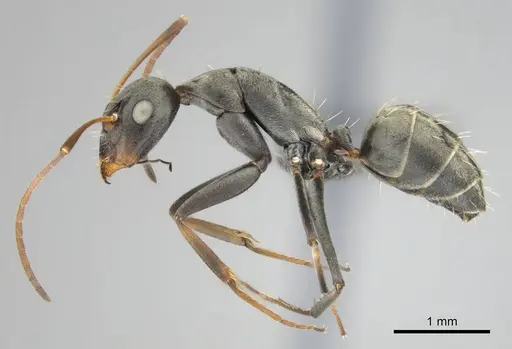
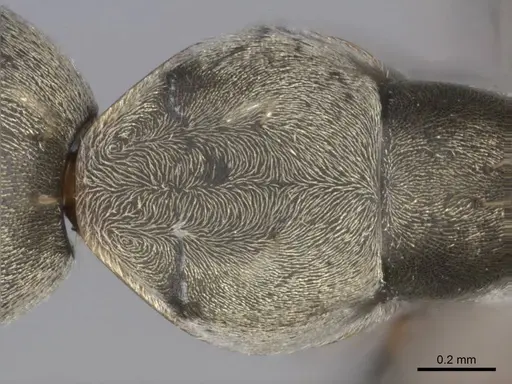
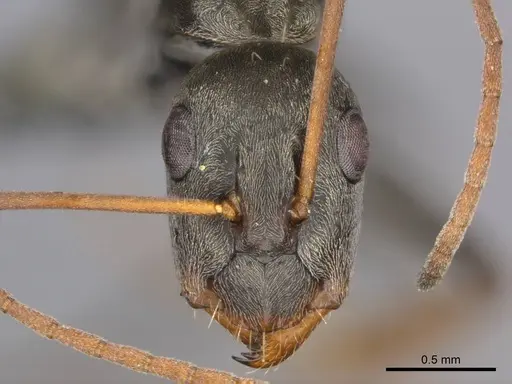
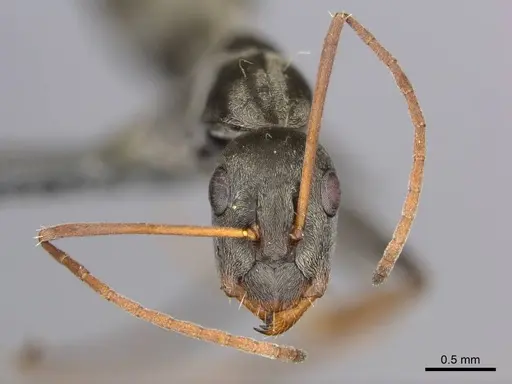
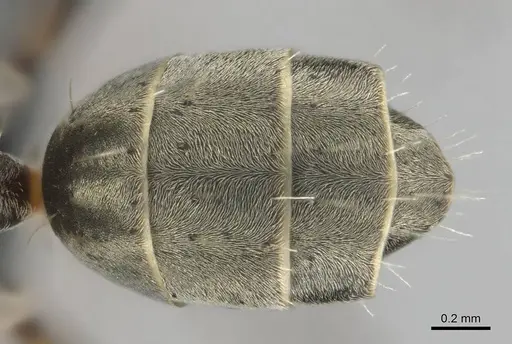
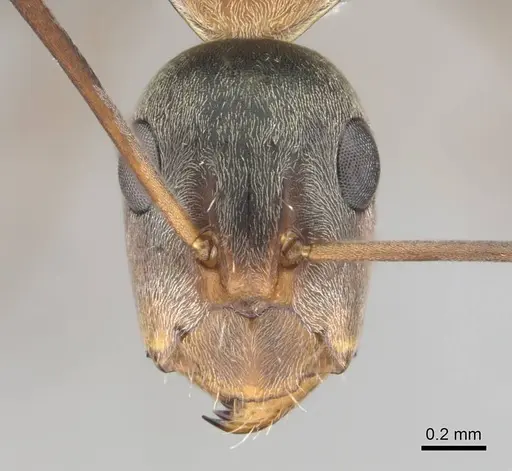
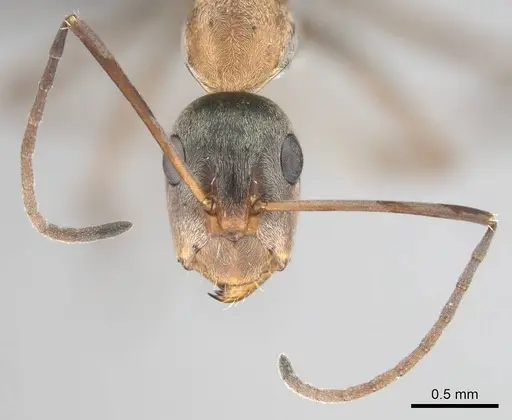
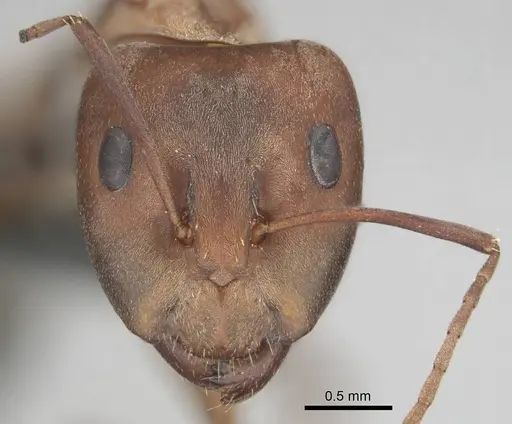
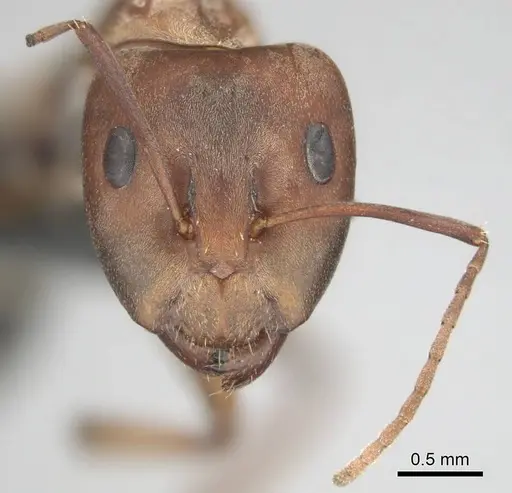
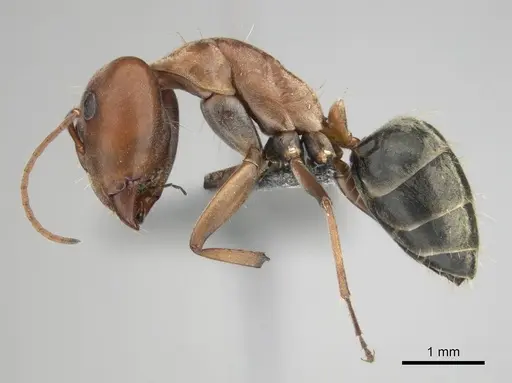
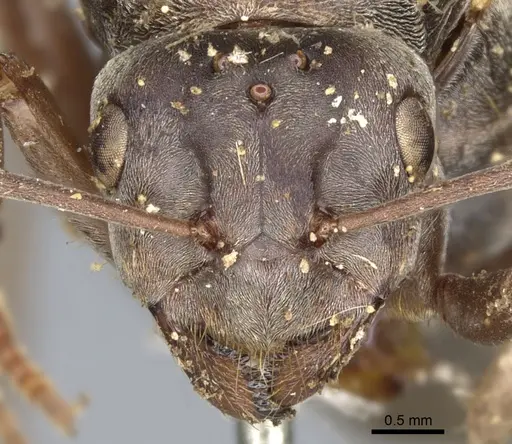
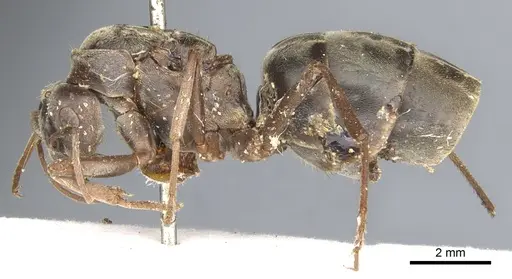
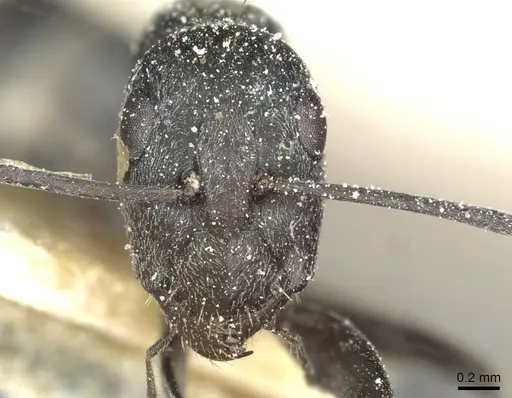
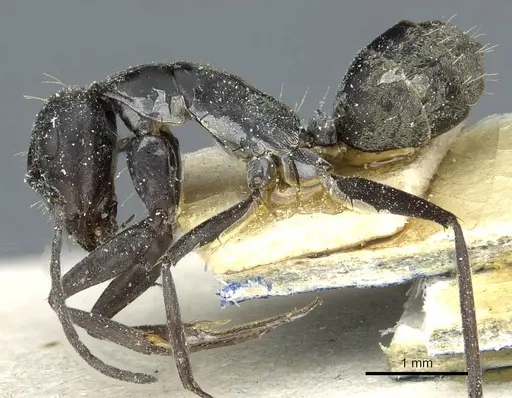
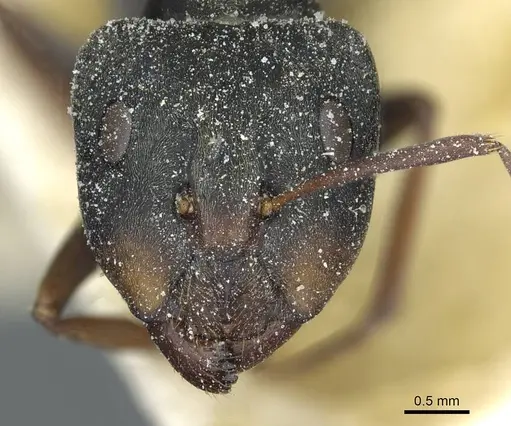
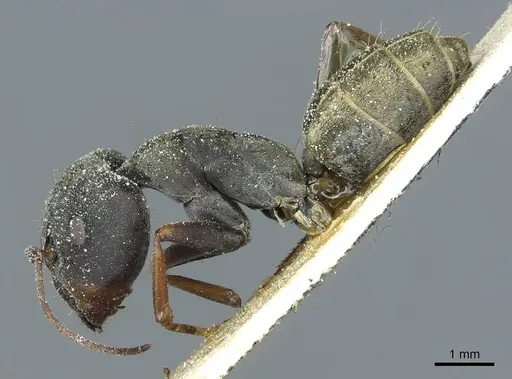
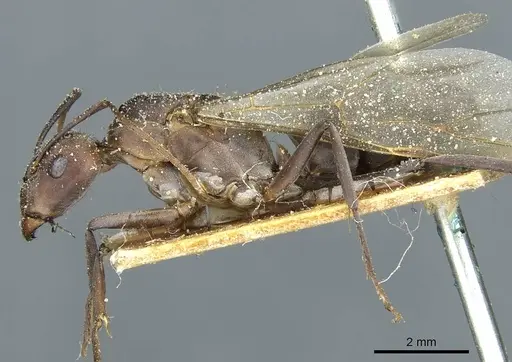
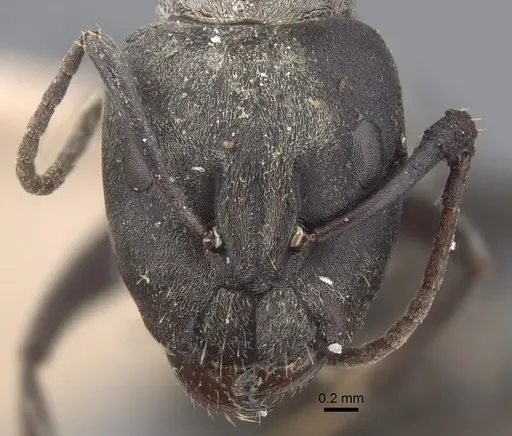
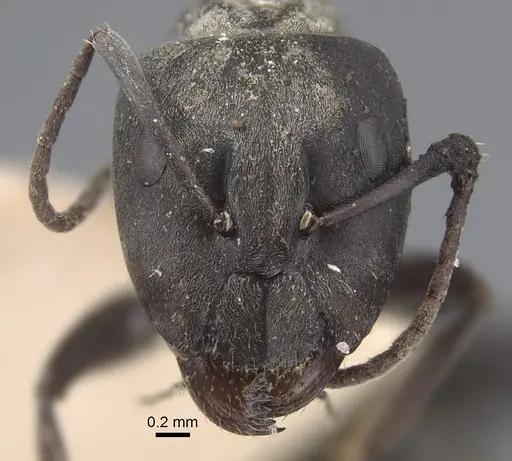
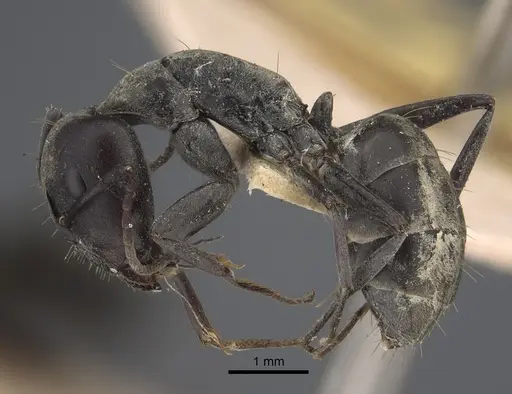
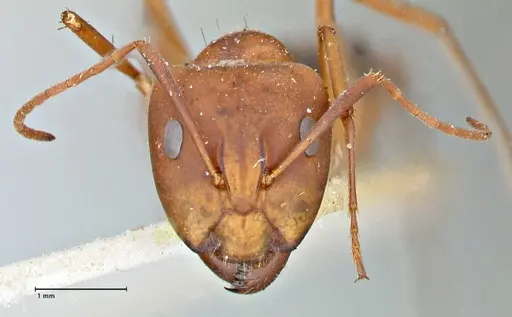
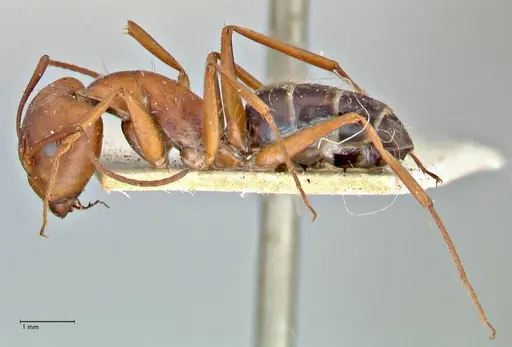
Camponotus vestitus is an African carpenter ant species found across the Afrotropical region, from South Africa through West Africa to Rwanda . Workers are moderate-sized, with the queen reaching approximately 10.5mm (5 lines) . They belong to the subfamily Formicinae, meaning they lack a stinger but can spray formic acid as a defense. This species is classified as a subordinate Camponotini functional group, meaning they play a supporting role in ant communities rather than dominating them . They are nectarivores and scavengers, feeding on sweet liquids and protein from small insects . The species has eight described subspecies, with variations in coloration across their range [AntWiki].
Quick Summary
- Difficulty: Easy
- Origin & Habitat: Afrotropical region, found in South Africa, Namibia, Democratic Republic of Congo, Rwanda, Nigeria, Benin, Senegal, and other West African countries [5][1]. Inhabits savanna and semi-arid regions like the Nama Karoo in South Africa [6][4].
- Colony Type: Likely monogyne based on typical Camponotus patterns, single queen colonies.
- Size & Growth:
- Queen: ~10.5mm (queen described as 5 lines ≈ 10.5mm) [2]
- Worker: size data unavailable, inferred from Camponotus genus patterns (~4-8mm)
- Colony: colony size data unavailable for this specific species
- Growth: Moderate, typical for Camponotus genus
- Development: development timeline unconfirmed for this species (Based on typical Camponotus patterns, development may take 6-8 weeks at warm temperatures, but specific timing is unconfirmed)
- Antkeeping:
- Temperature: Keep at 24-28°C. As an African species, they prefer warm conditions. A heating cable on one side of the nest creates a suitable gradient.
- Humidity: Moderate humidity. They inhabit semi-arid to savanna regions, so avoid overly damp conditions. Provide a water tube but keep the nest substrate relatively dry.
- Diapause: No, being an African tropical to subtropical species, they do not require hibernation. Keep them active year-round with stable temperatures.
- Nesting: Ground-nesting species. In captivity, standard test tubes work well for founding colonies. Once established, they do well in Y-tong nests or plaster nests. They prefer dark, secure nesting areas.
- Behavior: Generally calm and non-aggressive for a Camponotus species. Workers are active foragers, primarily scavenging and collecting nectar. They are not known to be escape artists but use standard escape prevention. As Formicinae, they can spray formic acid when threatened but pose no real danger to keepers.
- Common Issues: temperature drops can slow or stop colony development, keep warm, overwatering can lead to mold in the nest, allow substrate to dry between water additions, wild-caught colonies may have parasites, quarantine and monitor new colonies, slow initial growth during founding phase can worry beginners, be patient, queen can take several weeks to produce first workers, do not disturb during this time
Nest Preferences
Camponotus vestitus is a ground-nesting species that naturally establishes nests in soil, under stones, or in decaying wood in savanna and semi-arid habitats. In captivity, they adapt well to various nest types. For founding colonies, a simple test tube setup works perfectly, fill it with water trapped by a cotton ball, then provide a dark covering. Once the colony reaches 20-30 workers, you can move them to a proper formicarium. Y-tong nests and plaster nests work well. They prefer dark, secure locations and will readily move into artificial nests if the conditions are right. Avoid nests with excessive moisture as this species comes from relatively dry regions. [4][5]
Feeding and Diet
As a nectarivore and scavenger, Camponotus vestitus has straightforward dietary needs. Offer sugar water, honey, or diluted maple syrup as a constant carbohydrate source. For protein, provide small insects like fruit flies, mealworms, or cricket pieces. They are not aggressive hunters but will scavenge dead insects readily. Feed protein once or twice per week, and keep the sugar source available at all times. Remove uneaten prey after 24-48 hours to prevent mold. This species does well on a simple diet and does not require specialized foods. [4]
Temperature and Care
Being an African species, Camponotus vestitus thrives at warm temperatures between 24-28°C. Room temperature may be sufficient if your home stays in this range, otherwise use a heating cable or heat mat on one side of the nest to create a gentle gradient. Place the heating on top of the nest to avoid evaporating water too quickly. They do not require hibernation or cooling periods, keep them active year-round. Stable temperatures produce the best growth rates. Avoid temperatures below 20°C for extended periods as this can slow development and weaken the colony.
Behavior and Temperament
Camponotus vestitus is a relatively calm species that makes an excellent beginner Camponotus. Workers are moderately active and will forage for food both day and night. They are not particularly aggressive and will typically retreat rather than engage in conflict. As Formicinae, they possess formic acid glands and can spray this irritant when threatened, but this poses no real danger to human keepers. They are not known escape artists, but standard escape prevention is still recommended. Colonies grow at a moderate pace.
Colony Growth and Development
The founding phase lasts several weeks from egg to first worker. The queen seals herself in a claustral chamber and does not leave to forage during this time, she lives entirely on her stored fat reserves. The first workers are typically smaller than subsequent workers but will quickly be replaced by larger workers as the colony grows. Growth is moderate. The colony will expand into the outworld as it grows, and you may need to connect additional nesting space.
Frequently Asked Questions
How long does it take for Camponotus vestitus to produce first workers?
Specific timing is unconfirmed for this species. Based on typical Camponotus patterns, expect several weeks (approximately 6-8 weeks) from egg to first worker at optimal temperatures. The queen will remain sealed in her chamber during this time, do not disturb her.
What do Camponotus vestitus eat?
They are nectarivores and scavengers. Offer sugar water, honey, or maple syrup constantly for carbohydrates. For protein, feed small insects like fruit flies, mealworms, or cricket pieces once or twice weekly.
What temperature do Camponotus vestitus need?
Keep them warm at 24-28°C. They are African ants and prefer these temperatures for optimal growth. A heating cable on one side of the nest can help maintain warmth.
Do Camponotus vestitus need hibernation?
No. As an African tropical to subtropical species, they do not require hibernation. Keep them active year-round at stable warm temperatures.
Are Camponotus vestitus good for beginners?
Yes. They are a relatively easy Camponotus species with straightforward care requirements. They are calm, do not sting, and adapt well to captivity.
How big do Camponotus vestitus colonies get?
Colony size data is unavailable for this specific species. Typical Camponotus colonies can reach several thousand workers over several years.
Can I keep multiple Camponotus vestitus queens together?
This is likely a single-queen species based on typical Camponotus patterns. Only keep one queen per colony. Introducing additional queens will likely result in fighting.
When should I move Camponotus vestitus to a formicarium?
Wait until the colony has 20-30 workers and the founding test tube is becoming crowded. They do well in Y-tong nests or plaster nests.
What humidity level do Camponotus vestitus need?
Moderate humidity. They come from semi-arid savanna regions, so avoid overly damp conditions. A water tube in the setup provides adequate moisture.
Report an Issue
The current care sheet is based fully on literature. See inconsistencies, or something that's incorrect? Please , it will be resolved after review from an admin. Contributing to the blogs tab also helps providing information, to make us be able to further improve the caresheets. Thank you for your support!
References

Este guia de cuidados está sob a licença CC BY-SA 4.0 .
Posts da comunidade
CASENT0252817
Ver no AntWeb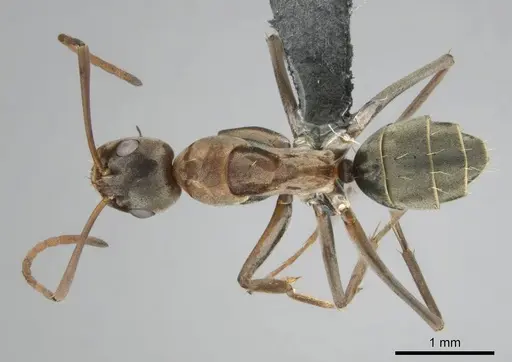
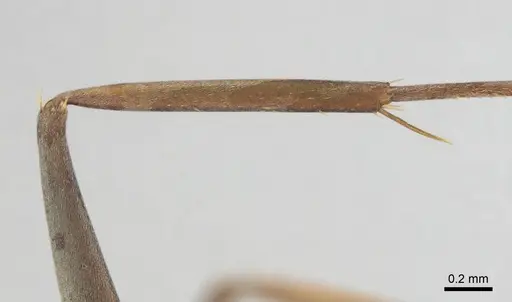
CASENT0257133
Ver no AntWeb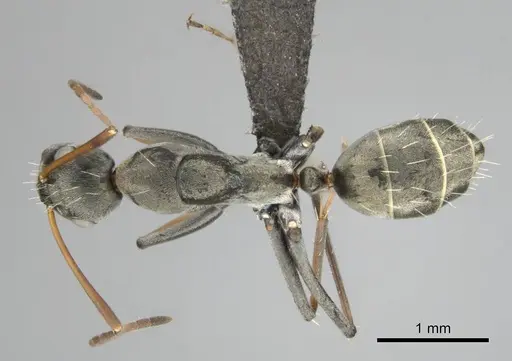
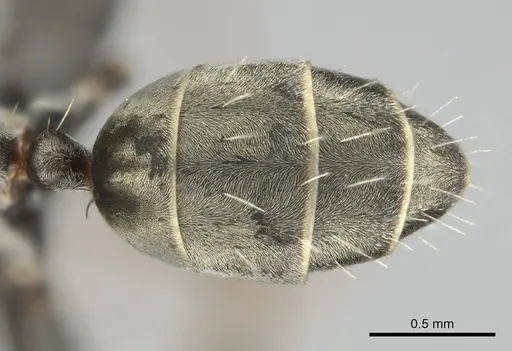
CASENT0257260
Ver no AntWeb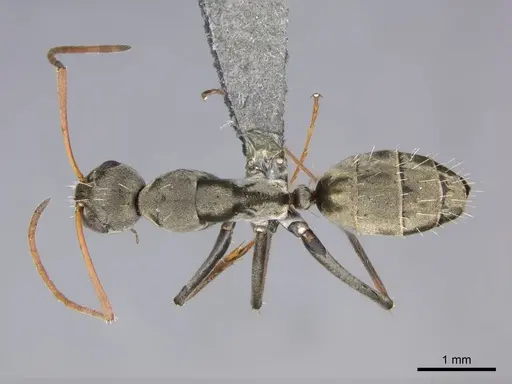
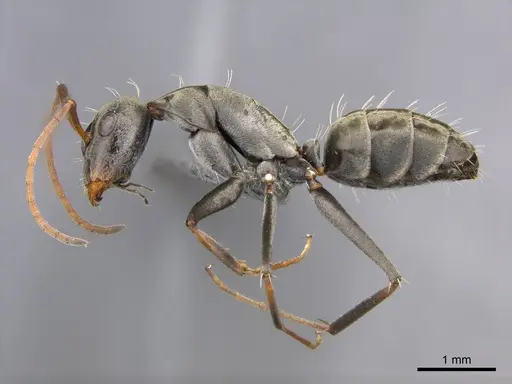
CASENT0785805
Ver no AntWeb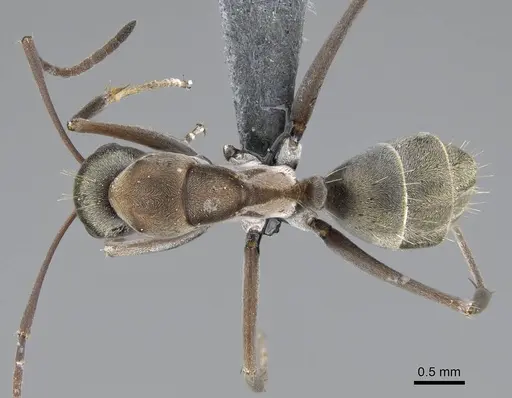
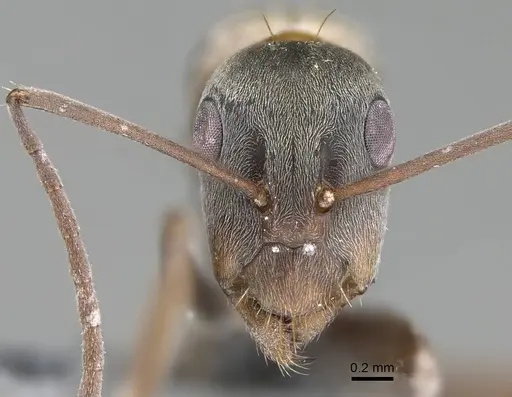
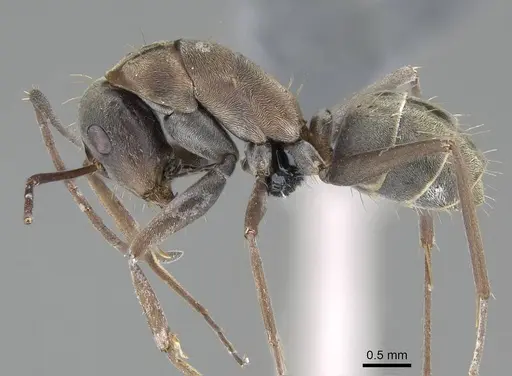
CASENT0812235
Ver no AntWeb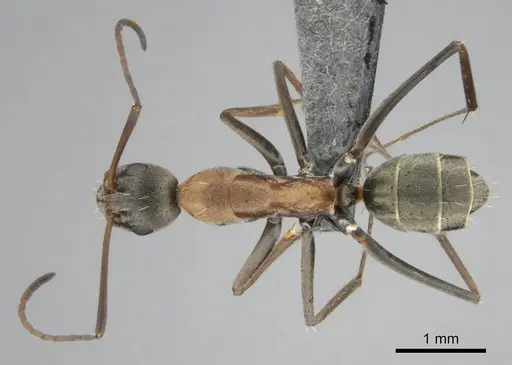
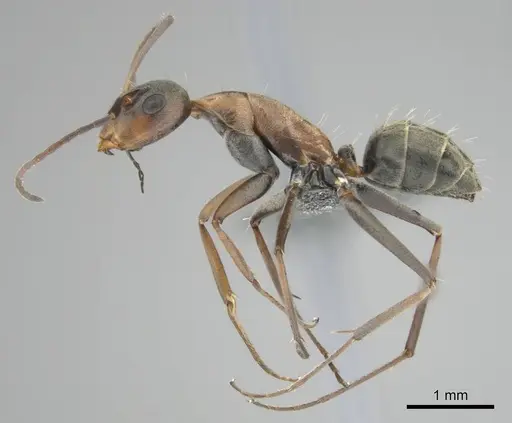
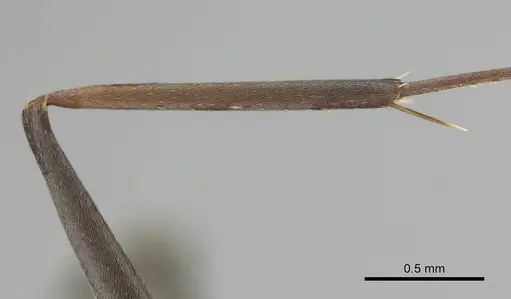
CASENT0813860
Ver no AntWeb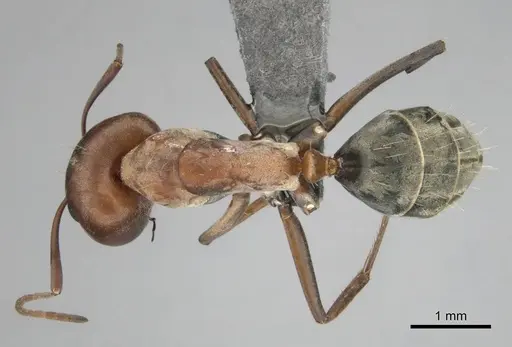
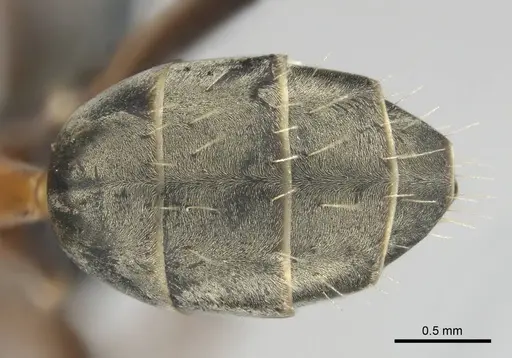
CASENT0814603
Ver no AntWeb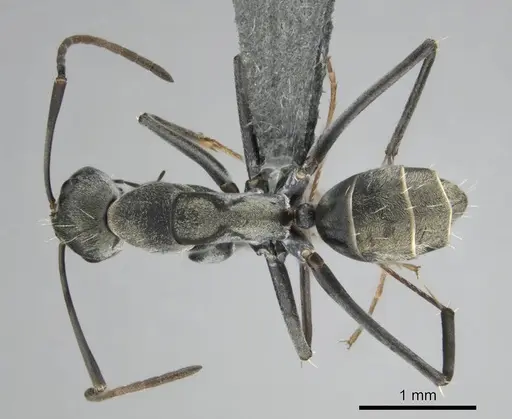
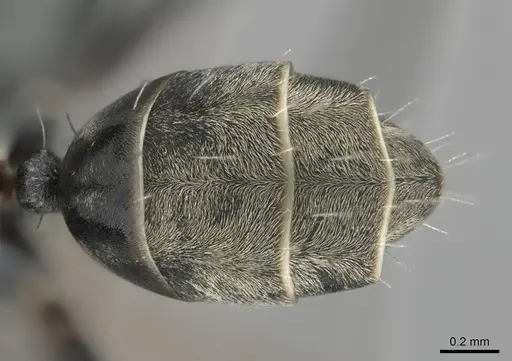
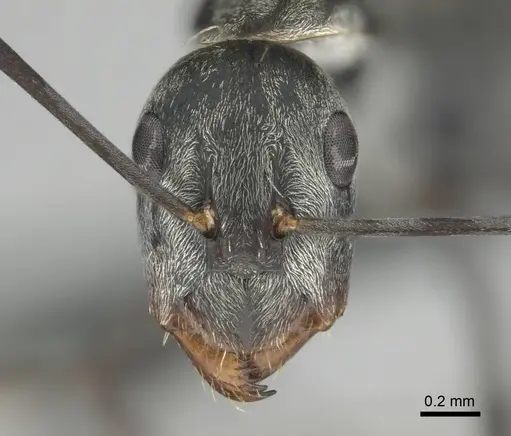
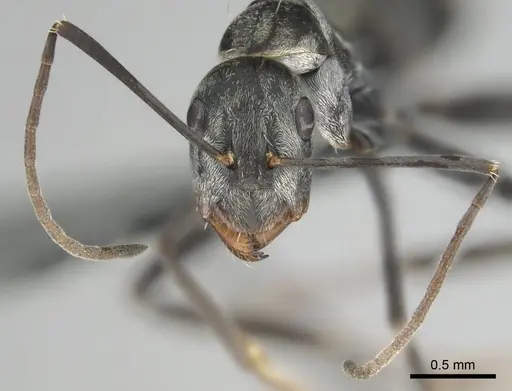
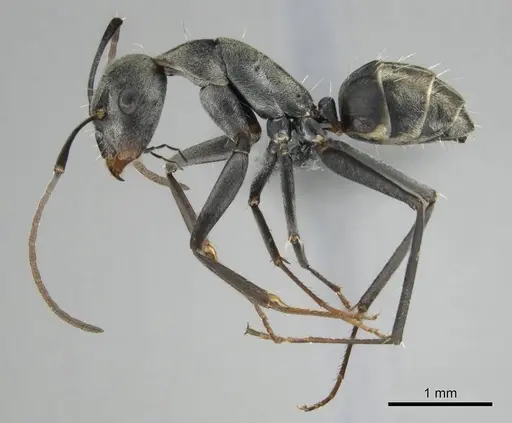
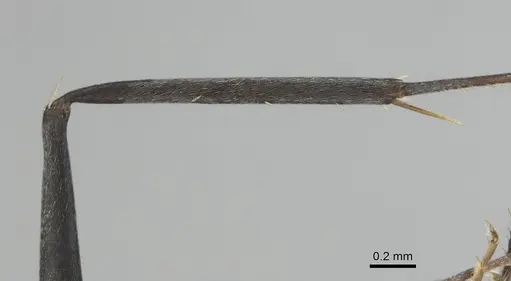
CASENT0882208
Ver no AntWeb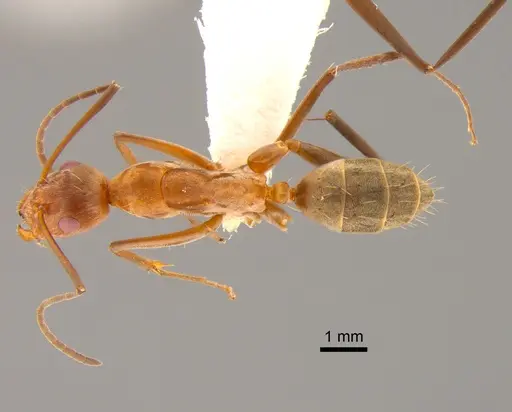
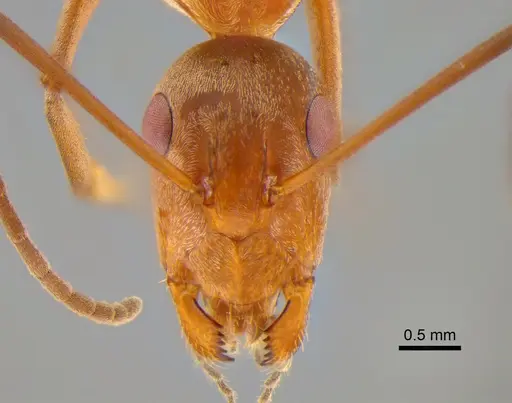
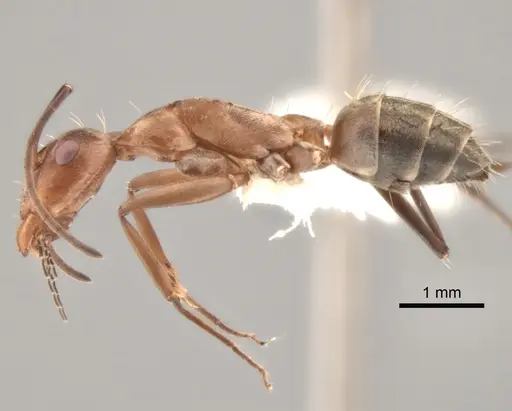
CASENT0903234
Ver no AntWeb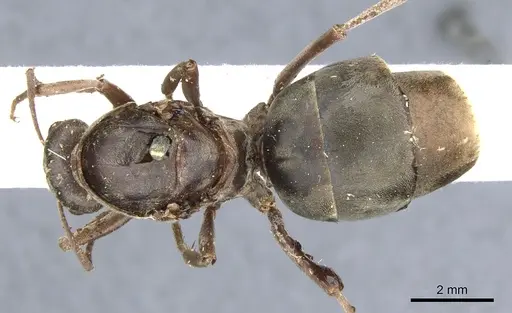
CASENT0910320
Ver no AntWeb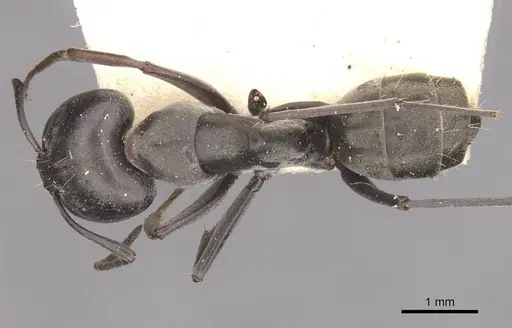
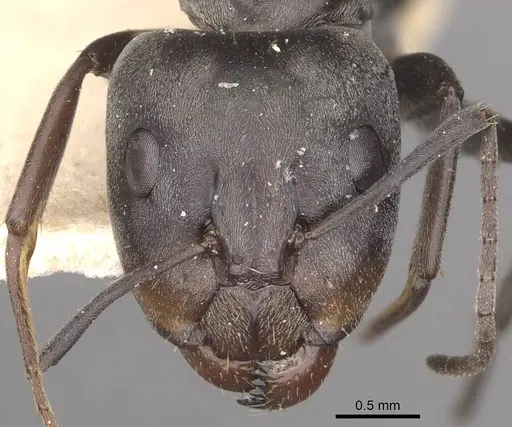
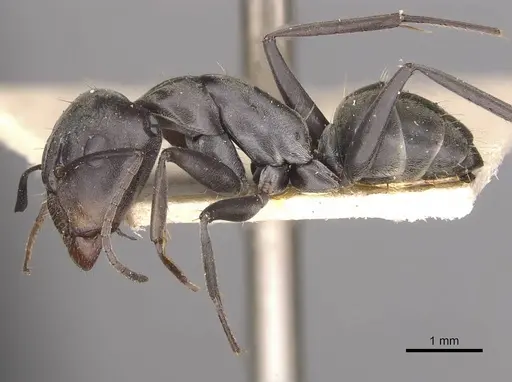
CASENT0910321
Ver no AntWeb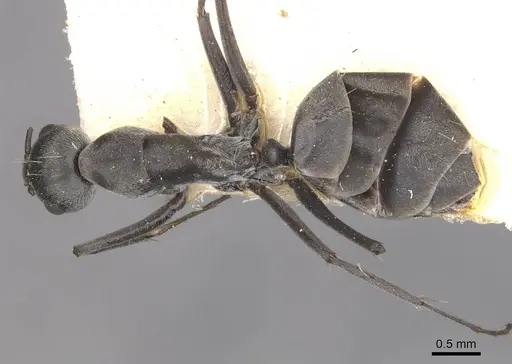
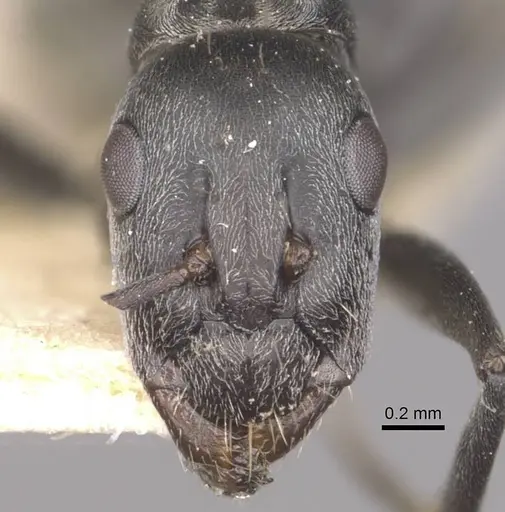
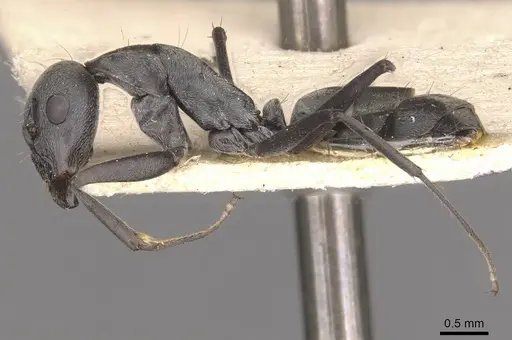
CASENT0911780
Ver no AntWeb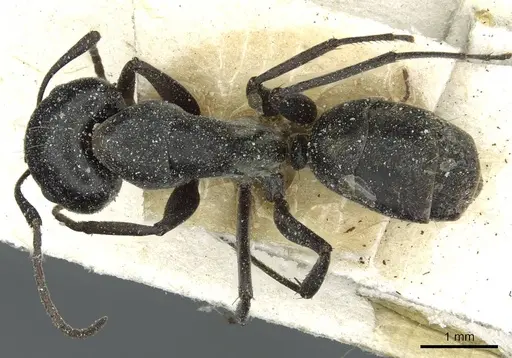
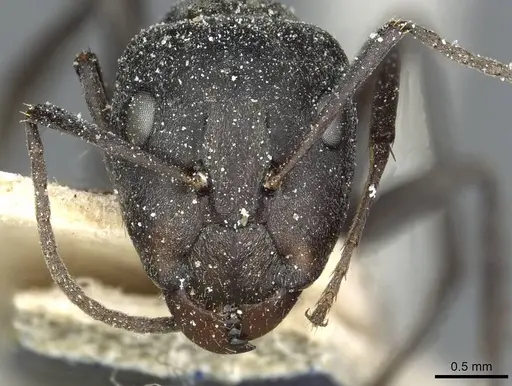
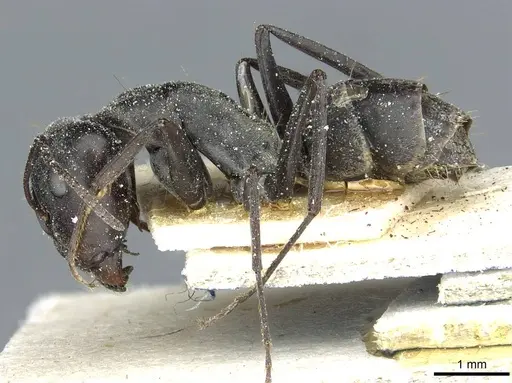
CASENT0911781
Ver no AntWeb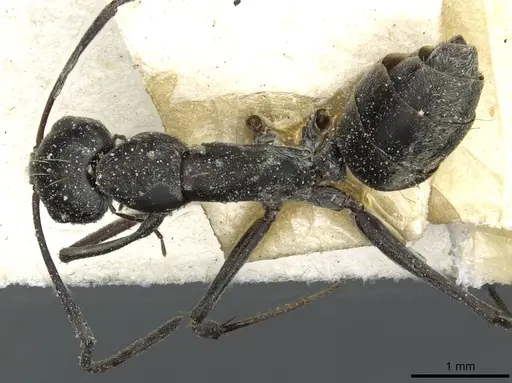
CASENT0911782
Ver no AntWeb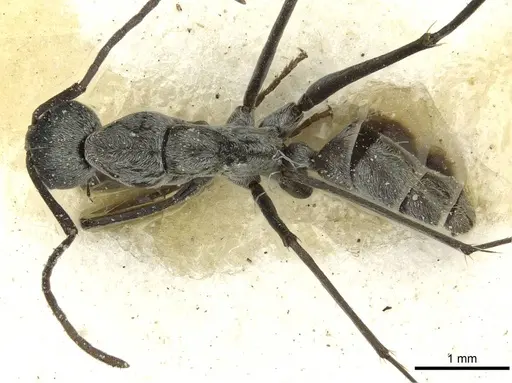
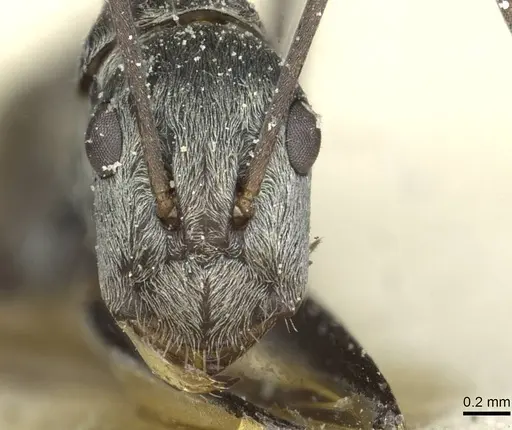
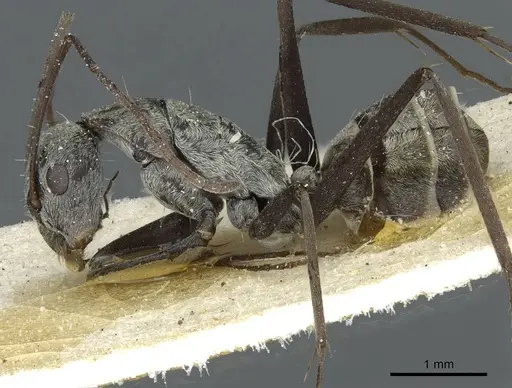
CASENT0911783
Ver no AntWeb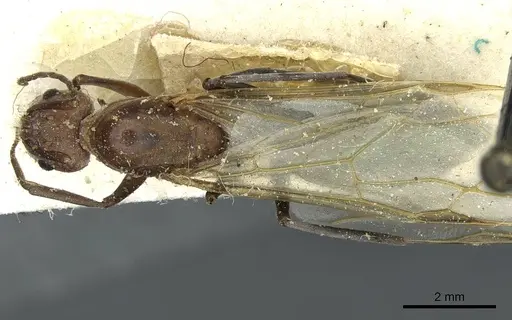
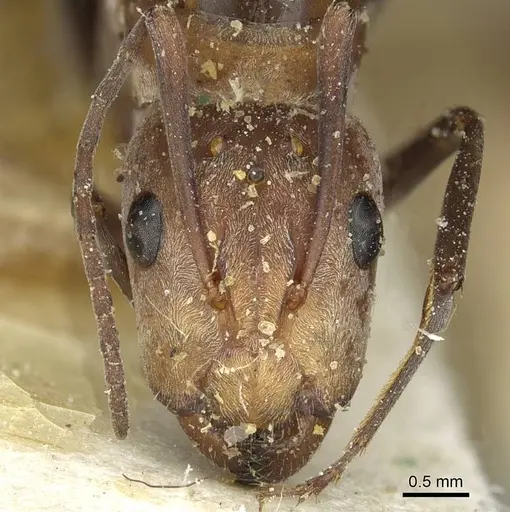
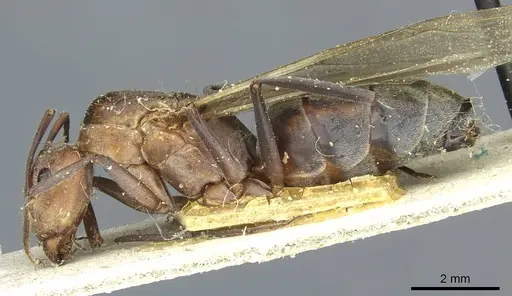
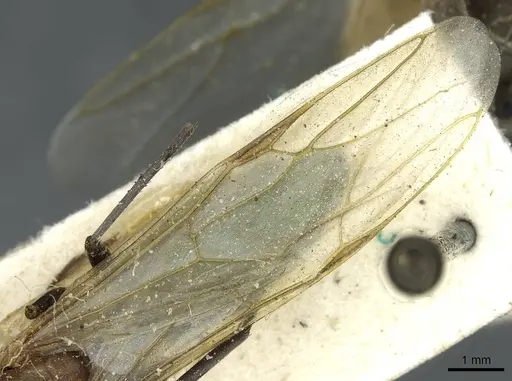
CASENT0911784
Ver no AntWeb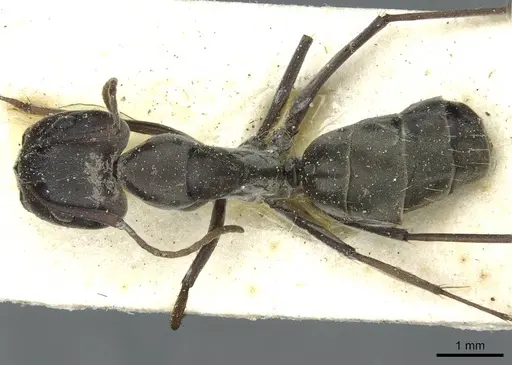
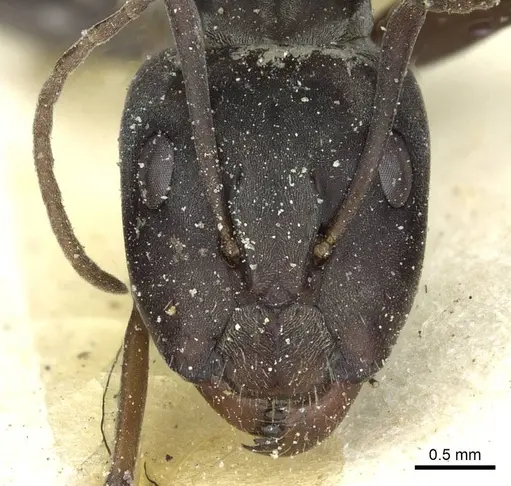
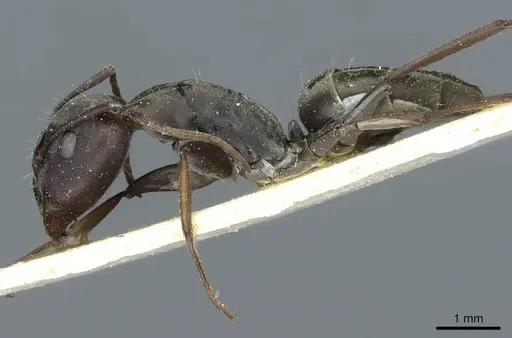
CASENT0911785
Ver no AntWeb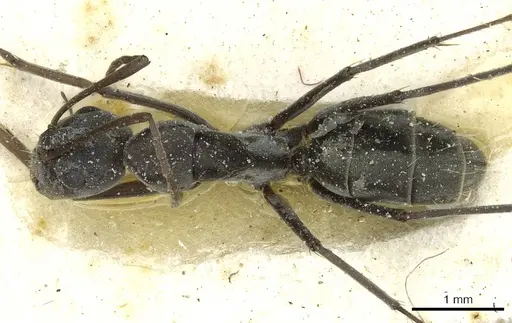
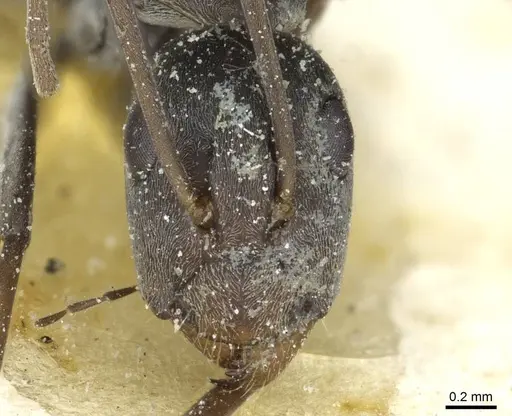
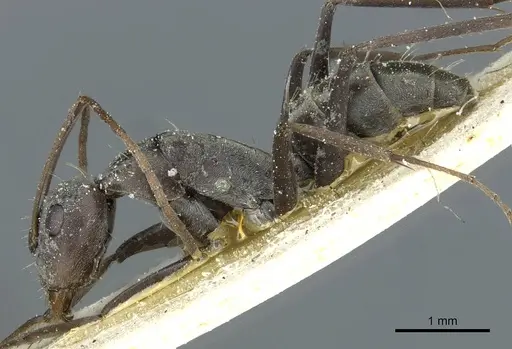
CASENT0911786
Ver no AntWeb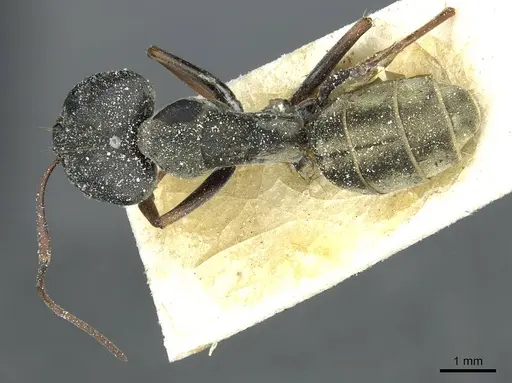
CASENT0911787
Ver no AntWeb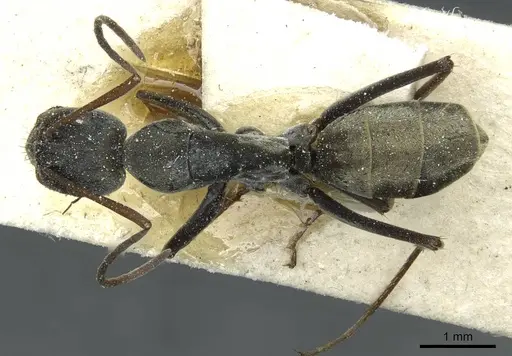
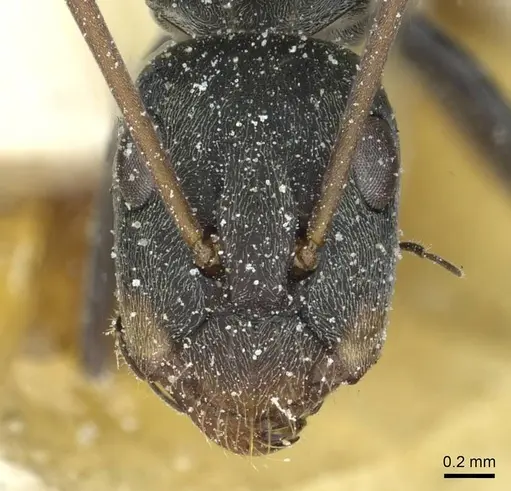
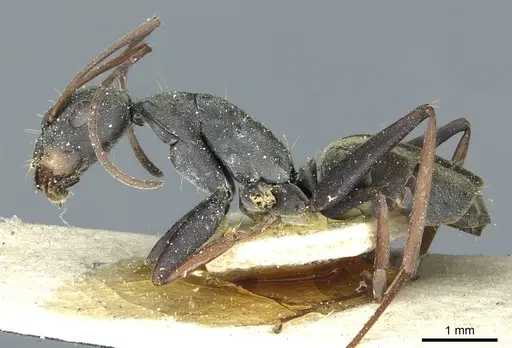
CASENT0911788
Ver no AntWeb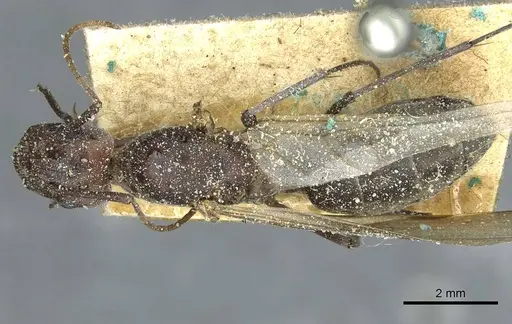
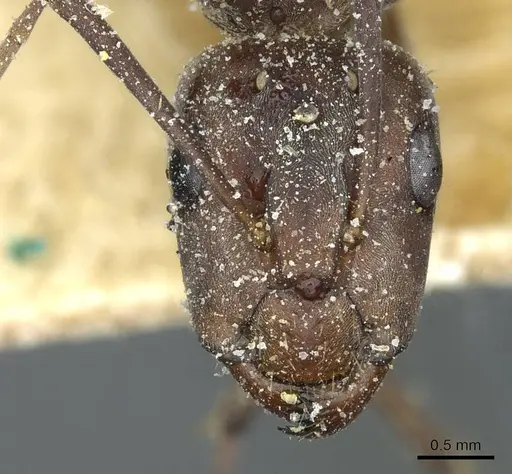
CASENT0911789
Ver no AntWeb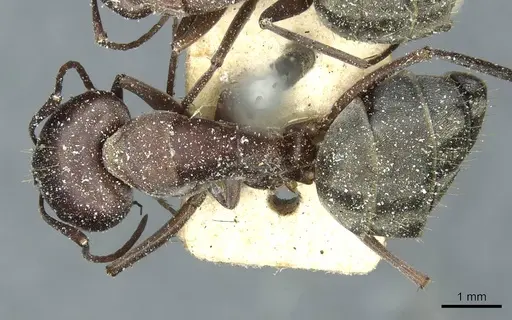
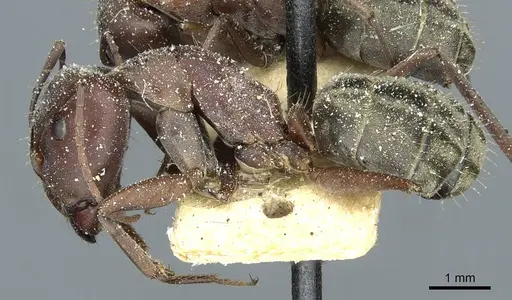
CASENT0911790
Ver no AntWeb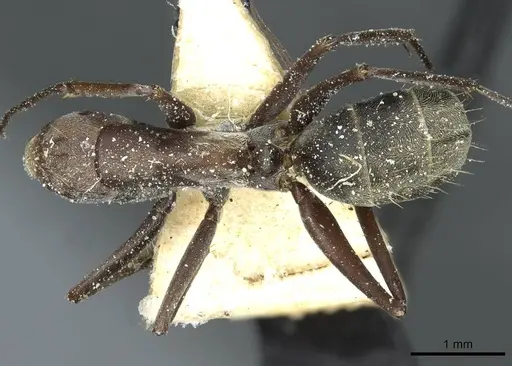
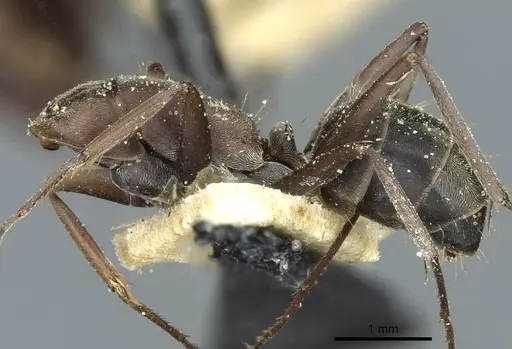
CASENT0917858
Ver no AntWeb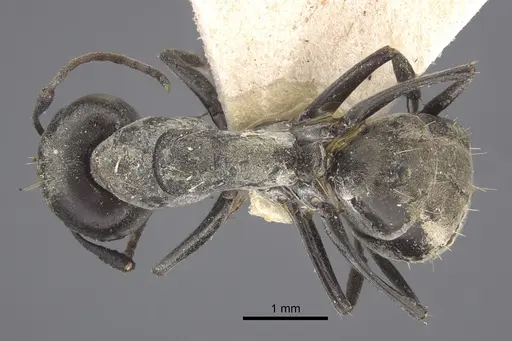
FOCOL2947
Ver no AntWeb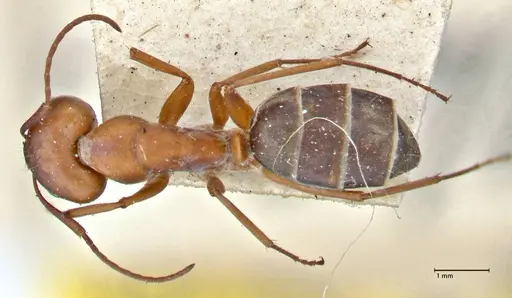
Literatura
Carregando mapa de distribuição...Carregando produtos...