
Camponotus traili
- Nome científico
- Camponotus traili
- Subgênero
- Dendromyrmex
- Tribo
- Camponotini
- Subfamília
- Formicinae
- Autor
- Mayr, 1878
- Distribuição
- Encontrada em 1 países
Introdução
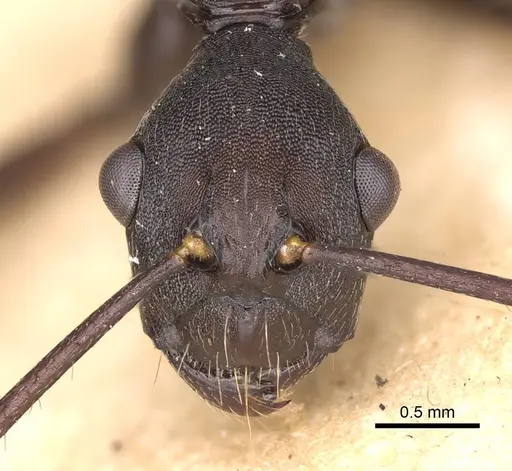
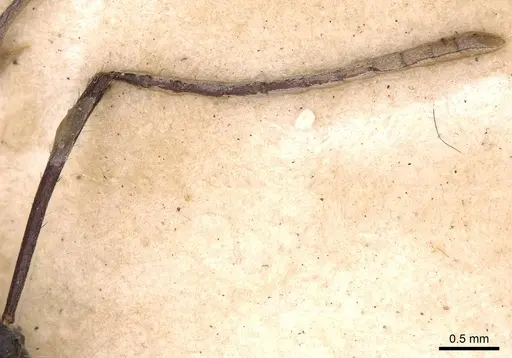
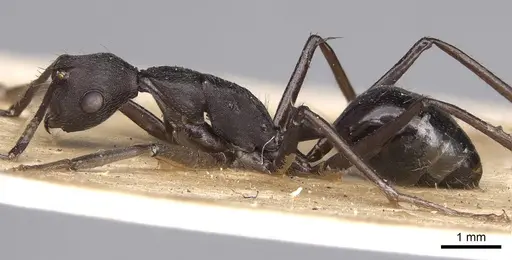
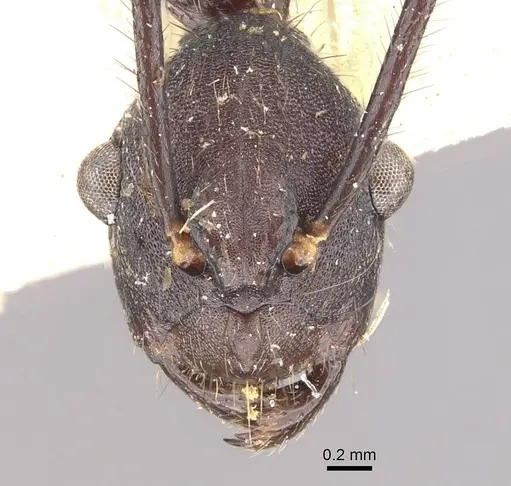
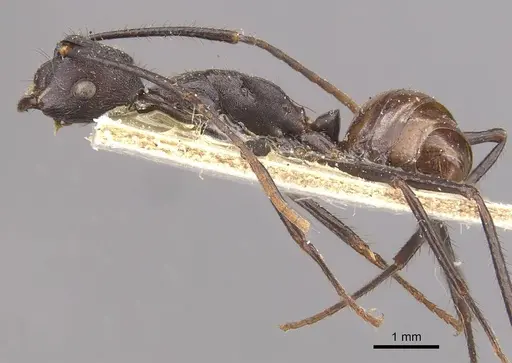
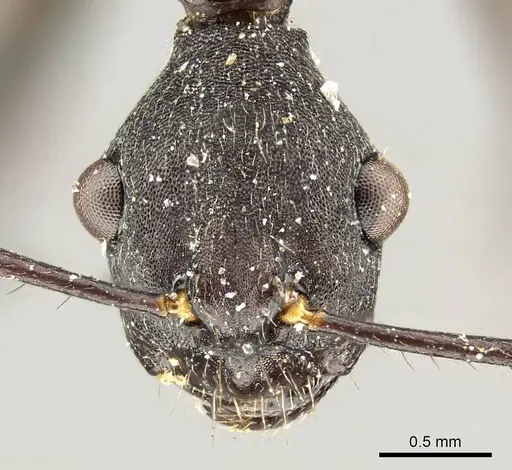
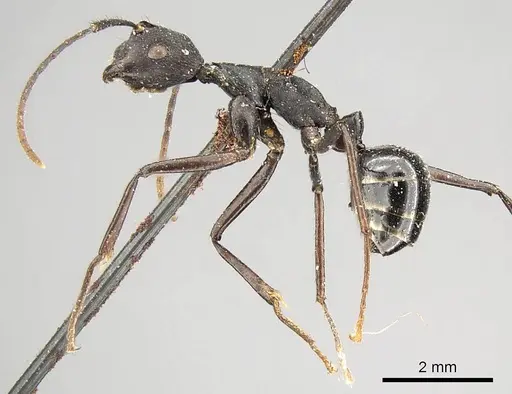
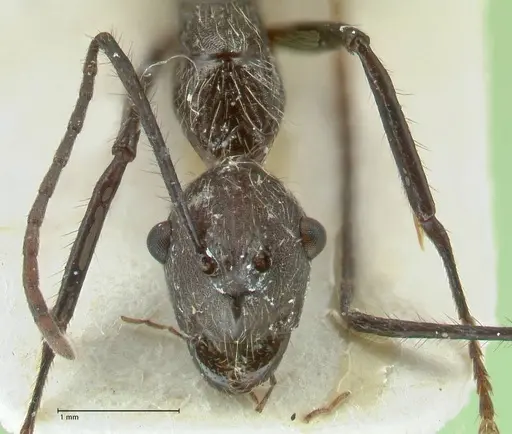
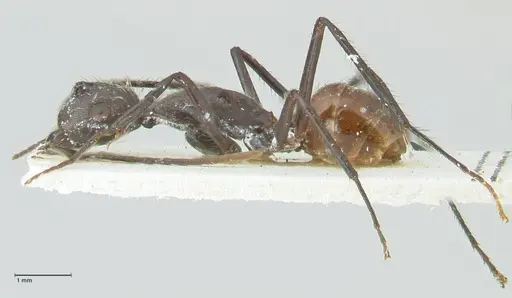
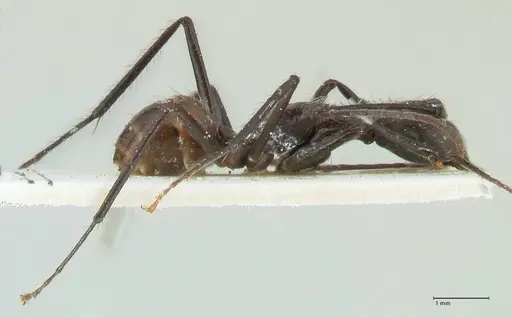
Camponotus traili is a Neotropical carpenter ant in the subgenus Dendromyrmex. You will find them across Bolivia, Brazil, Colombia, Ecuador, Panama, and Venezuela . Workers are small for the genus, with a sculpted pronotum featuring transverse wrinkled lines and plenty of hairs on the first antenna segment. The gaster is mostly smooth and shiny . Size data is unavailable, but workers are likely around 6-9mm based on Camponotus genus patterns. What stands out about this species is its habitat flexibility. They nest in rotting wood in both seasonally flooded várzea forests and stable tierra firme forests in the Colombian Amazon . This adaptability makes them a solid choice for keepers who can maintain warm, humid conditions.
Quick Summary
- Difficulty: Medium
- Origin & Habitat: Amazon Basin regions of South America. They nest in rotting wood across Bolivia, Brazil, Colombia, Ecuador, Panama, and Venezuela [1][2].
- Colony Type: Single-queen colonies with typical carpenter ant social structure. Colony type remains unconfirmed for this specific species.
- Size & Growth:
- Queen: ~10-12mm, inferred from Camponotus genus
- Worker: ~6-9mm, inferred from Camponotus genus
- Colony: Up to several hundred workers, estimated based on Camponotus patterns
- Growth: Moderate
- Development: Estimated 6-8 weeks, inferred from Camponotus patterns (Development speed depends on keeping temperatures warm and stable.)
- Antkeeping:
- Temperature: Keep the environment warm and stable, roughly low-to-mid 20s°C to low 30s°C. They are tropical Amazon species that thrive in consistent heat [2].
- Humidity: Keep the nest substrate consistently moist but not waterlogged. Provide a humidity gradient with one slightly damp area and the rest dry [2].
- Diapause: No, tropical species from the Amazon Basin do not require winter diapause [2].
- Nesting: They prefer nesting in rotting wood or moist substrates. A Y-tong (AAC) nest or plaster formicarium works well. Ensure chambers are narrow enough to prevent escapes [1].
- Behavior: Based on Camponotus patterns, they are typically docile but will bite if threatened. Escape risk is moderate due to small worker size, so use fine mesh barriers and secure lids.
- Common Issues: temperatures dropping below 20°C slow brood development, dry nest substrate causes colony stress and worker mortality, small worker size increases escape risk if outworld connections are not sealed, limited availability makes finding wild queens difficult, subgenus Dendromyrmex may show different foraging habits than typical Camponotus
Housing and Nest Setup
Camponotus traili thrives in setups that hold warmth and moisture. Start a new queen in a test tube with a water reservoir separated by a cotton plug. This gives her a secure space to seal herself in. As the colony grows, move them to a Y-tong (AAC) nest or plaster formicarium. These materials hold moisture better than acrylic. Keep the substrate damp but never sitting in water. Workers are small, so seal all gaps between the nest and outworld to prevent escapes. They naturally nest in rotting wood, so providing similar textures helps them settle in [1][2].
Feeding and Diet
Like most carpenter ants, they eat both sugar and protein. Offer a constant source of sugar water, honey, or diluted maple syrup. For protein, give small insects like fruit flies or pinhead crickets. In the wild, they likely gather honeydew from aphids and hunt small prey. Feed protein two to three times a week for growing colonies. Remove uneaten insects after two days to stop mold from growing.
Temperature and Seasonal Care
This species comes from the Amazon, so consistent warmth is essential. Keep the nest area in the low-to-mid 20s°C to low 30s°C. A heating cable on top of the nest creates a gentle temperature gradient. Room temperature works if your home stays warm, but most keepers need supplemental heat. Unlike temperate species, they do not need a cooling period. Keep temperatures stable year-round. Sudden drops below 20°C stress the colony [2].
Humidity Management
High humidity keeps this Amazon species alive. Keep the nest substrate consistently moist but never waterlogged. For test tube setups, maintain an adequate water reservoir without risking floods. Check moisture levels every few days and rehydrate as needed. Good ventilation prevents mold while keeping the nest damp. Provide a humidity gradient with one slightly moist area and the rest dry [2].
Behavior and Observation
Camponotus traili shows typical carpenter ant habits. Workers forage for sugar and protein, tend aphids for honeydew, and defend the nest when threatened. They are not aggressive toward keepers but will bite if handled. Workers are small enough to observe clearly in a formicarium. Their small size means you must secure all connections to prevent escapes. They likely show typical crepuscular foraging activity, meaning you will see more movement in the early morning or evening [5].
Frequently Asked Questions
Is Camponotus traili a good species for beginners?
Not ideal for complete beginners. This tropical species needs consistent warmth and humidity that can be harder to maintain than temperate species. If you have kept other Camponotus successfully, this species is manageable. Focus on keeping temperatures stable and the nest substrate moist [2].
How long does it take for the first workers to emerge?
Based on Camponotus patterns, expect six to eight weeks from egg to first worker at optimal temperatures. The queen seals herself in and relies on stored fat reserves until her first workers emerge. Founding behavior is unconfirmed for this species, so watch for signs of stress [5].
What temperature do Camponotus traili need?
Keep them warm at roughly low-to-mid 20s°C to low 30s°C. This tropical Amazon species needs consistent heat year-round. A heating cable on top of the nest helps maintain stable temperatures in cooler rooms [2].
Can I keep multiple queens together?
Not recommended. Based on Camponotus patterns, this species is likely monogyne (single queen). Combining unrelated queens has not been documented and will likely cause fighting. Wild colonies typically contain just one functional queen [5].
What do Camponotus traili eat?
They are omnivorous. Feed sugar water, honey, or maple syrup constantly for energy. Offer small insects like fruit flies or pinhead crickets for protein. They will likely accept honeydew if you keep aphids in the outworld. Remove uneaten prey after two days to prevent mold [5].
Do they need hibernation?
No. As a tropical species from the Amazon Basin, they do not require any cooling period. Keep temperatures stable year-round in the low-to-mid 20s°C to low 30s°C range [2].
How big do colonies get?
Based on Camponotus patterns, colonies likely reach up to several hundred workers at maturity. Exact maximums are unknown since this species lacks specific captive studies. Expect moderate colony sizes rather than massive supercolonies [5].
When should I move them to a formicarium?
Move from a test tube to a larger nest when the colony reaches around twenty workers and the test tube shows stress. Ensure the new setup holds humidity before transferring. Use a Y-tong or plaster nest for better moisture control [1].
Why are my ants dying?
The most common causes are cold temperatures, dry nest substrate, or poor escape prevention. Check these factors first. Ensure the queen is still alive and laying eggs. Tropical species tolerate suboptimal conditions poorly [2].
Report an Issue
The current care sheet is based fully on literature. See inconsistencies, or something that's incorrect? Please , it will be resolved after review from an admin. Contributing to the blogs tab also helps providing information, to make us be able to further improve the caresheets. Thank you for your support!
References

Este guia de cuidados está sob a licença CC BY-SA 4.0 .
Posts da comunidade
CASENT0906858
Ver no AntWeb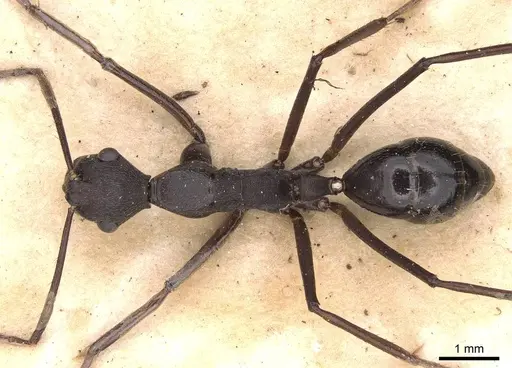
CASENT0910755
Ver no AntWeb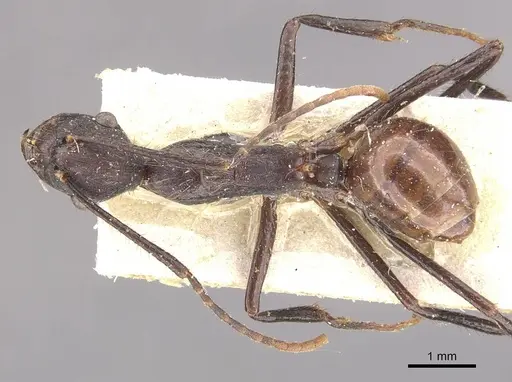
CASENT0915805
Ver no AntWeb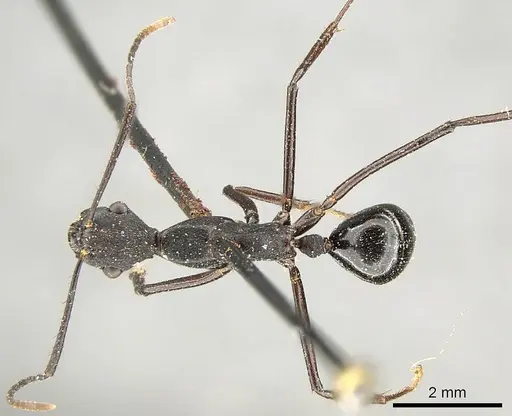
FOCOL2243
Ver no AntWeb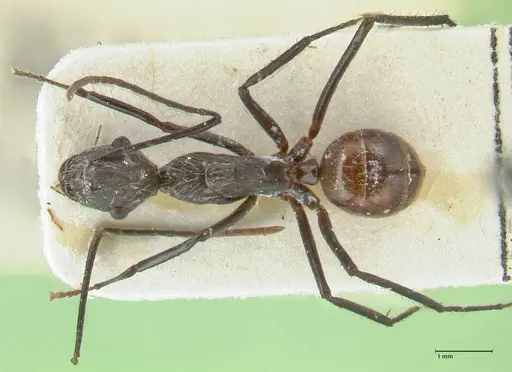
Literatura
Carregando mapa de distribuição...Carregando produtos...