
Camponotus tafo
- Nome científico
- Camponotus tafo
- Subgênero
- Mayria
- Tribo
- Camponotini
- Subfamília
- Formicinae
- Autor
- Rakotonirina <i>et al.</i>, 2016
- Distribuição
- Encontrada em 1 países
Introdução
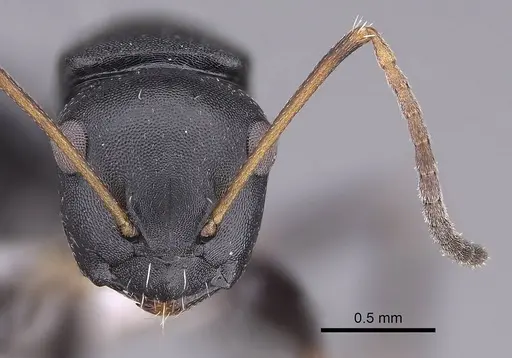
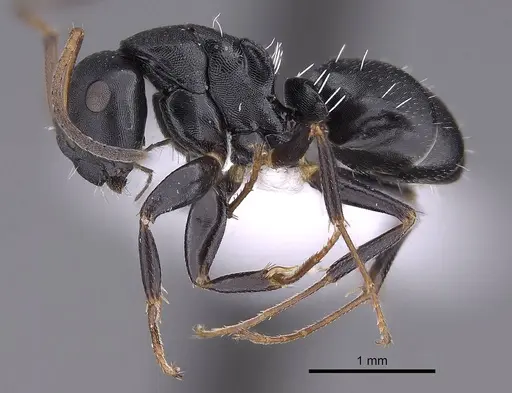
Camponotus tafo is a small, dark ant endemic to Madagascar, belonging to the Camponotus edmondi species group within the subgenus Mayria. Workers are entirely black with brown antennae and legs. The head and mesosoma have a distinctive densely reticulate punctate sculpture, and the mesonotum is notably narrow in dorsal view. This species is only known from the minor worker caste - no major workers have been documented. They inhabit the rainforests of eastern Madagascar, specifically the Ankerana region and Parc National Masoala, where they live exclusively in the canopy layer among moss and leaf litter . This canopy-dwelling habit makes them unusual among captive-kept Camponotus, which are typically ground-nesting species.
Quick Summary
- Difficulty: Medium
- Origin & Habitat: Camponotus tafo is endemic to Madagascar, found only in the rainforests of Ankerana and Parc National Masoala in the Toamasina region at approximately 200 meters elevation. Workers have been collected from moss and leaf litter in the canopy, and one specimen was captured in a Malaise trap, indicating they are arboreal or canopy-dwelling ants rather than ground-nesters [1].
- Colony Type: Colony structure is unconfirmed. Only minor workers have been documented in scientific collections, no majors or queens have been described.
- Size & Growth:
- Queen: Size data unavailable, queen morphology has not been described in scientific literature
- Worker: Size data unavailable, only minor workers are known, and the research provides only head proportions, not total body length
- Colony: Unknown, colony size has not been documented
- Growth: Unknown, development timeline has not been studied
- Development: Unconfirmed, no direct development data exists for this species (Development time is unknown, typical Camponotus species take several months from egg to worker at warm temperatures)
- Antkeeping:
- Temperature: Keep around 22-26°C. As a rainforest species from lowland Madagascar, they likely prefer warm, stable conditions. A gentle temperature gradient allows workers to self-regulate.
- Humidity: High humidity is essential, think damp rainforest canopy. Keep nest substrate consistently moist but not waterlogged. Provide a water source and occasional misting. The canopy moss and leaf litter they inhabit in the wild suggests they need more humidity than typical ground-nesting Camponotus.
- Diapause: Unknown for this species. Madagascar has mild seasons, so they may not require a true hibernation. Some reduction in activity during cooler months may occur.
- Nesting: This is a canopy-dwelling species. In captivity, they do well in test tube setups initially, but consider providing vertical space or an arboreal-style formicarium. They may prefer nesting in damp moss or materials that retain moisture. A naturalistic setup with moss and small chambers scaled to their tiny minor workers works well.
- Behavior: Minor workers are small and active. Based on related species in the edmondi group, they are likely moderately aggressive when defending the nest but not particularly territorial. They probably forage for honeydew and small prey in the canopy. Escape prevention is important because minor workers are tiny and can squeeze through small gaps. They are likely nocturnal or crepuscular, matching their canopy foraging patterns.
- Common Issues: high humidity maintenance is critical, drying out can kill colonies quickly, escape prevention must be excellent due to their tiny minor worker size, lack of documented care means you'll be learning alongside the hobby, start with standard Camponotus protocols and adjust based on colony response, no major workers documented means colonies may appear small even when established, canopy-dwelling habit suggests they may stress in ground-level setups without elevation or vertical space
Housing and Nest Setup
Camponotus tafo presents unique housing challenges because they are canopy-dwelling ants, unlike most Camponotus species kept in captivity. Start with a standard test tube setup for the founding colony, ensuring the water reservoir stays topped up to maintain humidity. Once the colony establishes (50+ workers), consider transitioning to a formicarium with vertical space or an arboreal-style setup. These ants seem to prefer damp conditions, adding damp moss to the outworld can help simulate their natural canopy habitat. Keep the nest area humid but ensure adequate ventilation to prevent mold. Because only minor workers are known, chambers and passages should be appropriately scaled to small ants. [1]
Feeding and Diet
Like most Camponotus species, they likely accept a standard diet of sugar sources (honey water, sugar water, or pure honey) and protein (dead insects, mealworms, small crickets). As canopy dwellers in rainforest habitat, they probably also tend aphids or collect honeydew. Offer sugar water constantly and protein 2-3 times per week. Remove uneaten protein within 24 hours to prevent mold. Given their small size, prey items should be appropriately sized, small fruit flies, pinhead crickets, or crushed mealworms work well. Observe your colony's acceptance and adjust accordingly.
Temperature and Humidity
As a Madagascar rainforest species from low elevation (200m), Camponotus tafo needs warm and humid conditions. Aim for temperatures in the low-to-mid 20s Celsius (22-26°C). A temperature gradient allows workers to choose their optimal zone. Humidity is particularly important, their natural habitat in canopy moss and leaf litter is consistently damp. Keep the nest substrate moist but not saturated, and provide a water source in the outworld. Monitor for condensation, which indicates good humidity levels. Avoid placing the setup near air conditioning or heating vents that could cause rapid drying. [1]
Colony Establishment and Growth
Establishing Camponotus tafo in captivity is challenging because this species has rarely, if ever, been kept by hobbyists. Queens have not been described in scientific literature, so wild-caught colonies may be the only option for keepers. Expect slow growth initially, claustral founding queens typically seal themselves in and raise the first brood alone for several months. The first workers (nanitics) will be small minor workers. Development time is unconfirmed for this species, typical Camponotus species may take several months from egg to worker at optimal temperature. Patience is key with this poorly-understood species.
Understanding Their Unique Canopy Habitat
The most distinctive aspect of Camponotus tafo is their exclusive canopy microhabitat. While most Camponotus are ground-nesting, this species lives high in the rainforest canopy among moss and leaf litter. This has several implications for captive care: they likely prefer more humid conditions than typical ants, may benefit from vertical nesting space, and probably experience less temperature variation than ground-dwellers. In captivity, consider providing some elevation in the setup and ensure the nest material retains moisture well. This is a species where naturalistic setups with moss and organic materials may outperform standard formicariums. [1]
Frequently Asked Questions
How long does it take for Camponotus tafo to produce first workers?
The egg-to-worker timeline is unconfirmed for this species. Development time has not been studied, typical Camponotus species may take several months at optimal temperature, but this is not specific to Camponotus tafo.
What do Camponotus tafo ants eat?
They likely accept standard ant diets, sugar sources (honey, sugar water) and protein (small insects like fruit flies, pinhead crickets, or crushed mealworms). As canopy dwellers, they probably also collect honeydew. Offer sugar water constantly and protein 2-3 times weekly.
Are Camponotus tafo good for beginners?
This species is not recommended for beginners. They are poorly documented in both scientific literature and the antkeeping hobby, requiring keepers to experiment with care protocols. Additionally, their canopy-dwelling nature demands higher humidity than typical ants.
What temperature do Camponotus tafo need?
Keep them warm, around 22-26°C. As a Madagascar rainforest species, they prefer stable, warm conditions. A temperature gradient allows the colony to self-regulate.
How big do Camponotus tafo colonies get?
Colony size is unknown, this species has not been studied in detail. No data exists on maximum colony size.
Can I keep multiple Camponotus tafo queens together?
Colony structure is unconfirmed for this species. No information exists on whether they are monogyne (single queen) or polygyne (multiple queens). Combining unrelated queens is not recommended without documented evidence of success.
Do Camponotus tafo need hibernation?
Diapause requirements are unknown. Madagascar has mild seasons, so they may not need a true hibernation. Some reduction in activity during cooler months may be appropriate, but avoid temperatures below 15°C.
Why are my Camponotus tafo dying?
The most likely causes are low humidity (they need damp conditions), improper temperature (too cold), or escape of tiny workers. Ensure the nest stays moist, temperatures stay in the 22-26°C range, and use fine mesh for escape prevention.
When should I move Camponotus tafo to a formicarium?
Wait until the colony has 50+ workers and the test tube water reservoir is running low. For this canopy-dwelling species, consider an arboreal-style setup with vertical space and damp moss rather than a standard horizontal formicarium.
Report an Issue
The current care sheet is based fully on literature. See inconsistencies, or something that's incorrect? Please , it will be resolved after review from an admin. Contributing to the blogs tab also helps providing information, to make us be able to further improve the caresheets. Thank you for your support!
References

Este guia de cuidados está sob a licença CC BY-SA 4.0 .
Posts da comunidade
CASENT0275583
Ver no AntWeb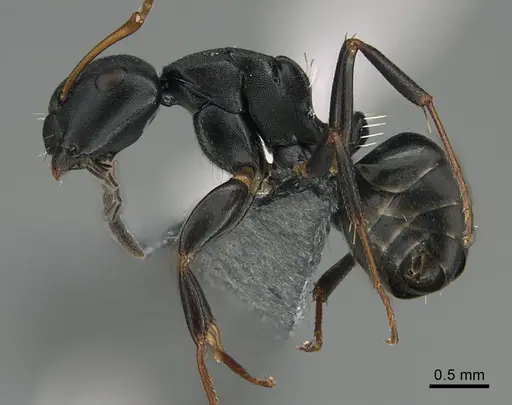
CASENT0418183
Ver no AntWeb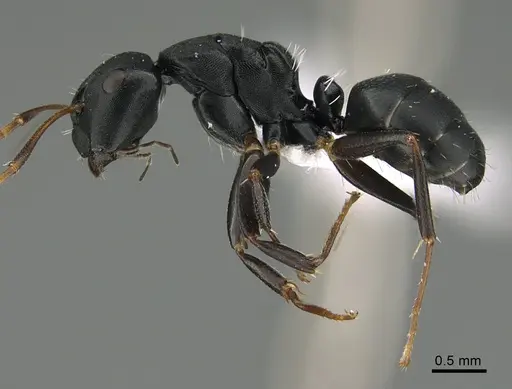
CASENT0418258
Ver no AntWeb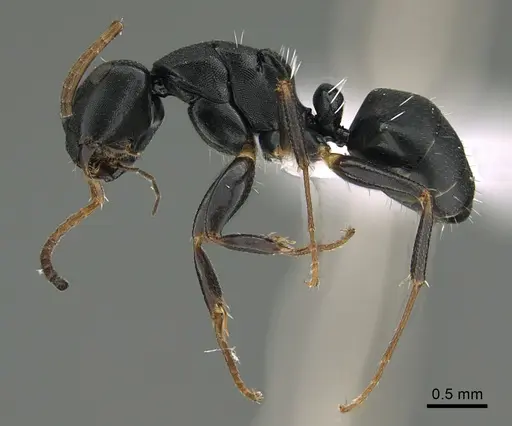
CASENT0746969
Ver no AntWeb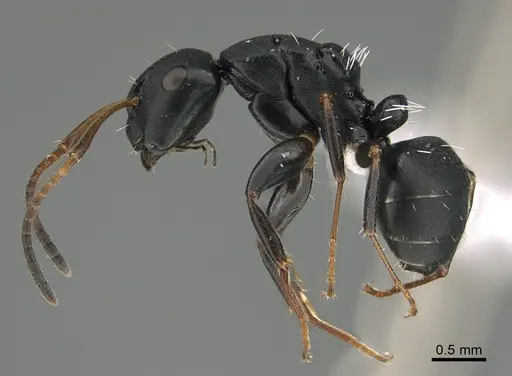
CASENT0763608
Ver no AntWeb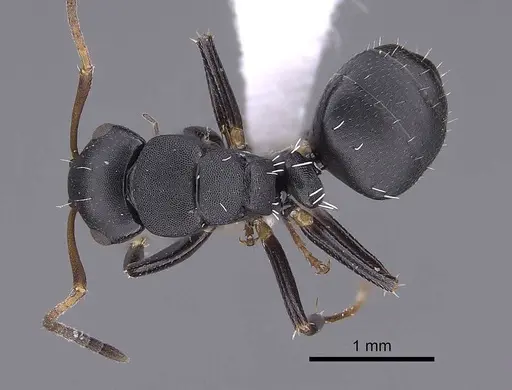
CASENT0840821
Ver no AntWeb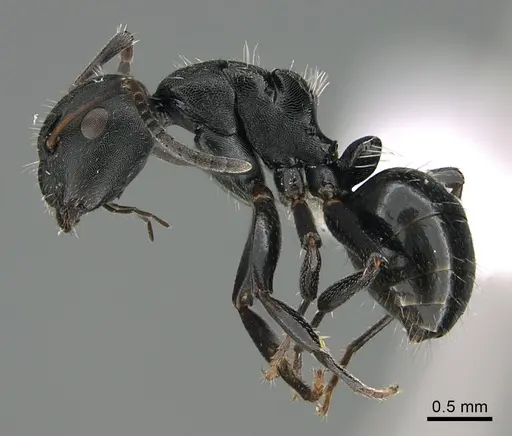
Literatura
Carregando mapa de distribuição...Carregando produtos...