
Schaeffer's Carpenter Ant
Camponotus schaefferi
- Nome científico
- Camponotus schaefferi
- Tribo
- Camponotini
- Subfamília
- Formicinae
- Autor
- Wheeler, 1909
- Nome comum
- Schaeffer's Carpenter Ant
- Distribuição
- Encontrada em 1 países
Introdução
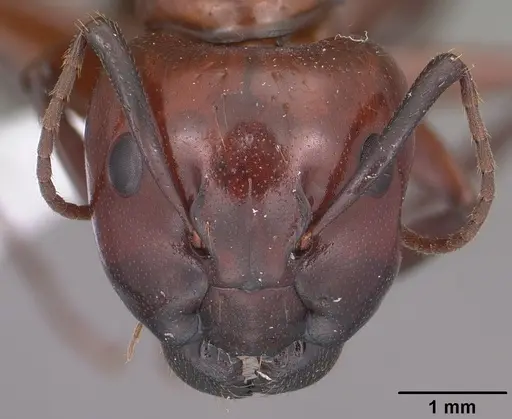
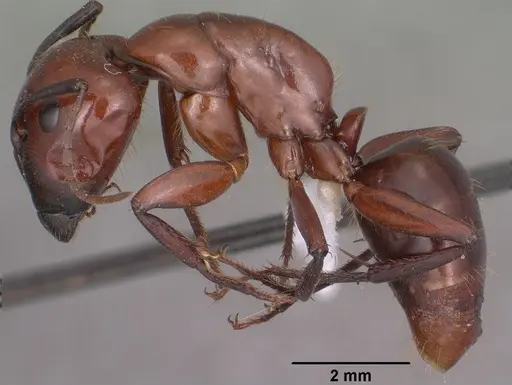
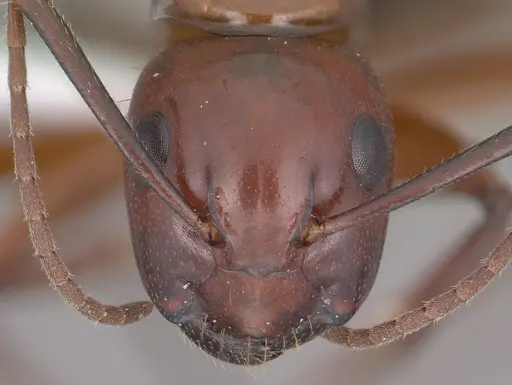
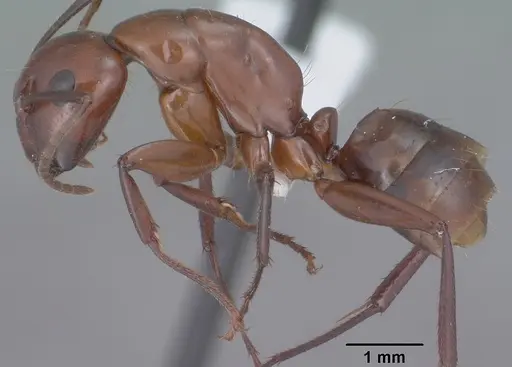
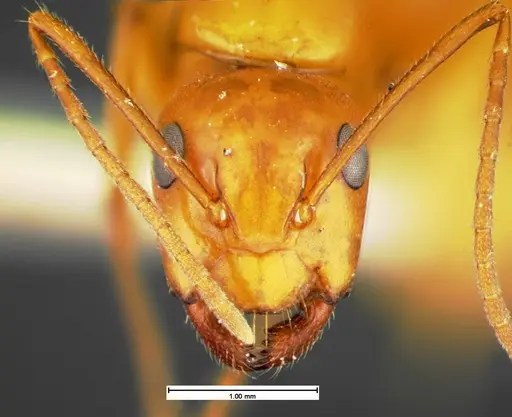
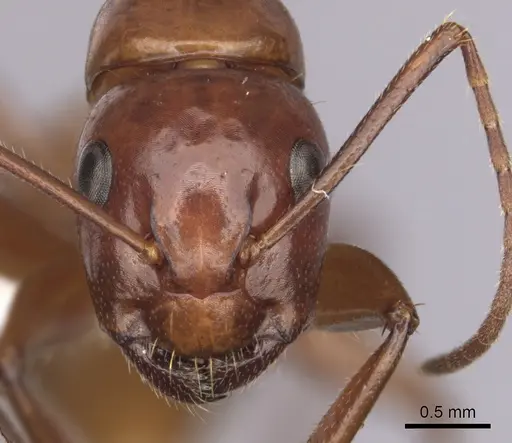
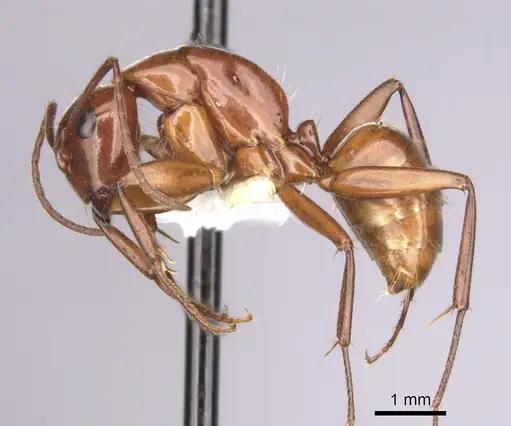
Camponotus schaefferi is a medium-sized carpenter ant native to the southwestern United States, primarily Arizona and New Mexico. Workers are golden yellow to reddish-brown throughout (concolorous), with major workers reaching approximately 9-10mm total length and minors at about 6mm. The head has nearly parallel sides, and the anterior clypeus of majors has distinctive blunt teeth. This species nests in dead oak limbs on living trees or at branch break points, typically at elevations of 1500-2500 meters in pine-oak forests and juniper woodlands [AntWiki]. What makes C. schaefferi unusual is its chemical defense system - it uses 3-octanone as an alarm pheromone that triggers aggressive defensive behavior in workers . Like other Camponotus species, it hosts beneficial bacteria (Candidatus Blochmannia) inside its body that help with nutrition . Workers are notably agile and quick, making them challenging to capture when foraging on oak trees [AntWiki].
Quick Summary
- Difficulty: Medium
- Origin & Habitat: Southwestern United States (Arizona, New Mexico). Found in pine-oak forests, ponderosa pine scrub, Arizona oak woodlands, and oak-juniper foothills at 1500-2500m elevation. Nests in dead oak limbs on living trees or at branch break points [1].
- Colony Type: Colony structure is unconfirmed. Queens measure approximately 9-10mm total length based on Camponotus genus patterns [1].
- Size & Growth:
- Queen: Approximately 9-10mm total length, inferred from Camponotus genus patterns [1]
- Worker: Major: approximately 9-10mm total length, Minor: approximately 6mm total length [1]
- Colony: Colony size data unavailable for this species
- Growth: Moderate, typical for Camponotus genus
- Development: 6-10 weeks estimated based on typical Camponotus development at warm temperatures (Development time inferred from genus patterns. Brood has been observed in nests during September, suggesting a seasonal breeding cycle [1].)
- Antkeeping:
- Temperature: Keep around 22-26°C. Being a southwestern US species from higher elevations, they can tolerate cooler conditions than tropical ants but prefer warmth for brood development. A temperature gradient allowing them to choose their preferred zone works best.
- Humidity: Moderate. These are not moisture-dependent ants like some tropical species. Keep nest substrate slightly moist but allow drying between waterings. Being oak-tree nesters, they prefer somewhat dry conditions [1].
- Diapause: Yes, likely required. As a temperate species from Arizona/New Mexico highlands, they likely need a winter rest period. Sexuals were found in nests during May, suggesting a spring/summer breeding cycle [1]. Provide 2-3 months at 10-15°C.
- Nesting: Y-tong (AAC) nests work well for these medium-sized ants. They also accept wooden formicaria or plaster nests. Provide a dry to moderately humid nest chamber. Outworld should be simple with standard foraging setup.
- Behavior: Workers are very agile and active foragers, they move quickly and are difficult to catch. They forage primarily on oak trees in the wild, likely tending aphids or hunting for small prey. As carpenter ants, they can chew through soft materials but won't damage hard plaster or wooden nests. They lack a functional sting and instead use formic acid spray combined with biting as their defense mechanism, they spray formic acid from an acidopore into the wound after biting. Their alarm pheromone (3-octanone) triggers defensive behavior in nestmates [2]. Escape risk is moderate, use standard barrier methods but no special fine mesh needed for this size.
- Common Issues: colonies often stall if kept too cold, maintain warm temperatures for growth, workers are extremely fast and agile, making them hard to contain during outworld transfers, winter diapause is likely required, colonies that don't hibernate may fail to thrive, wild-caught colonies may be difficult to locate given their arboreal nesting habits and quick workers, queens can be challenging to find as they nest inside tree limbs rather than in soil
Nest Preferences and Housing
Camponotus schaefferi naturally nests in dead oak tree limbs at elevated locations (1500-2500m). In captivity, they adapt well to Y-tong (AAC) nests or wooden formicaria. They prefer relatively dry nest conditions, being arboreal nesters, they're accustomed to moisture that drains quickly rather than standing water. Provide a nest chamber sized appropriately for the colony: tight chambers for founding colonies, larger spaces as the colony grows.
For the outworld, use a standard setup with a foraging area connected to the nest. These ants are agile foragers, so ensure connections are secure. They don't require high humidity setups like some tropical species, moderate substrate moisture is sufficient. A water test tube should always be available in the outworld. [1]
Feeding and Diet
Like other carpenter ants, C. schaefferi is omnivorous. They likely feed on honeydew from aphids and scale insects in the wild (foraging on oak trees supports this), plus small insects and arthropods. In captivity, offer a varied diet: sugar water or honey as a constant energy source, and protein sources like mealworms, crickets, or other small insects 2-3 times weekly.
These ants are active foragers, so they will readily take prey items. Remove uneaten prey after 24-48 hours to prevent mold. The presence of their endosymbiont bacteria (Candidatus Blochmannia) suggests they have specialized nutritional needs, these bacteria help process nitrogenous foods, so a balanced diet is important for colony health [3].
Temperature and Seasonal Care
Maintain temperatures around 22-26°C for optimal colony activity and brood development. As a species from Arizona/New Mexico highlands, they can tolerate cooler conditions than lowland desert ants but prefer warmth. A temperature gradient allows workers to self-regulate.
Winter diapause appears important for this species. In the wild, sexuals appear in May and brood in September [1], indicating a seasonal cycle. Provide 2-3 months of cooler temperatures (10-15°C) during winter. Reduce feeding during this period and avoid disturbing the colony. After diapause, gradually warm them back up to restart the breeding cycle.
Behavior and Defense
Workers are notably agile and quick-moving, making them challenging to handle. They forage actively and will explore their outworld thoroughly. Their primary defense mechanism is chemical, they use 3-octanone as an alarm pheromone that triggers aggressive defensive responses in nestmates [2]. When threatened, workers bite the target and spray a stream of concentrated formic acid from an acidopore into the wound. This is the typical defense method for Formicinae ants, which lack a functional sting.
While they can bite, they rarely resort to stinging since they lack a functional sting. Their quick movement and alert response make them more likely to flee or hide than to stand and fight. However, disturbed colonies can become quite aggressive. Handle gently and avoid sudden vibrations or disturbances near the nest.
Frequently Asked Questions
How long does it take for Camponotus schaefferi to produce first workers?
Based on typical Camponotus development, expect 6-10 weeks from egg to first worker at warm temperatures (24-26°C). Claustral founding means the queen seals herself in and raises the first brood alone without foraging.
What do Camponotus schaefferi ants eat?
They are omnivorous. Offer sugar water or honey constantly for energy, plus protein sources like small insects (mealworms, crickets, fruit flies) 2-3 times per week. They will also tend aphids if available.
Are Camponotus schaefferi good for beginners?
They are medium difficulty. They require standard antkeeping setup but need proper temperature management and likely require winter diapause. Their quick movement can make them slightly challenging to handle.
Do Camponotus schaefferi need hibernation?
Yes, likely required. As a temperate species from Arizona highlands, they need a 2-3 month winter rest at 10-15°C. Colonies that don't hibernate may fail to thrive or produce sexuals properly.
How big do Camponotus schaefferi colonies get?
Colony size data is not available for this species. Typical Camponotus colonies may reach several hundred workers over several years, but this is not confirmed for C. schaefferi.
Can I keep multiple Camponotus schaefferi queens together?
Colony structure is unconfirmed for this species. Combining unrelated queens is not recommended as they will likely fight. Only keep one queen per colony unless you observe cooperative founding behavior.
What is the best nest type for Camponotus schaefferi?
Y-tong (AAC) nests or wooden formicaria work well. They prefer relatively dry conditions, so avoid overly humid setups. Provide appropriately sized chambers for the colony size.
Why are my Camponotus schaefferi workers dying?
Common causes include: temperatures too cold (keep above 20°C), improper humidity (they prefer drier conditions), or lack of winter diapause. Also check for stress from frequent disturbances. Wild-caught colonies may have parasites.
Where does Camponotus schaefferi live in the wild?
They are found in Arizona and New Mexico, USA, at elevations of 1500-2500 meters. They nest in dead oak tree limbs in pine-oak forests and oak-juniper woodlands [1].
Report an Issue
The current care sheet is based fully on literature. See inconsistencies, or something that's incorrect? Please , it will be resolved after review from an admin. Contributing to the blogs tab also helps providing information, to make us be able to further improve the caresheets. Thank you for your support!
References

Este guia de cuidados está sob a licença CC BY-SA 4.0 .
Posts da comunidade
CASENT0102783
Ver no AntWeb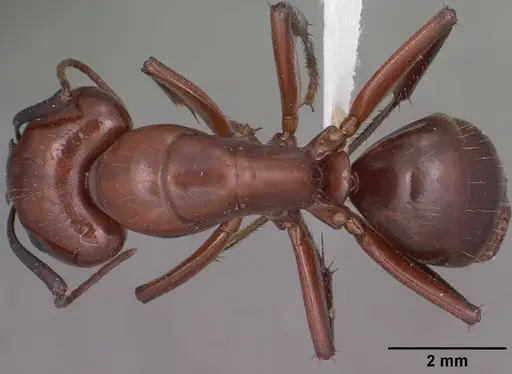
CASENT0102811
Ver no AntWeb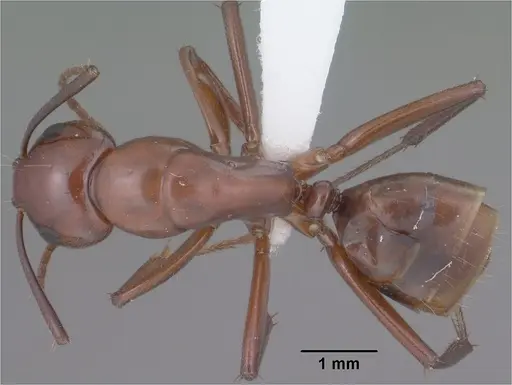
CASENT0105589
Ver no AntWeb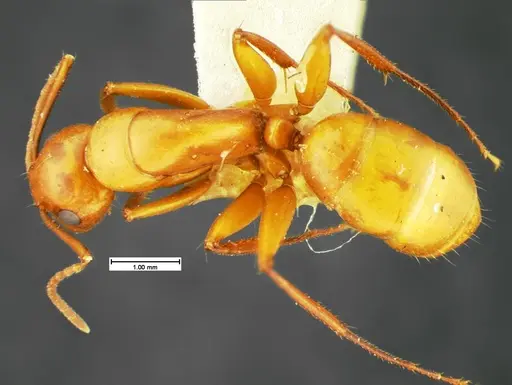
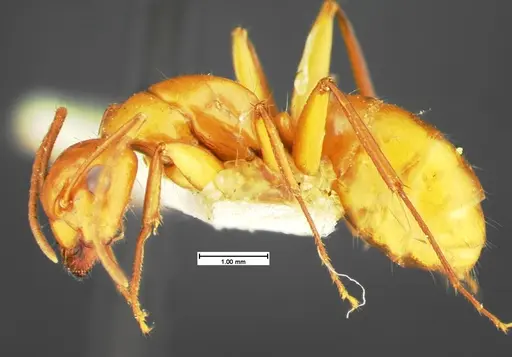
CASENT0280019
Ver no AntWeb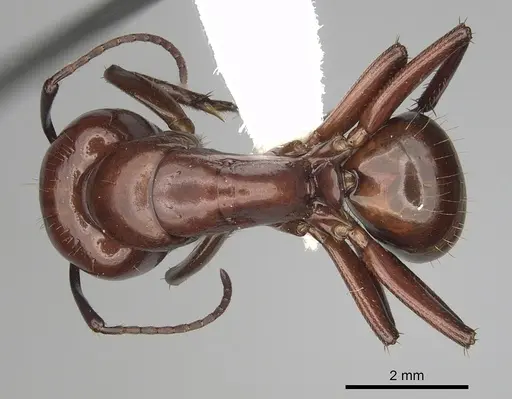
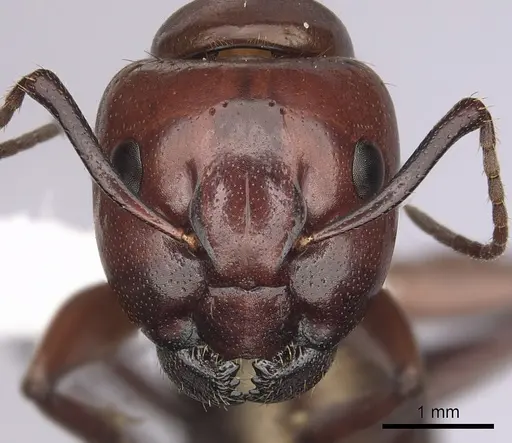
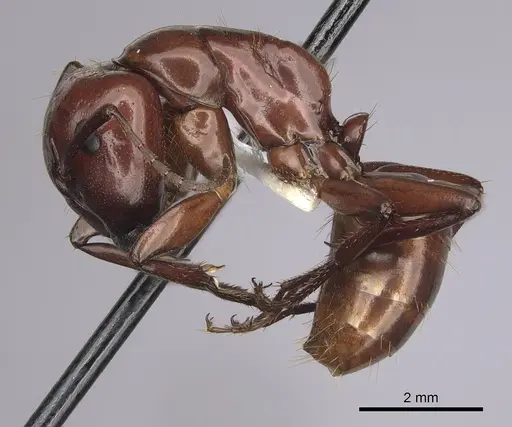
CASENT0280020
Ver no AntWeb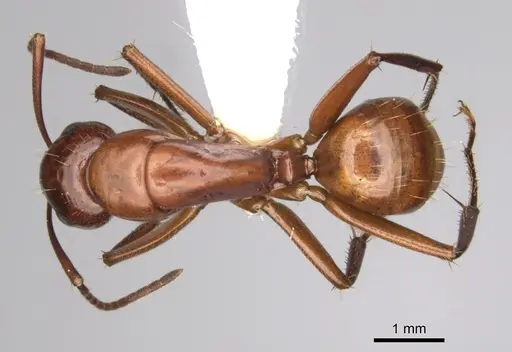
Literatura
Carregando mapa de distribuição...Carregando produtos...